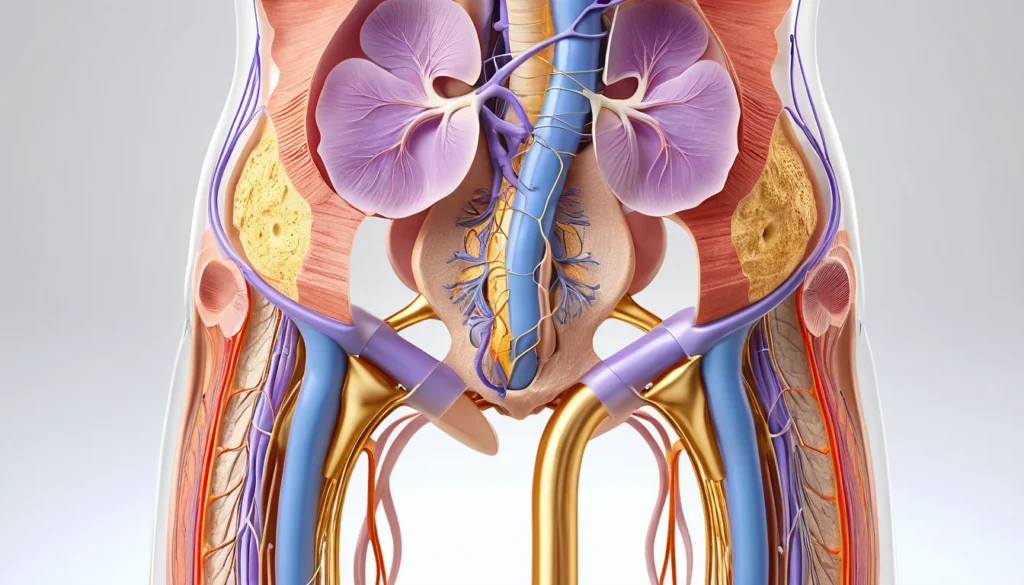
Erectile dysfunction prevention is something every man should think about — not just those already experiencing problems. Erectile dysfunction (ED) means having trouble getting or keeping an erection firm enough for sex. It affects millions of Canadian men, and the good news is that many of its causes are within your control. This article shares 10 practical, evidence-based tips to help protect your sexual health for the long term.
What Causes Erectile Dysfunction?
ED is not just a bedroom problem. In most cases, it is a sign that something else is going on in the body. Poor blood flow, nerve damage, hormonal imbalances, and psychological stress are all common causes.
Many of the same habits that harm your heart also harm your ability to get an erection. The arteries that supply blood to the penis are narrow, so they are often the first to show signs of damage. Think of ED as an early warning signal worth taking seriously.
Tip 1: Eat a Heart-Healthy Diet for Erectile Dysfunction Prevention
What you eat has a direct impact on blood flow throughout your body — including to your penis. Diets high in processed foods, fried items, and saturated fats can clog arteries and reduce circulation.
Research consistently shows that men who follow a Mediterranean-style diet have lower rates of ED. This means eating more fruits, vegetables, whole grains, fish, olive oil, and nuts. These foods support healthy blood vessels and hormone production.
Foods That May Help Prevent ED
Certain foods are especially useful for erectile dysfunction prevention. Consider adding these to your regular meals:
Watermelon: Rich in citrulline, which relaxes blood vessels and supports blood flow. The highest concentration is found in the rind.
Zinc-rich foods: Turkey, chicken, beef, lamb, salmon, yogourt, cheese, and milk all contain zinc, a mineral that supports testosterone production and sperm quality.
Leafy greens and beets: High in nitrates, which help open up blood vessels.
Oily fish: Salmon and mackerel provide omega-3 fats that protect artery walls.
In some men with ED, zinc deficiency is a contributing factor. This deficiency can result from long-term use of diuretics or from conditions like diabetes, kidney disease, or digestive disorders.
Tip 2: Maintain a Healthy Weight
Carrying extra weight is one of the strongest risk factors for ED. Being overweight raises the risk of type 2 diabetes, which can damage nerves throughout the body — including those involved in sexual function. This nerve damage is called diabetic neuropathy.
When nerves in the pelvic region are affected, getting and maintaining an erection becomes difficult. Furthermore, excess weight often affects self-confidence, which adds a psychological layer to the problem.
Even modest weight loss can make a real difference. Losing as little as 5 kilograms can help stimulate sex hormones and improve circulation. Eating nutrient-dense foods also helps keep blood sugar and cholesterol in check. For guidance, speak with your family doctor or visit a walk-in clinic to get routine bloodwork done.
Tip 3: Keep Your Blood Pressure and Cholesterol Under Control
High blood pressure damages artery walls over time and causes them to narrow — a process called atherosclerosis. This reduces blood flow to many parts of the body, including the penis. As a result, getting and keeping an erection becomes harder.
Many men do not realise their blood pressure is high until it has already caused damage. Even one episode of ED linked to blood pressure can trigger anxiety, which makes the problem worse. This cycle can put real strain on a relationship.
How Cholesterol Affects Erections
High levels of LDL (“bad”) cholesterol cause plaque to build up inside arteries. This restricts blood flow to the genitals and interferes with the chemical signals needed for an erection — including the release of nitric oxide.
Cholesterol also affects testosterone production. Testosterone is the key hormone that drives sexual desire and sends arousal signals throughout the body. When testosterone drops, libido often drops with it.
To manage both blood pressure and cholesterol, health experts recommend:
Quitting smoking
Reducing salt and processed food intake
Choosing heart-healthy foods daily
Losing weight if you are above a healthy range
Taking prescribed medications as directed by your doctor
It is worth noting that some blood pressure medications — including ACE inhibitors, calcium channel blockers, and alpha-blockers — can themselves contribute to ED in some men. However, do not stop taking any medication without first speaking to your doctor. Learn more about ED causes and risk factors at Mayo Clinic.
Tip 4: Exercise Regularly
Physical activity is one of the most effective tools for erectile dysfunction prevention. Exercise improves blood flow, helps maintain a healthy weight, boosts testosterone, and reduces stress — all factors that directly affect sexual function.
You do not need to run marathons. Even 30 minutes of brisk walking most days of the week can have a noticeable effect. Pelvic floor exercises, sometimes called Kegel exercises, are particularly helpful. They strengthen the muscles involved in erections and ejaculation.
Resistance training, such as weightlifting, can also raise testosterone levels naturally. However, avoid anabolic steroids, as these can actually shrink the testicles and lower natural hormone production.
Tip 5: Drink Alcohol Only in Moderation
Alcohol has a complicated relationship with sexual health. In small amounts, it may lower inhibitions. However, too much alcohol acts as a depressant on the nervous system and directly interferes with the body’s ability to achieve an erection.
Chronic heavy drinking can damage the liver, raise blood pressure, and lower testosterone levels. Over time, these effects significantly increase the risk of ED. Health Canada’s guidelines on alcohol use recommend limiting consumption to reduce health risks.
If you drink, stick to Canada’s low-risk drinking guidelines. If alcohol use feels hard to control, your family doctor can connect you with support programmes in your province.
Tip 6: Quit Smoking and Avoid Recreational Drugs
Smoking is a major cause of artery damage. Nicotine constricts blood vessels and speeds up the buildup of plaque in arteries. This directly reduces blood flow to the penis.
Studies show that men who smoke are significantly more likely to develop ED than non-smokers. The encouraging news is that quitting smoking can reverse some of this damage over time. Many provincial health plans in Canada cover smoking cessation programmes, including nicotine replacement therapy and prescription aids. Ask your pharmacist or doctor what is covered in your province.
Recreational drugs — including cannabis in high doses, cocaine, and opioids — can also contribute to ED. They affect hormone levels, nerve function, and blood pressure in ways that interfere with sexual performance.
Tip 7: Manage Stress and Mental Health
Psychological factors play a large role in ED, especially in younger men. Stress, anxiety, depression, and relationship problems can all make it difficult to get or maintain an erection — even when physical health is fine.
Performance anxiety is particularly common. One episode of ED can create a fear of it happening again, which then causes it to happen again. This cycle can be hard to break without support.
Talking openly with your partner is an important first step. A supportive relationship helps reduce the pressure and shame that often surround ED. In addition, seeing a mental health professional or a sex therapist can be very effective. Many provincial plans offer coverage for mental health services — check with your provincial health authority to find out what is available to you.
Tip 8: Get Your Hormones and Blood Sugar Checked
Low testosterone and poorly controlled blood sugar are two frequently missed causes of ED. Both can be identified through simple blood tests that your family doctor can order.
If you have diabetes, keeping your blood sugar within a healthy range is one of the most important things you can do for your sexual health. High blood sugar damages both nerves and blood vessels over time. Healthline explains the link between testosterone and erectile dysfunction in a clear, accessible way.
Thyroid problems and elevated prolactin levels can also affect sexual function. These are less common but worth checking if other causes have been ruled out.
Tip 9: Get Enough Sleep
Poor sleep affects nearly every system in the body. For men, it is directly linked to lower testosterone levels. The body produces most of its testosterone during deep sleep, so chronic sleep deprivation can quietly undermine your hormonal health.
Sleep apnea — a condition where breathing repeatedly stops during sleep — is especially linked to ED. It is common in men who are overweight or who snore heavily. If you wake up tired despite a full night’s sleep, speak to your doctor about getting tested. Treatment for sleep apnea can significantly improve both energy and sexual function.
Tip 10: Protect Yourself From Penile Injury
Physical injury to the penis is a less-discussed but real cause of ED. A penile fracture — a rupture of the tissue that fills with blood during an erection — can occur during aggressive sexual activity. This is a medical emergency and requires immediate care.
Repeated minor trauma to the perineum (the area between the scrotum and anus) can also damage nerves and blood vessels. This is sometimes seen in cyclists who spend long hours in the saddle. Using a properly fitted bicycle seat and taking regular breaks can reduce this risk.
When to See a Doctor
If you experience ED regularly — say, more than half the time — it is time to speak with a healthcare provider. Do not feel embarrassed. ED is very common, and doctors discuss it every day.
Start with your family doctor if you have one. They can order blood tests, review your medications, and refer you to a urologist or specialist if needed. If you do not have a family doctor, a walk-in clinic is a good first step. Many provinces also offer virtual care options through their health portals.
ED can sometimes be the first sign of a more serious condition, such as heart disease or diabetes. Getting it checked early could protect your overall health — not just your sex life. Always consult your doctor before starting any new supplement or treatment for ED.
Frequently Asked Questions About Erectile Dysfunction Prevention
Can erectile dysfunction be prevented naturally?
Yes, many cases of erectile dysfunction can be prevented or delayed through healthy lifestyle habits. Eating well, exercising regularly, managing stress, and avoiding smoking and heavy alcohol use are all proven strategies for erectile dysfunction prevention. Speaking with your family doctor about any underlying health conditions is also an important step.
At what age does erectile dysfunction usually start?
ED becomes more common as men age, but it is not inevitable. While it is most often seen in men over 40, younger men can experience it too — often due to stress, anxiety, or lifestyle factors. Erectile dysfunction prevention efforts are worthwhile at any age.
Does high cholesterol cause erectile dysfunction?
Yes, high LDL cholesterol can contribute to ED by causing plaque buildup in the arteries that supply blood to the penis. This reduced blood flow makes it harder to get or maintain an erection. Keeping cholesterol levels in check is an important part of erectile dysfunction prevention.
Can losing weight improve erectile dysfunction?
Losing weight can significantly improve ED, especially in men who are overweight or obese. Even a modest weight loss of 5 kilograms can help balance hormones, improve blood flow, and boost confidence. Combining weight loss with regular exercise offers the best results for erectile dysfunction prevention.
Is erectile dysfunction covered by provincial health plans in Canada?
The diagnosis and investigation of ED — including doctor visits and blood tests — is generally covered under provincial health plans across Canada. However, coverage for ED medications varies by province and individual plan. Talk to your family doctor or check your provincial health authority’s website for details.
Can stress and anxiety cause erectile dysfunction?
Yes, psychological factors like stress, anxiety, and depression are common causes of ED — particularly in younger men. Performance anxiety can create a cycle where fear of ED actually triggers it. Addressing mental health is a key part of a complete approach to erectile dysfunction prevention.
Key Takeaways
Erectile dysfunction prevention starts with heart-healthy habits — what is good for your heart is good for your erections.
A Mediterranean-style diet, regular exercise, and a healthy weight all reduce ED risk significantly.
High blood pressure, high cholesterol, diabetes, and low testosterone are key medical contributors to ED — and all can be managed.
Smoking, heavy alcohol use, and recreational drugs damage blood vessels and nerves involved in sexual function.
Mental health matters — stress, anxiety, and depression are common and treatable causes of ED.
Sleep quality and hormonal health are often overlooked factors worth discussing with your doctor.
If ED is happening regularly, see your family doctor or visit a walk-in clinic. It may be an early sign of a larger health issue.
Always speak with a qualified healthcare provider before trying new treatments or supplements for ED.