Erectile dysfunction (ED) is the ongoing inability to get or keep an erection firm enough for satisfying sex. It is one of the most common sexual health concerns among Canadian men, particularly those over 40. However, ED can affect men of any age. This article explains what causes erectile dysfunction, what symptoms to watch for, and what treatment options are available to you in Canada.
What Is Erectile Dysfunction?
Erectile dysfunction is not the same as having the occasional difficulty with an erection. Most men experience that at some point in their lives, and it is completely normal. ED is the term doctors use when the problem is consistent and ongoing.
The word “impotence” is an older term for the same condition. However, doctors today prefer “erectile dysfunction” because it is more accurate and carries fewer negative connotations. Sexual health involves more than just erections, and the language we use matters.
ED can affect your relationship and your self-esteem. Talking openly with your partner and exploring other forms of intimacy can help while you work toward a solution.
How Does an Erection Work?
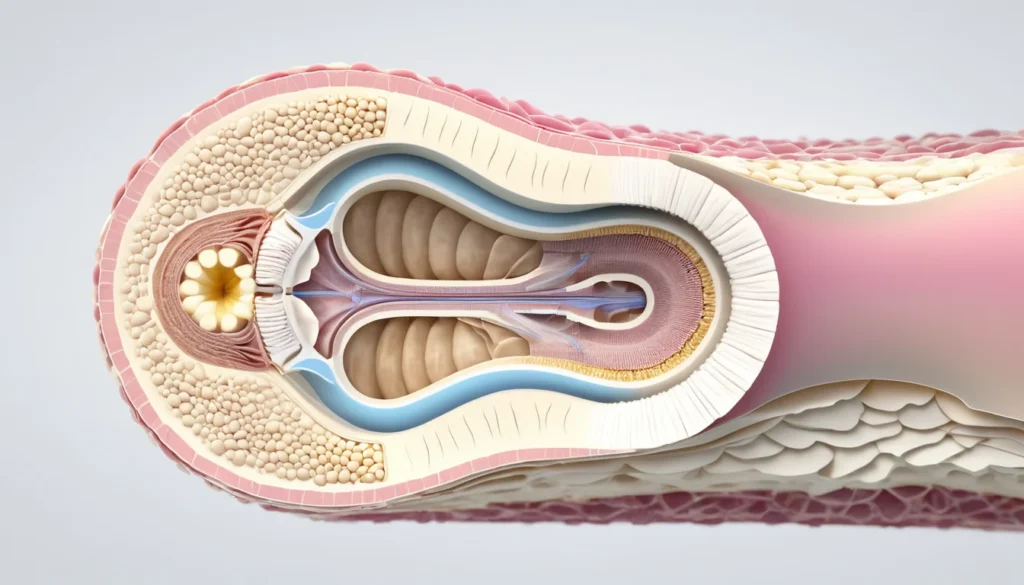
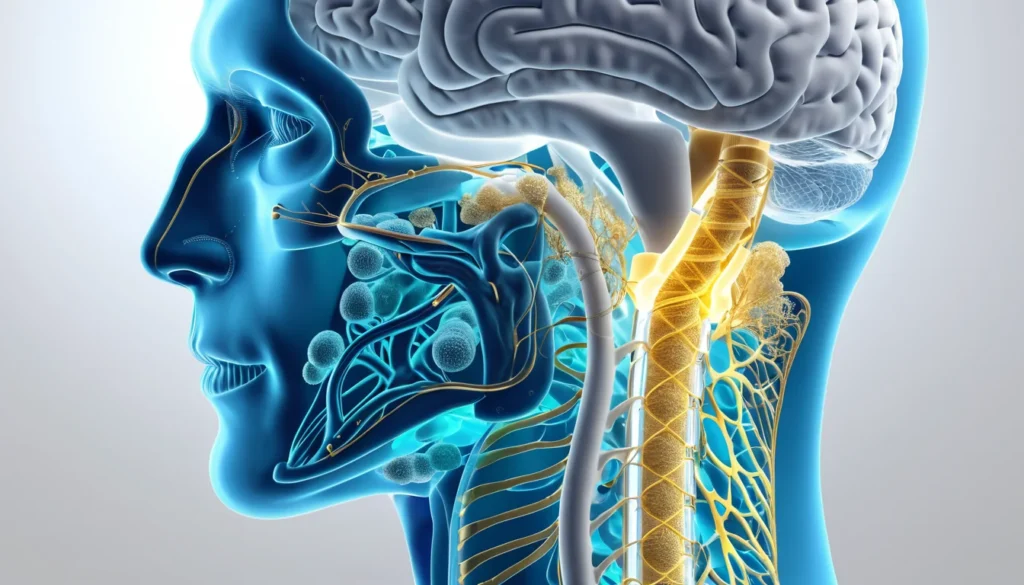
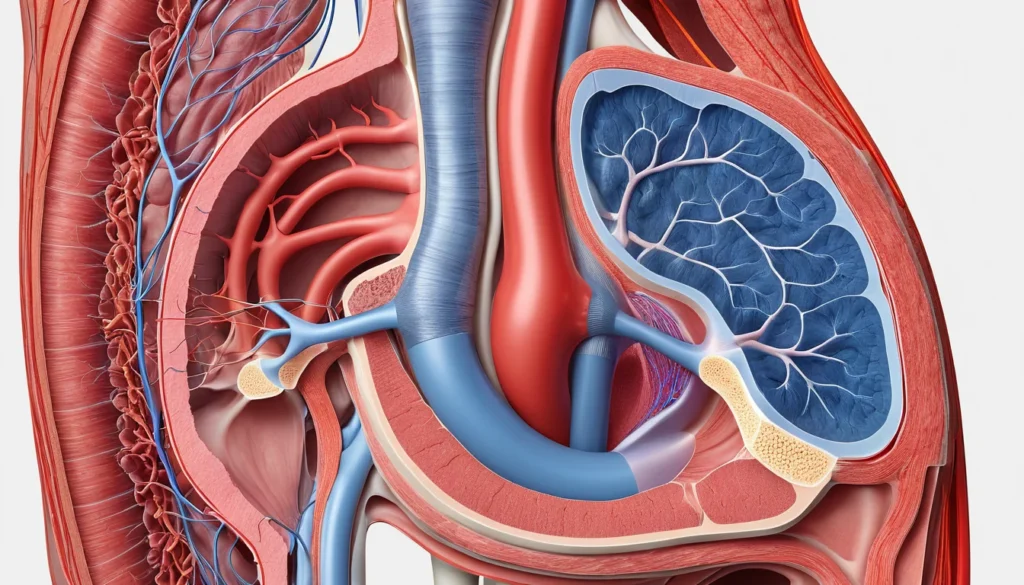
Understanding erectile dysfunction starts with understanding how an erection happens. When a man becomes aroused — through sight, touch, sound, smell, taste, or imagination — the brain sends nerve signals to the penis. These signals cause blood to flow into two spongy chambers inside the penis, called the corpus cavernosum.
The penis expands and becomes firm as those chambers fill with blood. To maintain the erection, the body must keep that blood in place. Four things must work together for this to happen:
A healthy nervous system that sends proper signals to the penis
Healthy blood vessels that allow blood to flow in and out
Relaxed penile muscles that allow the penis to fill with blood
The ability to keep blood inside the penis long enough
If any one of these four systems is disrupted, erectile dysfunction can result.
Common Causes of Erectile Dysfunction
Erectile dysfunction has both physical and psychological causes. In many cases, both play a role at the same time. For men over 50, physical causes are more common. For men under 40 without other health issues, psychological causes are more likely.
Physical Causes
Physical causes of erectile dysfunction often involve the blood vessels, nerves, or hormones. The most common physical causes include:
Blood vessel problems (vascular issues): Poor circulation can prevent enough blood from reaching or staying in the penis. This is the most common physical cause of ED.
Nerve problems (neurological issues): Conditions like Parkinson’s disease, multiple sclerosis, Alzheimer’s disease, or stroke can interfere with the nerve signals that trigger erections.
Diabetes: Nerve and blood vessel damage from diabetes is a leading cause of erectile dysfunction in Canadian men.
Low testosterone: Hormonal imbalances, including low testosterone levels, can contribute to ED and reduced sexual desire.
Structural problems: Abnormalities in the tissues of the penis itself can sometimes prevent erections.
Medications: Some common prescriptions — including those for high blood pressure and depression — can cause ED as a side effect. Do not stop taking any medication without speaking to your doctor first.
Tobacco, alcohol, and drugs: Smoking restricts blood flow. Heavy alcohol use affects nerve signals. Recreational drug use can also disrupt sexual function. Reducing or stopping these substances can improve symptoms.
Some research suggests that men who cycle long distances regularly — especially on a hard, narrow seat — may have a higher risk of erectile dysfunction. However, this link has not been firmly proven.
Vasectomy does not typically cause erectile dysfunction. However, pain after the procedure or emotional discomfort with the decision can temporarily affect sexual performance.
Psychological Causes
The mind plays a powerful role in sexual function. Psychological causes of erectile dysfunction work by distracting a man from the things that would normally arouse him. Common psychological causes include:
Depression (which also has physical components)
Anxiety or chronic stress
Grief or loss
Relationship difficulties — past or present
For example, some men develop ED after the birth of their first child. Others struggle when a relationship becomes more serious, such as when marriage becomes a consideration. These are real and valid causes that respond well to counselling.
In addition, relationship problems themselves can cause or worsen ED. This can happen after the loss of a partner, or when interest in a particular partner has changed over time.
Symptoms of Erectile Dysfunction
Erectile dysfunction symptoms are generally straightforward, but they are worth naming clearly. You may have ED if you consistently experience difficulty:
Getting an erection at all — whether through sexual activity or masturbation
Keeping an erection long enough for satisfying sex
Achieving an erection firm enough for penetration
It is important to note that ED does not refer to a loss of sexual interest or desire. Those are separate concerns. Furthermore, having occasional difficulty is not the same as a persistent pattern.
If you notice a consistent pattern over several weeks, it is worth bringing up with your doctor. ED can sometimes be an early warning sign of a more serious underlying condition, such as heart disease or diabetes. Therefore, getting it checked is always a good idea.
Risk Factors for Erectile Dysfunction
Certain factors make erectile dysfunction more likely. Being aware of your risk can help you take action sooner. Key risk factors include:
Age: ED becomes more common after age 40 and increases with age. However, it is not an inevitable part of ageing.
Heart disease and high blood pressure: These conditions damage blood vessels throughout the body, including those in the penis.
Diabetes: Poorly controlled blood sugar damages both nerves and blood vessels.
Obesity: Excess weight is linked to lower testosterone and poorer circulation.
Smoking: Tobacco use narrows blood vessels and reduces blood flow.
Sedentary lifestyle: Lack of physical activity reduces cardiovascular health.
Mental health conditions: Depression and anxiety are significant risk factors.
According to Health Canada, managing chronic conditions like diabetes, heart disease, and high blood pressure is one of the most effective ways to reduce your risk of erectile dysfunction.
Treatment Options for Erectile Dysfunction
The good news is that erectile dysfunction is highly treatable. Treatment depends on the underlying cause, but many men see significant improvement. Treatment is just as effective for older men as it is for younger men.
Lifestyle Changes
For many men, lifestyle changes alone can make a meaningful difference. These include:
Quitting smoking
Reducing alcohol consumption
Getting regular physical activity
Eating a heart-healthy diet rich in fibre, vegetables, and lean protein
Managing stress through exercise, mindfulness, or counselling
Reaching and maintaining a healthy weight
Medical Treatments
Several medications are available to treat erectile dysfunction. The most well-known are oral medications called PDE5 inhibitors, such as sildenafil (Viagra) and tadalafil (Cialis). These work by increasing blood flow to the penis. Your family doctor can prescribe these and discuss whether they are right for you.
If a medication you are already taking is causing ED as a side effect, your doctor may be able to adjust your dose or switch you to a different drug. Never change your medication on your own. Always speak with a healthcare provider first.
Other treatment options include hormone therapy (if low testosterone is the cause), vacuum erection devices, injections, or surgery in more complex cases. Your doctor will help you find the right approach for your situation.
Psychological Support and Counselling
When psychological factors are contributing to erectile dysfunction, counselling can be very effective. Cognitive behavioural therapy (CBT), couples counselling, and sex therapy are all options available in most Canadian cities and towns. Your family doctor can refer you to a qualified mental health professional.
As the Mayo Clinic explains, addressing anxiety, depression, and relationship issues is often a key part of successfully treating ED.
When to See a Doctor
You should speak with a healthcare provider if you have noticed consistent difficulty with erections over several weeks. This is not something you need to manage alone, and there is no reason to feel embarrassed. Erectile dysfunction is a medical condition — just like high blood pressure or diabetes.
In Canada, you have several options for getting help:
Your family doctor is the best first stop. They can assess your overall health, check for underlying conditions, and discuss treatment options.
A walk-in clinic can help if you do not have a family doctor or cannot get an appointment quickly. Most walk-in clinics can begin a basic assessment and referral.
A urologist or men’s health specialist may be recommended if your ED requires more specialized care. Your family doctor can refer you through your provincial health plan.
You should seek care sooner rather than later if your ED is accompanied by chest pain, shortness of breath, or other cardiovascular symptoms. These may indicate a more serious underlying heart condition.
According to Healthline, early intervention leads to better outcomes. There is no benefit to waiting.
Frequently Asked Questions About Erectile Dysfunction
Is erectile dysfunction a normal part of ageing?
Erectile dysfunction becomes more common with age, but it is not an inevitable part of ageing. Many older men have healthy, satisfying sex lives. If you are experiencing consistent ED, it is worth talking to your doctor, because effective treatment is available at any age.
Can stress and anxiety cause erectile dysfunction?
Yes, stress and anxiety are among the most common psychological causes of erectile dysfunction, particularly in men under 40. When your mind is preoccupied with worry, it interferes with the signals needed to trigger an erection. Counselling, therapy, and stress management techniques can help significantly.
What medications can cause erectile dysfunction?
Several common medications list erectile dysfunction as a possible side effect. These include some blood pressure medications, antidepressants, and certain diuretics. However, you should never stop taking a prescribed medication without speaking to your doctor first — they may be able to adjust your dose or suggest an alternative.
Can erectile dysfunction be a sign of heart disease?
Yes, erectile dysfunction can sometimes be an early warning sign of cardiovascular disease. Both conditions involve problems with blood vessel health. If you develop ED, particularly if you have other risk factors like high blood pressure or high cholesterol, your doctor will likely want to assess your heart health as well.
Is erectile dysfunction covered under provincial health plans in Canada?
Doctor visits and specialist referrals for erectile dysfunction are generally covered under provincial health insurance plans across Canada. However, prescription medications for ED, such as Viagra or Cialis, are not universally covered and may require private insurance or out-of-pocket payment. Check with your provincial health authority or benefits provider for details.
Can lifestyle changes really improve erectile dysfunction?
Yes, lifestyle changes can make a real difference for many men with erectile dysfunction. Quitting smoking, reducing alcohol, exercising regularly, and managing a healthy weight all improve blood vessel and nerve health. For some men, these changes alone are enough to significantly improve or resolve ED without medication.
Key Takeaways
Erectile dysfunction is the consistent inability to get or keep an erection — it is not the same as occasional difficulty, which is normal.
ED has both physical causes (blood vessels, nerves, hormones, medications) and psychological causes (stress, anxiety, depression, relationship issues).
ED is more common in men over 50, but it can affect men of any age.
It can be an early warning sign of heart disease or diabetes — making it important to get checked.
Lifestyle changes — quitting smoking, reducing alcohol, exercising, and eating well — can significantly improve symptoms.
Effective medical treatments are available, including oral medications, counselling, hormone therapy, and more.
Treatment is equally effective in older and younger men.
Talk to your family doctor or visit a walk-in clinic if you have been experiencing consistent symptoms. You do not need to manage this alone.
This article is for informational purposes only. Always consult your doctor or a qualified healthcare provider for personal medical advice, diagnosis, or treatment.