Erectile dysfunction — also called impotence — happens when a man cannot get or keep an erection during sexual activity. It is more common than many people realize, and it often has a clear physical or emotional cause. Understanding those causes is the first step toward finding effective treatment. This article explains the most important risk factors, including diabetes and heart disease, and what Canadian men can do about them.
What Is Erectile Dysfunction?
Erectile dysfunction means a man has repeated difficulty achieving or maintaining an erection firm enough for sexual activity. An occasional problem is normal and is not cause for concern. However, when it happens regularly, it is worth speaking with a healthcare provider.
Many men feel embarrassed to bring this up with their family doctor or at a walk-in clinic. However, doctors discuss this topic regularly. It is a medical issue, not a personal failure, and it is very treatable in most cases.
Common Physical Causes of Erectile Dysfunction
Several physical conditions can interfere with the body’s ability to produce or maintain an erection. These include problems with blood flow, nerve function, or hormone levels. Here are the most common physical causes:
Diabetes (discussed in detail below)
High blood pressure (hypertension)
Atherosclerosis (hardening of the arteries)
Liver or kidney disease
Multiple sclerosis
Parkinson’s disease
Low testosterone (hypogonadism)
Alcohol use and smoking
Fatigue and chronic stress
Alcohol and tobacco are two of the most preventable risk factors. Smoking damages blood vessels throughout the body, including those that supply the penis. Cutting back or quitting smoking is always a worthwhile step for both sexual health and overall well-being.
Emotional and Psychological Causes
Erectile dysfunction does not always have a physical root. Emotional and psychological factors play a significant role for many men. These can include:
Stress at work or at home
Depression or anxiety
Relationship difficulties or poor communication with a partner
Nervousness about sexual performance
A previous difficult or negative sexual experience
Psychological causes are often cyclical. One episode of difficulty can create anxiety about future encounters, which then makes the problem worse. Speaking with a counsellor or therapist — alongside any medical treatment — can make a real difference.
Erectile Dysfunction and Diabetes
Diabetes is one of the strongest risk factors for erectile dysfunction. Research shows that roughly 50% of men with diabetes will experience some form of sexual difficulty as a result of the disease. This connection deserves close attention.
How Diabetes Damages Erectile Function
Diabetes affects nerves, blood vessels, and tissues throughout the entire body — including the penis. Here is how the damage happens:
Nerve damage (neuropathy): High blood sugar over time can damage the nerves that signal an erection. The penis becomes less sensitive, and communication between the body and brain is reduced.
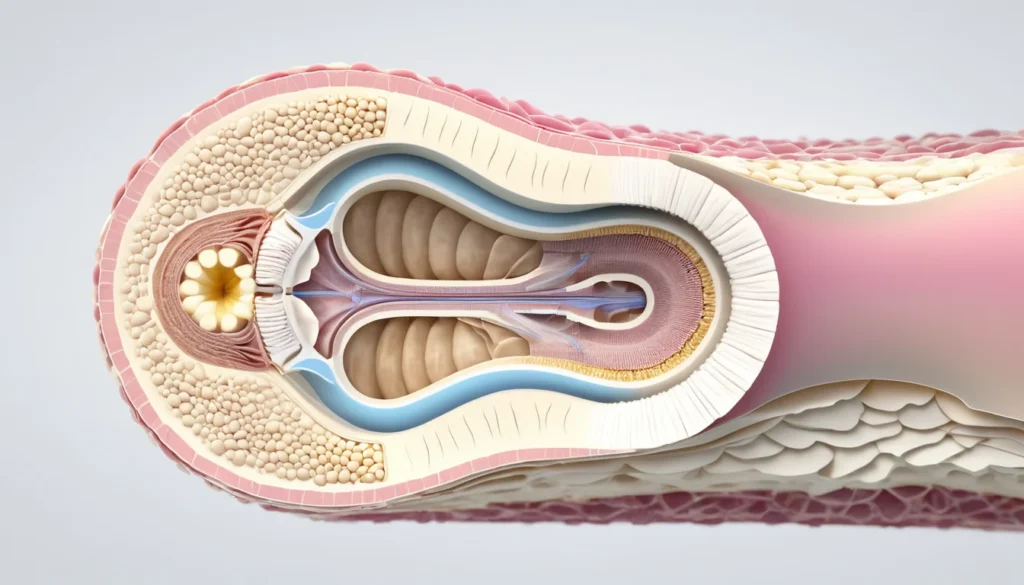
Tissue damage: The erectile tissue inside the penis contains small muscle fibres. When these are damaged, they cannot relax properly. As a result, the penis cannot fill with blood during arousal.
Blood vessel damage: Diabetes promotes atherosclerosis, which narrows the arteries. If the vessels supplying the penis are affected, getting an erection becomes difficult or impossible.
High blood pressure medications: Men with diabetes are more likely to develop high blood pressure. Some medications used to treat it — such as beta-blockers and certain diuretics — can contribute to erectile difficulties.
Blood Sugar Control and Sexual Health
Poor blood sugar control and smoking together create a much higher risk of complications, including erectile dysfunction. Keeping blood glucose levels within a healthy target range helps protect nerve and blood vessel function over time.
Many men with Type 2 diabetes experience only mild early symptoms — such as increased thirst or frequent urination — for years before receiving a diagnosis. Unfortunately, this does not mean the body is unaffected. A significant number of men already have some degree of erectile dysfunction at the time they are first diagnosed with diabetes.
This makes it especially important for men to pay attention to possible diabetes symptoms and see their family doctor promptly. Early diagnosis and good diabetes management can protect sexual health in the long run. You can learn more from Health Canada’s official health information resources.
Treatment Options for Men with Diabetes
There is no reason why diabetes must permanently end a man’s sex life. Once the problem is acknowledged and discussed with a doctor, effective treatment is available in most cases. Treatment decisions depend on several individual factors, including:
The specific cause of the erectile dysfunction
Other health conditions the person has
Medications already being taken
The patient’s personal preference
Many men start with oral medications. Sildenafil (Viagra), tadalafil (Cialis), and vardenafil (Levitra) have all been shown to be effective for men with diabetes in clinical studies. However, these medications may be slightly less effective in men with diabetes than in men without the condition. A doctor will discuss the benefits and limitations of each option. Never start or stop any medication without professional guidance.
Erectile Dysfunction and Cardiovascular Disease
Heart disease and erectile dysfunction are closely linked. Both conditions share the same root cause in many cases: reduced blood flow due to damaged or narrowed arteries. If atherosclerosis affects the vessels supplying the penis, erections become difficult long before more serious cardiac symptoms appear.
Concerns About Physical Activity and Sex After a Heart Event
Men who have had a heart attack — and their partners — sometimes worry that the physical effort of sex could trigger another cardiac event. This concern is understandable but often overstated. In general, the physical exertion of sex is roughly equivalent to climbing four flights of stairs at a moderate pace.
If a man can climb four flights of stairs without significant shortness of breath or palpitations, sexual activity is generally considered safe. However, it is always best to discuss this specifically with your cardiologist or family doctor before resuming sexual activity after a cardiac event.
Medications That Can Affect Erections
Several medications commonly prescribed for heart-related conditions can contribute to erectile difficulties. These include:
Beta-blockers
Thiazide diuretics
Clonidine (used for high blood pressure)
Some statins and fibrates (used to lower cholesterol) may have a minor effect in some men
If you suspect your medication is contributing to erectile dysfunction, do not stop taking it on your own. Speak with your doctor. There are often alternative medications or dosage adjustments that can help. The Mayo Clinic provides a thorough overview of erectile dysfunction causes and treatments that you may find helpful to review before your appointment.
Lifestyle Changes That Can Help
In many cases, simple lifestyle changes can significantly improve erectile function — especially when the cause is related to blood flow or overall health. Here are some evidence-based steps worth taking:
Quit smoking: Smoking damages blood vessels directly involved in erections. Quitting is one of the most impactful changes a man can make.
Limit alcohol: Heavy drinking is a well-established cause of erectile dysfunction. Reducing intake often leads to noticeable improvement.
Exercise regularly: Physical activity improves circulation, reduces blood pressure, and supports healthy testosterone levels.
Manage blood sugar: For men with diabetes, keeping glucose levels in range protects nerve and vascular health.
Maintain a healthy weight: Obesity is closely linked to both diabetes and cardiovascular disease — both major risk factors for erectile dysfunction.
Reduce stress: Practising relaxation techniques, getting enough sleep, and seeking support for mental health all contribute to sexual well-being.
According to Healthline’s guide on erectile dysfunction, lifestyle modifications are often recommended as a first-line approach, especially for younger men and those without a severe underlying condition.
When to See a Doctor
If erectile dysfunction is happening regularly, it is time to talk to a healthcare provider. You do not need a referral to start the conversation. Your family doctor is an excellent first point of contact. If you do not have a family doctor, most walk-in clinics across Canada can help with an initial assessment.
Your doctor will likely ask about your general health, any medications you take, your lifestyle habits, and the nature of the problem. Blood tests may be ordered to check for diabetes, hormone levels, cholesterol, and cardiovascular health markers.
Remember: this is a medical issue that doctors deal with regularly. Bringing it up is the hardest part for most men — but it is absolutely worth it. Early diagnosis of an underlying condition like diabetes or heart disease can protect your long-term health, not just your sexual health.
Provincial health plans across Canada cover many of the diagnostic tests related to erectile dysfunction, including bloodwork and specialist referrals when needed. Check with your provincial health authority for details on what is covered in your area.
Frequently Asked Questions
What is the most common cause of erectile dysfunction in men?
The most common physical cause of erectile dysfunction is reduced blood flow to the penis, often due to atherosclerosis or high blood pressure. Diabetes is also a leading cause, as it damages both nerves and blood vessels. Psychological factors such as stress and anxiety are common contributors as well.
Can erectile dysfunction be a sign of diabetes?
Yes, erectile dysfunction can be an early warning sign of undiagnosed diabetes. Many men with Type 2 diabetes already experience erectile difficulties by the time they receive their diagnosis. If you are having ongoing problems with erections, ask your doctor to check your blood sugar levels.
Is erectile dysfunction covered by provincial health plans in Canada?
Diagnostic tests related to erectile dysfunction — such as bloodwork and specialist referrals — are generally covered by provincial health plans. However, oral medications like Viagra or Cialis are typically not covered under provincial drug plans for most men, though private insurance plans may offer some coverage. Check with your province’s health authority for specifics.
Can lifestyle changes reverse erectile dysfunction?
In many cases, yes. Quitting smoking, reducing alcohol intake, exercising regularly, and managing conditions like diabetes or high blood pressure can significantly improve erectile function. Lifestyle changes are often recommended as a first step, especially when the cause is related to cardiovascular health or weight.
Are oral medications for erectile dysfunction safe for men with heart disease?
Oral medications for erectile dysfunction — such as sildenafil (Viagra) — are not safe for men who take nitrate medications for heart disease, as the combination can cause a dangerous drop in blood pressure. Always consult your doctor before taking any medication for erectile dysfunction, especially if you have a heart condition.
Where can I get help for erectile dysfunction in Canada?
The best starting point is your family doctor, who can assess your overall health and refer you to a specialist if needed. If you do not have a family doctor, a walk-in clinic can provide an initial evaluation. Most provinces also offer sexual health clinics and mental health resources that can support treatment.
Key Takeaways
Erectile dysfunction is a common medical condition with both physical and psychological causes.
Diabetes and cardiovascular disease are two of the most significant risk factors.
Poor blood sugar control and smoking dramatically increase the risk of complications.
Many medications for heart disease and high blood pressure can contribute to erectile difficulties — never stop taking them without talking to your doctor first.
Lifestyle changes such as quitting smoking, exercising, and managing weight can meaningfully improve symptoms.
Effective treatments are available for most men, including those with diabetes.
Your family doctor or a local walk-in clinic is the right first step — this is a conversation doctors are ready and equipped to have.
Always consult a qualified healthcare provider before starting any treatment for erectile dysfunction.