The Epstein-Barr virus (EBV) is one of the most common viruses in the world. It belongs to the herpesvirus family and is best known as the cause of infectious mononucleosis, often called “mono” or the “kissing disease.” In this article, you will learn what EBV is, how it spreads, what symptoms it causes, and how it is managed — all within the context of Canadian healthcare.
What Is the Epstein-Barr Virus?
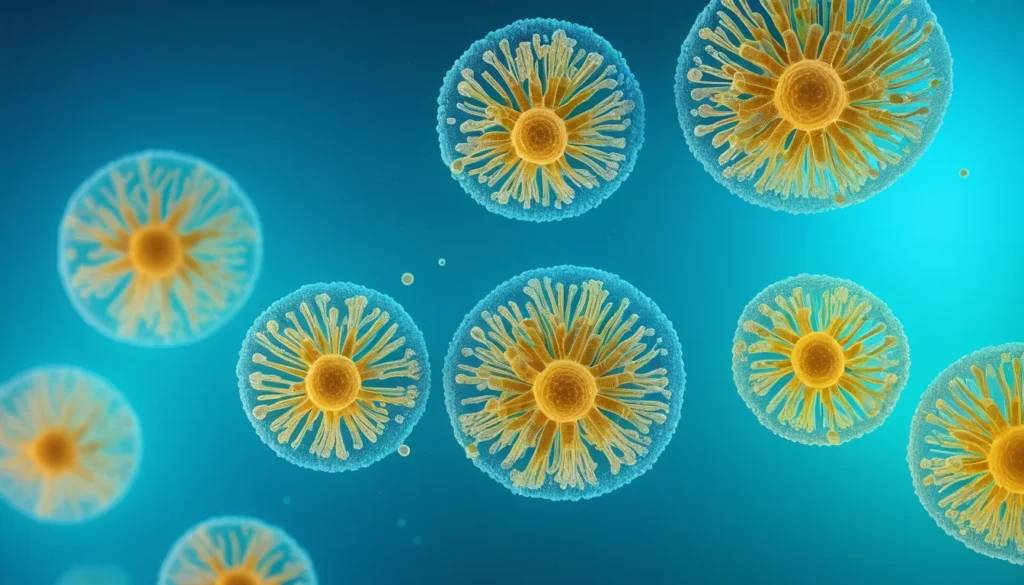
The Epstein-Barr virus is a DNA virus that belongs to the Herpesviridae family. Its full scientific name is Human Herpesvirus 4 (HHV-4). It was first identified in 1964 by scientists Michael Epstein and Yvonne Barr, which is how it got its name.
EBV is remarkably widespread. According to the World Health Organization, more than 90% of adults worldwide carry the virus. Most people are infected at some point in their lives, often during childhood, and many never know it.
Once you are infected, the virus stays in your body for life. It remains dormant (inactive) in certain white blood cells. In most healthy people, it never causes serious problems after the first infection.
How Does the Epstein-Barr Virus Spread?
The Epstein-Barr virus spreads primarily through saliva. This is why infectious mononucleosis is nicknamed the “kissing disease.” However, kissing is not the only way EBV passes from person to person.
Common Ways EBV Is Transmitted
Kissing or close contact with an infected person
Sharing utensils, cups, or water bottles
Coughing or sneezing near others
Blood transfusions (rare)
Organ transplants (rare)
In Canada, EBV infections are especially common among teenagers and young adults. Many children in daycare or school settings are exposed early, often without any noticeable symptoms. However, when teenagers or adults catch it for the first time, the illness tends to be more pronounced.
It is important to note that EBV is not as contagious as the common cold. Casual contact — such as shaking hands or sharing a workspace — rarely leads to transmission.
Symptoms of Epstein-Barr Virus Infection
When the Epstein-Barr virus causes infectious mononucleosis, a range of symptoms can appear. These symptoms usually develop four to six weeks after exposure. They can feel very similar to a bad case of the flu.
Most Common Symptoms
Extreme fatigue — often the most prominent symptom, lasting weeks
Sore throat — can be severe and is sometimes mistaken for strep throat
Fever — usually mild to moderate
Swollen lymph nodes — especially in the neck, armpits, or groin
Swollen tonsils — sometimes with a white coating
Headache
Skin rash — more likely if certain antibiotics are taken
Swollen spleen or liver — in some cases
In young children, EBV infection often causes no symptoms at all or very mild ones that resemble a common cold. As a result, many parents are unaware their child has been infected.
Fatigue is often the hardest symptom to shake. Some people feel tired for several weeks or even months after other symptoms have gone. This can affect school, work, and daily life significantly.
When Symptoms Become Serious
In rare cases, EBV can lead to complications. A swollen spleen may rupture if injured — this is a medical emergency. Furthermore, in people with weakened immune systems, EBV can cause more severe illness.
If you or your child develops severe abdominal pain, difficulty breathing, or sudden worsening of symptoms, seek emergency care immediately.
Diagnosing EBV in Canada
Your family doctor or a walk-in clinic physician can diagnose an Epstein-Barr virus infection. They will typically start with a physical examination and review your symptoms. In most provinces, diagnostic testing is covered under your provincial health plan.
Tests Used to Diagnose EBV
Monospot test — a quick blood test that detects antibodies associated with mono; results are available within minutes
EBV antibody blood tests — more specific tests that identify antibodies to EBV proteins; useful when the monospot test is negative
Complete blood count (CBC) — checks for elevated white blood cells, which are common with EBV infection
Liver function tests — ordered if liver involvement is suspected
It is worth noting that the monospot test can sometimes give a false negative result, especially in the first week of illness. Therefore, your doctor may repeat testing or order additional bloodwork if EBV is still suspected.
According to Mayo Clinic, EBV antibody tests are the most reliable way to confirm infection, especially in young children or atypical cases.
Treatment and Recovery
There is currently no specific antiviral treatment approved for the Epstein-Barr virus. Treatment focuses on managing symptoms and supporting your body while it fights the infection. The good news is that most healthy people recover fully.
How to Manage Symptoms at Home
Rest — your body needs time to recover; do not rush back to activities
Stay hydrated — drink plenty of water, herbal tea, or clear broth
Pain relievers — acetaminophen (Tylenol) or ibuprofen can help with fever and sore throat; always follow the recommended dose
Gargle with warm salt water — this can soothe a sore throat
Avoid alcohol — especially if your liver is affected
Aspirin should not be given to children or teenagers with a viral illness. It is linked to a rare but serious condition called Reye’s syndrome. Always check with your pharmacist or doctor before giving any medication to a child.
Activity Restrictions During Recovery
One of the most important precautions during EBV recovery involves protecting your spleen. A swollen spleen can rupture during physical contact or strenuous activity. Therefore, contact sports and heavy lifting should be avoided for at least three to four weeks after illness begins.
Your doctor will advise you on when it is safe to return to normal activities. In Canada, students may need a medical note for extended absences from school or university. Your family doctor can provide documentation to support this.
EBV and Its Link to Other Conditions
Beyond infectious mononucleosis, the Epstein-Barr virus has been linked to several other health conditions. Researchers continue to study these connections carefully. It is important to understand that having EBV does not mean you will develop these conditions.
Cancers Associated with EBV
EBV has been associated with certain types of cancer. These include Burkitt lymphoma, Hodgkin lymphoma, nasopharyngeal carcinoma, and some stomach cancers. However, these cancers are relatively rare, and most people infected with EBV never develop them.
Researchers believe that EBV may interact with other genetic and environmental factors to contribute to cancer development in some individuals. This remains an active area of medical research worldwide.
EBV and Autoimmune Disease
Some studies suggest a possible link between EBV and autoimmune conditions such as multiple sclerosis (MS) and lupus. In particular, a large 2022 study found a strong association between prior EBV infection and later development of MS. For more detail, you can visit Healthline’s overview of EBV and autoimmune disease.
These findings are significant, but researchers are careful to note that EBV alone does not cause MS or lupus. Many factors are involved, and most people with EBV will never develop an autoimmune disease.
Chronic Active EBV Infection
In very rare cases, EBV can cause a chronic active infection. This means the virus remains unusually active over a long period. Symptoms include persistent fever, fatigue, swollen lymph nodes, and liver problems. This condition is more common in Asia and requires specialist care.
Preventing EBV Infection
Currently, there is no approved vaccine for the Epstein-Barr virus in Canada. However, several practical steps can reduce the risk of spreading or catching EBV.
Do not share drinks, food utensils, or lip balm
Wash your hands regularly with soap and water
Avoid kissing someone who has active mono symptoms
Cover your mouth when coughing or sneezing
Stay home when you are sick to protect others
Because EBV is so widespread, complete prevention is not always possible. However, good hygiene habits reduce the risk of transmission and help protect people with weakened immune systems.
When to See a Doctor
You should visit your family doctor or a walk-in clinic if you or your child has a severe sore throat that does not improve within a week, extreme fatigue, swollen lymph nodes, or a high fever. These symptoms may point to an Epstein-Barr virus infection and should be properly assessed.
Seek emergency care right away if you experience sharp pain in the upper left abdomen, difficulty swallowing or breathing, or if you feel faint or confused. These can be signs of a ruptured spleen or a serious complication.
In Canada, most EBV testing and follow-up care is covered under provincial and territorial health plans. If you do not have a family doctor, a walk-in clinic is a good first step. You can also contact Health Canada or your provincial health authority for guidance on finding care near you. Always consult a qualified healthcare provider before drawing any health conclusions or starting any treatment.
Frequently Asked Questions About Epstein-Barr Virus
Is the Epstein-Barr virus the same as mono?
The Epstein-Barr virus is the most common cause of infectious mononucleosis (mono). However, not everyone infected with EBV will develop mono — many people, especially young children, experience no symptoms at all. EBV can also be associated with other conditions beyond mono.
Can the Epstein-Barr virus be cured?
There is no cure for the Epstein-Barr virus. Once infected, EBV stays in your body for life in a dormant state. However, most healthy people recover fully from the initial illness, and the virus rarely causes problems after that.
How long does Epstein-Barr virus last?
The acute illness caused by the Epstein-Barr virus typically lasts two to four weeks. However, fatigue can persist for several weeks or even months in some people. Full recovery is expected in most cases with proper rest and care.
Can EBV reactivate later in life?
Yes, the Epstein-Barr virus can reactivate, especially when the immune system is weakened. In healthy individuals, reactivation usually causes no noticeable symptoms. People undergoing chemotherapy, organ transplants, or living with HIV may be more vulnerable to reactivation and complications.
Is EBV contagious if you have no symptoms?
Yes, a person carrying the Epstein-Barr virus can shed the virus in their saliva even without any symptoms. This is one reason why EBV spreads so easily. Practising good hygiene and not sharing personal items can help reduce the risk of transmission.
Does EBV cause cancer?
The Epstein-Barr virus has been linked to certain rare cancers, including some types of lymphoma and nasopharyngeal cancer. However, the vast majority of people infected with EBV will never develop cancer. Researchers believe other genetic and environmental factors must also be present for EBV-related cancers to develop.
Key Takeaways
The Epstein-Barr virus (EBV) is a herpesvirus that infects more than 90% of people worldwide at some point in their lives. EBV is the primary cause of infectious mononucleosis (mono), which causes fatigue, sore throat, fever, and swollen lymph nodes. The virus spreads mainly through saliva — by kissing, sharing utensils, or close contact. There is no specific antiviral treatment; rest, hydration, and symptom relief are the main approaches to recovery. A swollen spleen during mono requires you to avoid contact sports and strenuous activity for several weeks. EBV has been linked to certain rare cancers and possibly some autoimmune diseases, though most people with EBV remain healthy.