Epididymitis is a condition where the epididymis — a small, coiled tube at the back of each testicle — becomes inflamed and swollen. It is one of the most common causes of scrotal pain in men and boys. Epididymitis can affect males of any age, though the causes often differ depending on age and sexual activity. This article explains what epididymitis is, what causes it, how it is diagnosed, and what treatment options are available to Canadians.
What Is Epididymitis?
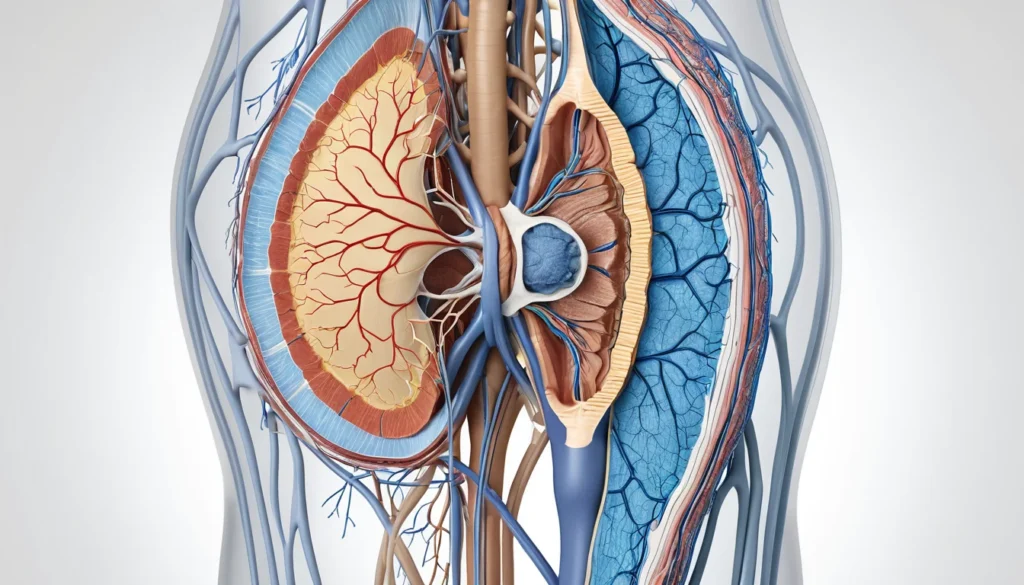
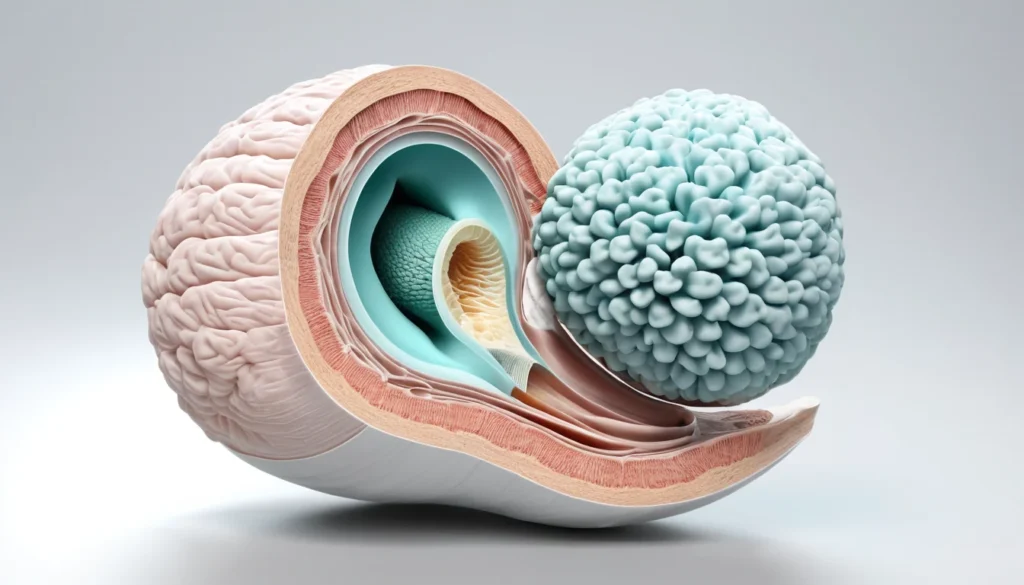
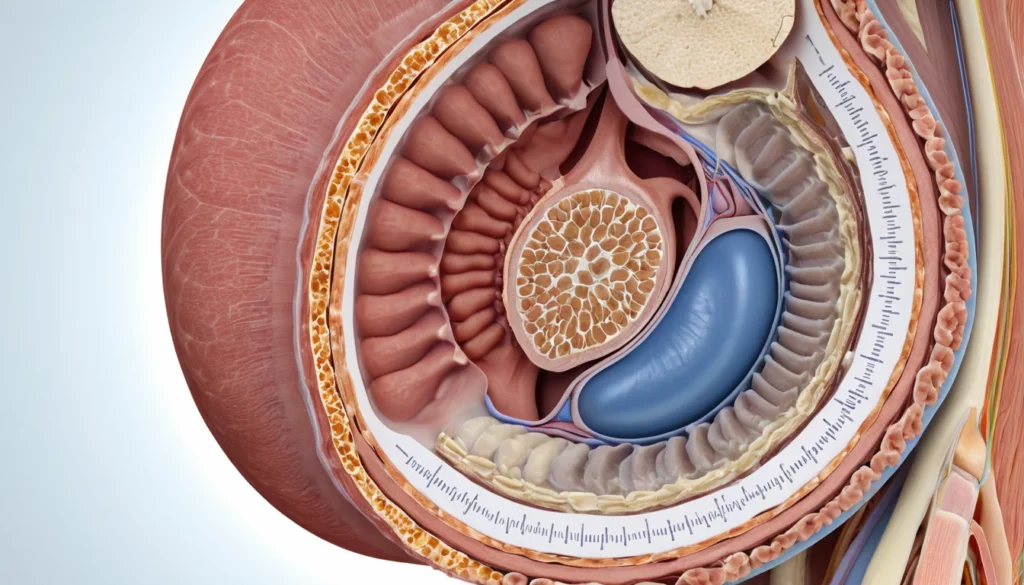
The epididymis is a long, tightly coiled tube that sits on top of and behind each testicle. Its job is to collect and store sperm produced by the testicles until ejaculation. When this tube becomes inflamed or infected, the condition is called epididymitis.
Epididymitis can develop quickly — known as acute epididymitis — or it can persist over a longer period, which is called chronic epididymitis. Both forms cause discomfort and require medical attention. In most cases, epididymitis is treatable, and most men recover fully with the right care.
According to Mayo Clinic’s overview of epididymitis, the condition most commonly affects men between the ages of 14 and 35, though it can occur at any age.
Common Causes of Epididymitis
The causes of epididymitis vary depending on a person’s age and behaviour. Understanding the cause helps your doctor choose the right treatment.
Sexually Transmitted Infections (STIs)
In sexually active young men, epididymitis is often linked to sexually transmitted infections (STIs). Chlamydia and gonorrhoea are the two most common STIs responsible. These bacterial infections can spread from the urethra or the prostate to the epididymis.
If you are sexually active and notice scrotal pain or discharge, it is important to get tested as soon as possible. Many STI testing services are covered under provincial health plans across Canada.
Urinary Tract Infections (UTIs)
In children and older men, epididymitis is more commonly linked to urinary tract infections (UTIs). Bacteria from the urinary tract can travel to the epididymis and cause infection. In older men, an enlarged prostate can block normal urine flow and increase the risk of both UTIs and epididymitis.
Other Bacterial Causes
Bacteria can sometimes spread from the rectal area or enter the urinary tract during a medical procedure, such as a catheterisation or a urological surgery. In these cases, bacteria travel through the vas deferens — the tube connecting the testicle to the urethra — and infect the epididymis.
Non-Bacterial Epididymitis
Not all cases of epididymitis are caused by bacteria. Non-bacterial epididymitis can result from an autoimmune reaction, certain medications such as amiodarone, or physical strain and injury. In these cases, there is no infection present, but the inflammation still causes pain and swelling.
Symptoms of Epididymitis
The symptoms of epididymitis tend to develop gradually, though they can sometimes appear suddenly. Recognising the symptoms early is important because prompt treatment leads to better outcomes.
The most common symptoms include:
Pain and tenderness in the scrotum — usually on one side, often starting at the back of the testicle
Swelling in the scrotum — the affected area may feel warm to the touch
Fever and chills — a sign that your body is fighting an infection
Frequent urination or painful urination — known as dysuria
Discharge from the penis — this may indicate an STI
Discomfort in the lower abdomen or pelvic area
Symptoms of epididymitis often worsen gradually over a few days. However, if you notice sudden, severe pain in the testicle, seek emergency care right away. Sudden severe pain can be a sign of a more serious condition called testicular torsion, which is a medical emergency.
How Is Epididymitis Diagnosed?
A doctor diagnoses epididymitis through a physical examination and a review of your medical history and symptoms. Your doctor will gently examine the scrotum and testicles to check for tenderness and swelling.
Tests Your Doctor May Order
In addition to the physical exam, your doctor may recommend several tests to confirm the diagnosis and find the cause. These may include:
Urine tests — a urinalysis and urine culture to check for a UTI or bacterial infection
Swab tests — a swab from the urethra or penis discharge to test for STIs such as chlamydia or gonorrhoea
Blood tests — to check for elevated white blood cell counts, which signal infection or inflammation
Scrotal ultrasound — an imaging test that checks blood flow in the testicles and helps rule out testicular torsion
A scrotal ultrasound is a particularly important test. Testicular torsion — a twisting of the testicle that cuts off its blood supply — requires emergency surgery. An ultrasound helps doctors tell the difference between torsion and epididymitis quickly. For more information on diagnostic standards, see Health Canada’s men’s health resources.
Treatment Options for Epididymitis
The good news is that epididymitis is very treatable. The right treatment depends on the underlying cause. Most men recover fully with a course of antibiotics and some supportive care at home.
Antibiotic Treatment
When epididymitis is caused by a bacterial infection or STI, antibiotics are the primary treatment. Your doctor will prescribe the appropriate antibiotic based on the likely cause. It is essential to complete the full course of antibiotics, even if your symptoms improve early.
If an STI is the cause, your sexual partner should also be tested and treated. This prevents reinfection and protects your partner’s health. Many provinces offer free or low-cost STI testing at public health clinics and walk-in centres.
Supportive Care at Home
In addition to antibiotics, your doctor may recommend several home care measures to ease discomfort. These include:
Rest — avoid heavy lifting and strenuous activity until symptoms improve
Scrotal support — wearing supportive underwear can reduce pain and swelling
Cold packs — applying an ice pack wrapped in a cloth to the scrotum can help reduce swelling
Anti-inflammatory medication — over-the-counter medicines such as ibuprofen can relieve pain and reduce inflammation
Furthermore, avoid sexual contact until both you and your partner have completed treatment and your doctor has confirmed the infection is cleared. This is an important step to prevent passing the infection to others.
Treatment for Non-Bacterial Epididymitis
If no bacterial infection is found, your doctor will focus on managing the inflammation and pain. Anti-inflammatory medications are the main treatment in these cases. Your doctor may also investigate other potential triggers, such as medication side effects or autoimmune conditions.
According to Healthline’s guide on epididymitis, most cases of acute epididymitis resolve within one to three weeks with proper treatment.
When to See a Doctor
You should see a doctor as soon as you notice scrotal pain, swelling, or tenderness. Do not wait to see if symptoms go away on their own. Untreated epididymitis can lead to serious complications, including abscess formation, reduced fertility, or the spread of infection.
In Canada, you have several options for getting care quickly:
Your family doctor — the best first point of contact for assessment and testing
A walk-in clinic — if your family doctor is not available, a walk-in clinic can assess and treat most cases of epididymitis
A public health or sexual health clinic — ideal for STI testing and treatment, often covered by your provincial health plan
Emergency room — go immediately if you experience sudden, severe testicular pain, as this could be testicular torsion, which is a surgical emergency
If you are unsure whether your symptoms need urgent attention, call 811 (Health811 in Ontario, 8-1-1 in most other provinces) to speak with a registered nurse any time of day or night. Always consult a qualified healthcare provider for a proper diagnosis and personalised treatment plan.
Frequently Asked Questions About Epididymitis
Is epididymitis a serious condition?
Epididymitis is a serious condition that requires prompt medical treatment, but most men recover fully with antibiotics and rest. If left untreated, epididymitis can lead to complications such as abscess, chronic pain, or reduced fertility. Seeking care early is the best way to prevent long-term problems.
Can epididymitis go away on its own without treatment?
Epididymitis caused by a bacterial infection will not go away on its own and requires antibiotics to clear the infection. Waiting too long to seek treatment increases the risk of complications. Always see a doctor if you suspect you have epididymitis.
How long does epididymitis take to heal?
Most cases of acute epididymitis improve within one to three weeks with proper antibiotic treatment and rest. Pain and swelling usually begin to ease within a few days of starting antibiotics. Chronic epididymitis may take longer to resolve and might need additional investigation.
Is epididymitis always caused by an STI?
No — epididymitis is not always caused by a sexually transmitted infection. In children and older men, it is more often linked to urinary tract infections or an enlarged prostate. Non-bacterial epididymitis can also occur without any infection at all.
Can epididymitis affect fertility?
In some cases, untreated or recurring epididymitis can cause scarring in the epididymis, which may affect sperm transport and fertility. However, most men who receive timely treatment for epididymitis do not experience lasting fertility problems. If you have concerns about fertility, discuss them with your doctor.
Does epididymitis require a visit to a specialist?
Most cases of epididymitis can be diagnosed and treated by a family doctor or at a walk-in clinic without a specialist referral. However, if symptoms do not improve with treatment, if complications arise, or if the cause is unclear, your doctor may refer you to a urologist. In Canada, referrals to specialists are covered under most provincial health plans.
Key Takeaways
Epididymitis is inflammation of the epididymis, the coiled tube behind each testicle, and is a common cause of scrotal pain in men.
The most common causes are sexually transmitted infections (in younger men) and urinary tract infections (in children and older men).
Key symptoms include scrotal pain, swelling, tenderness, fever, and painful urination.
Diagnosis involves a physical exam, urine and swab tests, blood work, and possibly a scrotal ultrasound to rule out testicular torsion.
Antibiotics are the main treatment for bacterial epididymitis; supportive care such as rest, scrotal support, and anti-inflammatory medication also helps.
If an STI is the cause, both partners must be tested and treated to prevent reinfection.
Sudden, severe testicular pain is a medical emergency — go to the nearest emergency room immediately.
In Canada, you can access care through your family doctor, a walk-in clinic, or a public sexual health clinic — many services are covered under your provincial health plan.
Always speak with a qualified healthcare provider for a proper diagnosis and treatment plan tailored to your situation.