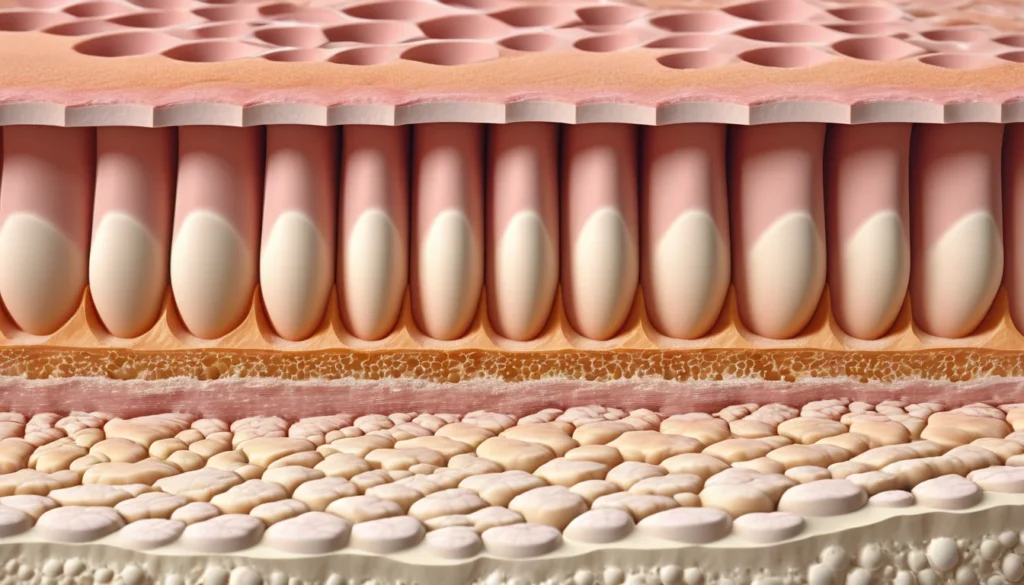
The epidermis is the outermost layer of your skin. It acts as your body’s first line of defence against the outside world. This thin but powerful layer protects you from water loss, physical injury, chemicals, and harmful microbes. In this article, we explain how the epidermis works, what its layers do, and why keeping it healthy matters for your overall wellbeing.
What Is the Epidermis?
The epidermis is the top layer of skin that you can see and touch. Below it sits the dermis, and beneath that is the deeper subcutaneous tissue. Together, these layers make up your skin — the body’s largest organ.
The epidermis is remarkably thin. On most parts of your body, it is less than a millimetre thick. However, on high-pressure areas like the soles of your feet, it can be significantly thicker.
Your skin does a great deal of work every day. According to Health Canada, the skin plays a critical role in protecting the body from environmental hazards, regulating temperature, and supporting immune function. The epidermis is central to all of these roles.
The Layers of the Epidermis Explained
The epidermis is not a single flat sheet. It is made up of several distinct layers, each with its own job. These layers work together to keep your body safe and your skin healthy.
Understanding these layers helps explain why skin behaves the way it does — why it peels after a sunburn, why calluses form, and why cuts usually heal on their own.
The Basal Layer (Stratum Basale)
The basal layer sits at the very bottom of the epidermis, directly on top of the dermis below it. This is where new skin cells are born. These cells, called keratinocytes, divide and multiply constantly.
As new cells form, they push older cells upward toward the surface. This process keeps the skin renewing itself throughout your life. In healthy adults, the skin replaces itself roughly every 28 to 40 days.
The Spinous and Granular Layers
As cells move up from the basal layer, they pass through the spinous layer (stratum spinosum) and the granular layer (stratum granulosum). These layers are sometimes called the Malpighian layer, after the scientist who first described them.
In these middle layers, cells begin to fill with keratin. Keratin is a tough, fibrous protein that gives skin its strength and water resistance. The further up the cell travels, the more keratin it contains.
Furthermore, the granular layer is where cells start to flatten and lose their nucleus. They are preparing to become the hard, protective surface cells that cover the outside of your body.
The Cornified Layer (Stratum Corneum)
The stratum corneum is the outermost layer of the epidermis — the part you can actually see. It is made up of dead, flattened cells packed tightly with keratin. This layer is extremely rich in keratin compared to the deeper layers.
These dead cells form a tough, waterproof shield. They protect living cells underneath from drying out, from chemicals, and from physical damage. However, they do not stay there forever.
Over time, the outermost cells shed in a process called desquamation. This simply means that dead skin cells flake off in very fine, almost invisible layers. As they fall away, fresh cells from below take their place. This natural shedding cycle keeps your skin surface clean and functional.
The Key Functions of the Epidermis
The epidermis serves several important functions that go far beyond simply covering the body. Each function plays a direct role in keeping you healthy.
Physical Protection
The epidermis acts as a tough physical barrier. Its keratin-rich outer layer resists scratches, minor cuts, and abrasions. It shields deeper tissues from everyday mechanical stress.
For example, when you grip a tool repeatedly, the epidermis responds by thickening. This forms a callus — a natural way the skin protects itself from repeated friction.
Water Resistance and Moisture Retention
Keratin makes the epidermis largely waterproof. This works in two important directions. First, it keeps water in your body from escaping through the skin. Second, it stops external water and water-based chemicals from soaking through.
Without this barrier, your body would lose moisture rapidly. Therefore, the epidermis is essential for hydration and overall fluid balance. Mayo Clinic explains how the skin barrier protects the body from fluid loss and environmental damage.
Immune Defence
The epidermis also plays a role in your immune system. Special cells called Langerhans cells live within the epidermis. These cells detect foreign invaders like bacteria, viruses, and allergens.
When they identify a threat, they alert the immune system to respond. As a result, the epidermis acts as an early warning system for your body’s defences. This immune function is just as important as its physical barrier role.
Skin Colour and UV Protection
The epidermis contains cells called melanocytes. These cells produce melanin, the pigment that gives skin, hair, and eyes their colour. Melanin also helps protect the skin from ultraviolet (UV) radiation from the sun.
When your skin is exposed to sunlight, melanocytes produce more melanin. This is why skin tans after sun exposure. In addition, melanin absorbs UV rays, reducing the risk of DNA damage in deeper skin cells.
However, melanin does not fully block UV radiation. Wearing sunscreen and protective clothing remains important for everyone, regardless of skin colour.
How the Epidermis Renews Itself
One of the most remarkable things about the epidermis is its ability to constantly renew itself. This process is called epidermal turnover, and it never stops throughout your lifetime.
New cells are produced in the basal layer. They slowly migrate upward over several weeks. By the time they reach the surface, they are flat, dead, and full of keratin. Then they shed, and the cycle begins again.
In healthy adults, this cycle takes about four to six weeks. However, certain conditions can disrupt this rhythm. For example, in psoriasis, the turnover cycle speeds up dramatically — happening in just a few days instead of weeks. This causes the thick, scaly patches associated with that condition.
In contrast, as we age, the turnover cycle slows down. Skin takes longer to renew itself. This contributes to the duller, drier appearance of older skin. It also means that wounds heal more slowly in older adults.
Common Conditions That Affect the Epidermis
Many everyday skin conditions involve the epidermis directly. Recognising these conditions can help you decide when to seek care.
Eczema (Atopic Dermatitis)
Eczema is a common condition where the skin barrier in the epidermis does not function properly. The skin becomes dry, itchy, and inflamed. It is especially common in children, though it affects adults too.
When the epidermal barrier is weakened, irritants and allergens can get through more easily. This triggers immune reactions and worsens inflammation. Managing eczema often involves moisturising regularly to support the skin barrier. Healthline offers a detailed overview of skin layers and related conditions.
Psoriasis
Psoriasis is an autoimmune condition that speeds up epidermal cell turnover. Cells pile up on the surface faster than they can shed. This causes thick, raised, scaly patches — most often on the elbows, knees, and scalp.
Psoriasis affects about one million Canadians. It is a chronic condition, but many effective treatments are available through your family doctor or dermatologist.
Sunburn and UV Damage
Sunburn happens when UV radiation damages cells in the epidermis. Mild sunburn causes redness and peeling — the epidermis shedding damaged cells. Repeated UV damage over years can increase the risk of skin cancer.
In Canada, even on cloudy days, UV radiation can be strong enough to cause damage. Checking the UV index on the Health Canada website is a simple habit that can protect your skin year-round.
Skin Infections
When the epidermis is broken — by a cut, a burn, or a rash — bacteria and fungi can enter more easily. Common infections like impetigo, athlete’s foot, and ringworm all begin in or near the epidermis.
Keeping skin clean and moisturised helps maintain the epidermal barrier. This reduces the risk of infection in everyday life.
How to Keep Your Epidermis Healthy
Taking care of your epidermis does not require expensive products or complicated routines. Simple, consistent habits make the biggest difference.
Moisturise regularly: Applying a fragrance-free moisturiser after bathing helps lock water into the skin and supports the barrier function.
Use sunscreen: Apply broad-spectrum SPF 30 or higher sunscreen whenever you spend time outdoors, even in winter or on overcast days.
Stay hydrated: Drinking enough water each day supports skin health from the inside out.
Eat a balanced diet: Foods rich in vitamins A, C, and E, as well as healthy fats and fibre, support skin cell renewal and repair.
Avoid harsh soaps: Strong detergents and very hot water can strip the natural oils that protect the epidermal barrier. Choose gentle, pH-balanced cleansers.
Do not smoke: Smoking reduces blood flow to the skin and slows epidermal cell renewal, causing premature ageing and slower wound healing.
Manage stress: Chronic stress can worsen conditions like eczema and psoriasis by triggering immune responses that affect the epidermis.
These steps are simple but powerful. In addition, wearing protective clothing and gloves when handling chemicals or doing physical work helps prevent epidermal damage before it starts.
When to See a Doctor
Most minor skin issues — a small cut, mild dryness, or a brief rash — resolve on their own with basic care. However, some changes to the epidermis deserve professional attention.
You should visit your family doctor or a walk-in clinic if you notice any of the following:
A rash that spreads rapidly or does not improve within a week
Skin that is persistently dry, cracked, or bleeding despite moisturising
A mole or skin spot that changes in size, shape, or colour
Wounds or sores that are slow to heal
Signs of infection such as redness, warmth, swelling, or pus
Itching that is severe or disrupts your sleep
In Canada, your provincial health plan covers visits to family doctors for skin concerns. If you do not have a family doctor, walk-in clinics across the country can assess and treat most common skin conditions. For complex or persistent issues, your doctor may refer you to a dermatologist.
It is always a good idea to consult a healthcare professional before starting any new treatment for a skin condition, even an over-the-counter product. A doctor can confirm the cause and recommend the most appropriate care for your situation.
Frequently Asked Questions About the Epidermis
What is the epidermis and what does it do?
The epidermis is the outermost layer of your skin. It acts as a protective barrier between your body and the environment, keeping moisture in and harmful substances out. It also plays a role in immune defence and gives skin its colour through melanin-producing cells.
How many layers does the epidermis have?
The epidermis has five layers in most areas of the body: the stratum basale, stratum spinosum, stratum granulosum, stratum lucidum (found mainly on the palms and soles), and stratum corneum. Each layer has a different role in producing, maturing, and shedding skin cells.
How long does it take for the epidermis to renew itself?
In healthy adults, the epidermis renews itself approximately every four to six weeks. New cells form in the deepest layer, gradually move to the surface, and then shed. This cycle slows with age, which is why skin can look duller and takes longer to heal as we get older.
What happens when the epidermis is damaged?
When the epidermis is damaged by injury, sun exposure, or a skin condition, its barrier function is weakened. This allows moisture to escape and makes it easier for bacteria, allergens, and irritants to enter. The body responds by triggering repair processes, but repeated damage can lead to chronic skin conditions or scarring.
What is keratin and why is it important in the epidermis?
Keratin is a tough, fibrous protein that fills skin cells as they mature within the epidermis. It makes the outer skin layer waterproof, flexible, and resistant to physical and chemical damage. Without keratin, the skin would not be able to protect the body effectively from everyday environmental stresses.
Can epidermis problems be a sign of a more serious condition?
Yes, changes in the epidermis can sometimes point to underlying health issues. Conditions like