Endometrial cancer is one of the most common cancers affecting the uterus in Canadian women. It starts when cells lining the inside of the uterus — called the endometrium — begin to grow rapidly and without control. The good news is that most women are diagnosed early, and up to 93% of those cases are considered cured five years after treatment. This article explains what endometrial cancer is, who is at risk, what symptoms to watch for, and when to talk to your doctor.
What Is Endometrial Cancer?
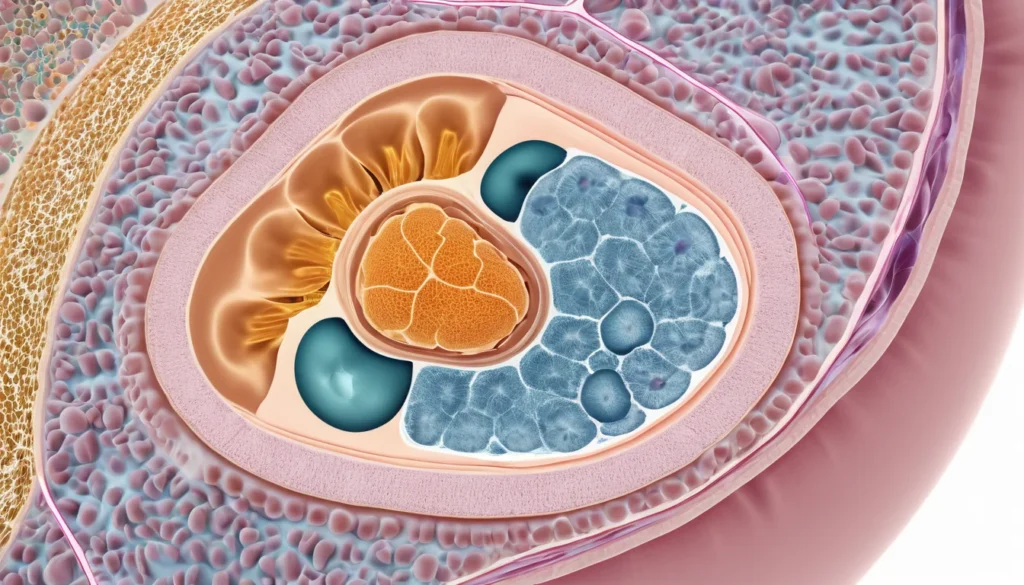
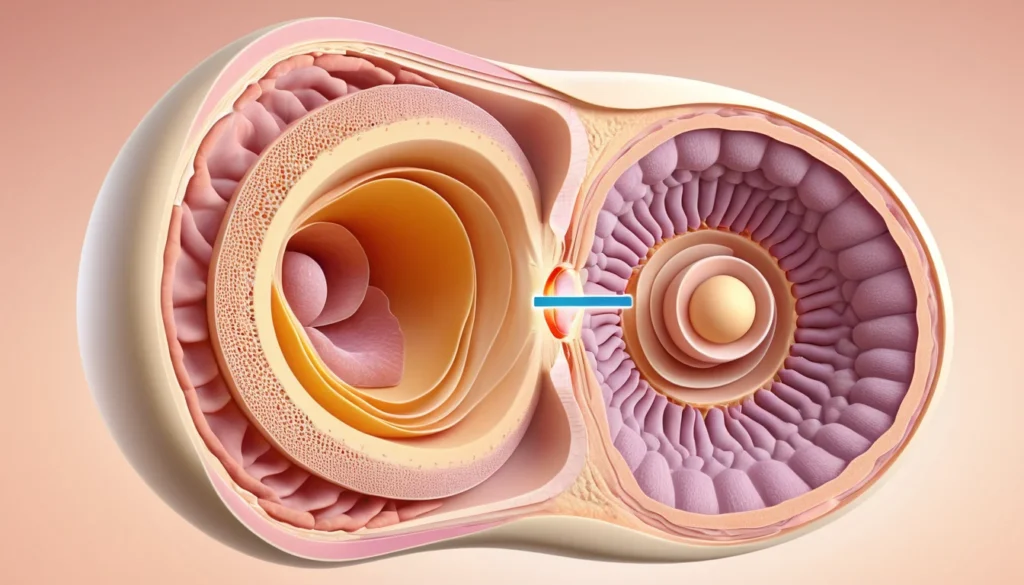
The uterus is a hollow, pear-shaped organ in a woman’s body. It is where a baby grows during pregnancy. The endometrium is the inner lining of the uterus. Endometrial cancer happens when cells in that lining grow out of control and form a mass of tissue.
As the cancer grows, pieces of that tissue can pass through the cervix into the vagina. This is often what causes abnormal bleeding. In fact, abnormal bleeding occurs in about 90% of women with this type of cancer.
Endometrial cancer is not the same as uterine sarcoma, which is a much rarer type of uterine cancer. However, endometrial cancer is by far the most common cancer of the uterus.
What Causes Endometrial Cancer?
The exact causes of endometrial cancer are not fully understood. However, a hormone imbalance appears to play a major role. Specifically, too much estrogen without enough progesterone to balance it out is strongly linked to this cancer.
Estrogen and progesterone are hormones that regulate the menstrual cycle. When estrogen levels stay high over many years without progesterone to counteract them, the lining of the uterus can thicken too much. Over time, this may lead to abnormal cell growth.
For more background on how hormones affect women’s health, visit Health Canada’s women’s health resources.
Risk Factors for Endometrial Cancer
Several factors can raise a woman’s chances of developing endometrial cancer. Understanding these risks can help you have an informed conversation with your family doctor or gynecologist.
Hormonal and Reproductive Risk Factors
Starting menstruation before age 12
Reaching menopause after age 55
Never having been pregnant
Never having breastfed
Using hormone replacement therapy (HRT) with estrogen only, without progesterone
Having polycystic ovary syndrome (PCOS)
These situations all result in longer exposure to estrogen without the balancing effect of progesterone. As a result, the risk of abnormal cell growth in the uterine lining increases over time.
Other Risk Factors
Age over 50: Endometrial cancer is much more common after menopause.
Obesity: Fat cells produce estrogen. The more fat tissue in the body, the more estrogen is made.
Diabetes and high blood pressure: Both conditions are associated with a higher risk.
Personal history of cancer: Women who have had breast, ovarian, or colon cancer face a higher risk.
Family history: A family history of endometrial cancer or hereditary non-polyposis colorectal cancer (HNPCC) raises the risk. Women with a high risk of HNPCC are often advised to have annual endometrial biopsies starting at age 35.
Tamoxifen use: This breast cancer medication can act like estrogen in the uterus. If you take tamoxifen, annual pelvic exams are important. Always follow your oncologist’s guidance — the benefit for breast cancer usually outweighs the uterine risk.
Previous pelvic radiation therapy: Past radiation treatment to the pelvic area can increase risk.
Endometrial hyperplasia: This is an abnormal thickening of the uterine lining that can sometimes turn into cancer.
How to Lower Your Risk
While you cannot change some risk factors, there are steps you can take to help reduce your risk of endometrial cancer. Many of these are simple lifestyle changes.
Lifestyle Choices That May Help
Maintain a healthy weight: Reducing excess body fat lowers estrogen production from fat cells.
Stay physically active: Regular exercise supports hormone balance and a healthy weight.
Eat a healthy diet: A diet rich in fruits, vegetables, fibre, and phytoestrogens (found in soy) may be protective. Reducing animal fats is also recommended.
Hormonal Considerations
If you need contraception, combined oral contraceptives — those containing both estrogen and progesterone — used for more than one year may reduce your risk. Similarly, if you use HRT for menopause symptoms, a combination of estrogen and progesterone is safer than estrogen alone. Talk to your family doctor or walk-in clinic about what is right for your situation.
Women who have had a hysterectomy (surgical removal of the uterus) have no risk of developing endometrial cancer, since the uterus and its lining no longer exist.
Symptoms of Endometrial Cancer
Knowing the symptoms of endometrial cancer can help you catch it early. Early detection greatly improves outcomes.
Early Warning Signs
The most common early symptom is abnormal vaginal bleeding after menopause. This should never be ignored. Up to 20% of women with post-menopausal bleeding may have endometrial cancer.
Abnormal or irregular bleeding in women over 35 who have not yet reached menopause can also be a warning sign. In some cases, an unusual vaginal discharge — even without blood — may be an early symptom.
Symptoms of More Advanced Cancer
As endometrial cancer progresses, additional symptoms may appear:
Difficult or painful urination
Pain during sexual intercourse
Pelvic pain or pressure
A lump or mass in the pelvic area
Unexplained weight loss
It is important to note that these symptoms can also be caused by other conditions. For example, cervical cancer and dysfunctional uterine bleeding share some of the same signs. Therefore, only a medical evaluation can determine the actual cause.
For a comprehensive overview of symptoms, see this guide from the Mayo Clinic on endometrial cancer symptoms and causes.
How Endometrial Cancer Spreads and Is Staged
When endometrial cancer is left untreated, it can spread beyond the uterus. It may move into the deeper tissue surrounding the uterus, the lymph nodes, and other pelvic organs. In advanced stages, it can reach the lungs, liver, or bones.
The most common sites where endometrial cancer spreads include the vagina, lungs, and the abdominal cavity.
How Doctors Determine the Stage
Staging describes how far the cancer has spread. Doctors determine the stage using a combination of:
Endometrial biopsy
Blood tests
Bone scans
X-rays and imaging
The stage of the cancer is one of the most important factors in choosing the right treatment. It also affects the prognosis — meaning the long-term outlook for the patient. Earlier stages have much better outcomes. This is why early detection matters so much.
Learn more about cancer staging and treatment options at the World Health Organization’s cancer fact sheet.
When to See a Doctor
Do not wait if you notice unusual symptoms. Book an appointment with your family doctor as soon as possible if you experience any of the following:
Any vaginal bleeding after menopause — even spotting
Unusual vaginal discharge
Painful or difficult urination
Pain during sex
Persistent pelvic pain
Irregular bleeding that continues for three months or more while on hormone replacement therapy
If you do not have a family doctor, a walk-in clinic can assess your symptoms and refer you to a gynecologist or specialist. Most provincial health plans in Canada cover these visits at no direct cost to you. Acting quickly gives you the best chance of catching endometrial cancer at an early, treatable stage.
Always speak with a qualified healthcare provider for a proper diagnosis and personalized medical advice. The information in this article is for educational purposes only.
Frequently Asked Questions
What are the first signs of endometrial cancer?
The most common first sign of endometrial cancer is abnormal vaginal bleeding, especially after menopause. Unusual vaginal discharge or irregular bleeding in women over 35 can also be early warning signs. If you notice any of these symptoms, see your family doctor promptly.
Is endometrial cancer curable?
Yes, endometrial cancer is highly treatable when caught early. Up to 93% of women diagnosed in the early stages are considered cancer-free five years after treatment. Early detection is the most important factor in a positive outcome.
Who is most at risk for endometrial cancer?
Women over age 50 who have gone through menopause are at the highest risk for endometrial cancer. Other major risk factors include obesity, long-term estrogen exposure without progesterone, a family history of the disease, and conditions like diabetes or high blood pressure.
Can endometrial cancer be prevented?
There is no guaranteed way to prevent endometrial cancer, but certain steps can reduce your risk. Maintaining a healthy weight, staying active, eating a diet rich in fibre and vegetables, and using combined hormone therapy (estrogen plus progesterone) instead of estrogen alone all help lower the risk.
Does endometrial cancer affect younger women?
Endometrial cancer is less common in younger women, but it can occur. Women under 50 with irregular or prolonged bleeding, polycystic ovary syndrome, or a strong family history of the disease should speak to their doctor. Early evaluation is always worthwhile if symptoms are present.
How is endometrial cancer diagnosed in Canada?
In Canada, endometrial cancer is typically diagnosed through an endometrial biopsy, where a small sample of uterine lining tissue is examined. Your family doctor or gynecologist may also order blood tests, ultrasounds, or imaging scans. Most diagnostic procedures are covered under provincial health plans.
Key Takeaways
Endometrial cancer starts in the lining of the uterus and is the most common uterine cancer in Canada.
Most cases are diagnosed early and have excellent survival rates — up to 93% at five years.
The biggest risk factor is prolonged estrogen exposure without progesterone to balance it.
Abnormal vaginal bleeding — especially after menopause — is the most important warning sign.
Healthy lifestyle choices, including a balanced diet rich in fibre, regular exercise, and healthy weight management, can lower your risk.
If you notice unusual bleeding or pelvic symptoms, contact your family doctor or visit a walk-in clinic. Most provincial health plans cover the care you need.
Early action leads to the best outcomes. Do not delay seeking medical advice.