Endometrial cancer screening refers to tests done before any symptoms appear, with the goal of finding cancer early — when it is easiest to treat. Endometrial cancer is the most common cancer of the female reproductive system. Understanding your risk factors and the available screening options can help you have a more informed conversation with your family doctor or gynaecologist.
What Is Endometrial Cancer?
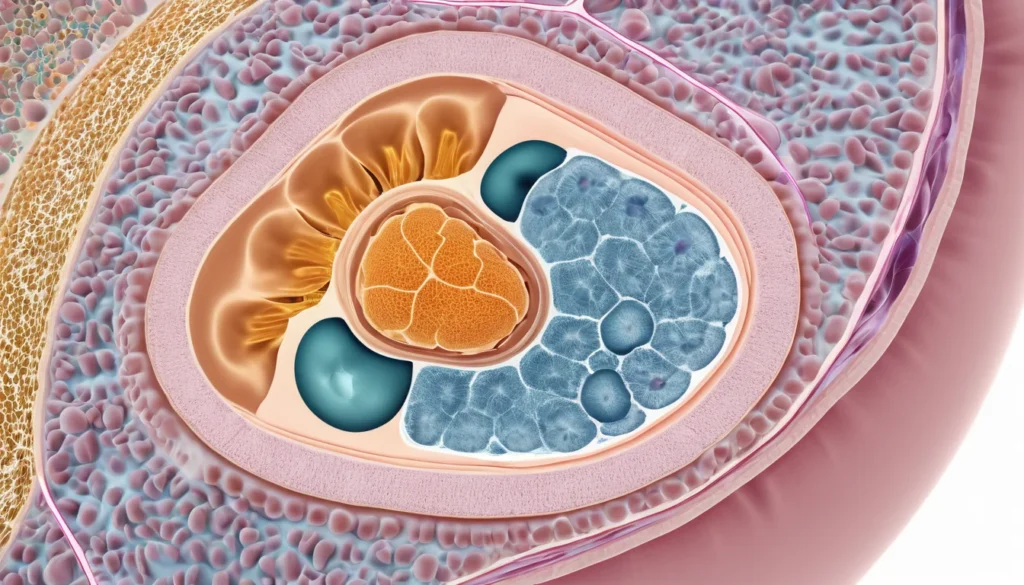
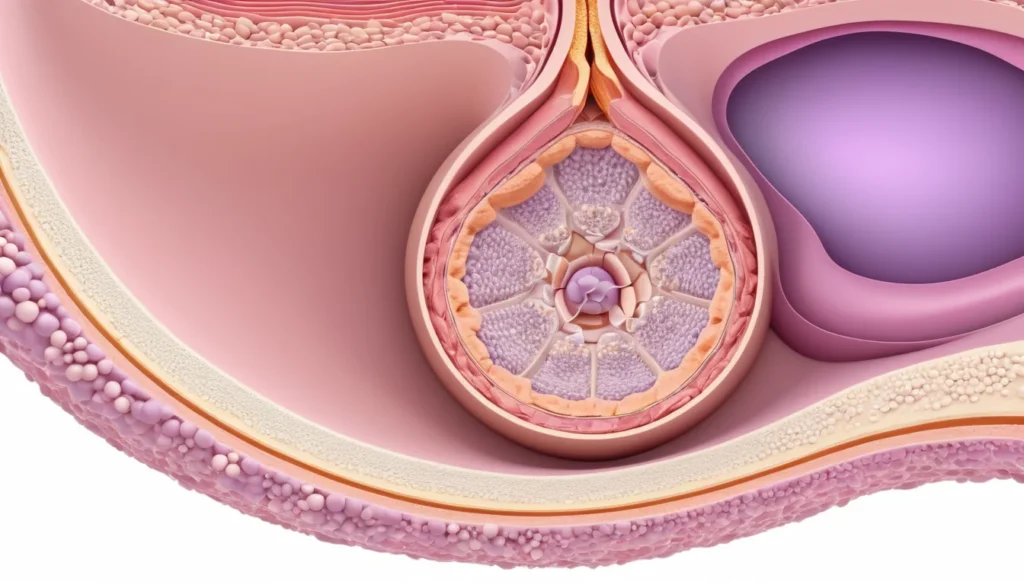
Endometrial cancer is a cancer that starts in the endometrium. The endometrium is the thin layer of tissue that lines the inside of the uterus.
The uterus is a hollow, muscular organ in the pelvis. It is where a baby grows during pregnancy. In women who are not pregnant, the uterus is roughly 6 centimetres long.
It is important to know that endometrial cancer is different from uterine sarcoma. Uterine sarcoma is cancer that starts in the muscle of the uterus, not the lining. These are two separate conditions with different treatments.
Why Endometrial Cancer Screening Matters
Screening means getting tested for cancer before you feel sick. When doctors find cancer early, it is much easier to treat. However, when symptoms appear, cancer is often already at an advanced stage.
Researchers study how often different cancers occur in the population. They also look at lifestyle and environmental risk factors. This information helps doctors decide who should be tested, what tests to use, and how often those tests should be repeated.
It is important to understand that getting a screening test does not mean you have cancer. A positive result simply means more follow-up is needed. Your family doctor or a specialist will guide you through the next steps.
Risk Factors for Endometrial Cancer
A risk factor is anything that raises your chance of developing a disease. Having one or more risk factors does not mean you will get cancer. However, knowing your risk factors helps you and your doctor make better decisions about screening and prevention.
Hormonal and Reproductive Risk Factors
Certain hormonal patterns increase the risk of endometrial cancer. For example, starting your period at a very young age or reaching menopause later in life may raise your risk. Women who have never given birth also have a somewhat higher risk.
Contraceptives that contain only estrogen — without progesterone — may also increase risk. However, combined contraceptives that include progesterone do not appear to carry the same risk. Always speak with your doctor before changing any medication.
Medications and Medical Conditions
Tamoxifen is a drug used to prevent or treat breast cancer. However, it is also linked to a higher risk of endometrial cancer. If you take tamoxifen, your doctor will likely monitor you more closely.
Being overweight is another known risk factor. A diet high in saturated fat may also contribute. In addition, women who carry inherited gene changes linked to hereditary non-polyposis colorectal cancer (HNPCC) — also called Lynch syndrome — face a higher risk of endometrial cancer.
According to Health Canada, maintaining a healthy body weight and speaking regularly with your family doctor about your personal risk factors are important steps in cancer prevention.
Endometrial Cancer Screening Tests Currently Being Studied
At this time, there is no standard or routine endometrial cancer screening test recommended for all women. Researchers are still studying which tests work best and have the fewest risks. However, several tests are used when doctors have reason to investigate further.
The Pap Test (Papanicolaou Test)
The Pap test — also called a Pap smear or cervical screening — collects cells from the vagina and cervix using a small brush or spatula. A laboratory specialist then examines these cells under a microscope to look for abnormal changes.
The Pap test is a well-known tool for detecting cervical cancer. It sometimes picks up endometrial abnormalities as well. However, it is not considered a reliable screening test specifically for endometrial cancer. Your doctor can explain what your Pap results mean for your overall health.
For more information on cervical and uterine cancer screening guidelines, visit the Mayo Clinic’s endometrial cancer overview.
Transvaginal Ultrasound
A transvaginal ultrasound uses high-energy sound waves to create images of the uterus, fallopian tubes, and bladder. A small probe is gently inserted into the vagina to capture these images. The procedure is generally quick and not painful for most women.
The images produced — called sonograms — can help doctors identify tumours or unusual thickening of the uterine lining. This test is most often recommended when a woman experiences abnormal vaginal bleeding. It is not currently used as a routine screening tool for all women.
Endometrial Biopsy
An endometrial biopsy involves removing a small sample of tissue from the lining of the uterus. The doctor guides a thin, flexible tube through the cervix and into the uterus. The tube gently scrapes and collects a small piece of endometrial tissue.
A pathologist then examines the tissue sample under a microscope to look for cancer cells. This test is also typically done when abnormal vaginal bleeding is present. It is one of the most accurate ways to detect endometrial cancer when there is a reason for concern.
Risks of Endometrial Cancer Screening
Choosing to have a screening test is an important personal decision. Not all screening tests are equally helpful, and some carry their own risks. It is essential to discuss both the benefits and risks with your doctor before proceeding.
Some key risks to be aware of include:
Finding endometrial cancer through screening does not always improve health outcomes or extend life expectancy, particularly if the cancer has already spread to other parts of the body.
Some slow-growing cancers may never cause symptoms or become life-threatening. Treating these cancers may cause unnecessary side effects without improving quality of life.
A false positive result — where the test suggests cancer but cancer is not actually present — can cause anxiety and lead to additional invasive procedures.
Screening tests do not guarantee that cancer will be found early enough to change the outcome.
Furthermore, the World Health Organization (WHO) notes that cancer screening programmes must be carefully evaluated to ensure the benefits outweigh potential harms for the population being screened.
When to See a Doctor
You should speak with your family doctor if you have any of the known risk factors for endometrial cancer. Even if you feel completely well, your doctor can help you assess your personal risk and determine whether any monitoring is appropriate for you.
If you do not have a family doctor, a walk-in clinic can be a good starting point. Staff there can review your concerns, order initial tests if needed, and refer you to a gynaecologist through your provincial health plan.
You should seek medical attention promptly if you experience any of the following:
Abnormal vaginal bleeding, especially after menopause
Unusual vaginal discharge
Pelvic pain or pressure that does not go away
Pain during intercourse
These symptoms do not necessarily mean you have cancer. However, they should always be evaluated by a healthcare provider. Early assessment gives you the best possible chance of a good outcome. As always, consult your doctor before making any decisions about your health or screening options.
Frequently Asked Questions About Endometrial Cancer Screening
Is there a standard endometrial cancer screening test in Canada?
No, there is currently no standard routine endometrial cancer screening test recommended for all Canadian women. Screening tests such as transvaginal ultrasound and endometrial biopsy are used when a woman has symptoms or specific risk factors. Talk to your family doctor to find out what is right for you.
Can a Pap test detect endometrial cancer?
A Pap test is designed primarily to detect cervical cancer, not endometrial cancer. In some cases, it may pick up abnormal endometrial cells, but it is not considered a reliable tool for endometrial cancer screening. If your doctor suspects endometrial cancer, they will recommend a more specific test such as an endometrial biopsy.
What are the early warning signs of endometrial cancer?
The most common early sign of endometrial cancer is abnormal vaginal bleeding, particularly bleeding after menopause. Other signs may include unusual discharge, pelvic pain, or pain during intercourse. If you experience any of these symptoms, see your family doctor or visit a walk-in clinic as soon as possible.
Who is most at risk for endometrial cancer?
Women who are overweight, those who have never given birth, and those with a family history of Lynch syndrome (HNPCC) face a higher risk of developing endometrial cancer. Taking tamoxifen or estrogen-only hormone therapy also raises the risk. Knowing your risk factors is the first step in talking to your doctor about appropriate monitoring.
What is a transvaginal ultrasound and does it hurt?
A transvaginal ultrasound is a painless or mildly uncomfortable imaging test that uses sound waves to look at the uterus, ovaries, and surrounding structures. A small probe is gently inserted into the vagina to capture internal images. It is one of the tools used in endometrial cancer screening when abnormal bleeding is present.
Does endometrial cancer screening reduce the risk of dying from the disease?
Research on whether endometrial cancer screening reduces mortality is still ongoing. Finding cancer early does improve outcomes in many cases, but it is not guaranteed to extend life in every situation. Discussing the benefits and limitations of screening with your doctor will help you make the most informed decision for your health.
Key Takeaways
Endometrial cancer screening involves testing before symptoms appear, with the goal of finding cancer at an early, more treatable stage.
The endometrium is the lining of the uterus. Endometrial cancer is different from uterine sarcoma, which starts in the uterine muscle.
There is currently no standard routine screening test for endometrial cancer in Canada. Tests such as transvaginal ultrasound and endometrial biopsy are used when symptoms or risk factors are present.
Key risk factors include obesity, never having given birth, taking tamoxifen or estrogen-only therapy, late menopause, and carrying the Lynch syndrome gene.
Abnormal vaginal bleeding — especially after menopause — is the most important warning sign. See your doctor promptly if this occurs.
Screening tests carry their own risks. Always discuss both benefits and limitations with your family doctor before deciding to proceed.
If you do not have a family doctor, a walk-in clinic covered by your provincial health plan is a good place to start.