Endometrial cancer prevention is something every woman can take steps toward, starting today. The endometrium is the thin layer of tissue that lines the inside of the uterus. When cells in this lining grow out of control, endometrial cancer develops. The good news is that several risk factors are within your control — and understanding them can make a real difference to your long-term health.
What Is Endometrial Cancer?
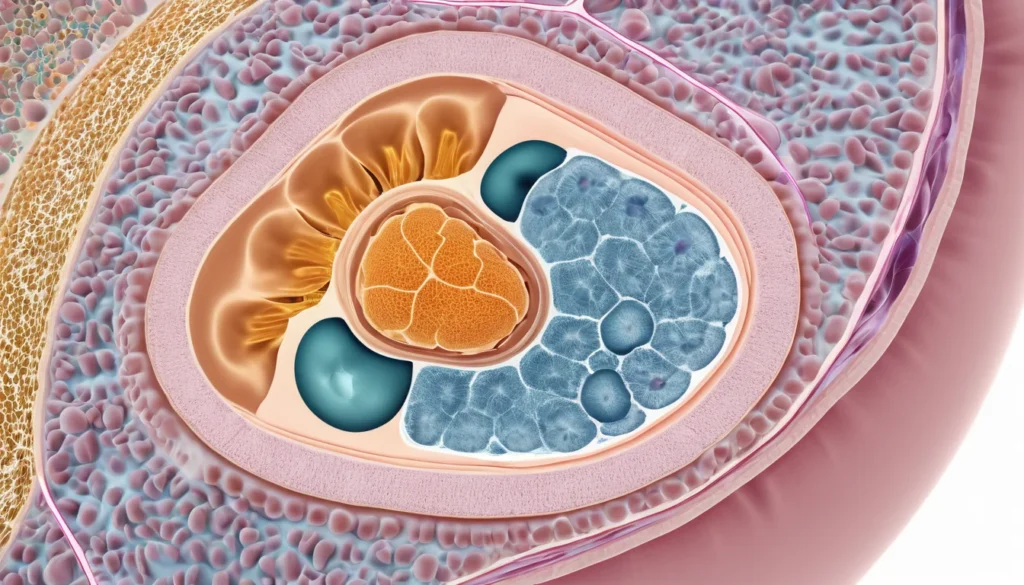
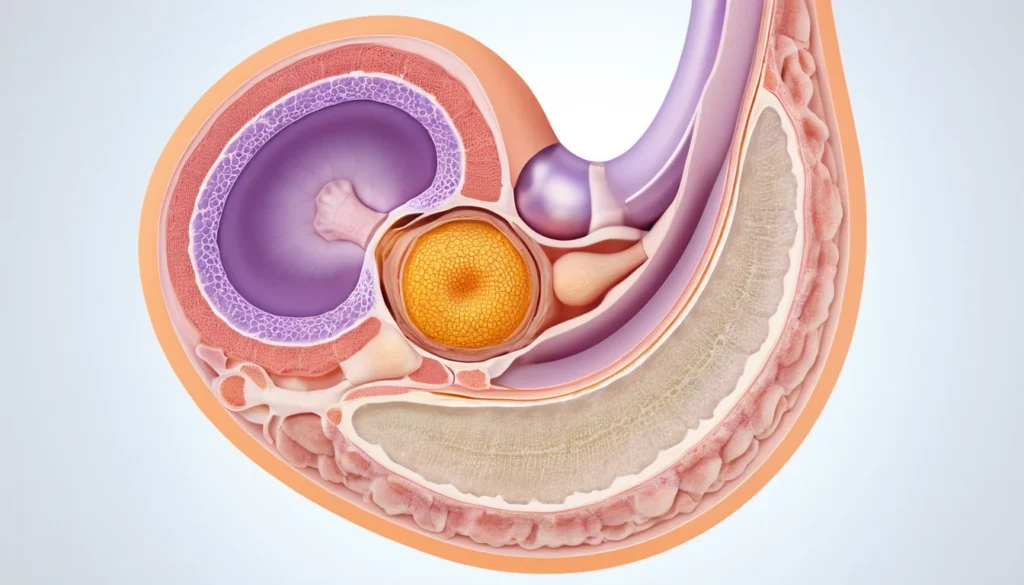
Endometrial cancer is the most common cancer of the female reproductive system. It affects the inner lining of the uterus, known as the endometrium. It occurs most often in women who have gone through menopause.
Medical science cannot fully explain why some people develop cancer and others do not. However, researchers have studied large populations to identify patterns. These patterns help us understand which lifestyle choices and environmental factors raise or lower the risk of cancer.
Anything that increases your chance of developing cancer is called a risk factor. Anything that lowers that chance is called a protective factor. Some risk factors can be changed. Others, like the genes you inherited from your parents, cannot. For more background on how cancer develops, visit Health Canada’s cancer information resource.
Why Endometrial Cancer Prevention Matters
Endometrial cancer is a serious condition, but it is also one where prevention and early detection make a significant impact. Rates of new cases and deaths from this cancer have been declining over recent decades. Still, it remains a concern for Canadian women, particularly those in or past menopause.
It is important to understand that avoiding risk factors does not guarantee you will never develop cancer. Many people with known risk factors never get the disease. At the same time, some people with no known risk factors do develop it. Therefore, awareness is a tool — not a guarantee.
White women develop endometrial cancer more frequently than Black women. However, when Black women are diagnosed, the cancer tends to be more aggressive and has a poorer prognosis. This highlights the importance of equitable access to screening and care across Canada’s diverse population.
Key Risk Factors for Endometrial Cancer
Understanding your personal risk factors is a key part of endometrial cancer prevention. Some of these factors relate to hormones, others to genetics, and others to daily lifestyle habits. Here is a breakdown of the most important ones.
Hormone Replacement Therapy
Women who take hormone replacement therapy (HRT) containing only estrogen for more than five years face a risk up to ten times higher than those who do not. This is an important consideration for women managing menopause symptoms.
However, adding progesterone to estrogen therapy — known as combined HRT — significantly lowers this risk. It can also reduce the chance of developing precancerous conditions like atypical hyperplasia. If you are on HRT, talk to your family doctor about which type is right for you.
Selective Estrogen Receptor Modulators (SERMs)
SERMs are drugs that interact with estrogen receptors in the body. Two common ones are tamoxifen and raloxifene. These medications are often studied in relation to breast cancer prevention.
Tamoxifen has been shown to increase the risk of endometrial cancer, especially in women who have gone through menopause. Raloxifene, on the other hand, does not appear to carry this same risk. If you take either of these medications, discuss this risk openly with your doctor.
Oral Contraceptives
Using combined oral contraceptives (the birth control pill) in the years before menopause can offer significant protection. Studies show a roughly 50% reduction in endometrial cancer risk after four years of use. After 12 years of use, that reduction rises to about 72%.
This is one of the most well-established protective factors available. However, oral contraceptives are not right for everyone. Your doctor or a walk-in clinic can help you decide if they are appropriate for your situation.
Lifestyle Factors That Affect Your Risk
Lifestyle plays a powerful role in endometrial cancer prevention. Several daily habits can either raise or lower your risk significantly. The good news is that these are factors you can actually influence.
Body Weight and Diet
Obesity is one of the strongest known risk factors for endometrial cancer. Excess body fat affects hormone levels — particularly estrogen — in ways that can promote abnormal cell growth in the uterine lining.
A diet low in saturated fats and rich in fruits and vegetables may help reduce this risk. Foods high in fibre, as well as soy products, have also shown some protective effects in research. Maintaining a healthy weight through balanced eating is one of the most effective steps you can take.
For evidence-based nutrition guidance, the Mayo Clinic’s cancer prevention diet recommendations offer a helpful starting point.
Physical Activity
Regular exercise tends to reduce the risk of endometrial cancer. Physical activity helps regulate hormones, supports healthy weight management, and strengthens the immune system. Even moderate activity — like brisk walking — can make a difference.
Canada’s physical activity guidelines recommend at least 150 minutes of moderate-to-vigorous activity per week for adults. If you are unsure where to start, ask your family doctor for a referral to a physiotherapist or a community programme near you.
Hormonal and Reproductive Factors
Several factors related to your reproductive history can influence your endometrial cancer risk. Many of these are not within your control, but knowing about them helps you stay informed and proactive.
Age of First Period and Menopause Timing
Women who start menstruating at a young age have a longer lifetime exposure to estrogen. Similarly, women who enter menopause at a later age also experience prolonged estrogen exposure. Both of these patterns are considered risk factors for endometrial cancer.
These are not factors you can change. However, they are important to mention to your family doctor. This information helps your doctor assess your overall risk level and recommend appropriate monitoring.
Pregnancy and Breastfeeding
Women who have never been pregnant face a significantly higher risk of endometrial cancer compared to those who have carried pregnancies to term. Furthermore, women who have breastfed appear to have a lower risk than those who have not.
Pregnancy and breastfeeding change hormone levels in ways that may protect the uterine lining. While these are personal decisions, they are worth understanding in the context of long-term reproductive health.
Polycystic Ovary Syndrome (PCOS)
Women with polycystic ovary syndrome (PCOS) have a higher risk of developing endometrial cancer. PCOS causes a hormonal imbalance in the ovaries, often resulting in higher-than-normal estrogen levels and irregular periods.
If you have been diagnosed with PCOS, regular check-ins with your doctor are especially important. Your provincial health plan covers visits to your family doctor to monitor and manage conditions like PCOS.
Genetic Risk Factors
In some cases, endometrial cancer risk runs in families. One well-known inherited condition is hereditary non-polyposis colorectal cancer (HNPCC), also called Lynch syndrome. Women who carry the gene mutations linked to HNPCC have a much higher lifetime risk of developing endometrial cancer.
If you have a family history of colorectal cancer or endometrial cancer, speak with your family doctor. You may be referred for genetic counselling, which is available through many provincial health programmes across Canada. The World Health Organization’s guidance on hereditary cancer syndromes provides further context on how genetic risk is assessed.
Knowing your genetic risk does not mean you will develop cancer. It simply means you and your healthcare team can put a smarter monitoring plan in place.
When to See a Doctor
If you have any of the risk factors described in this article, it is a good idea to discuss endometrial cancer prevention with a healthcare provider. You do not need to wait for symptoms to appear before having this conversation.
Your family doctor is the best starting point. They can review your personal and family health history, discuss your risk level, and recommend any appropriate next steps. If you do not have a family doctor, a walk-in clinic can provide an initial assessment and referral if needed.
Seek medical attention promptly if you notice any unusual vaginal bleeding — especially after menopause. This is the most common early symptom of endometrial cancer. Early detection greatly improves outcomes.
Remember, your provincial health plan covers visits to your family doctor and many specialist referrals. Do not hesitate to use the healthcare resources available to you.
Frequently Asked Questions About Endometrial Cancer Prevention
What is the most effective way to prevent endometrial cancer?
There is no single guaranteed method for endometrial cancer prevention, but several steps can significantly lower your risk. Maintaining a healthy body weight, eating a diet rich in fibre and vegetables, exercising regularly, and discussing hormone therapy options with your doctor are all proven strategies. Combined oral contraceptives have also been shown to offer substantial protection for premenopausal women.
Can hormone replacement therapy cause endometrial cancer?
Estrogen-only hormone replacement therapy, taken for more than five years, is associated with a significantly increased risk of endometrial cancer. However, combined HRT — which includes both estrogen and progesterone — substantially lowers this risk. Always talk to your family doctor before starting or changing any hormone therapy.
What are the early warning signs of endometrial cancer?
The most common early warning sign of endometrial cancer is abnormal vaginal bleeding, particularly bleeding after menopause. Other signs can include unusual discharge, pelvic pain, or pain during intercourse. If you experience any of these symptoms, see your family doctor or visit a walk-in clinic as soon as possible.
Does PCOS increase the risk of endometrial cancer?
Yes, women with polycystic ovary syndrome (PCOS) face a higher risk of developing endometrial cancer. PCOS causes hormonal imbalances that can lead to prolonged exposure of the uterine lining to estrogen without the balancing effect of progesterone. Regular monitoring by your doctor is an important part of managing this risk.
Is endometrial cancer hereditary?
In some cases, yes — endometrial cancer can run in families. Women who carry gene mutations linked to Lynch syndrome (HNPCC) have a significantly higher lifetime risk. If you have a family history of colorectal or endometrial cancer, ask your family doctor about genetic counselling, which is available through provincial health programmes in Canada.
Does diet and exercise really help with endometrial cancer prevention?
Research strongly suggests that lifestyle choices play a meaningful role in endometrial cancer prevention. Obesity is one of the strongest known risk factors, so maintaining a healthy weight through balanced eating and regular physical activity can lower your risk considerably. A diet high in fibre, fruits, vegetables, and soy products may offer additional protective benefits.
Key Takeaways
Endometrial cancer prevention involves both lifestyle changes and informed medical decisions.
Obesity is one of the biggest controllable risk factors — diet and exercise matter greatly.
Combined hormone replacement therapy carries lower risk than estrogen-only therapy.
Oral contraceptives may offer significant long-term protection for premenopausal women.
Genetic conditions like Lynch syndrome (HNPCC) can raise your risk — ask your doctor about genetic counselling.
Women with PCOS or a late menopause should discuss monitoring options with their family doctor.
Abnormal vaginal bleeding — especially after menopause — should always be assessed by a doctor promptly.
Your provincial health plan covers family doctor visits and many specialist referrals — use these resources.
Always consult your family doctor or a qualified healthcare provider before making changes to your health routine.