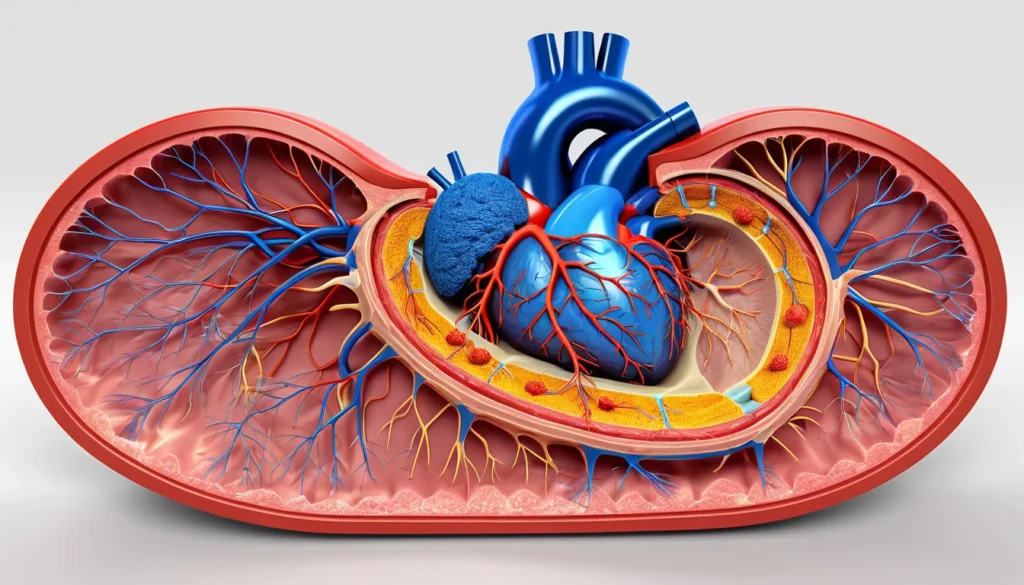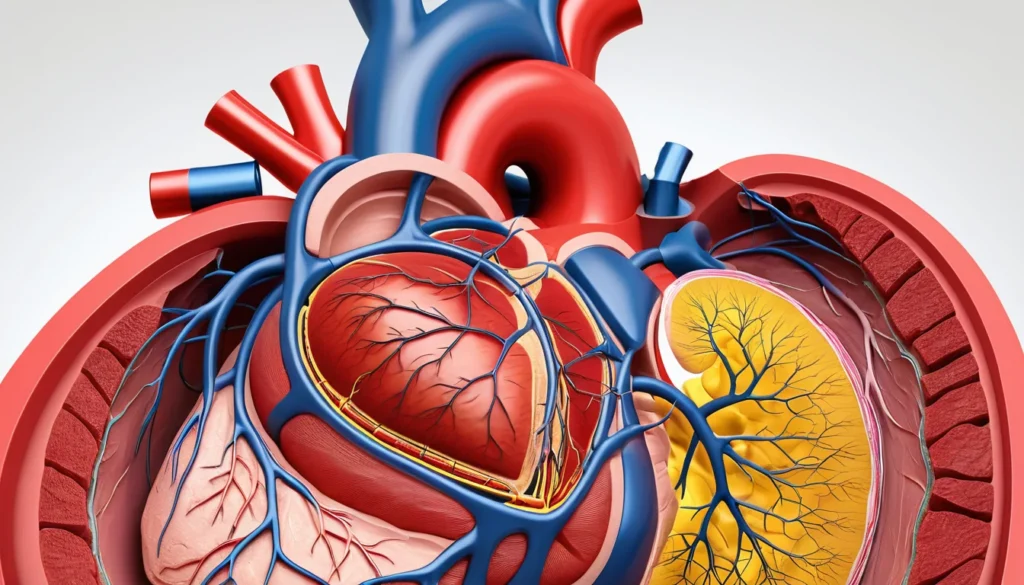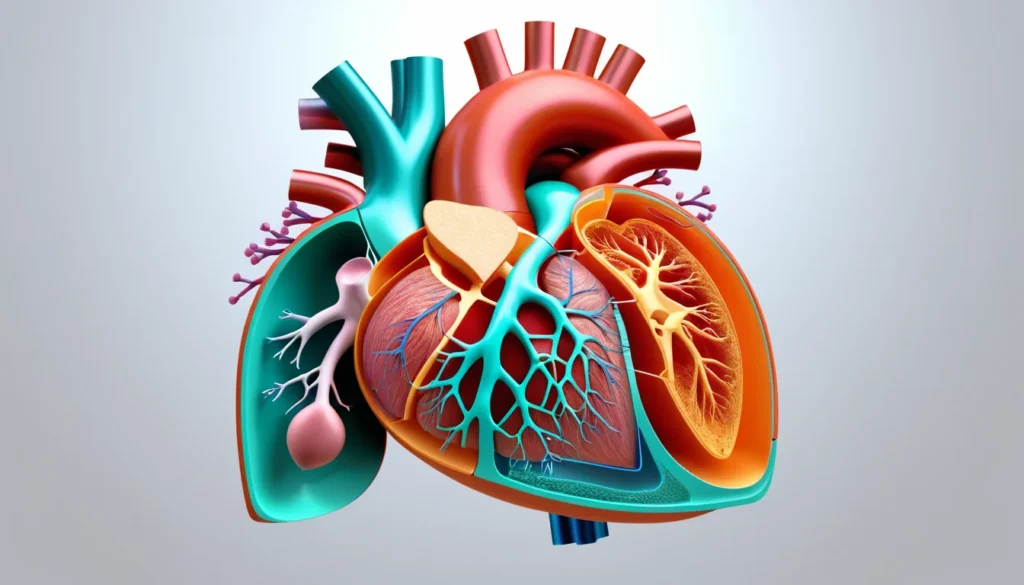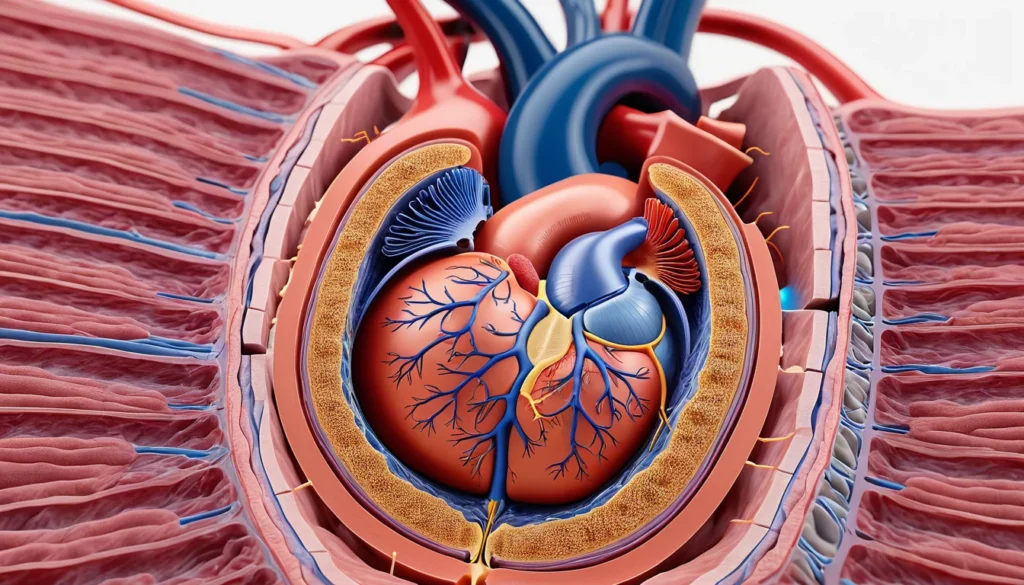
Endocarditis is a serious infection of the inner lining of the heart, including the heart valves and the chambers inside. It happens when bacteria — and rarely fungi — enter the bloodstream and attach to damaged or abnormal heart tissue. Without prompt treatment, endocarditis can cause life-threatening complications. This guide explains what causes it, who is at risk, what symptoms to watch for, and how it is treated in Canada.
What Is Endocarditis?
The inside of your heart is lined with a thin layer of tissue called the endocardium. Endocarditis occurs when this lining becomes infected, most often on the heart valves. The valves are flap-like structures that keep blood flowing in the right direction through your heart.
This condition is not common in people with healthy hearts. However, it is much more likely to occur in people who already have a heart problem, an artificial heart valve, or a history of previous endocarditis. It can develop quickly or slowly, depending on the type of bacteria involved.
For more background on how the heart works, visit Health Canada’s cardiovascular health resources.
Common Causes of Endocarditis
Endocarditis is most often caused by bacteria that enter the bloodstream. Once in the blood, these bacteria travel to the heart and stick to the valves or inner lining. In rare cases, fungi cause the infection instead.
How Bacteria Enter the Bloodstream
Bacteria can enter your blood in more ways than you might expect. Dental procedures are a well-known route — even routine teeth cleaning can push bacteria into the bloodstream if your gums are not healthy. Brushing and flossing with unhealthy gums can do the same.
Other common entry points include:
Central venous catheters used in hospital care
Haemodialysis (a mechanical blood-cleaning process for kidney patients)
Intravenous drug use with non-sterile needles
Surgical procedures, especially those involving the mouth or digestive tract
In all of these situations, bacteria that would normally be harmless on the skin or in the mouth can become dangerous once they reach the bloodstream.
Risk Factors for Endocarditis
If your heart is completely healthy, your risk of developing endocarditis is low. However, certain heart conditions create abnormal blood flow patterns that make it easier for bacteria to latch onto heart tissue.
Heart Conditions That Raise Your Risk
Some of the most common heart-related risk factors include:
Congenital heart defects — structural problems present from birth
Heart valve defects — damaged or leaky valves that disrupt blood flow
Hypertrophic cardiomyopathy — a thickening of the heart muscle that affects blood flow
Artificial heart valves — prosthetic valves are more vulnerable to bacterial attachment than natural ones
Previous endocarditis — having had the infection before significantly raises your risk of getting it again
Other Risk Factors
Beyond heart conditions, other factors can increase your risk:
Haemodialysis for kidney disease
Intravenous drug use
HIV/AIDS, which weakens the immune system’s ability to fight infection
If you have any of these risk factors, talk to your family doctor. They can tell you whether you need to take preventive antibiotics before certain medical or dental procedures. Some Canadians in this situation carry a card noting their need for antibiotic prophylaxis.
Symptoms of Endocarditis
Symptoms of endocarditis usually begin within two weeks of infection. At first, they can be easy to dismiss because they resemble the flu.
Early and Common Symptoms
The most frequent early symptoms include:
Fever (temperature above 38°C) and chills
Fatigue and general weakness
Night sweats
Unexplained weight loss
Joint, muscle, or abdominal pain
Persistent cough or shortness of breath
Less Common but Serious Symptoms
Some symptoms point to more serious complications. These include:
Small bleeding spots under the fingernails
Tiny red or purple spots under the skin, called petechiae
Neurological changes, such as confusion or stroke-like symptoms
Signs of heart failure, such as swelling in the legs or severe breathlessness
When the infection is caused by a more aggressive strain of bacteria, symptoms can appear within just a few days and may be severe right away, including high fever and rapid deterioration.
For a broader overview of heart infection warning signs, see this Mayo Clinic guide to endocarditis symptoms and causes.
How Endocarditis Is Diagnosed
Diagnosing endocarditis starts with your doctor taking a detailed medical history and doing a physical examination. From there, several tests help confirm the diagnosis.
Blood Cultures
Blood cultures are the most important test. Doctors typically take three separate blood samples to look for bacteria or fungi in the bloodstream. It is very important that these samples are collected before any antibiotics are started. Starting antibiotics too early can make the infection harder to detect and lead to a false-negative result.
Echocardiography
An echocardiogram uses high-frequency sound waves to create images of the heart. Two types are commonly used:
Transthoracic echocardiogram (TTE) — a probe placed on the chest
Transoesophageal echocardiogram (TOE) — a small probe passed down the throat for a clearer view
These images can show vegetations (clumps of bacteria and tissue on the valves), abscesses, or damage to a prosthetic valve. These findings are key diagnostic criteria for endocarditis.
Other Diagnostic Tests
Additional tests may be needed to check for complications:
Electrocardiogram (ECG/EKG) — checks for irregular heart rhythms
Chest X-ray — can show an enlarged heart or signs of heart failure
Urinalysis — blood or protein in the urine may indicate kidney involvement
CT scan or MRI — can detect if a blood clot has caused a stroke
Cardiac catheterisation — used to assess coronary artery disease before valve replacement surgery
In cases where blood cultures come back negative, doctors may consider specialised antibody tests. However, isolating the actual bacteria through valve tissue or embolic material remains the gold standard for diagnosis.
Treatment for Endocarditis
Treatment for endocarditis has three main goals: eliminating the infection with the right antibiotics, repairing or replacing a damaged heart valve if necessary, and managing any complications.
Antibiotic Therapy
Treatment almost always begins in hospital. Antibiotics are given intravenously (through an IV) over several weeks. The specific antibiotic chosen depends on the results of blood cultures and sensitivity testing — this is called antibiogram-guided therapy.
Once the fever has resolved and the patient is stable, antibiotic treatment may continue at home with the support of a home care nurse. For patients with artificial heart valves, antibiotics are typically given for six weeks or longer.
Surgical Treatment
In some cases, antibiotics alone are not enough. Surgery may be needed to:
Repair or replace a severely damaged heart valve
Drain an abscess that has formed in the heart
Remove large vegetations that pose a risk of breaking off and causing a stroke
Your cardiologist and cardiac surgeon will work together to decide if and when surgery is the right option. For further reading on treatment approaches, Healthline’s endocarditis treatment overview provides a helpful summary.
When to See a Doctor
If you have a known heart condition, an artificial valve, or any of the risk factors listed above, do not wait to seek care if you develop unexplained fever, chills, fatigue, or shortness of breath.
Contact your family doctor right away if symptoms persist for more than a few days. If your regular doctor is unavailable, a walk-in clinic can assess you and order initial tests, including blood cultures. Provincial health plans across Canada cover these diagnostic services.
If you experience sudden neurological symptoms — such as weakness on one side, confusion, or difficulty speaking — call 911 immediately. These may signal a stroke caused by endocarditis complications.
Canadians who know they are at high risk should ask their doctor whether they need antibiotic prophylaxis before dental work or surgical procedures. This is a simple step that can prevent a serious illness.
Frequently Asked Questions About Endocarditis
What are the first signs of endocarditis?
The first signs of endocarditis often resemble the flu, including low-grade fever, chills, fatigue, and muscle aches. These symptoms usually appear within two weeks of the initial infection. Because they are easy to overlook, anyone with a known heart condition who develops these symptoms should see a doctor promptly.
Can endocarditis be cured with antibiotics alone?
Yes, many cases of endocarditis can be successfully treated with a prolonged course of intravenous antibiotics, typically given over four to six weeks. However, some patients — especially those with severe valve damage or complications — also require surgery. The treatment plan depends on the type of bacteria involved and the extent of heart damage.
Is endocarditis contagious?
No, endocarditis is not contagious. You cannot catch it from another person. It develops when bacteria from your own body — or introduced through medical procedures or drug use — enter the bloodstream and infect heart tissue.
Who is most at risk of developing endocarditis in Canada?
People most at risk include those with congenital heart defects, artificial heart valves, previous endocarditis, or conditions like hypertrophic cardiomyopathy. People on haemodialysis, those with HIV/AIDS, and people who use intravenous drugs also face a significantly higher risk. If you fall into one of these groups, speak with your family doctor about preventive steps.
Do I need antibiotics before going to the dentist if I have a heart condition?
Some people with high-risk heart conditions — such as artificial heart valves or a history of endocarditis — are advised to take preventive antibiotics before certain dental procedures. This is called antibiotic prophylaxis. Your family doctor or cardiologist can tell you whether this applies to you, and may provide a card to show your dentist.
How long does endocarditis treatment take?
Treatment for endocarditis typically involves two to six weeks of intravenous antibiotics, depending on the type of infection and whether a prosthetic valve is involved. Treatment usually starts in hospital and may continue at home with support from a home care nurse. Recovery time after surgery, if needed, will be longer.
Key Takeaways
Endocarditis is a serious infection of the heart’s inner lining, most often affecting the valves.
It is caused by bacteria — and rarely fungi — that enter the bloodstream through dental procedures, surgery, catheters, or IV drug use.
People with heart defects, artificial valves, or a history of endocarditis are at the highest risk.
Early symptoms resemble the flu: fever, fatigue, chills, and night sweats.
Diagnosis relies on blood cultures and echocardiography; treatment involves several weeks of antibiotics, sometimes followed by surgery.
If you are at high risk, ask your family doctor about antibiotic prophylaxis before dental or surgical procedures.
Always consult your doctor or visit a walk-in clinic if you suspect something is wrong — early treatment makes a real difference in outcomes.
This article is for informational purposes only and does not replace professional medical advice. Always consult your family doctor or a qualified healthcare provider for diagnosis and treatment specific to your situation.