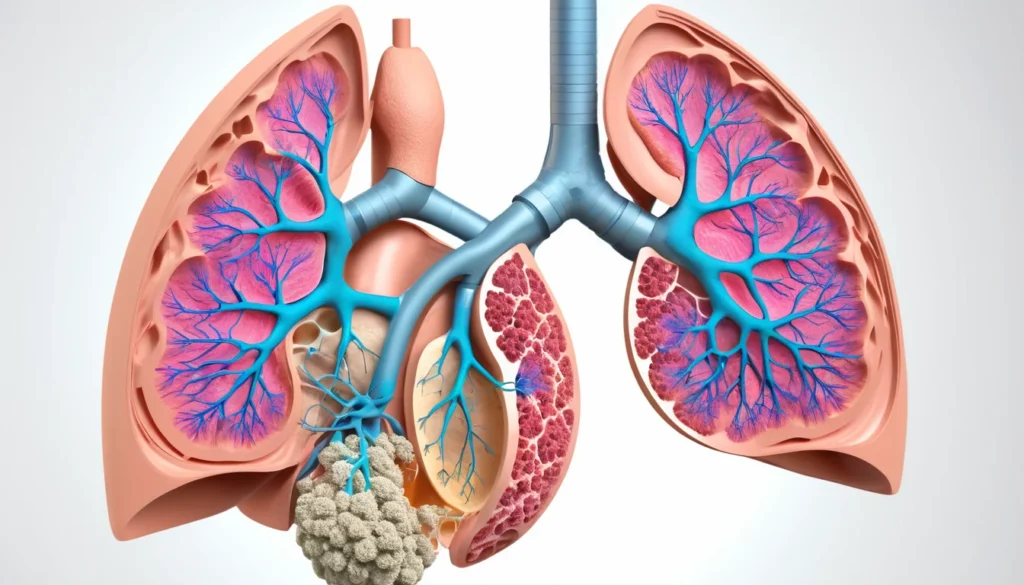
Emphysema is a serious lung disease that makes it harder to breathe over time. It is one of the main conditions linked to chronic obstructive pulmonary disease (COPD), which affects hundreds of thousands of Canadians. In emphysema, the tiny air sacs deep inside your lungs are slowly destroyed, making it difficult for oxygen to reach your bloodstream. The good news is that understanding the causes and symptoms early can help you and your family doctor manage the condition more effectively.
What Is Emphysema?
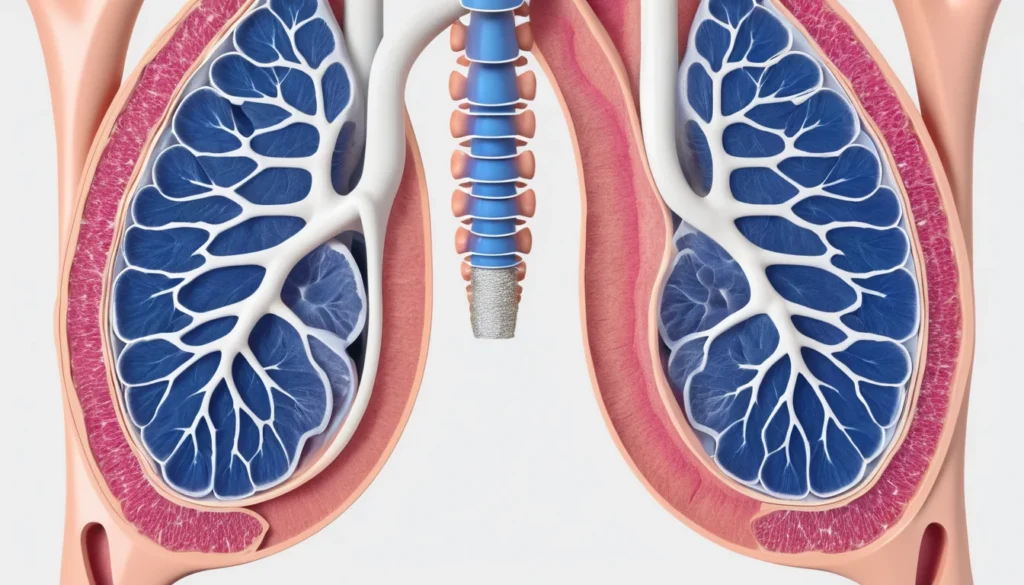
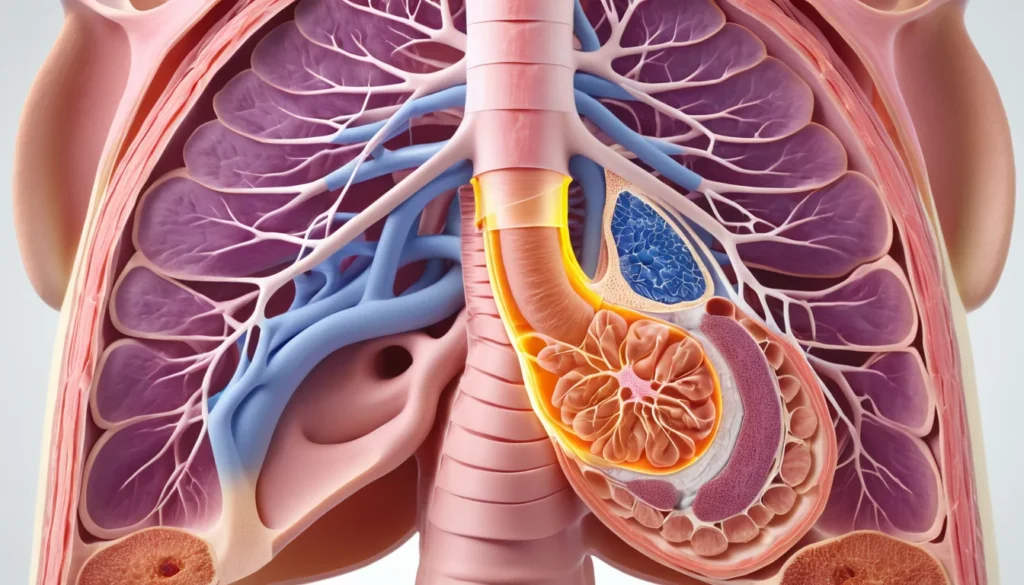
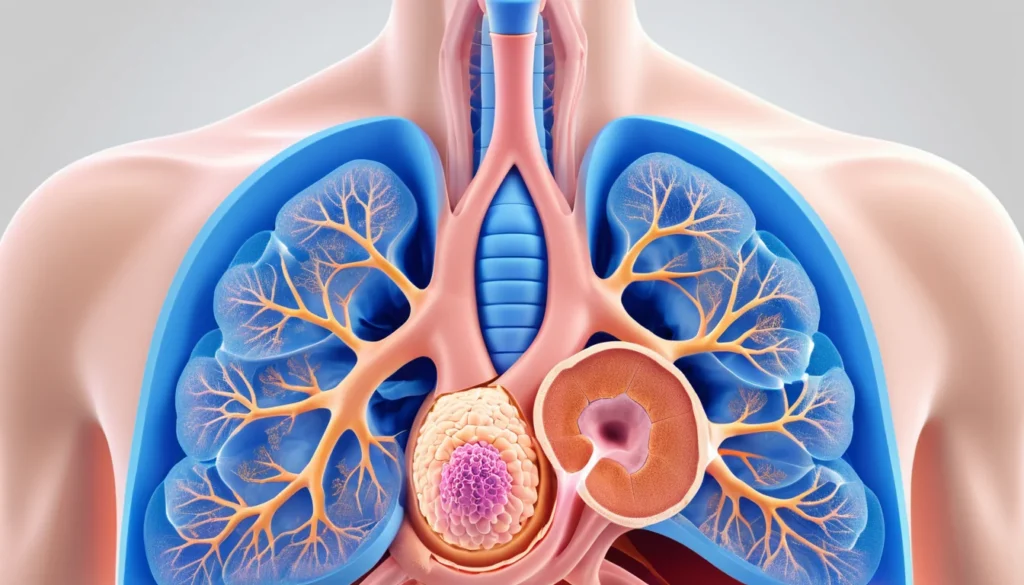
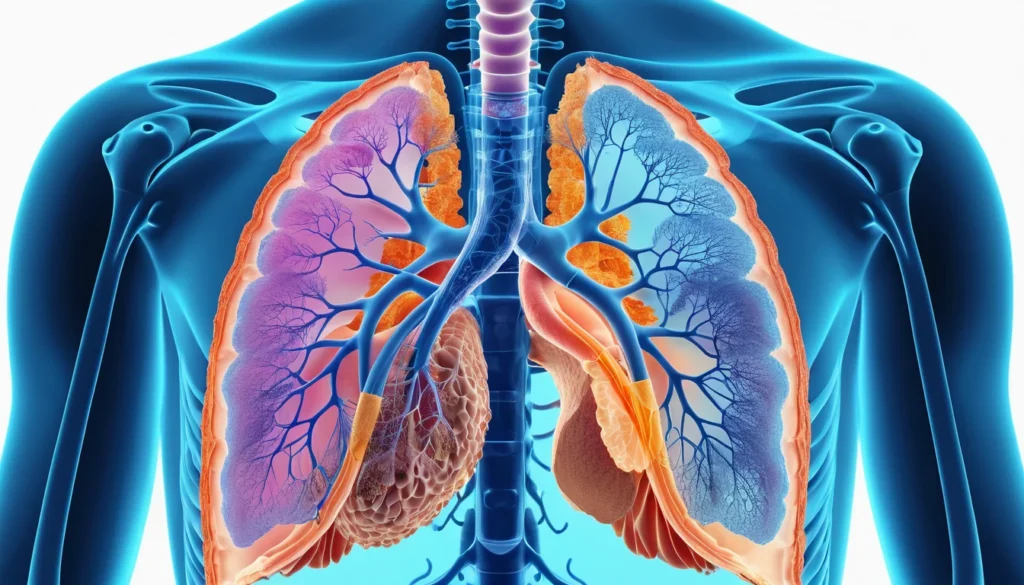
Your lungs contain millions of tiny air sacs called alveoli. These sacs look like clusters of grapes and expand with each breath you take. In a healthy lung, they move oxygen into your blood and push carbon dioxide out.
With emphysema, these air sacs are gradually destroyed. Over time, the small sacs merge into large, irregular pockets with damaged inner walls. As a result, your lungs can no longer move oxygen and carbon dioxide efficiently.
Furthermore, the elastic fibres that help push air out of your lungs are also damaged. This means you have to consciously work to breathe out. Breathing becomes exhausting, and everyday activities become much harder than they used to be.
Emphysema often goes hand in hand with chronic bronchitis. Together, these two conditions make up what doctors call COPD. According to Health Canada, COPD is one of the leading causes of death and disability in the country.
Common Symptoms of Emphysema
In the early stages, emphysema symptoms can be easy to overlook. Many people mistake them for normal signs of aging or being out of shape. However, symptoms tend to get worse steadily as the disease progresses.
The most common symptoms of emphysema include:
Shortness of breath, especially during physical activity
Wheezing or a whistling sound when breathing
Tightness or pressure in the chest
Reduced ability to exercise or do physical tasks
Chronic cough, which may also suggest chronic bronchitis
Loss of appetite
Unexplained weight loss
Persistent fatigue
These symptoms often develop slowly over many years. Many Canadians do not seek help until their breathing has already become significantly limited. Therefore, it is important to pay attention to any gradual changes in how you breathe or how much energy you have.
How Emphysema Feels Day to Day
At first, you might notice shortness of breath only when climbing stairs or walking briskly. Over time, even simple tasks like getting dressed or cooking a meal can leave you breathless. This gradual decline can seriously affect your quality of life and independence.
Fatigue is also a major part of living with emphysema. When your lungs are not working well, your body works harder just to breathe. This constant effort drains your energy throughout the day.
What Causes Emphysema?
Several factors can lead to emphysema, but smoking is by far the most common cause. Understanding these causes can help you take steps to lower your risk.
Cigarette Smoking
Tobacco smoke contains over 4,000 chemical substances. Whether you smoke actively or breathe in secondhand smoke, these chemicals slowly damage the delicate airways, air sacs, and elastic fibres in your lungs. The longer and more heavily you smoke, the greater your risk of developing emphysema.
In addition, pipe and cigar smoking carry the same risks as cigarette smoking. There is no safe level of tobacco use when it comes to lung health.
Alpha-1 Antitrypsin (AAT) Deficiency
Between one and two percent of people with emphysema have inherited a condition called AAT deficiency. AAT is a protein that protects the elastic structures of your lungs. Without enough of it, certain enzymes can damage lung tissue and lead to emphysema.
People with AAT deficiency who also smoke may develop emphysema as early as their 30s or 40s. Smoking dramatically speeds up the damage in people with this genetic condition. If you have a family history of early-onset lung disease, ask your family doctor about genetic testing.
Other Causes and Contributing Factors
Breathing in certain workplace dusts and chemicals over many years can also damage your lungs. Workers in mining, farming, woodworking, and textile industries face a higher risk. This risk increases further if these workers also smoke.
Long-term exposure to air pollution, including exhaust fumes and indoor heating gases, is another contributing factor. The World Health Organization reports that air pollution is one of the biggest environmental threats to respiratory health worldwide.
Risk Factors for Emphysema
Some people are more likely to develop emphysema than others. Knowing your risk factors is an important first step in protecting your lung health.
Smoking: The number one risk factor. The more years you smoke and the more you smoke each day, the higher your risk.
Age: Most people who smoke begin experiencing symptoms between the ages of 40 and 60, even though lung damage starts much earlier.
Secondhand smoke exposure: Regular exposure to other people’s tobacco smoke raises your risk significantly.
Occupational dust and chemical exposure: Grain dust, cotton fibres, wood dust, and mining particles can all harm the lungs over time.
Air pollution: Living near busy roads or industrial areas increases your exposure to harmful particles.
HIV infection: People living with HIV who smoke face a higher risk of emphysema than smokers who do not have HIV.
Connective tissue disorders: Rare conditions such as Marfan syndrome and cutis laxa have been linked to emphysema. Marfan syndrome affects the heart, eyes, skeleton, and lungs.
However, having one or more of these risk factors does not mean you will definitely develop emphysema. Reducing avoidable risks, especially quitting smoking, can make a significant difference to your long-term lung health.
Possible Complications of Emphysema
Emphysema does not only affect your lungs. Over time, it can make other health conditions worse and lead to serious complications.
People with emphysema face higher risks if they also have diabetes or heart failure. Poor lung function puts extra strain on the heart and makes it harder for the body to manage blood sugar levels. Therefore, managing all chronic conditions together is very important.
Air pollution or a respiratory infection can trigger a sudden worsening of COPD symptoms in someone who already has emphysema. This is called an exacerbation. During a severe episode, oxygen levels in the blood can drop to dangerously low levels. In some cases, hospital care or even mechanical breathing support may be needed until the lungs recover.
For more detailed information on how emphysema affects the body, visit the Mayo Clinic’s emphysema resource page.
When to See a Doctor
It is important to speak with your family doctor or visit a walk-in clinic if you notice any of the following signs. Early diagnosis gives you more options for slowing the disease and protecting your quality of life.
See a doctor if you experience any of the following:
You tire quickly or struggle to do tasks that used to feel easy
You feel short of breath even during light or moderate exercise
Your breathing gets noticeably worse when you have a cold
Your lips or fingernails look grey or bluish in colour — this can signal low oxygen levels
You have a frequent cough with yellow or green mucus
You are losing weight without trying
Not everyone with these symptoms has emphysema. However, these signs suggest your lungs may not be working as well as they should. A visit to your family doctor, a walk-in clinic, or a respiratory specialist is the right next step. Your provincial health plan covers most diagnostic tests and specialist referrals for lung conditions.
At your appointment, your doctor may ask about your smoking history, workplace exposures, family history of lung disease, and your current symptoms. Be ready to describe when your symptoms started and how they affect your daily life. After the physical exam, your doctor will recommend the appropriate tests to confirm a diagnosis.
Can Emphysema Be Treated?
There is currently no cure for emphysema. However, treatment can slow down how fast the disease progresses and significantly improve how you feel day to day. The most important step anyone with emphysema can take is to stop smoking immediately.
Treatment options your doctor may discuss with you include:
Bronchodilator inhalers to help open the airways and make breathing easier
Inhaled corticosteroids to reduce airway inflammation
Pulmonary rehabilitation programmes that combine exercise, education, and breathing techniques
Oxygen therapy for people with very low blood oxygen levels
Vaccinations for flu and pneumonia to prevent infections that can worsen symptoms
Surgery in select cases, such as lung volume reduction or, rarely, a lung transplant
Many of these treatments are available through your provincial health plan. Your family doctor can refer you to a respirologist (lung specialist) who will create a care plan suited to your needs.
Frequently Asked Questions About Emphysema
What is the main cause of emphysema?
The main cause of emphysema is cigarette smoking. Tobacco smoke contains thousands of harmful chemicals that slowly destroy the air sacs and elastic fibres in your lungs. Secondhand smoke exposure and certain workplace chemicals can also contribute to the disease.
Can you live a normal life with emphysema?
Many people with emphysema live full and active lives, especially when the condition is diagnosed early. With the right treatment plan, lifestyle changes like quitting smoking, and pulmonary rehabilitation programmes, it is possible to manage emphysema and maintain a good quality of life. Always work closely with your family doctor to find the best approach for your situation.
What are the early warning signs of emphysema?
Early signs of emphysema include mild shortness of breath during physical activity and a persistent cough. Many people ignore these symptoms at first because they come on slowly. If you are a smoker or have been exposed to lung irritants and notice these changes, speak with your family doctor as soon as possible.
Is emphysema the same as COPD?
Emphysema is not exactly the same as COPD, but it is one of the main conditions that make up COPD. COPD (chronic obstructive pulmonary disease) is a broader term that usually includes both emphysema and chronic bronchitis. Most people diagnosed with COPD have features of both conditions at the same time.
Is emphysema covered under provincial health plans in Canada?
Yes, diagnosis and most treatments for emphysema are covered under provincial and territorial health plans across Canada. This includes doctor visits, specialist referrals, diagnostic tests like spirometry, and many medications. However, coverage for specific inhalers and pulmonary rehabilitation programmes can vary by province, so it is worth checking with your local health authority.
Can emphysema be reversed?
Unfortunately, emphysema cannot be reversed. Once the air sacs in the lungs are destroyed, they cannot grow back. However, quitting smoking and following a proper treatment plan can slow the progression of emphysema significantly and help preserve the lung function you still have.
Key Takeaways
Emphysema is a chronic lung disease that destroys the air sacs in your lungs, making breathing progressively harder.
Smoking is the leading cause. Quitting smoking is the single most effective step you can take to slow the disease.
Common symptoms include shortness of breath, wheezing, chest tightness, chronic cough, and fatigue.
Risk factors include long-term smoking, secondhand smoke exposure, workplace dust and chemical exposure, air pollution, and a rare genetic protein deficiency called AAT deficiency.
Emphysema can lead to serious complications, including worsened heart disease and dangerously low oxygen levels during respiratory infections.
There is no cure, but treatment can slow progression and improve daily life. Options include inhalers, rehabilitation programmes, and oxygen therapy.
If you notice any breathing changes or persistent cough, see your family doctor or visit a walk-in clinic. Early diagnosis and treatment make a real difference.
As always, speak with a qualified healthcare provider before making any decisions about your health. This article is for informational purposes only and does not replace professional medical advice.