Ellis-van Creveld syndrome is a rare genetic disorder that affects bone growth, the skin, teeth, nails, and sometimes the heart. It is present from birth and can cause serious health challenges in infancy and early childhood. While it is uncommon, understanding this condition can help Canadian families recognize symptoms early and access the right care through their provincial health system.
What Is Ellis-van Creveld Syndrome?
Ellis-van Creveld syndrome goes by a few other names, including chondroectodermal dysplasia and mesoectodermal dysplasia. It is a condition that affects how bones, skin, nails, and teeth develop before and after birth. In some cases, it also affects the heart.
This condition is genetic, meaning it is passed down through families. It follows what scientists call an autosomal recessive pattern. This means a child must inherit one changed copy of the gene from each parent in order to develop the syndrome. Parents who each carry one copy usually show no symptoms themselves.
Researchers have identified a specific gene — the EVC gene — that is linked to this syndrome. Scientists are still studying this gene to better understand how it causes the changes seen in this condition. Health Canada supports research into rare genetic disorders like this one through national health programmes.
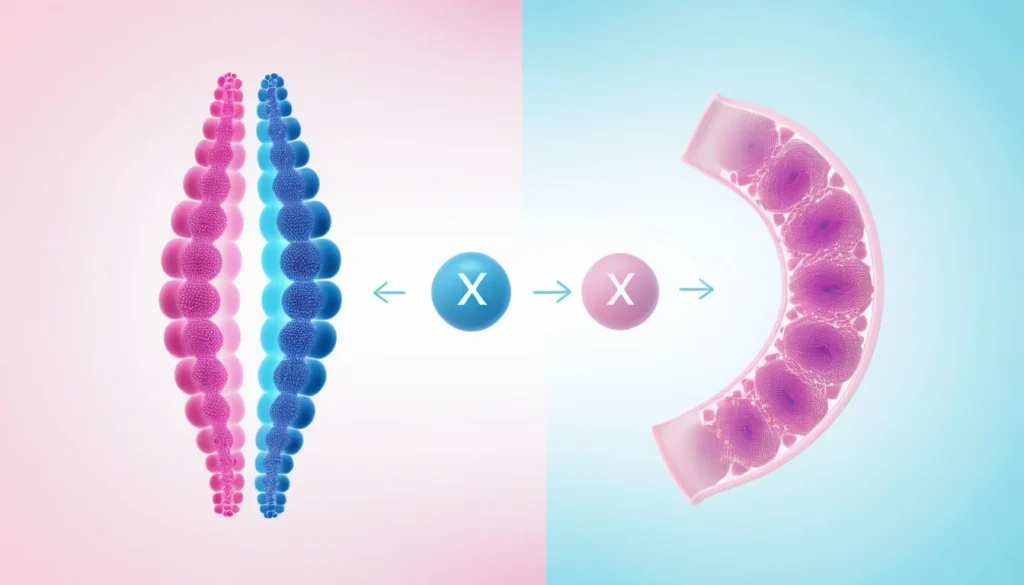
Ellis-van Creveld syndrome affects males and females equally. Because the physical signs are visible at birth, doctors can usually make a diagnosis right away.
Causes of Ellis-van Creveld Syndrome
The root cause of Ellis-van Creveld syndrome is a change, or mutation, in the EVC or EVC2 gene. These genes play a role in normal bone and tissue development. When both copies of the gene are affected, the body cannot build cartilage and other tissues in a typical way.
Under a microscope, the cartilage cells in the long bones of people with this syndrome appear disorganized. Instead of growing in an orderly pattern, the cartilage cells are scattered randomly. This is what leads to the short limbs and other bone problems seen in this condition.
The syndrome is more common in certain communities where people are more likely to share ancestry, such as the Old Order Amish community in North America. However, it can appear in any population and in any ethnic background.
If you have a family history of this condition, a genetic counsellor can help you understand your risk. Many Canadian provinces offer genetic counselling through their public health programmes. Ask your family doctor for a referral.
Signs and Symptoms of Ellis-van Creveld Syndrome
Ellis-van Creveld syndrome causes a wide range of symptoms. Doctors often look for four key features together. These four features form what is called a clinical tetrad.
Short Limbs and Dwarfism
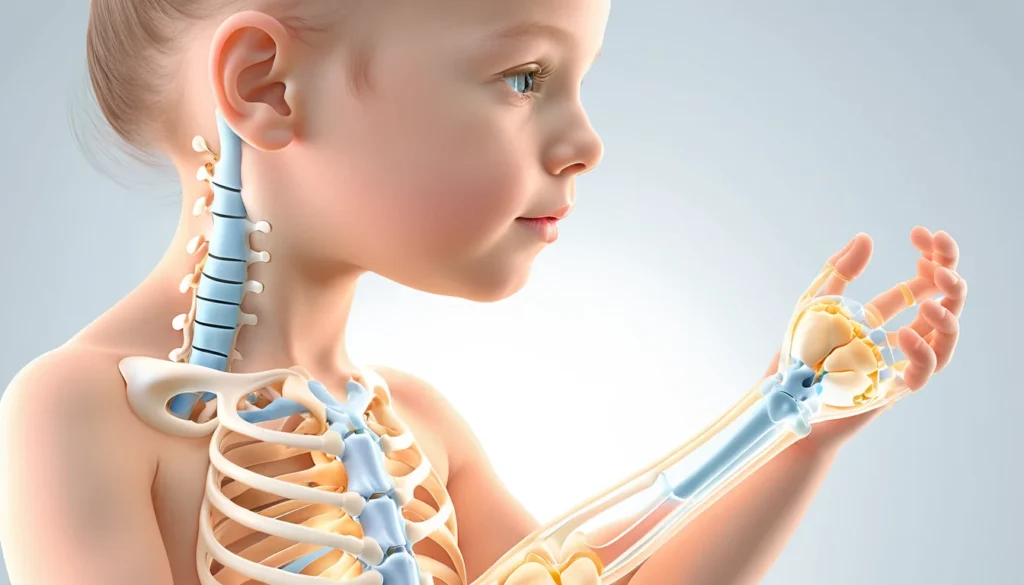
Children with this syndrome have noticeably short arms and legs. This type of short stature is called disproportionate dwarfism, meaning the limbs are shorter compared to the rest of the body. The shortening tends to be greater in the lower parts of the limbs — the forearms and lower legs — and affects both sides of the body equally.
Adults who survive into adulthood typically reach a height of about 100 to 120 centimetres. Daily activities, including using the hands, can be difficult as a result of these changes.
Extra Fingers or Toes (Polydactyly)
Most children with Ellis-van Creveld syndrome are born with extra fingers on one or both hands. This is called polydactyly. The extra digit usually appears on the outer side of the hand, near the little finger. In about 10% of cases, extra toes are also present.
This is one of the most visible signs of the syndrome and is often noticed immediately at birth.
Nail and Teeth Problems
Ellis-van Creveld syndrome also affects the development of nails and teeth. This falls under a category called ectodermal dysplasia, which affects more than 93% of people with this condition. Common signs include:
Nails that are thin, brittle, or poorly formed
Nails that are completely absent in some cases
Teeth that are very small
Missing teeth (anodontia)
Teeth that come in late or in an unusual order
These dental problems can cause ongoing difficulties throughout a person’s life. Regular dental care becomes especially important for people with this syndrome.
Heart Defects
About 40% of people with Ellis-van Creveld syndrome are born with a heart defect. The most common issue is a hole between the chambers of the heart. This may be a ventricular septal defect (hole between the lower chambers), an atrial septal defect (hole between the upper chambers), or a single shared chamber called a common atrium.
These heart problems are serious. Combined with breathing difficulties caused by a narrow chest, they are the main reason why roughly half of all affected infants do not survive the first few years of life.
Other Health Complications
Beyond the four main features, Ellis-van Creveld syndrome can affect other parts of the body. These complications vary from person to person.
Breathing Problems
Many children with this syndrome have a very narrow chest. This limits how well the lungs can expand and makes breathing harder. Respiratory infections, such as pneumonia, are common and can be life-threatening. In severe cases, breathing support is needed right from birth.
Urinary and Reproductive System Issues
Some individuals with Ellis-van Creveld syndrome also experience problems with the urinary or reproductive system. These may include:
Hypospadias (the urinary opening is not in the typical position)
Undescended testicles (cryptorchidism)
Kidney abnormalities, such as kidney stones or missing kidneys
Enlarged ureters (megaureter)
These issues may require follow-up with a specialist, such as a urologist or nephrologist. Your family doctor can help coordinate care through the provincial health system.
Neurological Concerns
In some cases, Ellis-van Creveld syndrome may be associated with central nervous system abnormalities or developmental delays. However, many people with this syndrome have typical intelligence. Each person is affected differently, so individual assessment is important.
How Is Ellis-van Creveld Syndrome Diagnosed?
Doctors can often diagnose Ellis-van Creveld syndrome at birth based on physical signs alone. The combination of short limbs, extra fingers, and nail or tooth abnormalities is quite distinctive. However, further testing is usually done to confirm the diagnosis and check for heart defects.
Common diagnostic steps include:
Physical examination by a paediatrician shortly after birth
Echocardiogram (heart ultrasound) to check for cardiac defects
X-rays to assess bone structure
Genetic testing to confirm a mutation in the EVC or EVC2 gene
Prenatal ultrasound, which can sometimes detect signs before birth
In Canada, newborn assessments are covered under provincial health plans. If a doctor suspects a genetic condition, a referral to a medical genetics centre is typically available at no direct cost to the family. Learn more about how Ellis-van Creveld syndrome is diagnosed at Mayo Clinic.
Treatment and Management
There is currently no cure for Ellis-van Creveld syndrome. However, treatment can manage symptoms and greatly improve quality of life. Care is typically provided by a team of specialists working together — a model that many Canadian children’s hospitals use.
Breathing and Cardiac Support
For newborns with severe chest narrowing, breathing assistance may be needed right away. This can include supplemental oxygen or mechanical ventilation. Some children may need surgery to expand the chest cavity, which helps the lungs grow more freely.
Heart defects often require surgical repair. Cardiac surgery in infancy is common for children with significant holes in the heart. Canadian paediatric cardiac centres, such as those in Toronto, Montreal, and Vancouver, are experienced in these procedures.
Orthopaedic and Limb Care
Extra fingers or toes are usually removed surgically, often early in childhood. Orthopaedic surgery may also address limb length differences or joint problems. Physical therapy helps children build strength and improve function in daily activities.
Dental Care
Because dental problems are so common with Ellis-van Creveld syndrome, early and regular dental visits are essential. Treatment may include dental prosthetics (false teeth), orthodontic braces, and cavity prevention programmes. Children should see a paediatric dentist as soon as possible.
Urological Care
Surgical correction may be recommended for hypospadias or undescended testicles. Kidney abnormalities are monitored by a nephrologist. These specialists are available through most provincial children’s hospital networks.
Developmental Support
If developmental delays are present, early intervention programmes can make a significant difference. Many provinces offer publicly funded programmes for children with developmental needs. Ask your family doctor or paediatrician about programmes available in your area.
When to See a Doctor
If your newborn shows signs such as extra fingers, unusually short limbs, or breathing difficulties, speak with a doctor right away. These signs warrant immediate assessment. Most Canadian hospitals have paediatricians on staff who can begin the evaluation process promptly.
If you are pregnant and an ultrasound raises concerns about fetal development, your obstetrician may refer you to a maternal-fetal medicine specialist. Genetic counselling is also available and can help you understand your options before birth.
For non-urgent questions about rare genetic conditions, your family doctor is a great first point of contact. They can refer you to the right specialist or genetics clinic. If you do not have a family doctor, a walk-in clinic can provide an initial assessment and refer you onward. You can also contact your provincial health information line (such as Ontario’s Telehealth or BC’s HealthLink 811) for guidance.
As with any medical condition, always consult a qualified healthcare provider for advice specific to your situation. The information in this article is for general educational purposes only.
Outlook and Prognosis
The prognosis for Ellis-van Creveld syndrome depends largely on the severity of heart and lung problems. Sadly, about 50% of affected infants do not survive past the first few years of life due to cardiorespiratory complications.
However, those who make it through early childhood can live into adulthood. Adults with this syndrome typically reach a height of 100 to 120 centimetres. They may face ongoing challenges with dental health and hand function, but many lead fulfilling lives with the right support and medical care.
Advances in paediatric cardiac surgery and neonatal care have improved survival rates over the decades. Research into the EVC gene continues, and future treatments may offer new hope. You can read about current research into rare genetic conditions through the World Health Organization’s rare disease resources.
Frequently Asked Questions
What is Ellis-van Creveld syndrome?
Ellis-van Creveld syndrome is a rare genetic disorder that causes short limbs, extra fingers, abnormal nails and teeth, and sometimes heart defects. It is present from birth and is caused by mutations in the EVC or EVC2 gene. Both parents must carry the gene change for a child to be affected.
How common is Ellis-van Creveld syndrome?
Ellis-van Creveld syndrome is very rare, affecting roughly 1 in 60,000 to 200,000 people in the general population. It is more common in certain isolated communities, such as the Old Order Amish, where the rate can be significantly higher. It affects males and females equally.
Can Ellis-van Creveld syndrome be detected before birth?
In some cases, signs of Ellis-van Creveld syndrome can be seen on a prenatal ultrasound, such as shortened limbs or extra digits. Genetic testing during pregnancy, such as amniocentesis, can confirm the diagnosis if there is a known family history. Speak with your obstetrician or a genetic counsellor for guidance.
Is there a cure for Ellis-van Creveld syndrome?
There is currently no cure for Ellis-van Creveld syndrome. Treatment focuses on managing symptoms, including surgical correction of heart defects, extra digits, and chest abnormalities. With proper care, many people with this condition can live meaningful and active lives.
What is the life expectancy for someone with Ellis-van Creveld syndrome?
About 50% of infants with Ellis-van Creveld syndrome do not survive past the first few years of life, mainly due to heart and breathing complications. Those who survive early childhood can live into adulthood, typically reaching a height of 100 to 120 centimetres. Ongoing medical care significantly improves long-term outcomes.
Is Ellis-van Creveld syndrome the same as dwarfism?
Ellis-van Creveld syndrome does cause a form of dwarfism, specifically disproportionate short stature where the limbs are shorter relative to the body. However, it is not the same as other more common causes of dwarfism, such as achondroplasia. Ellis-van C