An electron acceptor is a substance that gains electrons during a chemical reaction called reduction. This process happens constantly inside your body at the cellular level. Understanding how electron acceptors work can help you appreciate why good nutrition, hydration, and healthy habits matter so much. In this article, we break down what electron acceptors are, how they function in the body, and what this means for your overall health.
What Is an Electron Acceptor?
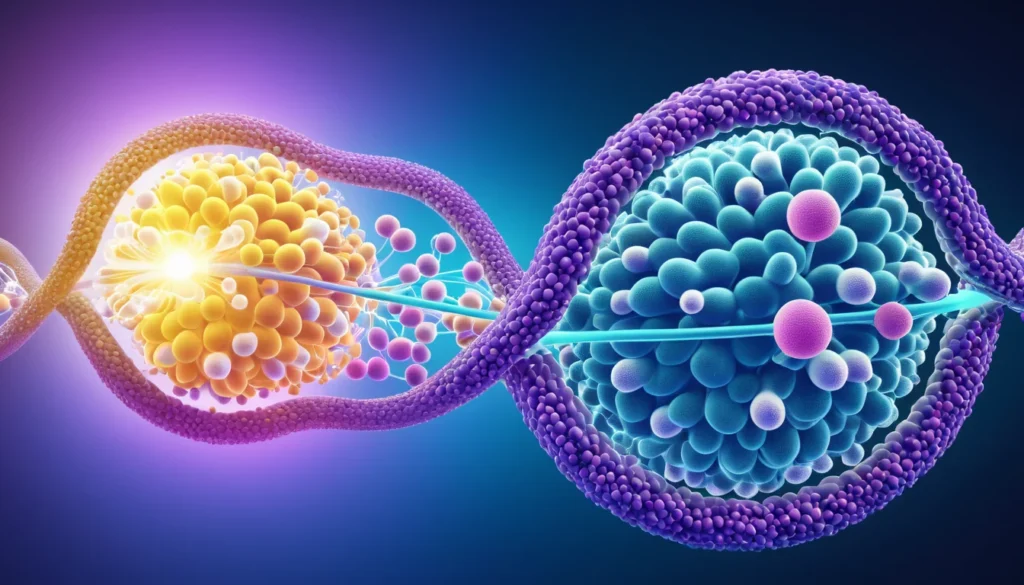
An electron acceptor is a molecule that receives electrons from another substance during a chemical reaction. When a molecule accepts electrons, it undergoes a process called reduction. The substance that gives up the electrons is called an electron donor, and it undergoes oxidation.
Together, these two processes form what scientists call a redox reaction — short for reduction-oxidation. Redox reactions are some of the most important chemical events in the human body. They happen in nearly every cell, every second of the day.
Think of it like a passing game. One molecule passes electrons to another. The receiver (the electron acceptor) becomes reduced. The passer (the electron donor) becomes oxidised. This exchange drives enormous amounts of biological activity.
How Electron Acceptors Work Inside Your Body
Your body relies on electron acceptors to produce energy. The most important electron acceptor in your body is oxygen. During cellular respiration, your cells break down glucose (sugar) and use oxygen as the final electron acceptor to generate energy in the form of ATP.
ATP stands for adenosine triphosphate. It is the main energy currency of your cells. Without oxygen acting as an electron acceptor, your cells could not produce enough ATP to keep you alive and functioning.
Other important electron acceptors in the body include molecules like NAD+ (nicotinamide adenine dinucleotide) and FAD (flavin adenine dinucleotide). These molecules collect electrons during metabolism and carry them to the mitochondria — the powerhouse of the cell — where energy is finally released.
The Role of the Mitochondria
The mitochondria are tiny structures inside your cells. They act like small power plants. Electron acceptors play a central role in the mitochondria’s electron transport chain, which is the process that generates most of your body’s energy.
During this chain reaction, electrons are passed from one molecule to the next. At the end of the chain, oxygen accepts the electrons and combines with hydrogen to form water. This is why breathing oxygen is so essential — not just to breathe, but to power every single cell in your body.
When this process works well, your cells produce energy efficiently. However, when it is disrupted — for example, by toxins, nutrient deficiencies, or disease — your energy production drops and your health can suffer.
Electron Acceptors and Oxidative Stress
You may have heard the term oxidative stress before. This is what happens when there is an imbalance between electron-donating molecules (called free radicals) and your body’s ability to neutralise them. Free radicals are unstable molecules that can damage cells, proteins, and DNA.
Electron acceptors are closely linked to this process. When redox reactions go out of balance, free radicals can build up faster than your body can manage. This is known as oxidative stress, and it has been linked to many chronic health conditions.
According to Healthline’s overview of oxidative stress, long-term oxidative stress may contribute to heart disease, diabetes, cancer, and neurodegenerative conditions like Alzheimer’s disease. Keeping your redox balance healthy is therefore an important part of long-term wellness.
What Causes Oxidative Stress?
Many everyday factors can increase oxidative stress in the body. These include smoking, excessive alcohol consumption, a poor diet, chronic stress, and exposure to environmental pollutants. In addition, intense physical exercise can temporarily raise free radical levels, though regular moderate exercise actually improves your body’s antioxidant defences over time.
Furthermore, certain medical conditions — including infections, inflammation, and metabolic disorders — can also disrupt the balance of electron acceptors and donors in the body. This is why managing chronic illness is so important for overall cellular health.
Antioxidants: Nature’s Answer to Electron Imbalance
Antioxidants are molecules that donate electrons to free radicals without becoming unstable themselves. In doing so, they help neutralise the damage that excess free radicals can cause. You can think of antioxidants as a balancing force in the body’s electron economy.
Many vitamins and minerals act as antioxidants. These include vitamin C, vitamin E, beta-carotene, and selenium. Eating a diet rich in fruits, vegetables, whole grains, and legumes provides your body with a steady supply of these protective compounds.
Colourful vegetables and fruits — such as blueberries, spinach, carrots, and bell peppers — tend to be especially rich in antioxidants. A varied, fibre-rich diet is one of the best ways to support healthy redox balance in your body.
According to the World Health Organization’s guidance on healthy diets, eating at least 400 grams of fruits and vegetables per day can significantly reduce your risk of many chronic diseases — in part by supporting healthy antioxidant levels.
Should You Take Antioxidant Supplements?
Many Canadians wonder whether they should take antioxidant supplements to support their health. The evidence here is mixed. Getting antioxidants from whole foods is generally more effective than taking supplements. In some studies, high-dose antioxidant supplements have not provided the same benefits as food-based sources.
However, some people — including older adults, those with certain medical conditions, or those with limited diets — may benefit from targeted supplementation. Always speak with your family doctor before starting any new supplement. They can review your health history and advise whether supplementation makes sense for you.
Electron Acceptors in Medicine and Treatment
The concept of the electron acceptor is not just a textbook idea. It has real applications in medicine and health research. For example, some cancer treatments use the principles of redox chemistry to target tumour cells. Certain chemotherapy drugs work by disrupting the redox balance inside cancer cells, causing them to self-destruct.
In addition, researchers are studying how changes in the body’s electron transport chain contribute to diseases like Parkinson’s disease, type 2 diabetes, and heart failure. Understanding how electron acceptors function may one day lead to better treatments for these conditions.
Hyperbaric oxygen therapy — a treatment that increases oxygen levels in the body — also works in part by enhancing the role of oxygen as an electron acceptor. This therapy is used in some Canadian hospitals for conditions like carbon monoxide poisoning and certain wounds that do not heal well.
As reported by Mayo Clinic’s overview of hyperbaric oxygen therapy, this treatment can be highly effective in specific medical situations. However, it is a specialised therapy and not appropriate for everyone.
Supporting Healthy Redox Balance in Daily Life
You do not need to understand biochemistry to support healthy electron acceptor activity in your body. Simple, everyday lifestyle choices make a significant difference. Here are some practical steps you can take.
Eat a colourful diet. Fruits and vegetables provide antioxidants that support healthy redox balance.
Exercise regularly. Moderate physical activity strengthens your body’s natural antioxidant defence systems.
Stay hydrated. Water plays a key role in many cellular chemical reactions, including redox processes.
Avoid smoking. Smoking dramatically increases oxidative stress and free radical damage.
Limit alcohol. Excessive alcohol disrupts cellular metabolism and redox balance.
Manage stress. Chronic stress raises cortisol levels and increases oxidative damage over time.
Get enough sleep. Your body repairs oxidative damage during sleep. Aim for 7–9 hours per night.
Include fibre in your diet. High-fibre foods support gut health, which is closely connected to overall inflammation and redox balance.
These habits support your mitochondria, your antioxidant systems, and your overall cellular health. Furthermore, they are the same behaviours that reduce your risk of heart disease, cancer, diabetes, and many other chronic illnesses.
When to See a Doctor
Most of the time, your body manages its own redox balance without any help. However, certain symptoms may suggest that something is off at the cellular level. These include persistent fatigue, brain fog, frequent infections, slow wound healing, and unexplained muscle weakness.
If you are experiencing any of these symptoms, it is a good idea to speak with your family doctor. They can run blood tests to check for nutrient deficiencies, thyroid problems, metabolic conditions, and other issues that may affect your cellular energy production.
If you do not have a family doctor, a walk-in clinic is a great first step. Most walk-in clinics across Canada can order basic bloodwork and refer you to a specialist if needed. Your provincial health plan covers many of these services.
Remember, this article is for general information only. Always consult a qualified healthcare provider for advice specific to your health situation. Your doctor is your best partner in managing your long-term wellbeing.
Frequently Asked Questions
What is an electron acceptor in simple terms?
An electron acceptor is a molecule that receives electrons from another molecule during a chemical reaction. This process, called reduction, is a key part of how your body produces energy. Oxygen is the most important electron acceptor in the human body.
Why is oxygen considered the most important electron acceptor in the body?
Oxygen acts as the final electron acceptor in the electron transport chain inside your cells’ mitochondria. Without oxygen accepting these electrons, your cells could not generate enough energy to survive. This is why breathing adequate oxygen is essential for every function in your body.
How does an electron acceptor relate to oxidative stress?
When the balance between electron acceptors and electron donors breaks down, free radicals can accumulate in the body. This imbalance is known as oxidative stress. Long-term oxidative stress has been linked to heart disease, diabetes, and other chronic conditions.
Can diet affect how electron acceptors work in my body?
Yes, diet plays a major role in supporting healthy electron acceptor activity. Eating foods rich in antioxidants — such as colourful fruits, vegetables, and fibre-rich whole grains — helps maintain a healthy redox balance. Nutrients like vitamin C, vitamin E, and selenium are especially important for this process.
Are antioxidant supplements better than getting antioxidants from food?
Research generally shows that getting antioxidants from whole foods is more effective than taking supplements. Whole foods contain a complex mix of nutrients that work together to support your body’s electron acceptor systems. Talk to your family doctor before starting any supplement to make sure it is right for you.
What medical conditions are linked to problems with electron acceptors?
Disruptions to electron acceptor activity and the body’s redox balance have been linked to conditions including heart disease, type 2 diabetes, Parkinson’s disease, Alzheimer’s disease, and certain cancers. Researchers are actively studying how improving redox balance might help treat or prevent these diseases. Always speak with your doctor if you have concerns about any of these conditions.
Key Takeaways
An electron acceptor is a molecule that gains electrons during a reduction reaction.
Oxygen is the body’s most vital electron acceptor, driving energy production in your cells.
Electron acceptors play a central role in the mitochondria’s electron transport chain.
When redox balance breaks down, oxidative stress can damage cells and contribute to chronic disease.
Antioxidants — found in fruits, vegetables, and whole grains — help maintain healthy redox balance.
Lifestyle choices like regular exercise, not smoking, and a fibre-rich diet support healthy cellular chemistry.
If you experience persistent fatigue, brain fog, or slow healing, speak with your family doctor or visit a walk-in clinic.
This article is for informational purposes only. Always consult a healthcare professional for personalised medical advice.