Electrical stimulation is a therapy that uses a mild electric current to stimulate body tissues. It has a wide range of uses in modern medicine and wellness, from pain relief and muscle recovery to fat reduction. In this article, we break down how electrical stimulation works, who it can help, and what Canadians should know before trying it.
What Is Electrical Stimulation?
Electrical stimulation — sometimes called electrostimulation or e-stim — is a procedure where controlled electrical pulses are applied to the body. These pulses trigger a response in muscles, nerves, or other tissues.
Healthcare providers have used electrical stimulation for decades. Today, it appears in physiotherapy clinics, hospitals, and wellness centres across Canada. Some devices are also available for home use, though professional guidance is always recommended.
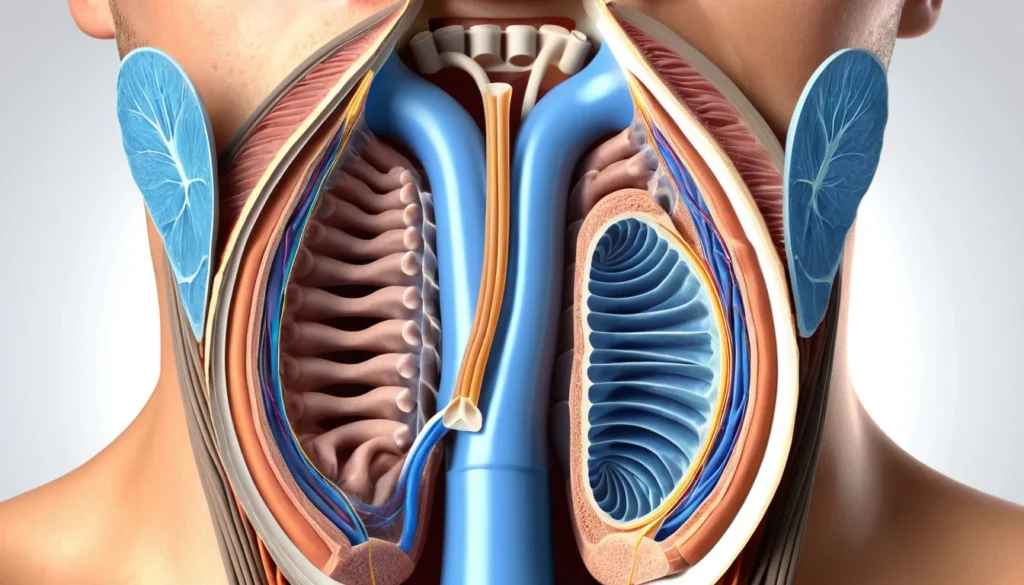
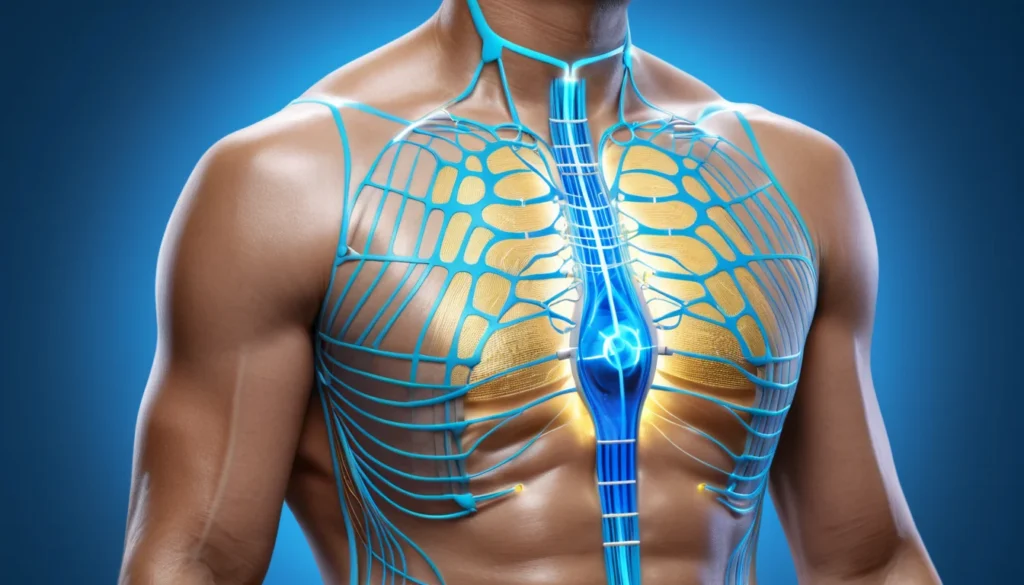
The therapy works by mimicking the natural electrical signals your nervous system sends to your muscles. This can reduce pain, improve circulation, strengthen muscles, or help break down fatty tissue, depending on how the treatment is applied.
How Does Electrical Stimulation Work?
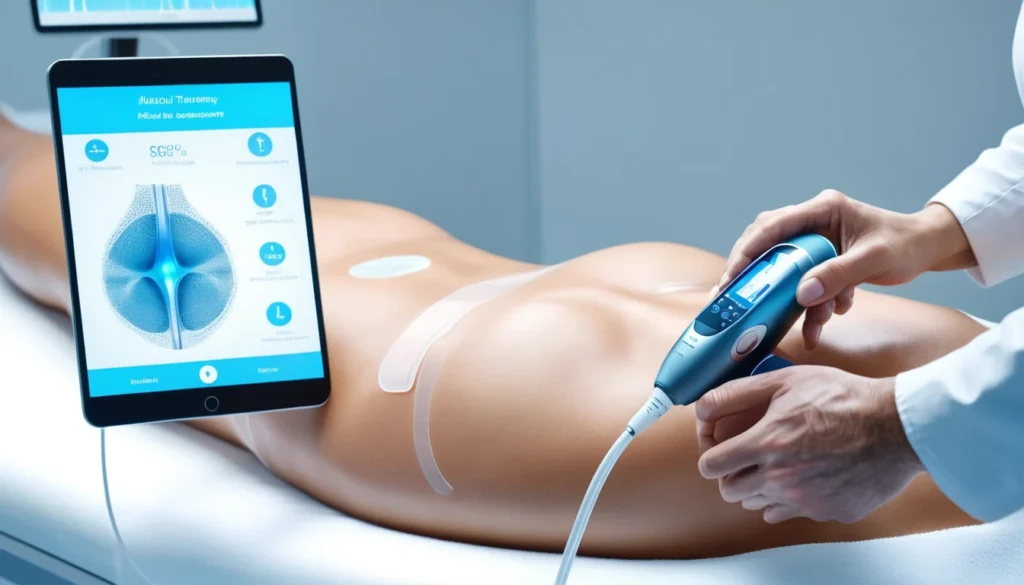
During an electrical stimulation session, a therapist or device places electrodes — small adhesive pads — on or near the target area of your body. These electrodes connect to a machine that delivers controlled electrical pulses through your skin.
The strength, frequency, and pattern of these pulses vary depending on the goal of the treatment. For example, low-frequency pulses are often used for pain relief, while higher frequencies may target muscle contraction or fat tissue.
Most people feel a mild tingling or buzzing sensation during treatment. The experience is generally comfortable and non-invasive. Sessions typically last between 15 and 45 minutes, depending on the condition being treated.
Types of Electrical Stimulation
There are several types of electrical stimulation therapy, each designed for a specific purpose. The most common include:
TENS (Transcutaneous Electrical Nerve Stimulation): Used mainly for pain management. It works by interrupting pain signals before they reach the brain.
EMS (Electrical Muscle Stimulation): Targets muscle fibres directly. It is often used in rehabilitation after injury or surgery.
Interferential Current (IFC): A deeper form of electrical stimulation used for pain and swelling in joints and soft tissue.
Neuromuscular Electrical Stimulation (NMES): Helps retrain muscles that have lost function due to injury or neurological conditions.
Lipolysis Stimulation: A specific application that targets adipose (fat) tissue to assist with body contouring and fat reduction.
Each type requires different settings and placement of electrodes. Therefore, it is important to have your treatment planned by a qualified healthcare professional.
Electrical Stimulation for Fat Reduction (Lipolysis)
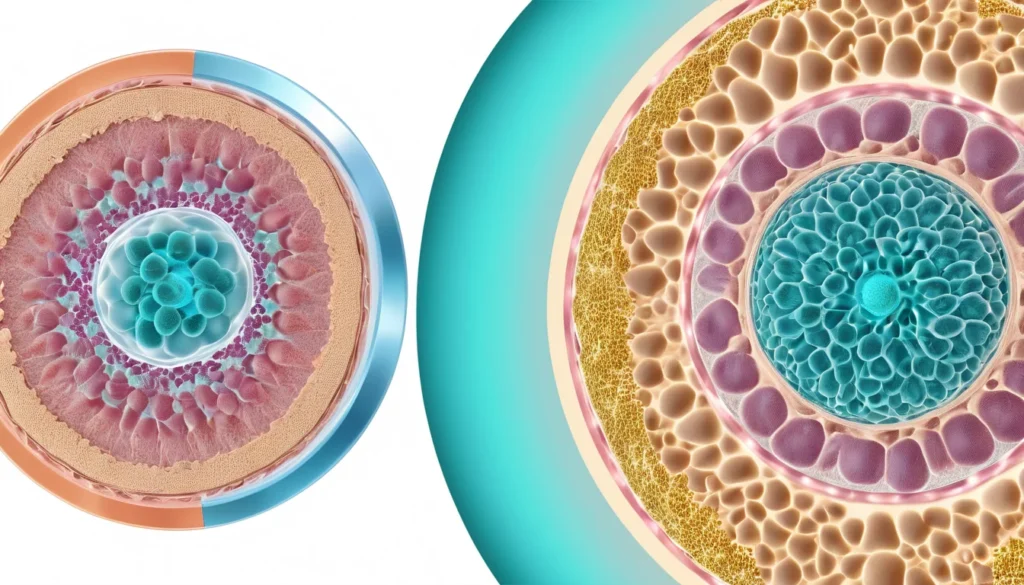
One growing use of electrical stimulation is for lipolysis — the breakdown of fat tissue. This application uses targeted electrical currents to disrupt fat cells in specific areas of the body.
The process encourages fat cells to release their stored contents, which the body then processes and eliminates naturally. As a result, some people notice a reduction in body circumference in treated areas over time.
This type of electrical stimulation is often used in medical aesthetic clinics and wellness centres as a non-surgical body contouring option. However, it is not a weight-loss treatment on its own. It works best alongside a healthy diet and regular physical activity.
Is Electrical Stimulation for Fat Loss Safe?
When performed by a trained professional using approved equipment, electrical stimulation for lipolysis is generally considered safe. Health Canada regulates medical devices used in these procedures, so always confirm that your provider uses approved equipment.
Side effects are usually mild and may include temporary redness, tingling, or mild discomfort at the electrode site. Serious complications are rare when the procedure is performed correctly.
Furthermore, results vary widely between individuals. Factors like age, metabolism, lifestyle habits, and the area being treated all influence outcomes. Consult your family doctor before starting any electrical stimulation programme for fat reduction.
Health Benefits of Electrical Stimulation
Electrical stimulation therapy offers a wide range of potential health benefits. Research supports its use in several areas of medicine and rehabilitation. According to the Mayo Clinic, TENS therapy can effectively reduce pain in conditions ranging from arthritis to post-surgical recovery.
Some of the most well-documented benefits include:
Pain relief: Electrical stimulation can reduce chronic and acute pain without medication.
Muscle rehabilitation: It helps rebuild strength and function in weakened or injured muscles.
Improved circulation: The electrical pulses can increase blood flow to treated areas, supporting tissue healing.
Reduced muscle spasms: Many physiotherapists use e-stim to calm overactive or spasming muscles.
Faster recovery: Athletes and post-surgical patients often use electrical stimulation to speed up their return to normal activity.
Body contouring support: When combined with healthy lifestyle changes, it may assist in reducing localised fat deposits.
In addition, electrical stimulation has shown promise in neurological rehabilitation. It is sometimes used to help patients regain movement after a stroke or spinal cord injury.
Who Can Benefit from Electrical Stimulation?
Electrical stimulation therapy is suitable for a wide range of people. However, it is not appropriate for everyone. A healthcare provider will assess your individual situation before recommending this therapy.
People who may benefit from electrical stimulation include:
Those dealing with chronic back, neck, or joint pain
Patients recovering from sports injuries or surgery
People with arthritis or fibromyalgia
Individuals undergoing stroke or neurological rehabilitation
Those looking for non-surgical body contouring options
Athletes seeking faster muscle recovery between training sessions
Healthline notes that electrical stimulation therapy is increasingly recommended by physiotherapists and sports medicine doctors as a complementary treatment alongside other therapies.
Who Should Avoid Electrical Stimulation?
Electrical stimulation is not suitable for everyone. You should avoid this therapy — or speak to your doctor first — if you:
Have a pacemaker or other implanted electronic device
Are pregnant
Have epilepsy or a seizure disorder
Have broken or irritated skin in the treatment area
Have active cancer in or near the treatment area
Have deep vein thrombosis (blood clots)
Always disclose your full medical history to your therapist or provider before beginning any electrical stimulation programme. This helps ensure the treatment is safe and appropriate for you.
What to Expect During and After Treatment
If you are trying electrical stimulation for the first time, knowing what to expect can help ease any concerns. Most sessions are straightforward and comfortable.
Before your session, your therapist will review your health history and explain the procedure. They will clean the skin where the electrodes will be placed, then attach the pads and gradually increase the intensity until you feel a gentle sensation.
During the session, most people feel tingling, light pressure, or mild muscle twitching. The sensation should never be painful. If you feel discomfort, let your provider know right away so they can adjust the settings.
After the session, you may notice mild redness or warmth at the electrode sites. This usually fades within an hour. Many people feel relief from pain or muscle tension immediately after treatment, though some conditions require multiple sessions before noticeable results appear.
How Many Sessions Will You Need?
The number of sessions needed depends on your condition and treatment goal. For pain management, some patients notice improvement after just a few sessions. For muscle rehabilitation or body contouring, a longer programme of 8 to 20 sessions is often recommended.
Your physiotherapist or healthcare provider will create an individualised treatment plan based on your specific needs and response to therapy. Health Canada provides information on regulated medical devices, including those used in electrical stimulation therapy, to help Canadians make informed decisions.
When to See a Doctor
If you are considering electrical stimulation therapy, it is a good idea to speak with your family doctor first. They can assess whether this treatment is right for your condition and refer you to a qualified physiotherapist or specialist.
You can also visit a walk-in clinic if your regular family doctor is unavailable. Many walk-in clinics across Canada can provide referrals to physiotherapy services, some of which may be covered under your provincial health plan. Check with your province’s health authority to understand what services are included in your coverage.
Seek prompt medical attention if you experience unusual pain, skin irritation, or unexpected side effects following an electrical stimulation session. While serious complications are rare, it is always better to have any concerns checked by a professional.
Frequently Asked Questions
Is electrical stimulation therapy covered by provincial health plans in Canada?
Coverage for electrical stimulation varies by province and by the setting in which it is delivered. When provided by a registered physiotherapist, some costs may be covered under extended health benefits or provincial programmes. Check with your provincial health authority or insurance provider for details specific to your situation.
Does electrical stimulation help with weight loss?
Electrical stimulation is not a weight-loss treatment on its own. However, targeted electrical stimulation for lipolysis may help reduce localised fat deposits when combined with a healthy diet and regular exercise. Talk to your doctor before starting any body contouring programme to make sure it is appropriate for you.
Is electrical stimulation safe to use at home?
Some home TENS devices are available over the counter in Canada and are generally considered safe for pain relief when used as directed. However, more advanced forms of electrical stimulation should only be performed by a trained professional. Always read the instructions carefully and consult your family doctor or physiotherapist before using any device at home.
How quickly does electrical stimulation work for pain relief?
Many people experience relief from pain during or shortly after their first electrical stimulation session. For chronic conditions, it may take several sessions before you notice lasting improvement. Your physiotherapist can give you a more personalised timeline based on your specific condition and response to treatment.
Can electrical stimulation damage muscles or nerves?
When performed correctly by a qualified professional using approved equipment, electrical stimulation is very unlikely to damage muscles or nerves. Skin irritation at the electrode site is the most common side effect. If you experience unusual pain, numbness, or prolonged discomfort after a session, consult your healthcare provider promptly.
Where can I get electrical stimulation therapy in Canada?
Electrical stimulation therapy is widely available at physiotherapy clinics, sports medicine centres, and some hospitals across Canada. Ask your family doctor for a referral, or search for registered physiotherapists in your area through your provincial physiotherapy association. Walk-in clinics can also provide guidance and referrals if your regular doctor is unavailable.
Key Takeaways
Electrical stimulation uses controlled electrical pulses to stimulate muscles, nerves, and other body tissues.
Common types include TENS, EMS, NMES, and lipolysis stimulation, each with a specific medical or wellness purpose.
It can help with pain relief, muscle rehabilitation, improved circulation, and body contouring.
Electrical stimulation for fat reduction (lipolysis) works best alongside healthy lifestyle habits — it is not a standalone weight-loss solution.
The therapy is generally safe when performed by a qualified professional using Health Canada-approved equipment.
People with pacemakers, epilepsy, or certain other conditions should avoid this therapy or consult their doctor first.
Talk to your family doctor or visit a walk-in clinic to find out if electrical stimulation is right for you and whether it may be covered under your provincial health plan.