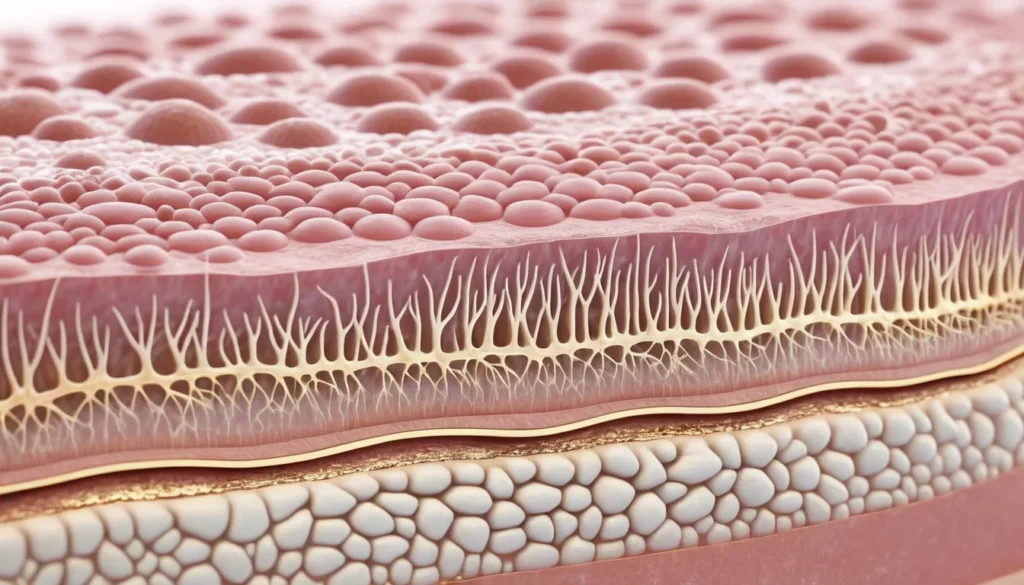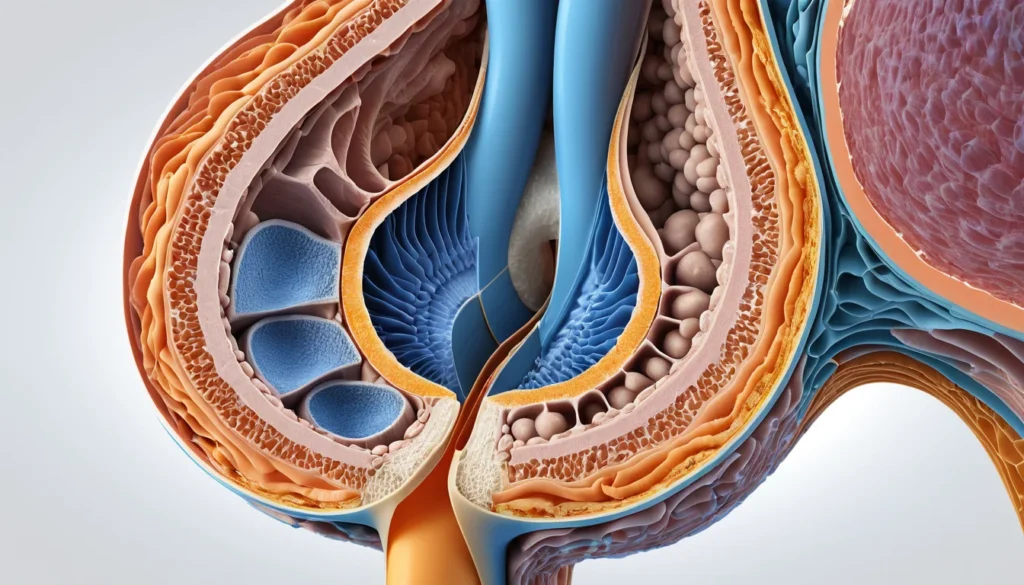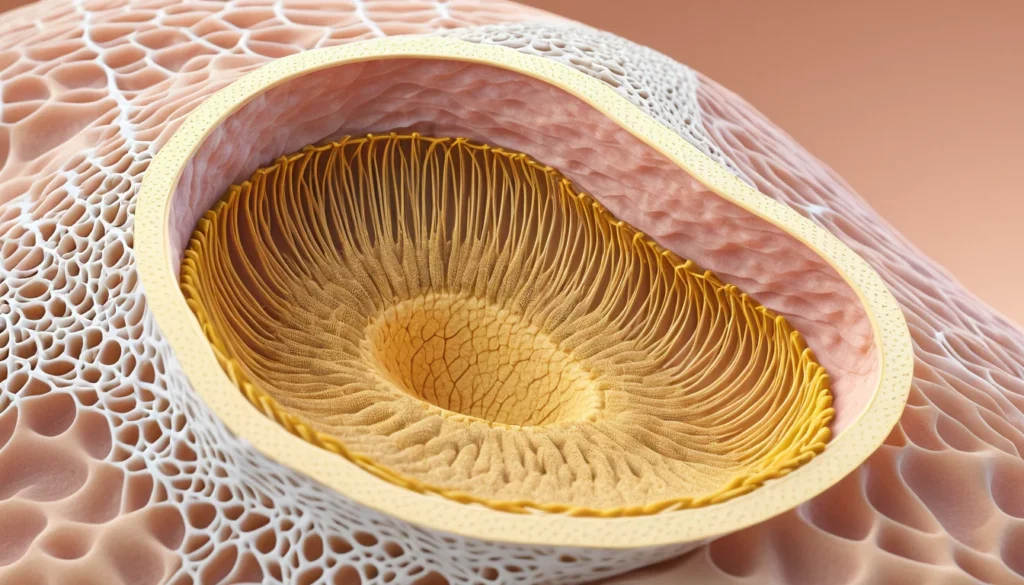
Elastin is a protein found throughout your body that gives tissues the ability to stretch and snap back into shape. It plays a key role in keeping your skin firm, your lungs flexible, and your blood vessels resilient. In this article, we explain what elastin is, how it works, why it decreases as you age, and what you can do to protect it.
What Is Elastin?
Elastin is a structural protein that makes up the elastic fibres in your body’s connective tissue. Think of it like a rubber band woven into your skin, lungs, arteries, and ligaments. It allows these tissues to stretch under pressure and then return to their original shape.
Elastin is part of a group of proteins called scleroproteins. These are tough, fibrous proteins that give structure and strength to tissues. Unlike gelatin-forming proteins, elastin does not dissolve or turn gel-like when heated in water. This makes it extremely durable and long-lasting inside the body.
Your body produces most of its elastin during childhood and adolescence. After that, production slows down significantly. This is one reason why skin and other tissues become less flexible as you grow older.
How Elastin Works in the Body
Elastin works alongside another protein called collagen. While collagen provides strength and structure, elastin provides flexibility. Together, they form a supportive network in your connective tissue.
When you take a deep breath, your lungs expand and then recoil. That recoil depends heavily on elastin. The same principle applies when your skin is pulled or pressed — elastin helps it bounce back. Without enough elastin, tissues would stay stretched or deformed after being pulled.
Elastin fibres are remarkably strong. In fact, they can stretch up to 150% of their resting length and still return to normal. This makes elastin one of the most resilient proteins in the human body.
Where Is Elastin Found?
Elastin appears in many different tissues and organs throughout the body. Here are the most important locations:
Skin: Elastin keeps skin smooth, firm, and able to bounce back after movement.
Lungs: Elastin allows lung tissue to expand with each breath and then contract.
Arteries: Blood vessel walls need elastin to handle the constant pressure of blood flow.
Ligaments: Elastin helps ligaments absorb movement and stress around joints.
Bladder: The bladder wall stretches as it fills and contracts as it empties — elastin makes this possible.
Intestines: Elastin supports the movement and flexibility of the digestive tract.
Because elastin is present in so many vital areas, keeping it healthy matters for your overall wellbeing — not just for the appearance of your skin.
Why Elastin Decreases With Age
Your body produces elastin most actively before and shortly after birth. By the time you reach your mid-twenties, elastin production begins to taper off. This is a normal part of aging, but several lifestyle and environmental factors can speed up the process.
As elastin fibres age, they can become fragmented, stiff, or calcified. This means they lose their ability to stretch and recoil properly. The result is skin that sags, wrinkles, or takes longer to bounce back after being pressed.
Factors That Break Down Elastin Faster
Several things can damage or reduce elastin in your body more quickly than normal aging alone. These include:
Sun exposure (UV radiation): Ultraviolet rays from the sun are one of the biggest threats to elastin. Repeated sun exposure breaks down elastic fibres in the skin, a condition called solar elastosis.
Smoking: Cigarette smoke triggers enzymes called elastases that directly break down elastin fibres in the lungs and skin.
Poor nutrition: A diet low in vitamins and antioxidants can impair the body’s ability to maintain connective tissue.
Chronic inflammation: Long-term inflammation from conditions like arthritis or obesity can damage elastin fibres over time.
Environmental pollution: Air pollutants can generate free radicals that damage skin proteins, including elastin.
Understanding these factors gives you the power to make choices that help protect your elastin over time. For more information on how lifestyle affects your skin and connective tissue, visit Healthline’s overview of elastin and skin health.
Elastin and Skin Health
Most Canadians first notice elastin loss through changes in their skin. Skin that was once smooth and firm may begin to sag, especially around the jaw, neck, and under the eyes. Fine lines and wrinkles become more visible as elastin fibres weaken.
Elastin loss in the skin is often called elastosis. It can be caused by aging, sun damage, or both. Photoaging — skin damage caused specifically by UV radiation — is actually one of the most common and preventable causes of elastin loss in Canada.
However, elastin’s role goes far beyond appearance. When the skin loses elasticity, it also heals more slowly. Wounds may take longer to close, and the skin may be more vulnerable to injury. This is especially important for older Canadians or those managing chronic health conditions.
Can You Rebuild Elastin in Your Skin?
This is one of the most common questions people ask. The honest answer is that once elastin fibres are broken down, they are very difficult to replace. However, there are steps you can take to protect existing elastin and support the body’s maintenance processes.
Retinoids, a family of compounds derived from vitamin A, have been shown in some studies to stimulate connective tissue production. Antioxidants like vitamin C and vitamin E help protect against free radical damage to skin proteins. Staying well hydrated and eating a balanced diet also supports skin health overall.
Many skincare products on the market claim to “restore elastin,” but it is important to approach these claims with healthy scepticism. Topically applied elastin molecules are generally too large to penetrate the skin. Always look for evidence-based ingredients and speak with a healthcare professional before starting any new skincare regimen.
Elastin and Your Internal Organs
Elastin is not just a skin concern. It plays a critical role inside the body, particularly in the lungs and cardiovascular system.
In the lungs, elastin is essential for normal breathing. Conditions like emphysema — often caused by long-term smoking — involve the destruction of elastin in the lung tissue. When lung elastin breaks down, the air sacs lose their ability to recoil after breathing in, making it harder to breathe out effectively. This leads to the feeling of breathlessness that people with emphysema experience.
In the arteries, elastin helps blood vessels handle the pressure created by each heartbeat. As elastin in artery walls declines with age or disease, arteries become stiffer. Arterial stiffness is linked to higher blood pressure and a greater risk of cardiovascular disease. Learn more about arterial stiffness and cardiovascular risk at Mayo Clinic.
Elastin and Lung Disease
Chronic obstructive pulmonary disease (COPD) is a major health concern in Canada. Smoking is the leading cause of COPD, and it works partly by triggering enzymes that destroy lung elastin. As a result, quitting smoking is one of the most powerful things you can do to protect the elastin in your lungs.
Furthermore, researchers continue to study how elastin degradation products — fragments released when elastin breaks down — may serve as markers of disease. These fragments can sometimes be measured in the blood or urine and may help doctors track the progression of lung or cardiovascular conditions.
How to Support Healthy Elastin Levels
While you cannot stop the natural aging of elastin entirely, you can take practical steps to slow the process. Many of these steps also support your general health, so they are worth building into your daily routine.
Nutrition and Diet
Eating a diet rich in antioxidants helps protect elastin from free radical damage. Foods high in vitamin C — such as citrus fruits, bell peppers, and broccoli — support connective tissue health. Zinc and copper, found in foods like nuts, seeds, and whole grains, also play a role in maintaining elastic fibres.
Protein is another important part of the picture. Your body needs amino acids to build and maintain structural proteins like elastin. Including lean meats, fish, legumes, and dairy in your diet helps ensure you have the building blocks your body needs.
Sun Protection
Using broad-spectrum sunscreen with SPF 30 or higher every day is one of the most effective things you can do to protect your skin’s elastin. In Canada, UV radiation is strong enough to cause skin damage even on cloudy days, especially from April through October. Wearing protective clothing and seeking shade during peak UV hours also helps.
Health Canada recommends regular use of sunscreen as part of a daily skin care routine. You can read more about sun safety on the Health Canada website.
Exercise and Lifestyle Habits
Regular physical activity supports circulation and overall tissue health. Exercise helps deliver oxygen and nutrients to the skin and other connective tissues. It also helps manage inflammation, which can otherwise break down elastic fibres over time.
Not smoking is equally important. If you currently smoke, quitting is one of the best decisions you can make for your elastin — and your health overall. Talk to your family doctor about smoking cessation programmes available in your province. Many provincial health plans in Canada cover cessation aids and counselling.
When to See a Doctor
Most changes to skin elasticity are a normal part of aging and do not require medical attention. However, some signs may suggest an underlying condition that is worth discussing with a healthcare professional.
You should speak with your family doctor or visit a walk-in clinic if you notice:
Sudden or significant skin changes, including unusual sagging or wrinkling
Persistent shortness of breath that gets worse over time
Easy bruising or skin that tears easily
Joint hypermobility or frequent joint injuries
A family history of connective tissue disorders such as Marfan syndrome or Ehlers-Danlos syndrome
In some rare cases, problems with elastin are linked to genetic connective tissue disorders. These conditions affect how the body produces or processes elastin and collagen. A doctor can assess your symptoms and refer you to a specialist if needed. As always, this article is for general information only — please consult your doctor for advice specific to your health.
Frequently Asked Questions About Elastin
What does elastin do in the body?
Elastin is a protein that allows tissues to stretch and return to their original shape. It is found in the skin, lungs, arteries, and ligaments, where it provides flexibility and resilience. Without enough elastin, these tissues would lose their ability to bounce back after being stretched or pressured.
What is the difference between collagen and elastin?
Collagen provides strength and structure to tissues, while elastin provides flexibility and the ability to stretch. Think of collagen as the scaffolding and elastin as the rubber that lets tissue move and recover. Both proteins work together to keep skin, blood vessels, and other tissues healthy.
Can you increase elastin naturally?
Your body produces most of its elastin before and shortly after birth, and production declines with age. However, you can protect existing elastin by eating a diet rich in antioxidants, using sunscreen daily, avoiding smoking, and staying hydrated. Some evidence suggests that vitamin A derivatives (retinoids) may help support connective tissue maintenance.
What causes loss of elastin in the skin?
The main causes of elastin loss in the skin include natural aging, UV radiation from sun exposure, smoking, and chronic inflammation. UV damage — known as photoaging — is one of the most common and preventable causes of elastin breakdown in Canada. Protecting your skin from the sun is therefore one of the most effective steps you can take.
Is elastin the same as skin elasticity?
Skin elasticity refers to the skin’s ability to stretch and return to its normal shape, and elastin is the main protein responsible for this property. When elastin fibres break down or decrease with age, skin elasticity declines as well. This is why skin tends to sag and wrinkle more as we get older.
Does smoking affect elastin?
Yes, smoking is one of the most damaging things you can do to your elastin. Cigarette smoke activates enzymes called elastases that break down elastin fibres in both the lungs and the skin. This is why long-term smokers often develop deeper wrinkles and are at higher risk of lung conditions like emphysema and COPD.
Key Takeaways
Elastin is a structural protein that gives tissues the ability to stretch and rebound.
It is found in the skin, lungs, arteries, ligaments, and other organs throughout the body.
Most elastin is produced in early life; production declines significantly with age.
Sun exposure, smoking, poor nutrition, and chronic inflammation all accelerate elastin breakdown.
You can protect your elastin by wearing sunscreen, eating a nutrient-rich diet, exercising regularly, and not smoking.
Elastin loss affects more than just your appearance — it also impacts lung function and cardiovascular health.
Speak with your family doctor or visit a walk-in clinic if you notice unusual changes in skin, breathing, or joint flexibility.
Many provincial health programmes in Canada offer resources to help with smoking cessation, which directly benefits your elastin and overall health.