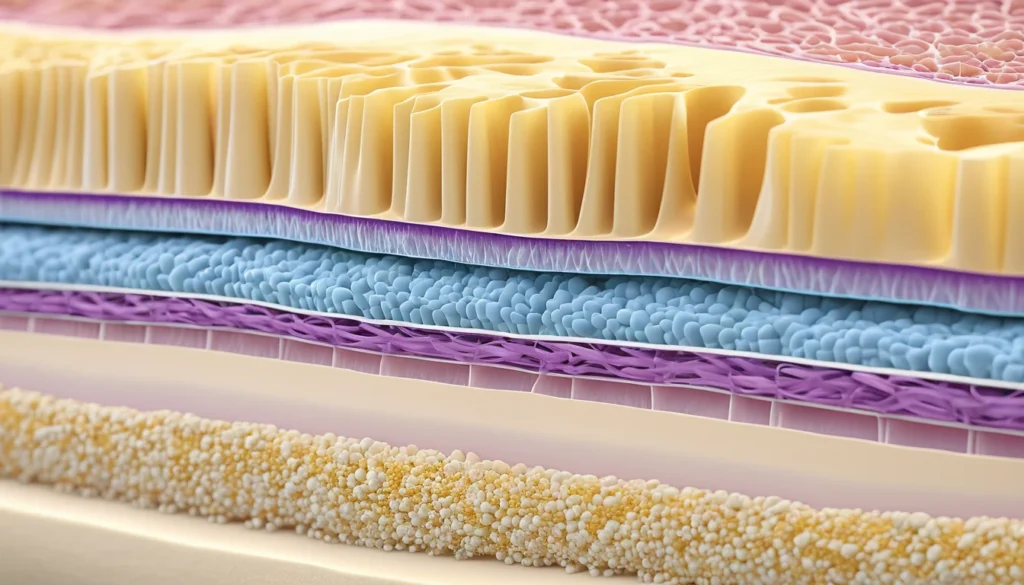
Ehlers-Danlos syndrome is a group of inherited disorders that affect the body’s connective tissue. It can cause overly flexible joints, fragile skin that bruises easily, and weakened blood vessels. In Canada, many people live with this condition for years before receiving a proper diagnosis. This article explains what Ehlers-Danlos syndrome is, what to watch for, and how it is managed within the Canadian healthcare system.
What Is Ehlers-Danlos Syndrome?
Ehlers-Danlos syndrome (EDS) is not a single condition — it is a group of at least six distinct types. Each type affects the body’s connective tissue in a different way. Connective tissue is the material that holds your skin, bones, blood vessels, and organs together.
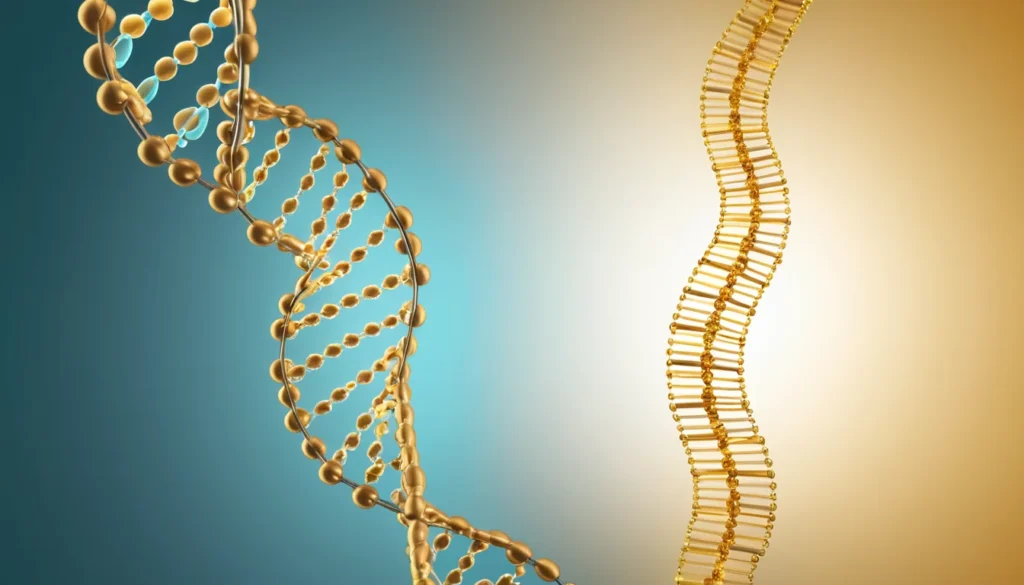
The root cause of EDS is a problem with collagen. Collagen is the protein that gives your skin and tissues their strength and structure. Gene mutations disrupt how the body makes or processes collagen. As a result, tissues become fragile and unstable.
A family history of EDS is a known risk factor. In many cases, a parent with the condition can pass it on to their children. However, some cases appear with no family history at all.
Types of Ehlers-Danlos Syndrome
There are six major types of Ehlers-Danlos syndrome. Each type has its own set of features and genetic causes. The most common type is hypermobile EDS, which mainly affects the joints.
The most serious type is vascular EDS. This is a rare form that affects the walls of blood vessels and internal organs. People with vascular EDS face a higher risk of life-threatening complications, including organ rupture. For this reason, early diagnosis is especially important.
Other types include classical EDS, kyphoscoliotic EDS, arthrochalasia EDS, and dermatosparaxis EDS. Each type involves different genetic mutations and affects the body in slightly different ways. A genetics specialist can help determine which type a person has.
Signs and Symptoms of Ehlers-Danlos Syndrome
The symptoms of Ehlers-Danlos syndrome vary depending on the type. However, many people share a common set of signs. Recognising these early can lead to faster diagnosis and better care.
Common symptoms include:
Overly flexible or unstable joints that dislocate easily
Joint pain and early-onset arthritis
Flat feet
Skin that bruises easily or feels very soft and velvety
Skin that is stretchy or fragile
Slow wound healing or wounds that reopen easily
Vision problems
Premature rupture of membranes during pregnancy
Some people with EDS also experience chronic fatigue and widespread pain. These symptoms are often mistaken for other conditions, which can delay diagnosis. If you or your child has several of these signs, it is worth speaking with your family doctor.
Skin and Joint Changes to Watch For
The skin changes in EDS can be striking. Skin may feel unusually soft or look very thin. It may also scar poorly, leaving wide or unusual-looking scars after cuts or surgery.
Joint hypermobility is another hallmark sign. This means joints move far beyond their normal range. While some people think flexible joints are a good thing, in EDS they cause pain, instability, and a higher risk of injury. Young people with EDS may develop arthritis much earlier than expected.
How Is Ehlers-Danlos Syndrome Diagnosed?
Diagnosing Ehlers-Danlos syndrome involves a combination of physical examination and laboratory testing. A specialist will look for specific signs during the exam. These may include:
Excess joint looseness and hypermobility
Thin, stretchy, or velvety skin
Mitral valve prolapse (a heart valve issue)
Signs of poor platelet function, meaning blood does not clot properly
Corneal abnormalities in the eyes
Periodontitis (gum disease)
In Canada, a referral to a medical geneticist or rheumatologist is often the next step after a family doctor suspects EDS. Wait times vary by province, so it is helpful to ask your doctor about referral options in your area. Some larger centres have connective tissue disorder clinics that specialise in conditions like EDS.
Laboratory and Imaging Tests
Several tests can support an EDS diagnosis. These include:
Collagen typing — done using a small skin biopsy sample
Genetic mutation testing — checks for known collagen gene changes
Enzyme activity tests — measures lysyl hydroxylase or oxidase activity
Echocardiography — an ultrasound of the heart to check for valve problems
Not all types of EDS have a confirmed genetic test yet. For example, hypermobile EDS is currently diagnosed based on clinical criteria alone. Your specialist will guide you through which tests are most appropriate for your situation.
For more information on genetic testing in Canada, visit the Health Canada official website.
Treatment and Management of Ehlers-Danlos Syndrome
There is no cure for Ehlers-Danlos syndrome. However, treatment focuses on managing symptoms and preventing complications. Each person’s treatment plan will be different, depending on which type of EDS they have and how severe their symptoms are.
A rehabilitation specialist or physiotherapist plays a key role in care. They can teach exercises that strengthen the muscles around unstable joints. This helps reduce dislocations and pain over time. Occupational therapy can also help people adapt daily tasks to protect their joints.
Pain Management
Chronic joint pain is one of the most difficult aspects of EDS. Pain management may include over-the-counter pain relievers, prescription medications, or physiotherapy. In some cases, a referral to a pain management clinic may be appropriate.
It is important to avoid high-impact activities that stress fragile joints and tissues. Low-impact exercise such as swimming or cycling is generally recommended. Always speak with your healthcare provider before starting a new exercise programme.
Protecting Skin and Wounds
People with EDS need to take extra care of their skin. Wounds may heal slowly or reopen easily. Protecting skin from injury and following careful wound care instructions is essential. If you need surgery, be sure your surgical team is aware of your EDS diagnosis, as wound complications are more common in this group.
Cardiovascular Monitoring
For those with vascular EDS, regular monitoring of blood vessels is critical. This may include periodic imaging of the aorta and other major vessels. A cardiologist familiar with connective tissue disorders should be part of the care team. Mayo Clinic’s overview of Ehlers-Danlos syndrome provides helpful detail on cardiovascular risks.
Complications of Ehlers-Danlos Syndrome
Most people with EDS live normal, full lives. Intelligence is not affected by this condition. However, without proper management, EDS can lead to serious complications.
Possible complications include:
Chronic joint pain and early-onset arthritis
Delayed healing of surgical wounds or sutures falling out early
Rupture of major blood vessels, including aortic aneurysm (vascular type only)
Rupture of hollow organs such as the uterus or small intestine (vascular type only)
Rupture of the eyeball
Premature rupture of membranes during pregnancy
The vascular type of EDS carries the most serious risks. Rupture of a large artery or internal organ can be life-threatening. People with vascular EDS require close, ongoing medical supervision.
Ehlers-Danlos Syndrome and Pregnancy
Pregnancy requires extra attention for people with Ehlers-Danlos syndrome. Joint instability can worsen during pregnancy due to hormonal changes. There is also a higher risk of premature rupture of membranes.
Women with EDS, especially the vascular type, should discuss their plans with both their obstetrician and a genetics specialist before conceiving. A coordinated care team helps manage risks more effectively. Your provincial health plan may cover specialist consultations related to pregnancy and genetic conditions — ask your family doctor about your coverage.
Prevention and Genetic Counselling
EDS cannot be prevented, since it is a genetic condition. However, genetic counselling is strongly recommended for anyone with a family history of the condition who is planning to have children. A genetic counsellor can explain the type of EDS in the family, how it is inherited, and what the chances are of passing it on.
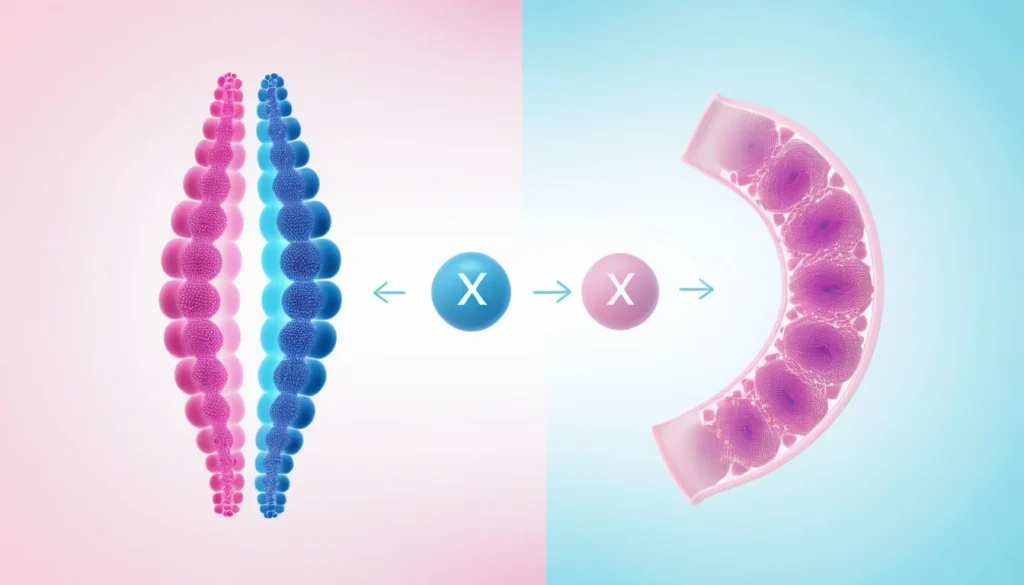
Understanding the specific type of EDS is important. Some types are inherited in an autosomal dominant pattern, meaning one copy of the altered gene is enough to cause the condition. Others follow an autosomal recessive pattern. Knowing this helps families make informed decisions.
For those at significant health risk, identifying and understanding that risk can help prevent serious complications. Careful screening and lifestyle adjustments — such as avoiding contact sports or high-impact activities — can make a meaningful difference. Learn more at Healthline’s guide to Ehlers-Danlos syndrome.
When to See a Doctor
You should speak with your family doctor if you or your child shows signs of Ehlers-Danlos syndrome. These signs include frequent joint dislocations, unusually soft or stretchy skin, or easy bruising without a clear cause.
If you have a known family history of EDS, bring this up with your doctor even if you have no symptoms yet. Early assessment can lead to earlier support and monitoring. If your regular family doctor is not available, a walk-in clinic can provide an initial assessment and referral.
Seek urgent care right away if you experience sudden, severe chest or abdominal pain. In people with vascular EDS, this could signal a life-threatening rupture. Do not wait — go to your nearest emergency department or call 911.
Always consult a qualified healthcare provider for a diagnosis or before making any changes to your treatment plan. This article is for informational purposes only and does not replace professional medical advice.
Frequently Asked Questions About Ehlers-Danlos Syndrome
What is Ehlers-Danlos syndrome and how common is it?
Ehlers-Danlos syndrome is a group of inherited connective tissue disorders that affect joints, skin, and blood vessels. The most common type, hypermobile EDS, is estimated to affect about 1 in 5,000 people worldwide. Many cases go undiagnosed for years because symptoms often overlap with other conditions.
Is Ehlers-Danlos syndrome a disability in Canada?
Ehlers-Danlos syndrome can qualify as a disability in Canada depending on how severely it affects daily functioning. People with significant pain, joint instability, or other limitations may be eligible for federal or provincial disability support programmes. Speak with your family doctor and a social worker to explore what benefits may be available to you.
Can Ehlers-Danlos syndrome be cured?
There is currently no cure for Ehlers-Danlos syndrome. Treatment focuses on managing symptoms, protecting joints and skin, and monitoring for complications. With the right support team, many people with EDS lead full and active lives.
How is Ehlers-Danlos syndrome inherited?
Ehlers-Danlos syndrome is caused by mutations in genes that affect collagen production. Depending on the type, it can be inherited in an autosomal dominant or autosomal recessive pattern. A genetic counsellor can explain the specific inheritance pattern in your family and discuss the risk of passing EDS on to children.
What type of doctor diagnoses Ehlers-Danlos syndrome?
In Canada, a family doctor is usually the first point of contact if EDS is suspected. They can refer you to a medical geneticist, rheumatologist, or a connective tissue disorder specialist for a full assessment. Some provinces have specialised clinics that focus on conditions like Ehlers-Danlos syndrome.
Does Ehlers-Danlos syndrome get worse with age?
For many people, Ehlers-Danlos syndrome symptoms can change over time. Joint instability and chronic pain may become more pronounced as a person ages. However, with proper physiotherapy, lifestyle adjustments, and ongoing medical care, many people successfully manage their symptoms throughout their lives.
Key Takeaways
Ehlers-Danlos syndrome is a group of inherited disorders affecting connective tissue, including joints, skin, and blood vessels.
There are six major types of EDS. The vascular type is the most serious and requires close medical monitoring.
Common signs include hypermobile joints, easy bruising, stretchy or fragile skin, and slow wound healing.
Diagnosis involves physical examination, genetic testing, and specialist referral. In Canada, your family doctor can start this process.
There is no cure, but physiotherapy, pain management, and lifestyle adjustments can greatly improve quality of life.
Genetic counselling is recommended for anyone with a family history of EDS who is considering having children.
Always speak with a qualified healthcare provider for guidance specific to your situation.