An EEG test, short for electroencephalogram, is a safe and painless procedure that records the electrical activity of your brain. Doctors use it to help diagnose conditions like epilepsy, sleep disorders, and other neurological problems. This article explains what an EEG test is, why you might need one, how to prepare, and what your results could mean. As always, speak with your family doctor or a qualified healthcare provider before making any medical decisions.
What Is an EEG Test?
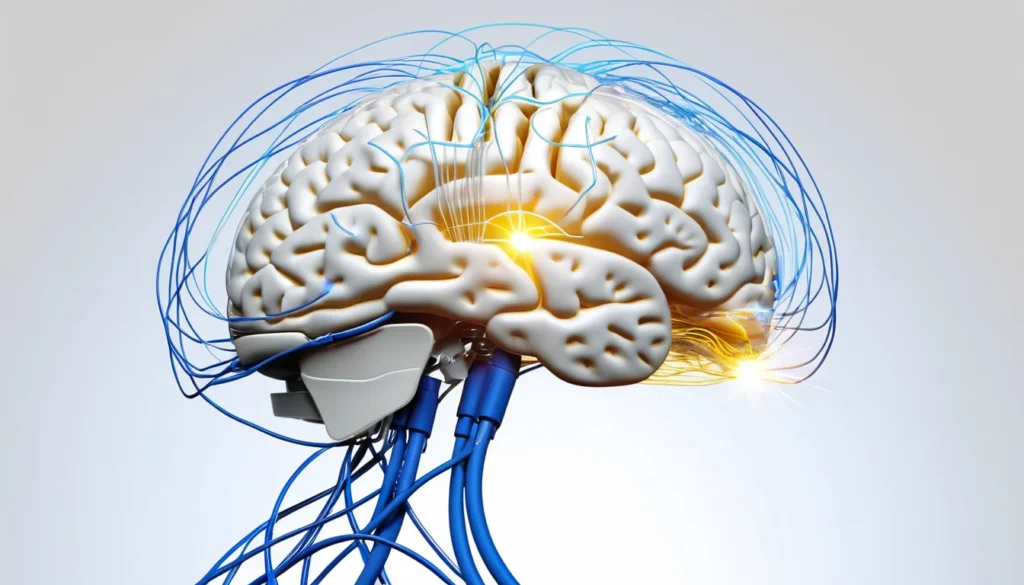
Your brain is constantly sending electrical signals. These signals control everything from your thoughts to your movements. An EEG test measures and records these signals using small sensors called electrodes.
A technician places these electrodes on your scalp. They pick up the electrical activity happening inside your brain and send the information to a computer. The computer then displays the results as a series of wavy lines — a graphic map of your brain’s activity.
The word “electroencephalogram” comes from Greek roots. “Electro” means electricity, “encephalo” refers to the brain, and “gram” means a written record. Together, they describe exactly what this test does: it creates a written electrical record of the brain.
For more background, you can visit the Mayo Clinic’s overview of EEG tests.
Why Would a Doctor Order an EEG Test?
Your family doctor or a neurologist may recommend an EEG test for several reasons. The most common reason is to investigate seizures or epilepsy. However, the test can also help with many other conditions.
Common Reasons for an EEG
Epilepsy or seizure disorders: An EEG helps confirm whether seizures are happening and what type they are.
Sleep disorders: Conditions like narcolepsy or insomnia can show unusual brain wave patterns.
Brain tumours: Abnormal electrical activity may suggest a growth in the brain.
Head injuries: After a serious head injury, doctors use an EEG to check for hidden brain damage.
Encephalitis or meningitis: These infections can inflame the brain and change its electrical signals.
Stroke: An EEG can help assess the impact of a stroke on brain function.
Dementia: In some cases, the test helps rule out other causes of memory loss or confusion.
In addition, doctors sometimes use an EEG to monitor brain activity during certain surgeries. It is also used in intensive care units to check on patients who are unconscious or in a coma.
According to Healthline’s guide on electroencephalograms, EEG tests are one of the most useful tools available for studying brain function in real time.
How to Prepare for Your EEG Test
Preparing for an EEG test is straightforward. However, following your healthcare provider’s instructions carefully will help ensure accurate results.
Before the Test
Wash your hair the night before or the morning of the test. Do not apply any hair products like gels, sprays, or conditioners. These can make it harder for the electrodes to attach properly to your scalp.
Your doctor may ask you to avoid caffeine for at least 8 to 12 hours before the test. Caffeine can affect brain activity and may interfere with the results. This means no coffee, tea, energy drinks, or cola.
In some cases, your doctor may ask you to sleep less than usual the night before. This is called a sleep-deprived EEG. It is done because lack of sleep can trigger abnormal brain activity that would otherwise be difficult to detect.
Medications
Tell your doctor about all the medications you take. This includes prescriptions, over-the-counter drugs, vitamins, and supplements. Some medications can affect brain wave patterns and may need to be adjusted before the test.
Do not stop taking any medication on your own without speaking to your doctor first. Stopping certain drugs suddenly can be dangerous.
What Happens During an EEG Test?
An EEG test is usually performed at a hospital, neurology clinic, or diagnostic imaging centre. In Canada, your provincial health plan typically covers the cost of this test when it is referred by a physician.
Step-by-Step Process
When you arrive, a trained EEG technician will greet you. They will measure your head and mark specific spots on your scalp with a special pencil. This helps them place the electrodes in the correct positions.
The technician will attach between 16 and 25 small metal electrodes to your scalp using a special conductive paste or gel. The electrodes do not send any electricity into your body. They only record the signals that are already there.
You will be asked to lie still, relax, and close your eyes. The recording usually takes between 20 and 40 minutes. During this time, the machine captures your brain’s electrical patterns.
Activation Procedures
To get the most useful information, the technician may ask you to do certain things during the test. These are called activation procedures.
Hyperventilation: You may be asked to breathe deeply and rapidly for a few minutes. This can trigger certain types of abnormal brain activity.
Photic stimulation: A strobe light flashes at different speeds in front of your eyes. This checks how your brain responds to light.
Sleep: For some EEGs, you may be asked to fall asleep during the recording. This is especially helpful for diagnosing certain sleep disorders.
The test itself is completely painless. The electrodes simply sit on your scalp and record. You will not feel any shocks or discomfort from the electrodes themselves.
Understanding Your EEG Test Results
After your EEG test, a neurologist will review the recorded brain wave patterns. They look for anything that falls outside the normal range.
Normal Brain Waves
The brain produces different types of waves depending on what you are doing. For example, alpha waves appear when you are relaxed and awake. Beta waves are present when you are alert and thinking. Delta waves are dominant during deep sleep.
A normal EEG shows a consistent and predictable pattern of these waves. There are no sudden spikes, flat lines, or irregular bursts of activity.
Abnormal Results
An abnormal EEG does not always mean something serious. However, certain patterns can point to specific conditions. Spike-and-wave patterns, for instance, are strongly linked to epilepsy. Slow waves in one area of the brain may suggest a tumour or injury in that region.
Furthermore, a completely flat EEG — meaning no electrical activity — can indicate severe brain damage. This finding is used in combination with other tests when doctors assess brain death.
It is important to remember that an EEG is just one piece of the puzzle. Your doctor will look at your full medical history, symptoms, and other test results before making any diagnosis.
Types of EEG Tests
Not all EEG tests are the same. Depending on your symptoms and what your doctor is looking for, you may have one of several different types.
Routine EEG: This is the standard test. It lasts about 20 to 40 minutes and is done while you are awake.
Sleep-deprived EEG: You stay awake longer than usual before the test. This makes abnormal activity easier to detect.
Ambulatory EEG: You wear a portable EEG recorder for 24 to 72 hours. This captures brain activity during your normal daily routine.
Video EEG: A camera records your body movements at the same time as the EEG. This helps doctors link physical symptoms with brain activity patterns.
Intraoperative EEG: This type is used during brain surgery to monitor activity in real time.
Your neurologist or family doctor will recommend the type that is most appropriate for your situation. As a result, you may need more than one type of test over time.
Are There Any Risks?
An EEG test is considered very safe. It does not involve radiation, injections, or any form of electric shock. Most people experience no side effects at all.
However, if you have epilepsy, the strobe light used during photic stimulation can occasionally trigger a seizure. Therefore, the test is always performed in a supervised medical setting where staff are trained to respond quickly.
Some people feel mildly tired after a sleep-deprived EEG. This is completely normal and passes within a few hours. You may want to arrange a ride home if you are feeling fatigued after the test.
When to See a Doctor About Brain Symptoms
If you are experiencing any unexplained neurological symptoms, it is important to speak with a healthcare professional. You do not need to wait for a crisis to seek help.
Visit your family doctor if you notice any of the following:
Unexplained seizures or convulsions
Sudden confusion or memory problems
Frequent severe headaches
Unusual sleep disturbances or blackouts
Numbness, tingling, or weakness in the limbs
Sudden changes in behaviour or personality
Your family doctor can assess your symptoms and refer you to a neurologist if needed. Most provincial health plans in Canada cover specialist referrals. If your family doctor is unavailable, a walk-in clinic can help with an initial assessment and referral.
For general guidance on brain health, the Health Canada website offers a wide range of resources on neurological conditions and mental health support across the country.
Frequently Asked Questions About EEG Tests
Is an EEG test painful?
No, an EEG test is completely painless. The electrodes placed on your scalp only record electrical signals — they do not deliver any electricity to your body. Most people find the procedure very easy to tolerate.
How long does an EEG test take?
A routine EEG test typically takes between 20 and 40 minutes. However, some types — like an ambulatory EEG — can record brain activity over 24 to 72 hours. Your technician will let you know exactly what to expect for your specific test.
Is an EEG test covered by provincial health insurance in Canada?
In most Canadian provinces, an EEG test is covered by your provincial health plan when it is ordered by a licensed physician. Coverage details can vary slightly by province, so it is a good idea to confirm with your doctor’s office or provincial health authority before your appointment.
Can an EEG test detect anxiety or depression?
An EEG test is not typically used to diagnose anxiety or depression. It is mainly used to detect neurological conditions like epilepsy, sleep disorders, and brain injuries. If you are concerned about anxiety or depression, speak with your family doctor about the right assessment tools.
What should I do if my EEG test results are abnormal?
If your EEG test shows abnormal results, your doctor will discuss what they mean in the context of your overall health. An abnormal result does not automatically mean something serious, but it will usually lead to further testing or a referral to a neurologist. Try not to panic — your healthcare team will guide you through the next steps.
Can children have an EEG test?
Yes, an EEG test is safe for children of all ages, including infants. It is one of the most common neurological tests performed in paediatric care in Canada. A child life specialist or parent is usually present to help keep young children calm during the procedure.
Key Takeaways
An EEG test records the electrical activity of the brain using small electrodes placed on the scalp.
It is a safe, painless, and non-invasive procedure with no radiation involved.
Doctors use it to diagnose epilepsy, sleep disorders, brain injuries, and other neurological conditions.
There are several types of EEG tests — your doctor will recommend the right one for your situation.
Preparation is simple: wash your hair, avoid caffeine, and follow any specific instructions from your doctor.
In most Canadian provinces, EEG tests are covered by provincial health plans when referred by a physician.
If you have any unexplained neurological symptoms, talk to your family doctor or visit a walk-in clinic as a first step.
Always consult a qualified healthcare provider before drawing conclusions from any medical test result.