Edema is the medical term for swelling caused by excess fluid trapped in your body’s tissues. It most often affects the legs, ankles, and feet, but it can also appear in the hands, face, and other parts of the body. Edema is common in pregnant women and older adults, but it can affect anyone at any age. This article explains what causes edema, what symptoms to watch for, and when to speak with your family doctor or visit a walk-in clinic.
What Is Edema?
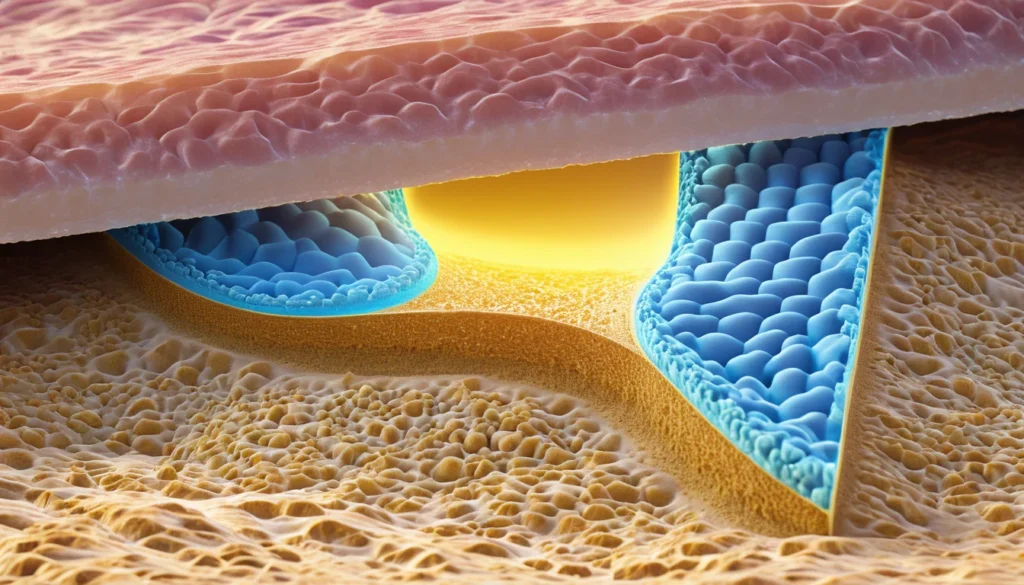
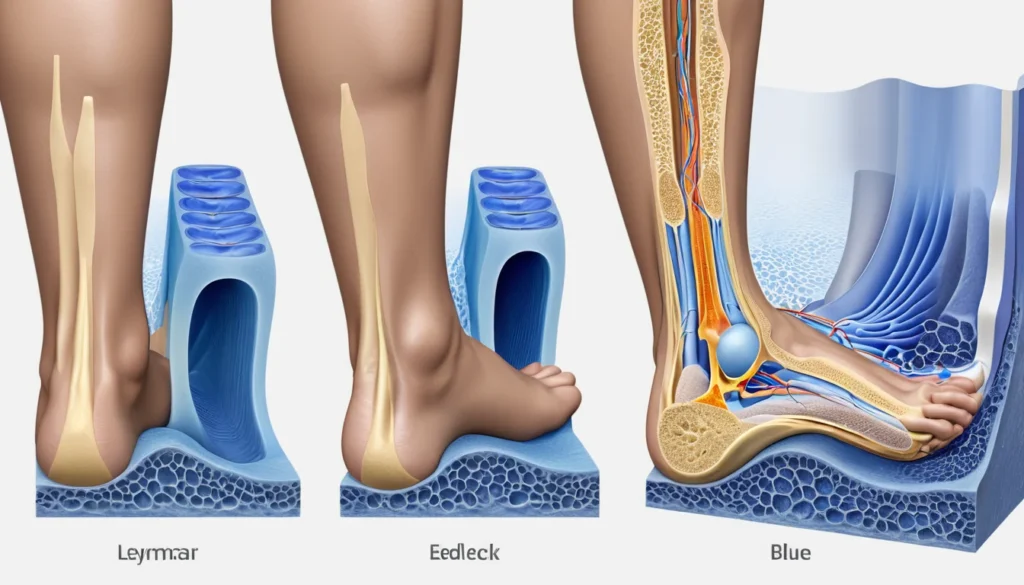
Edema happens when fluid leaks out of your blood vessels and builds up in the spaces between your body’s tissues. This causes visible puffiness or swelling under the skin. The excess fluid usually collects in the lower parts of the body, such as the ankles and feet, due to gravity.
This type of lower-body swelling is called peripheral edema. In some cases, fluid can also build up in the lungs or abdomen, which requires immediate medical attention.
Two Main Types of Edema
There are two main clinical types of edema. The first is called pitting edema. When you press on the swollen area, a small dent or “pit” stays in the skin for a few seconds after you lift your finger. You may also notice sock-line marks on your ankles at the end of the day.
The second type is non-pitting edema. Pressing on this type of swelling leaves no dent. It is most often found in the arms and legs. In some cases, edema has no known cause — this is called idiopathic edema. It is more common in women and may be linked to hormonal changes.
Cyclic Edema
Some women experience swelling in their legs before their menstrual period or around the time of perimenopause. This is known as cyclic edema. It tends to come and go with hormonal changes and is generally not dangerous. However, it is still worth mentioning to your doctor.
Common Symptoms of Edema
Recognizing the symptoms of edema early can help you get the right care sooner. Symptoms can range from mild to severe depending on the underlying cause.
Common signs of edema include:
Swollen legs, ankles, or feet
Puffiness in the hands or face
Skin that looks stretched or shiny
A dent left in the skin after pressing it (pitting edema)
A feeling of heaviness or achiness in the legs
Burning, tingling, or discomfort in swollen areas
Bloating or swelling in the abdomen
Night sweats alongside swelling
Skin that feels warm or hot to the touch
Furthermore, if you notice sudden or severe swelling — especially in one leg — seek medical care right away. This could signal a blood clot, which is a serious condition.
What Causes Edema?
Edema has many possible causes. Because treatment depends on the root cause, getting an accurate diagnosis is very important. Some causes are minor and easy to manage. Others point to a more serious health condition.
Lifestyle and Environmental Causes
Some everyday habits and situations can lead to mild edema. These are usually not dangerous but can be uncomfortable.
Sitting or standing for long periods — especially in warm weather — allows fluid to pool in the feet and ankles.
A high-salt diet causes your body to hold onto extra water. Reducing sodium in your meals can help reduce swelling.
Prolonged sun exposure can also trigger temporary fluid build-up under the skin.
Insect bites or spider bites can cause local swelling as part of the body’s natural reaction.
Medical Conditions That Cause Edema
Several health conditions can lead to edema. These include:
Pregnancy — The growing uterus presses on a major vein called the vena cava, and the hormone progesterone relaxes blood vessel walls. Both effects can lead to fluid retention. In some cases, swelling during pregnancy may be caused by a serious condition called preeclampsia, which requires immediate care.
Heart failure — When the heart does not pump efficiently, fluid backs up into the lungs and other tissues. This is known as congestive heart failure.
Kidney disease — The kidneys may not remove enough fluid and sodium from the body, leading to build-up in the tissues.
Liver disease — Liver problems can lower the level of a protein called albumin in the blood. Without enough albumin, fluid leaks out of blood vessels into surrounding tissue.
Thyroid problems — Both an underactive and overactive thyroid can cause fluid retention.
High or low blood pressure — Both conditions can disrupt normal fluid balance in the body.
Chronic venous insufficiency — Weakened valves in the leg veins make it harder for blood to travel back up to the heart. Fluid then pools in the legs and can even contribute to varicose veins.
Serious lung diseases — Conditions like emphysema and chronic bronchitis can raise pressure in the blood vessels leading to the lungs, causing fluid build-up.
Low protein levels from malnutrition — Without enough protein in the blood, fluid cannot stay inside the blood vessels properly.
Obesity — Excess body weight puts added pressure on the knees and legs, and makes it harder for blood to return from the lower limbs to the heart.
Medications That May Cause Edema
Some medications can cause fluid retention as a side effect. These include anti-inflammatory drugs, certain blood pressure medications, corticosteroids, anabolic steroids, and oral contraceptives. If you think one of your medications is causing swelling, do not stop taking it without speaking to your doctor first.
For more detailed information on conditions linked to swelling, visit the Mayo Clinic’s overview of edema causes.
Edema in Children and Infants
Edema in children and babies is less common than in adults, but it is often a sign of a more serious underlying condition. For this reason, any noticeable swelling in a child should be assessed by a doctor promptly.
Nephrotic Syndrome in Children
One cause of edema in children is nephrotic syndrome, a kidney disorder. The swelling often appears around both eyes — a condition called periorbital edema — and may also affect the legs. Children with this condition often gain weight due to fluid accumulation. A simple urine test can help confirm the diagnosis.
However, periorbital edema in children can also result from allergies, eye infections such as conjunctivitis, congestive heart failure, or liver disease. All of these need proper medical evaluation.
Edema in Children With Diabetes
Children with type 1 diabetes may develop edema as a side effect of insulin treatment. In rare cases, this can be a sign of cerebral edema — swelling of the brain — which is a serious complication. Always report any new swelling in a diabetic child to their paediatrician right away.
Pulmonary Edema in Children
Children with blockages in their upper airway are at risk of developing pulmonary edema, or fluid in the lungs. This can also occur after a head injury, seizure, or accidental swallowing or inhaling of a chemical substance. Pulmonary edema is a medical emergency.
How Is Edema Diagnosed?
A doctor will start by reviewing your medical history and performing a physical exam. They will look at the swollen area to see if the skin appears stretched, shiny, red, or shows signs of infection. They will gently press on the swollen skin to check for pitting.
Depending on the suspected cause, your doctor may order additional tests. These can include blood tests, urine tests, an ultrasound, a chest X-ray, or an electrocardiogram (ECG) to check heart function. In Canada, your family doctor can order most of these tests through your provincial health plan.
According to Health Canada, managing chronic conditions early helps prevent serious complications. Getting a proper diagnosis for edema is the first step toward effective treatment.
Treatment and Management of Edema
Treatment for edema depends entirely on what is causing it. There is no single solution that works for everyone. Addressing the root cause is the most effective approach.
Common treatment approaches include:
Reducing salt intake — Eating less sodium helps the body release stored fluid naturally.
Diuretics (“water pills”) — Your doctor may prescribe medication to help your kidneys remove excess fluid. Do not use over-the-counter diuretics without medical advice.
Compression stockings — These help push fluid out of the legs and improve circulation. They are widely available at Canadian pharmacies.
Elevating the legs — Raising your legs above your heart level for short periods each day helps fluid drain away from the ankles and feet.
Regular movement — Walking and light exercise encourage circulation and reduce fluid pooling.
Managing underlying conditions — Treating heart disease, kidney disease, or other causes directly often reduces edema as a result.
Adjusting medications — If a medication is causing your swelling, your doctor may change your dose or switch you to an alternative.
For additional guidance on managing fluid retention at home, Healthline’s edema resource offers practical tips reviewed by medical professionals.
When to See a Doctor
Mild swelling from sitting too long or eating too much salt often goes away on its own. However, edema can sometimes signal something more serious. It is important to know when to seek help.
See your family doctor or visit a walk-in clinic if:
Swelling does not go away after a day or two of rest and elevation
The swelling is getting worse over time
You have swelling along with shortness of breath or chest pain
You have pain, redness, or warmth in a swollen leg (possible blood clot)
You are pregnant and notice sudden swelling in your face, hands, or feet
Your child has unexplained swelling around the eyes or body
You have a known heart, kidney, or liver condition and your swelling has changed
Call 911 or go to the emergency room immediately if: you have sudden swelling with chest pain, difficulty breathing, or you feel faint. These can be signs of a heart or lung emergency.
Most provincial health plans in Canada cover visits to your family doctor and diagnostic testing for edema. If you do not have a family doctor, walk-in clinics can assess mild to moderate swelling and refer you for further testing if needed.
Frequently Asked Questions About Edema
What is the most common cause of edema?
The most common causes of edema include sitting or standing for long periods, eating a high-salt diet, and pregnancy. However, edema can also result from underlying medical conditions such as heart failure, kidney disease, or liver problems. If your swelling is persistent or unexplained, a doctor can help identify the cause.
Is edema dangerous?
Edema itself is a symptom, not a disease, so whether it is dangerous depends on what is causing it. Mild edema from lifestyle factors is usually harmless. However, edema linked to heart failure, kidney disease, or a blood clot can be serious and requires prompt medical attention.
How can I reduce edema at home?
You can reduce mild edema at home by lowering your salt intake, elevating your legs when resting, wearing compression stockings, and staying active with light walking. These strategies help improve circulation and encourage your body to release excess fluid. Always speak with your doctor before starting any treatment, especially if you have an underlying health condition.
Can medications cause edema?
Yes, certain medications can cause edema as a side effect, including some blood pressure drugs, anti-inflammatory medications, corticosteroids, and oral contraceptives. If you suspect your medication is causing swelling, talk to your family doctor or pharmacist. Never stop taking a prescribed medication without medical guidance.
What does pitting edema mean?
Pitting edema means that when you press on the swollen area and release, a small dent or “pit” remains in the skin for several seconds. This is a sign that excess fluid is present in the tissue beneath the skin. Pitting edema is commonly seen in the ankles and lower legs and is often associated with heart, kidney, or venous conditions.
When should I go to the ER for edema?
Go to the emergency room immediately if your edema is accompanied by chest pain, shortness of breath, or sudden severe swelling — these can be signs of a heart or lung emergency. Sudden swelling in one leg with pain or redness may indicate a blood clot and also requires urgent care. Pregnant women who develop sudden swelling in the face or hands should seek emergency attention as it may signal preeclampsia.