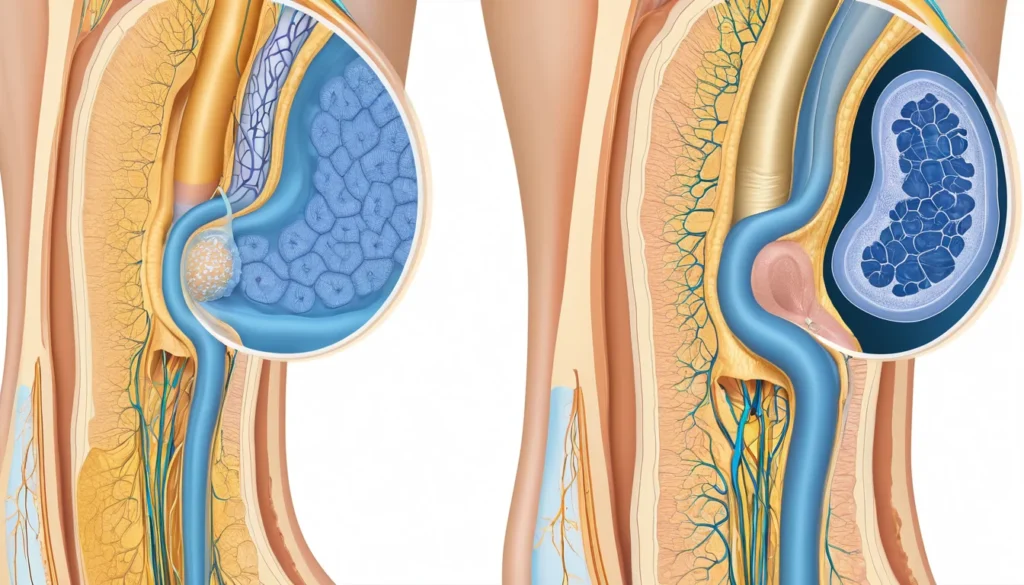
Edema is the medical term for abnormal fluid retention in the body’s tissues. It happens when excess fluid builds up in the spaces between your cells, causing visible swelling. In Canada, edema affects people of all ages and can signal anything from a minor issue to a serious underlying condition. This article explains what causes edema, how to recognize it, and what treatments are available through your family doctor or local health centre.
What Is Edema?
Edema occurs when the body holds onto more fluid than it should. Normally, fluid moves in and out of tissues in a carefully controlled balance. However, when that balance breaks down, fluid accumulates and causes swelling.
The swelling can appear almost anywhere in the body. However, it most commonly affects the legs, ankles, and feet. In more serious cases, fluid can collect in the abdomen or around the lungs.
Edema is not a disease on its own. Instead, it is a symptom of an underlying problem. That is why identifying the root cause is so important for proper treatment. Learn more about edema from the Mayo Clinic.
Common Causes of Edema
There are two main types of factors that lead to edema: mechanical factors and physiochemical factors. Understanding the difference helps your doctor choose the right treatment approach.
Mechanical Causes
Mechanical causes involve physical blockages or disruptions in how fluid moves through the body. These blockages prevent normal fluid drainage and cause it to pool in the tissues.
Venous obstructions are a common mechanical cause. Conditions like phlebitis (inflammation of a vein) and heart failure can slow or block blood flow. As a result, fluid leaks out of the veins and into surrounding tissue.
Lymphatic obstructions are another mechanical cause. The lymphatic system acts as a drainage network in the body. When lymph vessels become inflamed or blocked, fluid cannot drain properly and swelling develops.
Physiochemical Causes
Physiochemical causes involve changes in the body’s chemistry that affect how fluid is retained. These causes are often linked to underlying health conditions.
Kidney disorders, such as nephrotic syndrome, are a well-known example. When the kidneys do not function properly, they cannot filter fluid effectively. Furthermore, low protein levels in the blood can reduce the pressure that keeps fluid inside blood vessels, allowing it to leak into tissues.
Poor nutrition and protein deficiency can also contribute to edema. This is less common in Canada but can occur in people with certain chronic illnesses or eating disorders. Healthline offers a detailed overview of edema causes and types.
Recognizing the Symptoms of Edema
Edema symptoms can range from mild and barely noticeable to severe and debilitating. Knowing what to look for helps you seek care at the right time.
Early Signs
One of the first signs of edema is unexplained weight gain. This happens because the body is retaining extra fluid before visible swelling appears. You may notice your clothes or shoes feel tighter than usual.
Fatigue is another early sign, especially with lower-leg edema. Many people notice their legs feel heavy and tired by the end of the day. This symptom tends to worsen as the day goes on.
Visible Swelling
As edema progresses, visible puffiness or swelling appears. The skin over the swollen area may look stretched or shiny. In some cases, pressing a finger into the swollen area leaves a temporary indentation, which is known as pitting edema.
Swelling in the lower limbs is the most common presentation. However, edema can also affect the abdomen, face, chest, and calves. When fluid collects in the abdominal cavity, this is called ascites. When it gathers around the lungs, it is called a pleural effusion.
Bilateral vs. Unilateral Edema
Doctors pay close attention to whether the swelling appears on both sides of the body or just one side. This distinction is an important clue about the underlying cause.
Bilateral edema affects both legs equally. This pattern often points to a systemic problem, such as heart failure, kidney disease, or low protein levels.
Unilateral edema affects only one leg or one side of the body. This pattern more often suggests a localized problem. For example, deep vein thrombosis (DVT), phlebitis, or varicose veins on one side can cause one-sided swelling. Unilateral edema should always be assessed promptly, as DVT can be dangerous if untreated.
How Edema Is Diagnosed
Your family doctor will begin with a physical examination and a review of your medical history. They will check the location, extent, and firmness of the swelling. They will also ask about any related symptoms, such as shortness of breath or fatigue.
Blood tests and urine tests help check kidney and liver function, as well as protein levels. These results give your doctor important clues about what is causing the edema.
Imaging tests, such as an ultrasound, may be ordered to check blood flow in the veins or look for clots. In some cases, a chest X-ray or echocardiogram may be needed to assess heart function. Your provincial health plan typically covers these diagnostic tests when ordered by a physician.
Treatment Options for Edema
Edema treatment depends entirely on its underlying cause. There is no single treatment that works for everyone. However, there are several common approaches your healthcare provider may recommend.
Diuretics and Low-Sodium Diet
In many cases, the first step in treating edema is helping the kidneys remove excess fluid through urine. Diuretics, sometimes called “water pills,” are medications that encourage this process.
A low-sodium (low-salt) diet is almost always recommended alongside diuretics. Salt causes the body to hold onto water. Therefore, cutting back on sodium helps reduce fluid retention significantly. Health Canada recommends limiting sodium intake to reduce the risk of fluid-related complications.
Treatment for Venous Insufficiency and Phlebitis
Unilateral edema caused by phlebitis is often treated with anticoagulant (blood-thinning) medications. These drugs help dissolve clots and restore normal blood flow.
When the cause is chronic venous insufficiency or varicose veins, compression stockings are highly effective. These specially designed stockings apply gentle pressure to the legs. As a result, they help push fluid back up into the circulation and reduce swelling. You can obtain compression stockings through a pharmacy or medical supply store, and some provincial health plans may cover part of the cost.
Treatment for Heart-Related Edema
Bilateral edema caused by heart failure requires a more comprehensive approach. Treatment typically includes a combination of diuretics, cardiotonic medications (which strengthen the heart muscle), and vasodilators (which widen blood vessels).
Managing heart-related edema is an ongoing process. Your doctor will monitor your weight daily and adjust medications as needed. Regular follow-up appointments are essential for keeping this type of edema under control.
Lifestyle Adjustments
In addition to medication, certain lifestyle changes can help manage edema. Elevating your legs above the level of your heart while resting helps fluid drain away from the lower limbs. Regular, gentle movement such as walking also encourages circulation.
Staying active, maintaining a healthy weight, and following a balanced, low-sodium diet all support long-term management. These steps complement any medical treatment your doctor prescribes. Explore healthy living resources from Health Canada.
When to See a Doctor
You should see your family doctor if you notice unexplained swelling anywhere in your body, especially if it is new or getting worse. Edema is almost always a sign of an underlying condition that needs proper assessment.
Go to a walk-in clinic or emergency room right away if the swelling is sudden and affects one leg, especially if it is accompanied by pain, redness, or warmth. These can be signs of a deep vein thrombosis, which is a medical emergency.
Also seek immediate care if you experience swelling along with shortness of breath, chest pain, or difficulty breathing. These symptoms may point to a serious heart or lung problem. Do not wait for a scheduled appointment in these situations.
As a general rule, never try to self-diagnose or self-treat edema. Always consult a qualified healthcare provider before starting any new treatment, including over-the-counter diuretics or supplements.
Frequently Asked Questions About Edema
What is the most common cause of edema in the legs?
The most common causes of leg edema include venous insufficiency, heart failure, and kidney disease. Prolonged sitting or standing can also cause mild, temporary edema in the lower legs. If your leg swelling is persistent or worsening, speak with your family doctor to find the underlying cause.
Is edema dangerous?
Edema itself is a symptom, but some of its underlying causes can be very serious. For example, edema linked to heart failure, kidney failure, or deep vein thrombosis requires prompt medical attention. Always have unexplained or sudden edema evaluated by a healthcare professional.
Can edema go away on its own?
Mild edema caused by standing for long periods or minor injury may resolve on its own with rest and elevation. However, edema caused by an underlying health condition will not go away without treating the root cause. If swelling persists for more than a few days, see your doctor.
What foods should I avoid if I have edema?
High-sodium foods are the main dietary concern for people with edema, as salt causes the body to retain more fluid. Processed foods, canned soups, fast food, and salty snacks are common sources of excess sodium in the Canadian diet. Your doctor or a registered dietitian can help you create a low-sodium meal plan.
What is the difference between bilateral and unilateral edema?
Bilateral edema affects both legs and usually points to a systemic condition such as heart failure or kidney disease. Unilateral edema affects only one limb and is more often caused by a localized problem, such as a blood clot or varicose veins. Your doctor will use this distinction to guide diagnosis and treatment of edema.
Are diuretics safe to take for edema?
Prescription diuretics can be safe and very effective when used under medical supervision for treating edema. However, they can cause side effects such as electrolyte imbalances and dehydration if not properly monitored. Always use diuretics only as directed by your doctor and never take them without a prescription.
Key Takeaways
Edema is abnormal fluid retention in the body’s tissues, most often seen as swelling in the legs, ankles, or feet.
It can be caused by mechanical factors (such as venous or lymphatic blockages) or physiochemical factors (such as kidney disease or low protein levels).
Early signs include unexplained weight gain and fatigue, followed by visible swelling.
Unilateral edema (one side) and bilateral edema (both sides) point to different underlying causes and require different treatments.
Treatment options include diuretics, low-sodium diet, compression stockings, anticoagulants, and heart medications, depending on the cause.
Always see your family doctor or walk-in clinic for any unexplained or persistent swelling.
Seek emergency care immediately if swelling is sudden, painful, or accompanied by shortness of breath or chest pain.