Eczema is one of the most common skin conditions in Canada, affecting up to 30% of children and 10% of adults. It causes dry, itchy, and inflamed skin that flares up in cycles. While eczema is not contagious, it can seriously affect your daily life and sleep. The good news is that with the right care, most people can manage their symptoms effectively.
What Is Eczema?
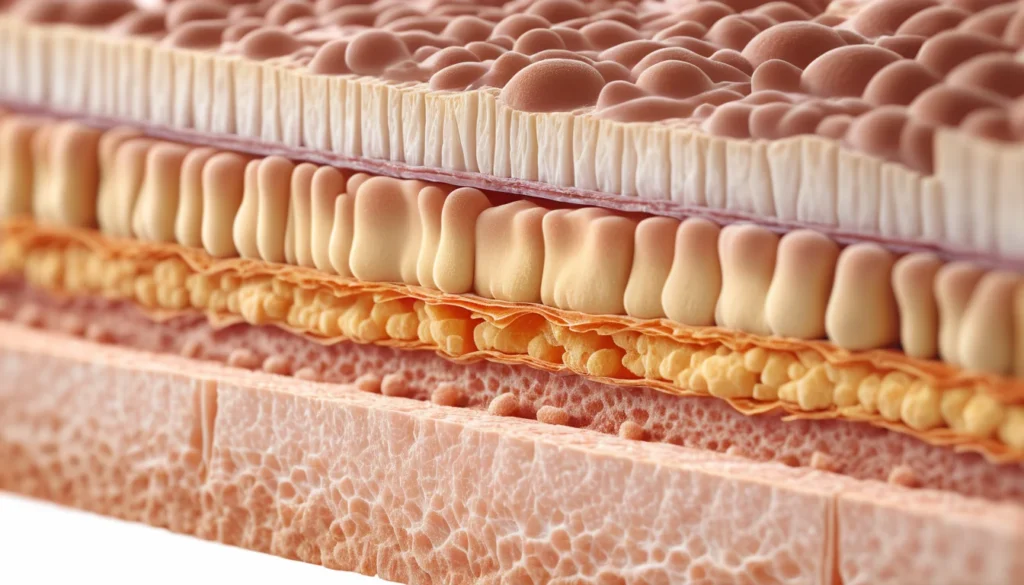
Eczema — also called dermatitis — is an inflammatory skin condition. It weakens the skin’s natural protective barrier, making it more sensitive to irritants and allergens. The result is red, itchy, and sometimes painful skin that can crack, blister, or crust over.
Eczema tends to come and go in flare-ups rather than staying constant. Many people have long periods with few or no symptoms, followed by sudden worsening. According to Health Canada, skin conditions like eczema are among the most frequent reasons Canadians visit their family doctor or walk-in clinic.
Eczema affects people of all ages, from newborns to seniors. About 50% of people with eczema have a family history of allergic conditions such as asthma or hay fever.
Common Eczema Symptoms to Watch For
Eczema symptoms can vary from mild to severe. They also differ depending on your age and the type of eczema you have. However, most people experience a similar set of warning signs.
The most common symptoms include:
Intense itching — often worse at night, ranging from mild to severe
Dry, flaky, or thickened skin — the skin may crack or feel rough
Redness and inflammation — skin looks irritated or swollen
Small blisters — these may ooze fluid and then crust over
Honey-coloured crusts — a sign that the skin may also be infected
Rashes on specific areas — commonly the face, scalp, hands, elbows, knees, and feet
Secondary skin infections — scratching can introduce bacteria into broken skin
In babies, eczema often appears on the cheeks and scalp first. In older children and adults, it tends to show up in the creases of the elbows, knees, and wrists.
What Causes Eczema?
The exact cause of eczema is not fully understood. However, researchers believe it results from a combination of genetic and environmental factors. If one or both of your parents have eczema, asthma, or allergies, you are more likely to develop it too.
Eczema is linked to an overactive immune response. When the skin comes into contact with a trigger, the immune system reacts too strongly. This causes the inflammation and itching that are typical of eczema.
In addition, people with eczema often have a weakened skin barrier. This means their skin loses moisture more quickly and lets in irritants more easily. As a result, the itching and inflammation can become a difficult cycle — the more you scratch, the worse the skin barrier becomes.
Common Eczema Triggers
Many everyday things can trigger an eczema flare-up. Knowing your personal triggers is one of the best ways to manage the condition. Common triggers include:
Irritants: soaps, detergents, fragrances, cosmetics, and synthetic fabrics
Allergens: dust mites, mould, pet dander, pollen, and certain foods
Food sensitivities: dairy, eggs, nuts, citrus fruits, and food additives
Stress: emotional stress does not cause eczema, but it can make symptoms worse
Temperature changes: extreme cold or heat, low humidity, and excessive sweating
Hormonal changes: symptoms may worsen during pregnancy or menstruation
Skin infections: bacteria such as Staphylococcus aureus, as well as viruses and fungi
Canada’s cold, dry winters are a well-known challenge for people with eczema. Indoor heating reduces humidity levels, which can dry out the skin and trigger flare-ups.
Types of Eczema
There are several types of eczema, each with its own causes and patterns. Understanding which type you have helps you and your doctor choose the best treatment.
Atopic Dermatitis
Atopic dermatitis is the most common form of eczema. It usually begins in early childhood and may continue into adulthood. It tends to run in families alongside asthma and hay fever. This type affects about 10% of infants and roughly 3% of adults.
Contact Dermatitis
Contact dermatitis occurs when skin reacts to direct contact with an irritant or allergen. Irritant contact dermatitis happens on first contact with a harsh substance, such as bleach or strong soap. Allergic contact dermatitis develops after repeated exposure to a substance like nickel jewellery or latex.
Seborrhoeic Dermatitis
Seborrhoeic dermatitis affects oily areas of the body, such as the scalp, face, and chest. It often appears as dandruff or scaly patches. This type is linked to a naturally occurring yeast on the skin and is not caused by poor hygiene.
Dyshidrotic Eczema (Hand Eczema)
Dyshidrotic eczema mainly affects the hands and feet. It causes small, intensely itchy blisters along the edges of the fingers, palms, and soles. It is more common in adults and may be linked to stress or seasonal allergies.
Discoid Eczema
Discoid eczema, also called nummular eczema, appears as round or oval patches on the skin. These patches are often very itchy and may ooze. It is more common in adults and can be triggered by dry skin or a skin injury.
How Is Eczema Treated?
There is no permanent cure for eczema, but treatment can greatly reduce symptoms and flare-ups. In 60–70% of cases, a combination of approaches works well. Treatment usually focuses on moisturising the skin, reducing inflammation, and avoiding triggers.
Moisturisers and Skin Care
Keeping the skin well-moisturised is the foundation of eczema care. Apply a fragrance-free, thick moisturiser right after bathing to lock in moisture. Look for products labelled as suitable for sensitive or eczema-prone skin. Many pharmacies across Canada carry a wide range of options without a prescription.
Topical Corticosteroids
Your doctor may prescribe a corticosteroid cream or ointment to reduce inflammation during flare-ups. These are available in different strengths. Use them only as directed, as overuse can thin the skin over time.
Antihistamines
Oral antihistamines can help reduce itching, especially at night. Some are available over the counter at Canadian pharmacies. However, always check with your pharmacist or doctor before starting any new medication.
Lifestyle Adjustments
Simple changes at home can make a big difference. Use mild, unscented laundry detergent. Wear loose, breathable clothing made from cotton. Use a humidifier during Canadian winters to keep indoor air from becoming too dry. For more detailed guidance, the Mayo Clinic’s eczema treatment guide offers a helpful overview.
Prescription and Advanced Treatments
For moderate to severe eczema, doctors may recommend stronger treatments. These include topical calcineurin inhibitors, biologic medications, or light therapy (phototherapy). Some of these treatments may be covered under your provincial health plan. Speak with your family doctor or a dermatologist to explore your options.
When to See a Doctor About Eczema
You should speak with a healthcare provider if your symptoms are interfering with your sleep, work, or daily activities. If over-the-counter treatments are not helping after a few weeks, it is time to get professional advice.
Visit your family doctor or a walk-in clinic if you notice:
Your skin looks infected — signs include increased redness, warmth, swelling, or pus
Your eczema is spreading rapidly
You develop a fever alongside a skin flare-up
Your child’s eczema is preventing them from sleeping or eating
Your symptoms are not improving with standard care
Your family doctor can refer you to a dermatologist if needed. In Canada, referrals and many treatments may be covered under your provincial or territorial health plan. The Healthline eczema resource is also a useful reference for understanding your options between appointments.
As always, this information is general in nature. Please speak with your family doctor or a qualified healthcare provider for advice specific to your situation.
Frequently Asked Questions About Eczema
Is eczema contagious?
No, eczema is not contagious. You cannot catch eczema from another person through touch or close contact. Eczema is caused by a combination of genetic and environmental factors, not by a virus or bacteria.
Can eczema go away on its own?
For some children, eczema does improve significantly or even disappear as they grow older. However, many people continue to experience eczema symptoms into adulthood. Managing triggers and following a good skincare routine can reduce flare-ups over time.
What foods can trigger eczema flare-ups?
Common food triggers for eczema include dairy products, eggs, peanuts, tree nuts, soy, and wheat. However, food triggers are highly individual — what bothers one person may not affect another. A doctor or registered dietitian can help you identify whether food is contributing to your eczema.
What is the difference between eczema and psoriasis?
Both eczema and psoriasis cause red, itchy skin, but they are different conditions. Eczema tends to cause more intense itching and often starts in childhood, while psoriasis typically produces thicker, silvery-scaled patches and is more common in adults. A doctor can examine your skin and give you an accurate diagnosis.
Is eczema covered under provincial health plans in Canada?
Many eczema treatments, including doctor visits, prescription creams, and referrals to dermatologists, are covered under provincial and territorial health insurance plans. Coverage for newer biologic medications varies by province. Contact your provincial health authority or speak with your family doctor to find out what is available to you.
How do I stop eczema from itching at night?
To reduce eczema itching at night, apply a thick moisturiser before bed and keep your bedroom cool and humid. Wearing lightweight cotton pyjamas and using fragrance-free laundry products can also help. If nighttime itching is severe, your doctor may recommend an antihistamine or a short course of prescription treatment.
Key Takeaways
Eczema is a common inflammatory skin condition that causes itching, dryness, and redness.
It affects people of all ages and is most common in children, though it often continues into adulthood.
The condition is caused by a mix of genetic and environmental factors, not poor hygiene.
Common triggers include soaps, fragrances, pet dander, cold weather, stress, and certain foods.
There are several types of eczema, including atopic dermatitis, contact dermatitis, and seborrhoeic dermatitis.
Treatment focuses on moisturising the skin, reducing inflammation, and avoiding personal triggers.
Canada’s cold, dry winters can worsen symptoms — using a humidifier and moisturising regularly can help.
See your family doctor or a walk-in clinic if symptoms are severe, spreading, or not improving.
Many treatments are covered under provincial health plans — ask your doctor what options are available to you.