The early signs of breast cancer can be easy to miss, but catching them sooner can make a real difference. Breast cancer happens when cells in breast tissue grow out of control, forming a lump or tumour. In Canada, it is one of the most common cancers affecting women. This article explains what to look for, who is most at risk, and when to talk to your family doctor or visit a walk-in clinic.
What Is Breast Cancer?
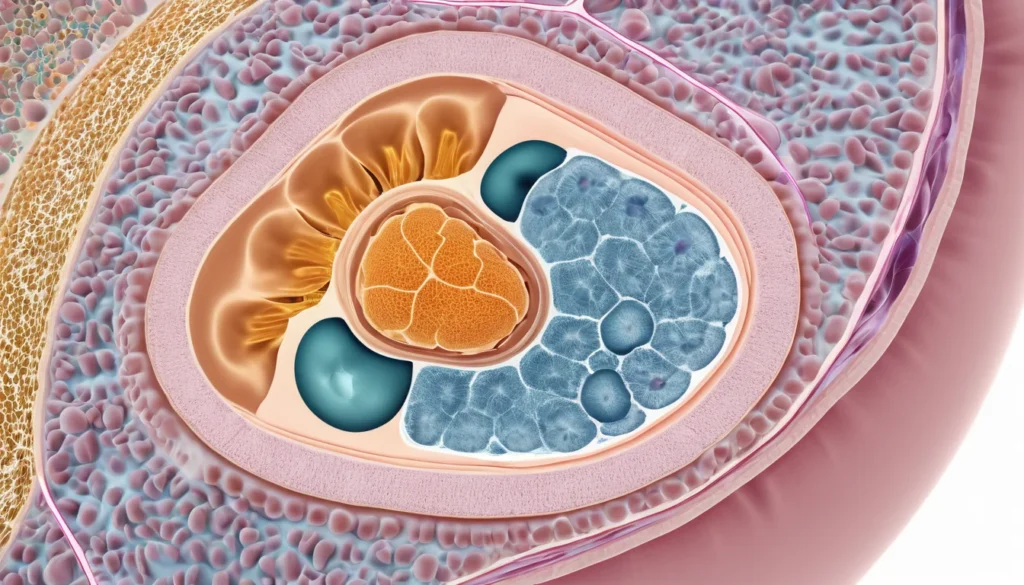
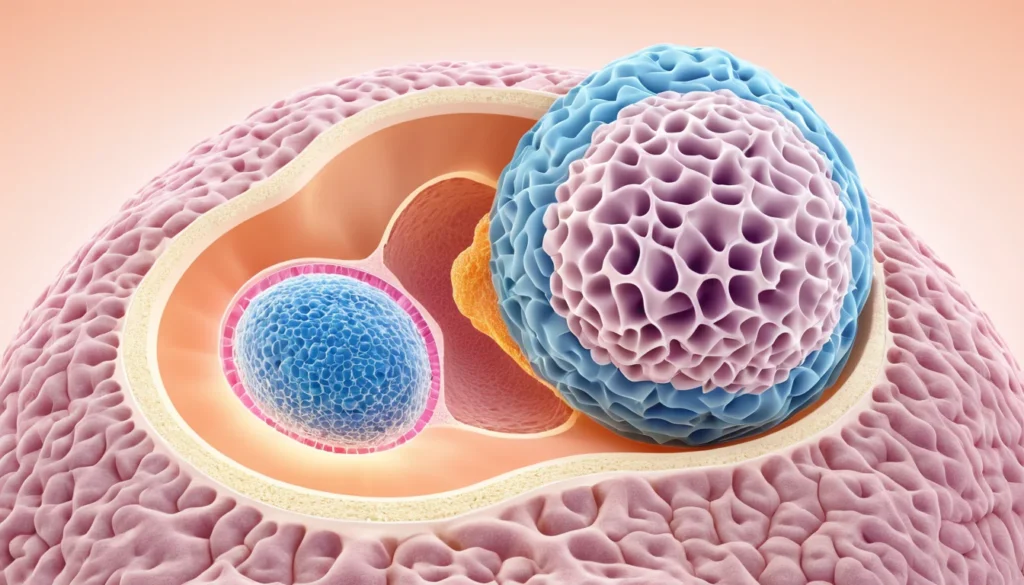
Breast cancer starts in the tissue of the breast. The cells change and begin to grow without control, forming a mass called a tumour. Like other cancers, breast cancer can spread into nearby tissue. It can also travel to other parts of the body and form new tumours — a process called metastasis.
Breast cancer is not just one disease. There are several types, each with different behaviours and treatments. Understanding the basics can help you have a more informed conversation with your healthcare provider. According to Health Canada, breast cancer is among the leading cancer diagnoses in Canadian women each year.
Who Gets Breast Cancer?
Breast cancer is most common in women over the age of 50. However, it can occur at any age. While it is much less common in men, breast cancer in men does exist and should not be ignored.
In terms of risk, women of all racial and ethnic backgrounds can develop breast cancer. Research shows that white women have a slightly higher rate of diagnosis overall. However, Black women are more likely to be diagnosed at a later stage, which affects outcomes. This makes routine screening especially important for everyone.
Breast Cancer in Men
Men have breast tissue too, which means they can develop breast cancer. It is rare, making up less than 1% of all breast cancer cases. However, because many men do not know this is possible, it is often caught later. If you are a man and notice any changes in your chest area, speak with your doctor.
Early Signs of Breast Cancer
Recognising the early signs of breast cancer is one of the most important steps you can take for your health. Some signs are easy to spot, while others are more subtle. Not everyone will notice symptoms right away — which is why regular screening matters.
Possible signs to watch for include:
A lump or thickening in or near the breast or underarm that does not go away
A change in the size, shape, or outline of the breast
A lump that may feel as small as a pea
Skin changes on the breast or nipple, such as dimpling, puckering, scaling, or swelling
Redness of the skin on the breast or nipple
A nipple that turns inward
A clear or blood-stained discharge from the nipple
An area of the breast that feels hard or marble-like under the skin
One area that looks or feels clearly different from the rest of the breast
It is important to know that some people have no symptoms at all. That is why routine mammograms are so valuable — they can find cancer before you feel anything unusual.
What Does a Breast Lump Feel Like?
A breast lump linked to cancer often feels firm or hard. It may have irregular edges. However, not all lumps are cancer — many are benign (non-cancerous) cysts or fatty tissue. Still, any new lump should be checked by a healthcare provider as soon as possible. Do not wait to see if it goes away on its own.
Types of Breast Cancer
There are several types of breast cancer. Each type behaves differently and may require a different treatment approach. Your doctor will explain which type you have if you receive a diagnosis.
Invasive Ductal Carcinoma
This is the most common type, making up about 80% of all breast cancer cases. It starts in the milk ducts and breaks through the duct wall into surrounding breast tissue. Because it is invasive, it has the potential to spread to other parts of the body.
Ductal Carcinoma In Situ (DCIS)
Sometimes called Stage 0 breast cancer, DCIS means abnormal cells are present in the milk ducts but have not spread beyond them. Some experts consider it pre-cancerous. However, prompt treatment is still important to prevent it from becoming invasive. Learn more about DCIS from the Mayo Clinic.
Invasive Lobular Carcinoma
This type starts in the lobules — the glands that produce breast milk. It accounts for about 10% to 15% of breast cancers. Like invasive ductal carcinoma, it can spread to nearby tissue and other parts of the body.
Lobular Carcinoma In Situ (LCIS)
LCIS is not a true cancer, but it is a warning sign. It means abnormal cells exist in the lobules of the breast. Women with LCIS have a higher risk of developing breast cancer later. Therefore, regular clinical breast exams and mammograms are strongly recommended for this group.
Triple-Negative Breast Cancer
This type accounts for about 15% of all cases and is one of the hardest to treat. It is called “triple negative” because it lacks three common markers found in other breast cancers. As a result, hormone therapies do not work on it, and treatment options are more limited.
Inflammatory Breast Cancer
This is a rare but aggressive form of breast cancer. It often looks like a skin infection, with redness, swelling, and dimpling of the breast skin. It is caused by cancer cells blocking the lymph vessels in the skin. Because it can be mistaken for an infection, it is sometimes diagnosed later than other types.
Paget’s Disease of the Breast
Paget’s disease affects the skin of the nipple and the areola — the darker skin surrounding the nipple. It may look like a rash or eczema. It is rare, but it is often associated with an underlying tumour in the breast tissue.
What Causes Breast Cancer? Risk Factors to Know
No single cause explains why breast cancer develops. However, certain factors can raise your risk. Knowing your risk factors helps you and your doctor plan the right screening schedule.
Common risk factors include:
Age: Risk increases after age 50
Sex: Women face a much higher risk than men
Family history and genetics: A parent or sibling with breast cancer raises your risk. Gene changes like BRCA1 and BRCA2 also increase risk significantly
Smoking: Tobacco use is linked to many types of cancer, including breast cancer
Alcohol use: Drinking alcohol — even in moderate amounts — can raise breast cancer risk
Obesity: Being overweight, especially after menopause, increases the risk of developing breast cancer and of it returning
Radiation exposure: Past radiation treatment to the chest area raises risk
Hormone replacement therapy (HRT): Long-term use of certain hormone therapies may increase risk
Having one or more risk factors does not mean you will get breast cancer. Many people with risk factors never develop it, and some people with no known risk factors do. The key is to stay informed and get screened regularly. For more information, visit the World Health Organization’s breast cancer fact sheet.
How Is Breast Cancer Diagnosed?
If your doctor suspects breast cancer, they will start with a physical exam of the breast. They will also ask about your personal and family medical history. From there, they may recommend one or more tests to check for abnormalities.
Mammogram
A mammogram is an X-ray of the breast. It is the most common and effective tool for finding breast cancer early — often before a lump can even be felt. In Canada, most provinces cover routine mammograms for women aged 50 to 74 through their provincial health plan. Check with your provincial health authority to find out when you should start screening.
Ultrasound
A breast ultrasound uses sound waves to create images of breast tissue. It is often used alongside a mammogram, especially to examine a specific lump or area of concern. It is also a helpful tool for women with dense breast tissue, where mammograms can be harder to read clearly.
When to See a Doctor
If you notice any of the early signs of breast cancer described above, do not wait. Book an appointment with your family doctor as soon as you can. If you do not have a family doctor, a walk-in clinic can assess your symptoms and refer you for further testing if needed.
Even without symptoms, routine screening is important. Talk to your doctor about when to start mammograms based on your age, family history, and overall health. Early detection gives you the best chance of successful treatment. As always, speak with a qualified healthcare provider before making any decisions about your health.
Frequently Asked Questions
What are the earliest signs of breast cancer?
The earliest signs of breast cancer often include a new lump or thickening in the breast or underarm, changes in skin texture such as dimpling or puckering, and nipple changes or discharge. Some people have no symptoms at all, which is why routine mammograms are so important. If you notice anything unusual, see your family doctor or visit a walk-in clinic.
Can breast cancer be painless?
Yes, many cases of breast cancer are painless, especially in the early stages. A lump that does not hurt is still a concern and should be checked by a doctor. Do not assume that because something does not hurt, it is not serious.
At what age should Canadian women start getting mammograms?
In most Canadian provinces, routine mammogram screening is recommended for women between the ages of 50 and 74 and is covered under provincial health plans. Women with a family history of breast cancer or other risk factors may be advised to start earlier. Talk to your family doctor about the right schedule for you.
Can men get breast cancer?
Yes, men can develop breast cancer, although it is rare and accounts for less than 1% of all cases. The early signs of breast cancer in men are similar to those in women, including a lump or skin changes in the chest area. Men who notice any unusual changes should speak with their doctor.
What is ductal carcinoma in situ (DCIS)?
Ductal carcinoma in situ (DCIS) is sometimes called Stage 0 breast cancer. It means abnormal cells are found in the milk ducts of the breast but have not spread to surrounding tissue. It is highly treatable, but prompt care is important to prevent it from progressing into invasive breast cancer.
Does a breast lump always mean cancer?
No, most breast lumps are not cancerous — many are benign cysts, fibroadenomas, or fatty tissue. However, any new or changing lump should always be evaluated by a healthcare provider. Getting it checked early is the safest approach, regardless of whether it turns out to be serious.
Key Takeaways
Early signs of breast cancer include lumps, skin changes, nipple discharge, and changes in breast shape or size
Breast cancer is most common in women over 50, but it can affect anyone at any age
Men can also develop breast cancer, though it is rare
There are several types of breast cancer — each is treated differently
Risk factors include age, family history, smoking, alcohol use, and obesity
Mammograms are the best tool for early detection and are covered by most provincial health plans for eligible age groups
If you notice any symptoms or have concerns, speak with your family doctor or visit a walk-in clinic
Regular screening can catch breast cancer before symptoms appear — do not skip your checkups