Recognizing early cancer symptoms can make a real difference in your health outcomes. Cancer is not one single disease — it is a group of conditions where abnormal cells grow out of control and can spread to other parts of the body. The good news is that many cancers are more treatable when caught early. This article explains the key warning signs to watch for and when to talk to your family doctor or visit a walk-in clinic.
What Is Cancer and How Does It Affect the Body?
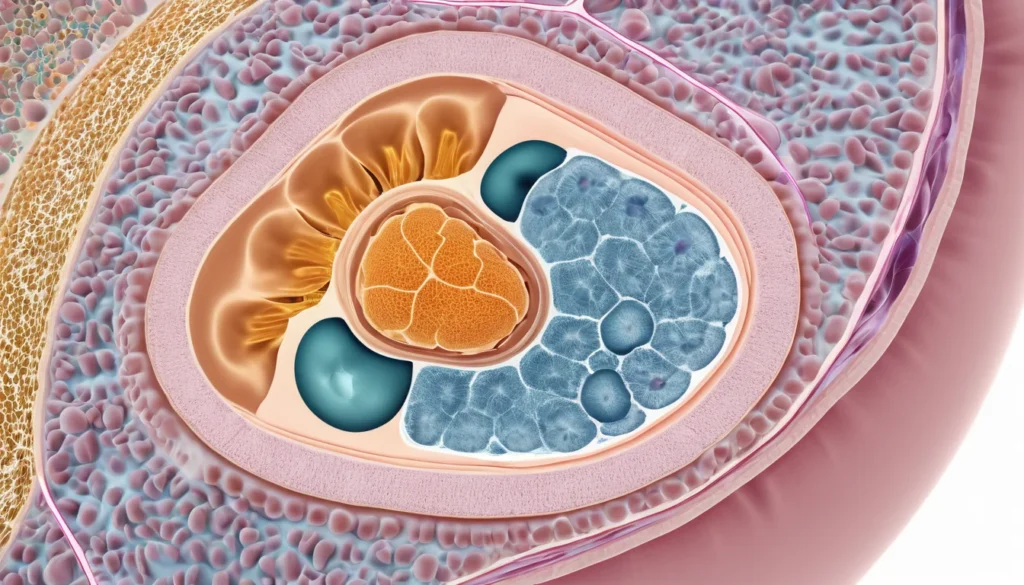
Cancer begins when cells in the body start to grow in an abnormal way. Unlike healthy cells, cancer cells can invade nearby tissues and spread to distant organs through the blood or lymph system. This spreading process is called metastasis.
There are two main types of tumours. Benign tumours are not cancerous and do not spread. Malignant tumours are cancerous and can invade other organs. Understanding this difference helps explain why some early cancer symptoms are mild while others are more serious.
According to the World Health Organization’s cancer fact sheet, cancer is one of the leading causes of death worldwide. In Canada, early detection through awareness and screening remains one of our most powerful tools.
The Difference Between Signs and Symptoms
Before diving into early cancer symptoms, it helps to understand two important words: signs and symptoms. They are related, but they are not the same thing.
A sign is something that others can observe. A lump under the skin or a fever that a nurse measures are both signs. A symptom, on the other hand, is something only you can feel. Fatigue, pain, and shortness of breath are all symptoms.
One sign or symptom alone is rarely enough to diagnose cancer. Many conditions share similar signs. However, when several signs and symptoms appear together — especially alongside medical tests — your doctor can get a much clearer picture of what is happening in your body.
Early Cancer Symptoms You Should Never Ignore
Cancer can cause almost any sign or symptom. This is one reason why it is so easily confused with other illnesses. The signs and symptoms depend on where the cancer is located, how large it has grown, and how much it affects nearby organs or tissues.
As a tumour grows, it can press on nearby organs, blood vessels, and nerves. This pressure is what causes many of the symptoms people notice first. In some cases, a very small tumour in a sensitive area — like certain parts of the brain — can cause noticeable symptoms quickly. In other cases, cancer grows in areas where it causes no symptoms at all until it is quite advanced.
Pancreatic cancer, for example, often produces no symptoms until the tumour grows large enough to press on nearby nerves or organs. This can cause back or abdominal pain. For this reason, awareness of early cancer symptoms is especially important.
Unexplained Weight Loss
Losing more than 10 pounds (about 4.5 kilograms) without trying — and without a clear reason — can be an early warning sign of cancer. Most people with cancer experience significant weight loss at some point during their illness.
This type of unexplained weight loss is most commonly linked to cancers of the pancreas, stomach, esophagus, and lungs. If you or someone you know has lost a noticeable amount of weight without dieting or increasing exercise, it is worth speaking with a doctor. Do not assume it is simply stress or a busy schedule.
Fever
Fever is very common in people with cancer. It tends to happen more often after cancer has spread, but it can also appear earlier in the illness. Almost all people with cancer will experience a fever at some point.
Fever is especially common when cancer or its treatment affects the immune system. Certain blood cancers, like lymphoma and leukaemia, are known to cause persistent or recurring fevers. If you have a fever that keeps coming back with no obvious cause, talk to your family doctor.
Extreme Fatigue
Fatigue is one of the most reported early cancer symptoms. This is not ordinary tiredness after a long day. It is a deep, persistent exhaustion that does not get better with rest or sleep.
In some cancers, such as leukaemia, fatigue can appear early in the disease. In others, it becomes more noticeable as the cancer grows or spreads. If you feel constantly drained and cannot pinpoint why, this is worth discussing with a healthcare provider. The Mayo Clinic’s overview of cancer signs and symptoms also lists fatigue as a key warning sign to take seriously.
Persistent Pain
Pain can be an early cancer symptom in certain types of cancer. Bone cancer and testicular cancer, for example, often cause pain in the early stages. A persistent headache that does not respond to over-the-counter pain relievers could point to a brain tumour.
Back pain is another symptom worth noting. It can sometimes be linked to cancers of the colon, rectum, or ovaries. Most of the time, back pain has a straightforward cause. However, if it is ongoing, severe, or comes with other symptoms, it deserves medical attention. Pain that is related to cancer often means the cancer has spread — which is why catching early cancer symptoms matters so much.
Other Warning Signs to Watch For
Beyond the most common early cancer symptoms, there are several other changes in your body that should not be ignored. These do not always mean cancer is present, but they are worth discussing with a doctor.
Changes in the Skin
Skin changes can signal several different types of cancer. Watch for new moles, or changes in the size, shape, or colour of existing moles. Yellowing of the skin or eyes (jaundice) can be linked to liver or pancreatic cancer. Skin that suddenly becomes darker, redder, or itchy without explanation is also worth checking out.
Changes in Bowel or Bladder Habits
Long-term constipation, diarrhea, or changes in the size of your stool can be signs of colon cancer. Blood in your urine or a change in how often you urinate could point to bladder or prostate cancer. These changes are easy to dismiss, but they are important early cancer symptoms to report to your doctor.
Unusual Lumps or Thickening
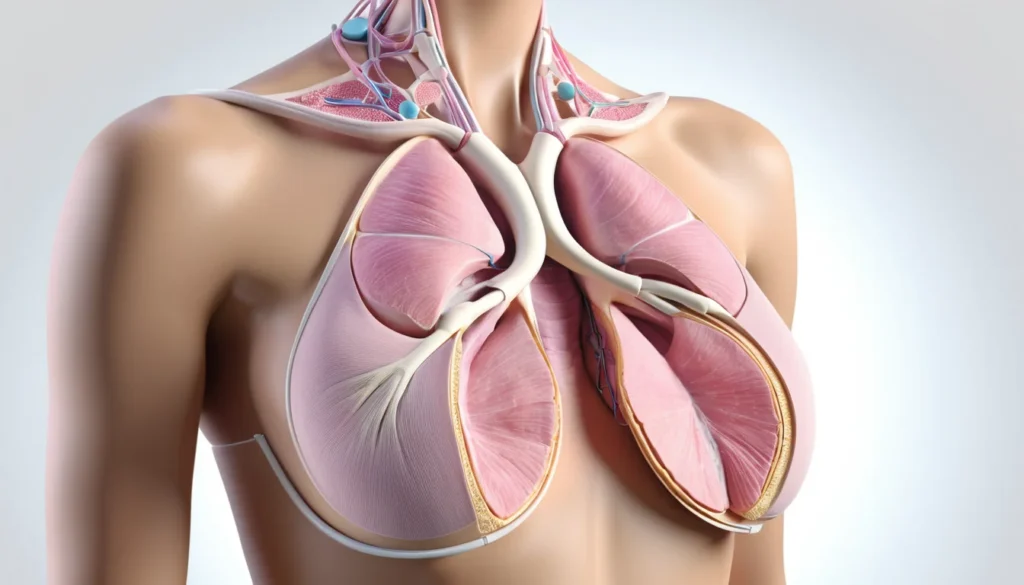
A new lump under the skin — in the breast, testicle, lymph nodes, or elsewhere — should always be checked by a healthcare provider. Not every lump is cancer. However, it is always better to have a professional assess it. Many cancers are first found this way.
Sores That Do Not Heal
The skin normally heals quickly after a cut or scrape. A sore that does not heal within a few weeks could be a sign of skin cancer. Sores in the mouth that persist may signal oral cancer, especially in people who smoke or drink alcohol regularly.
Difficulty Swallowing or Persistent Indigestion
Ongoing trouble swallowing, frequent heartburn, or persistent indigestion that does not respond to medication can sometimes be linked to cancers of the esophagus, stomach, or throat. These symptoms are common and usually have simple explanations. However, if they last more than a few weeks, see your doctor.
When to See a Doctor in Canada
Knowing when to act on early cancer symptoms is just as important as knowing what they are. In Canada, your first step is usually to contact your family doctor. They can assess your symptoms, order blood work or imaging, and refer you to a specialist if needed.
If you do not have a family doctor — which is a growing challenge in many Canadian provinces — a walk-in clinic is a good starting point. Nurses and physicians at walk-in clinics can evaluate your concerns and arrange next steps through your provincial health plan. Most provinces cover diagnostic testing when it is ordered by a physician.
Do not wait for symptoms to become severe before seeking help. Early cancer symptoms are often mild and easy to explain away. Trust your instincts. If something feels wrong, or if a symptom has lasted more than two to three weeks without a clear cause, get it checked. Health Canada’s cancer resources offer additional guidance on screening programmes and support available to Canadians.
It is also worth knowing your family health history. If close relatives have been diagnosed with certain cancers, your doctor may recommend earlier or more frequent screening. Provincial cancer screening programmes — such as those for breast, cervical, and colorectal cancer — are available across Canada and are covered under most provincial health plans.
Frequently Asked Questions About Early Cancer Symptoms
What are the most common early cancer symptoms in adults?
The most common early cancer symptoms include unexplained weight loss, persistent fatigue, ongoing pain, and fever without a clear cause. Other signs include unusual lumps, changes in bowel or bladder habits, and sores that do not heal. If any of these last more than two to three weeks, speak with your family doctor or visit a walk-in clinic.
Can cancer be present with no symptoms at all?
Yes, some cancers — like pancreatic cancer — often cause no noticeable symptoms in their early stages. This is why routine screening programmes are so important. Regular check-ups with your doctor can help catch cancer before early cancer symptoms even appear.
Is unexplained weight loss always a sign of cancer?
Not always — unexplained weight loss can have many causes, including thyroid problems, diabetes, or digestive issues. However, losing more than 10 pounds without trying is one of the recognized early cancer symptoms and should always be investigated by a doctor. Never assume it is harmless without getting checked.
How is cancer diagnosed after symptoms appear?
After reporting early cancer symptoms, your doctor will likely order blood tests, imaging scans (like X-rays or MRIs), or refer you to a specialist. In some cases, a biopsy — where a small sample of tissue is removed and tested — is needed to confirm a diagnosis. In Canada, these tests are typically covered under provincial health plans when ordered by a physician.
What cancers are most likely to cause back pain?
Back pain is sometimes linked to cancers of the colon, rectum, and ovaries, as well as spinal tumours and kidney cancer. However, back pain is also extremely common and usually has a non-cancerous cause. If your back pain is persistent, severe, or accompanied by other early cancer symptoms, see your doctor for an assessment.
When should I go to a walk-in clinic vs. wait for my family doctor?
If you notice early cancer symptoms that concern you and cannot get a timely appointment with your family doctor, a walk-in clinic is a completely appropriate option. Physicians at walk-in clinics can order initial tests and refer you onward if needed. Do not delay seeking care simply because your regular doctor is unavailable.
Key Takeaways
Early cancer symptoms include unexplained weight loss, persistent fatigue, fever, pain, unusual lumps, and changes in skin or bathroom habits.
A single symptom is rarely enough to diagnose cancer, but symptoms that persist for two to three weeks or more deserve medical attention.
Some cancers, like pancreatic cancer, cause few or no symptoms in their early stages — making routine screening especially important.
In Canada, start with your family doctor. If you do not have one, a walk-in clinic is a good first step.
Most diagnostic tests ordered by a physician are covered under provincial health plans.
Knowing your family health history helps your doctor recommend the right screening programme for you.
Always consult a qualified healthcare provider if you are concerned about any symptoms. This article is for informational purposes only and is not a substitute for professional medical advice.