Ear pinning surgery, also called otoplasty, is a procedure that reshapes or repositions the ears. It is one of the most common cosmetic surgeries performed on children, but adults choose it too. This article explains how the procedure works, what risks to expect, and how recovery typically goes for Canadians considering this option.
What Is Ear Pinning Surgery?
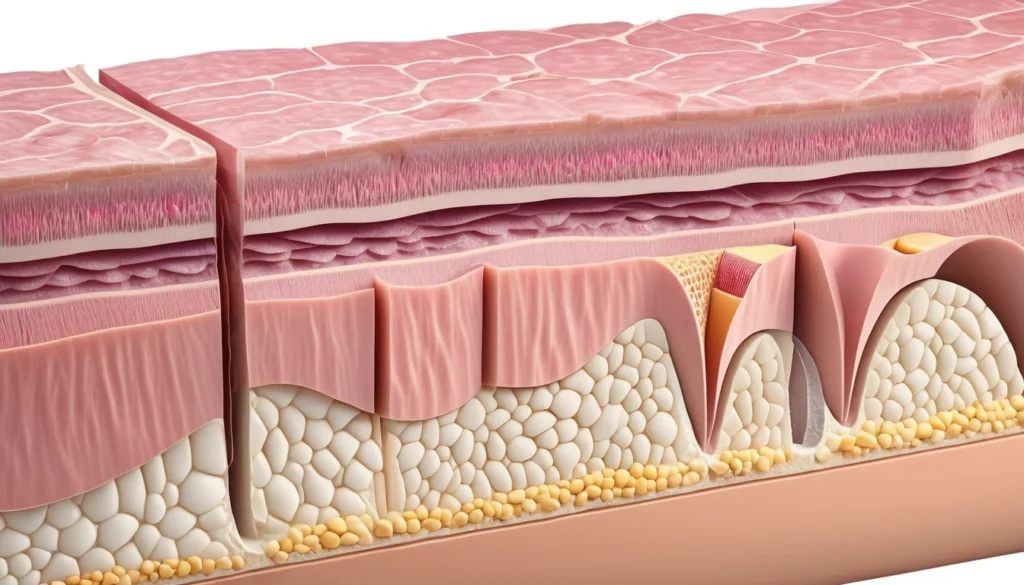
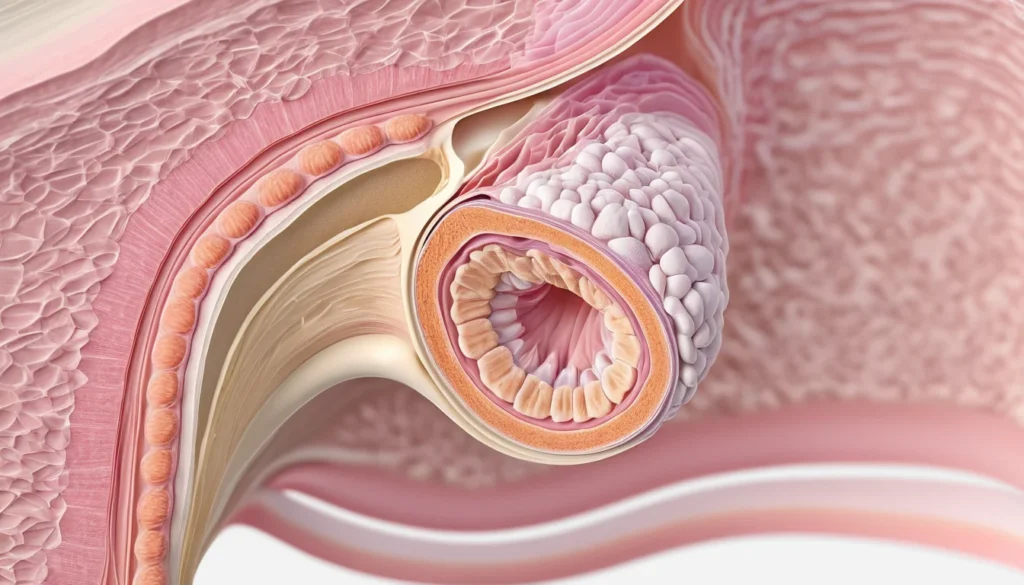
Ear pinning surgery corrects ears that stick out too far from the head or have an unusual shape. Surgeons reshape the cartilage — the firm but flexible tissue that gives the ear its form. The goal is to create a more balanced, natural appearance.
This procedure goes by several names. You may hear it called otoplasty, ear reshaping surgery, or ear correction surgery. All of these terms refer to the same general type of operation. According to Mayo Clinic’s overview of otoplasty, the surgery is considered safe and effective when performed by a qualified plastic surgeon.
In Canada, this procedure is sometimes covered by provincial health plans when it is deemed medically necessary — for example, in cases of significant congenital ear deformity. However, when the surgery is purely cosmetic, patients typically pay out of pocket. Check with your provincial health plan to understand your coverage before moving forward.
Who Is a Good Candidate for Ear Pinning Surgery?
Ear pinning surgery is most commonly performed on children between the ages of 4 and 14. At this age, the ear cartilage is still soft and easier to reshape. Furthermore, having the surgery early can help reduce the social and emotional impact of prominent ears during school years.
That said, teenagers and adults can also benefit from the procedure. There is no upper age limit. The most important factor is that the patient is in good overall health and has realistic expectations about the results.
Is Your Child a Good Candidate?
For children, surgeons look for ears that have fully developed — usually by age 4 or 5. The child should also be able to communicate clearly how they feel about their ears. Parental support and a calm, cooperative child make the recovery process much smoother.
In addition, the child should not have any serious medical conditions that could complicate surgery or anaesthesia. Your family doctor can help you assess whether your child is ready for this type of procedure.
Adults Considering Ear Reshaping
Adults who have felt self-conscious about their ears for years often find ear pinning surgery life-changing. The procedure is straightforward for healthy adults. However, adult cartilage is firmer, which means the technique may differ slightly compared to paediatric cases.
If you are an adult thinking about this surgery, start by speaking with a board-certified plastic surgeon. Many surgeons offer consultations where they can assess your ears and explain your options in detail.
How the Ear Pinning Surgery Procedure Works
Surgeons have a few different techniques available for ear pinning surgery. The right approach depends on the specific shape of the ear and the degree of correction needed.
In one common method, the surgeon removes a small piece of cartilage to reduce the ear’s size or projection. In another approach, the cartilage is folded and stitched into a new position without removing any tissue. Both methods achieve similar results.
Where Is the Incision Made?
Regardless of the technique used, the main incision is made behind the ear. This placement is intentional — it hides the scar in a natural fold where it is nearly invisible. As a result, most patients are very satisfied with how discreet the healing looks over time.
The area behind the ear has a strong blood supply, which actually helps the incision heal faster. Scars in this region tend to fade significantly within several months.
Anaesthesia Options
Children typically receive general anaesthesia for this procedure, meaning they are fully asleep. Adults may be offered local anaesthesia with sedation instead. Your surgical team will recommend the safest option based on your age and health history.
The surgery itself usually takes between one and two hours. It is most often performed as a day surgery, so patients go home the same day. Many Canadian hospitals and private surgical centres offer this as an outpatient procedure.
What to Do Before Ear Pinning Surgery
Preparing properly before ear pinning surgery helps reduce your risk of complications. Your surgeon will give you a detailed list of instructions tailored to your situation. However, there are some general guidelines that apply to most patients.
First, avoid taking anti-inflammatory medications such as aspirin or ibuprofen for at least two weeks before the surgery. These medications thin the blood and can increase bleeding during the procedure. Always read medication labels carefully and ask your pharmacist if you are unsure.
In addition, stop taking herbal supplements before surgery. Some supplements — including fish oil, vitamin E, garlic, and ginkgo — can also increase bleeding risk. Healthline’s guide to otoplasty preparation offers a helpful overview of what to discuss with your surgeon beforehand.
You should also arrange for someone to drive you home after the procedure. If your child is having surgery, plan to take at least a week off work to care for them during recovery. Having everything organised in advance makes the experience much less stressful.
Risks and Possible Complications
Like any surgical procedure, ear pinning surgery carries some risks. Most complications are minor and temporary. Understanding them in advance helps patients and families make an informed decision.
Common Side Effects
Pain and swelling are the most common side effects after ear pinning surgery. These usually peak in the first 48 to 72 hours and gradually improve. Your surgeon will prescribe pain medication to keep you comfortable during this period.
Temporary numbness around the ear is also common. This happens because small nerve fibres in the skin are disturbed during surgery. Sensation almost always returns fully within a few weeks to months.
Less Common Risks
In rare cases, infection can develop at the surgical site. Signs of infection include increasing redness, warmth, swelling, or discharge from the incision. If you notice these symptoms, contact your surgeon or visit a walk-in clinic promptly.
A haematoma — a collection of blood under the skin — can also occur after surgery. This may require drainage by your surgical team. Furthermore, some patients experience asymmetry during healing, where one ear heals slightly differently than the other.
Over-correction is another possible outcome. This means the ears are pulled back too far, giving an unnatural appearance. In most cases, a follow-up procedure can address this. However, any revision surgery adds cost, recovery time, and emotional stress, so choosing an experienced surgeon from the start is important.
For a broader understanding of surgical risks and patient safety, Health Canada’s information on regulated medical procedures is a valuable resource for Canadian patients.
Recovery After Ear Pinning Surgery
Recovery from ear pinning surgery is generally straightforward. Most patients feel well enough to return to normal activities within one to two weeks.
Right after surgery, the ears will be wrapped in a bandage. This bandage stays in place for five to seven days. It protects the ears and holds them in their new position while initial healing takes place.
The First Week at Home
Rest is essential during the first week. Plan to stay home from school or work and avoid any strenuous activity. Keeping the head elevated — even while sleeping — helps reduce swelling more quickly.
After the bandage is removed, your surgeon will likely recommend wearing a soft elastic headband, especially at night. This headband supports the ears during sleep and prevents accidental bending or pulling. Most surgeons recommend wearing it for several weeks.
Stitches and Scar Care
If your surgeon used non-dissolving stitches, these are typically removed at a follow-up appointment 7 to 10 days after surgery. The appointment is quick and virtually painless. Your surgeon will also check that healing is progressing well at this visit.
The small scar behind the ear will be pink or slightly raised at first. Over time — usually six months to a year — it fades and becomes much less noticeable. Good wound care and sun protection during healing help the scar soften faster.
Results: What Can You Expect Long-Term?
The results of ear pinning surgery are typically permanent. Once the cartilage heals in its new position, the ears stay that way. Most patients — and parents of younger patients — report high satisfaction with the outcome.
In some cases, if healing does not go as planned or if complications cause a loss of shape, a revision procedure may be needed. This is uncommon when surgery is performed by a qualified, experienced plastic surgeon. Choosing the right surgeon is therefore one of the most important decisions you will make in this process.
It is also worth noting that while the shape of the ears changes permanently, normal ageing continues. The overall appearance of the face will change with age, but the correction achieved by ear pinning surgery remains stable.
When to See a Doctor
If you or your child are bothered by prominent or misshapen ears, the first step is to speak with your family doctor. They can refer you to a board-certified plastic surgeon and help you understand whether provincial coverage applies to your situation.
If you do not currently have a family doctor — which many Canadians do not — a walk-in clinic can be a good starting point. The clinic physician can review your health history and provide a referral if appropriate.
After surgery, seek medical attention right away if you experience severe pain, a fever above 38.5°C, significant swelling that is getting worse instead of better, or any signs of infection. These symptoms could indicate a complication that needs prompt treatment.
Always consult a qualified medical professional before making any decisions about surgery. The information in this article is meant to educate and inform, not to replace the personalised advice of your doctor or surgeon.
Frequently Asked Questions About Ear Pinning Surgery
How painful is ear pinning surgery?
Most patients describe the discomfort after ear pinning surgery as mild to moderate. Your surgeon will prescribe pain medication to manage any soreness in the first few days. By the end of the first week, most people feel significantly more comfortable.
What is the best age for ear pinning surgery?
Ear pinning surgery is most commonly recommended for children between the ages of 4 and 14, when the ear cartilage is still soft and easy to reshape. However, the procedure is safe and effective for teenagers and adults as well. There is no upper age limit as long as the patient is in good health.
Is ear pinning surgery covered by OHIP or other provincial health plans in Canada?
Coverage varies by province and by the reason for surgery. Ear pinning surgery may be covered when it is medically necessary due to a significant congenital deformity. When performed for cosmetic reasons only, it is generally not covered and patients pay out of pocket. Contact your provincial health plan directly to confirm your eligibility.
How long does recovery from ear pinning surgery take?
Most people recover well within one to two weeks after ear pinning surgery. Children can usually return to school after about a week, and adults can resume desk work around the same time. Strenuous physical activity should be avoided for at least four to six weeks.
Are the results of ear pinning surgery permanent?
Yes, the results of ear pinning surgery are generally permanent. Once the cartilage heals in its repositioned shape, it stays there. In rare cases where complications cause the ear to lose its new shape, a revision procedure can restore the correction.
Will ear pinning surgery leave a visible scar?
The incision for ear pinning surgery is made behind the ear, where it is hidden in a natural fold. The scar is rarely visible in everyday life. Over several months, the scar fades further and becomes very discreet for most patients.
Key Takeaways
Ear pinning surgery (otoplasty) reshapes or repositions ears that stick out or have an unusual form.
It is most common in children aged 4 to 14, but adults can have the procedure too.
The incision is made behind the ear, keeping the scar hidden and discreet.
Avoid anti-inflammatory medications and herbal supplements before surgery to reduce bleeding risk.
Common side effects include temporary swelling, pain, and numbness — all of which improve with time.
Recovery takes about one to two weeks for most patients, with full healing over several months.
Results are typically permanent, and patient satisfaction rates are high.
In Canada, coverage depends on your province and the medical reason for surgery — check with your provincial health plan.
Always speak with your family doctor or a board-certified plastic surgeon before making any decisions.