Dystonia is a neurological movement disorder that causes involuntary muscle contractions. These contractions force the body into twisted, abnormal postures that can be painful and hard to control. In Canada, dystonia affects people of all ages, and while there is no cure, effective treatments can help you live a full and active life.
What Is Dystonia?
Dystonia happens when the brain’s signals to the muscles go wrong. Normally, when you move one muscle group, the opposing muscles relax. With dystonia, both sets of muscles contract at the same time.
Think of trying to bend your elbow. The muscles that bend it and the muscles that straighten it pull against each other at once. As a result, the movement becomes difficult or impossible to control.
For example, someone trying to stand up straight may struggle because the muscles that cause forward bending fire at the same time. This constant muscle competition is what makes dystonia so challenging to manage.
Types of Dystonia
Dystonia comes in several forms. Understanding which type you have helps your doctor choose the right treatment plan.
Focal Dystonia
Focal dystonia affects only one part of the body. Common examples include:
Blepharospasm – uncontrolled blinking or eye closure
Cervical dystonia – involuntary muscle contractions in the neck and shoulders
Writer’s cramp – loss of fine motor control in the hand and forearm
Focal dystonia is the most common type. It often develops in adults and tends to stay in one body region.
Generalised Dystonia
Generalised dystonia affects multiple parts of the body at the same time. Types include early-onset generalised dystonia, myoclonic dystonia, and paroxysmal dystonia. These forms are often more disabling and may begin in childhood.
Primary vs. Secondary Dystonia
Primary dystonia is often linked to genetic changes. It usually appears before age 30. Secondary dystonia develops as a result of another neurological condition, such as a stroke, brain injury, or cerebral palsy.
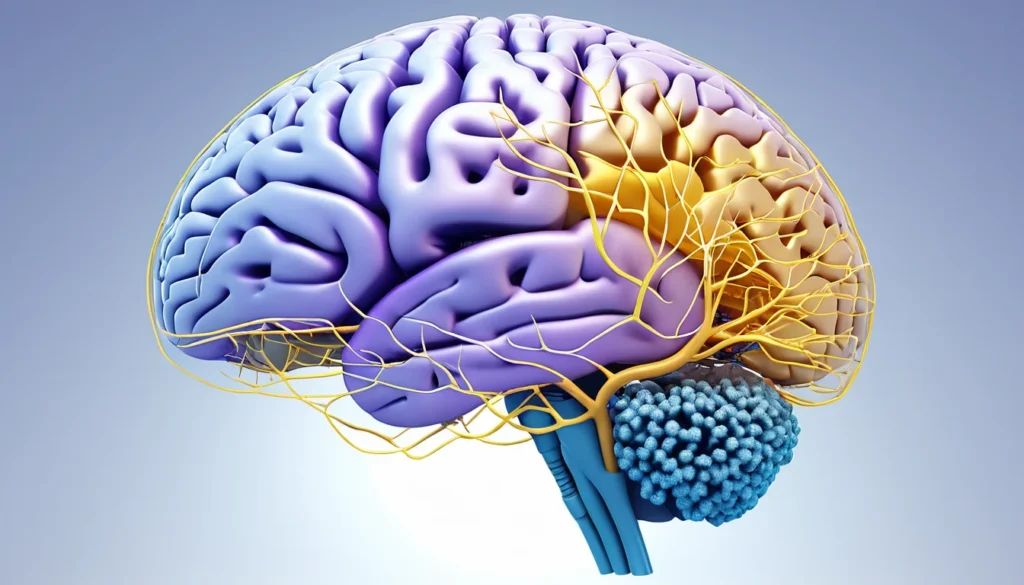
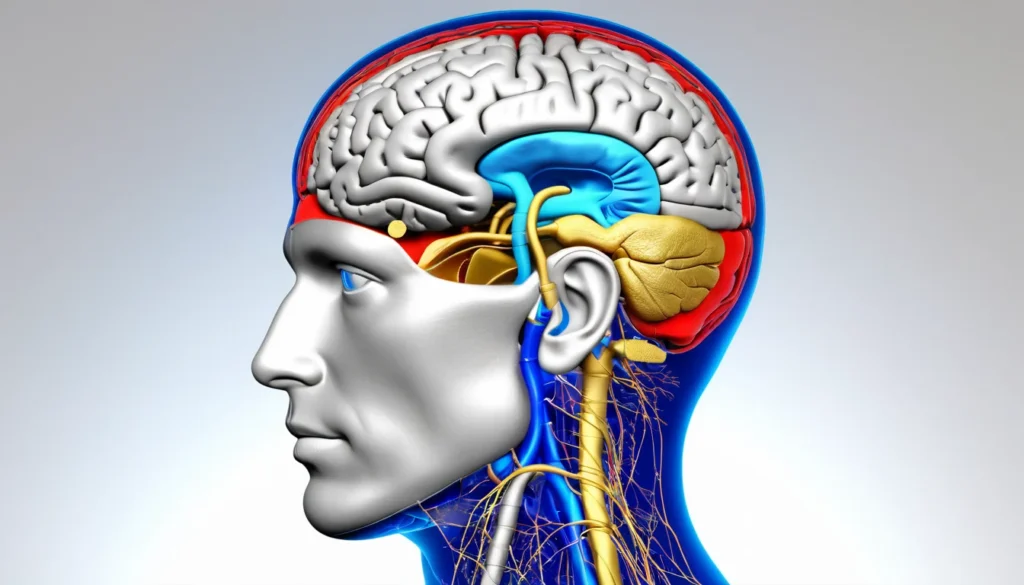
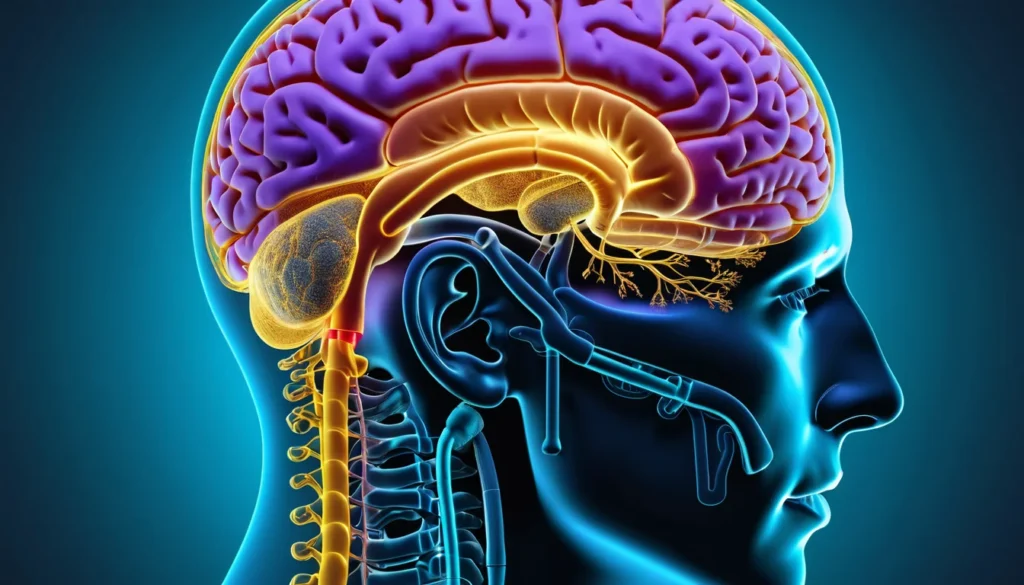
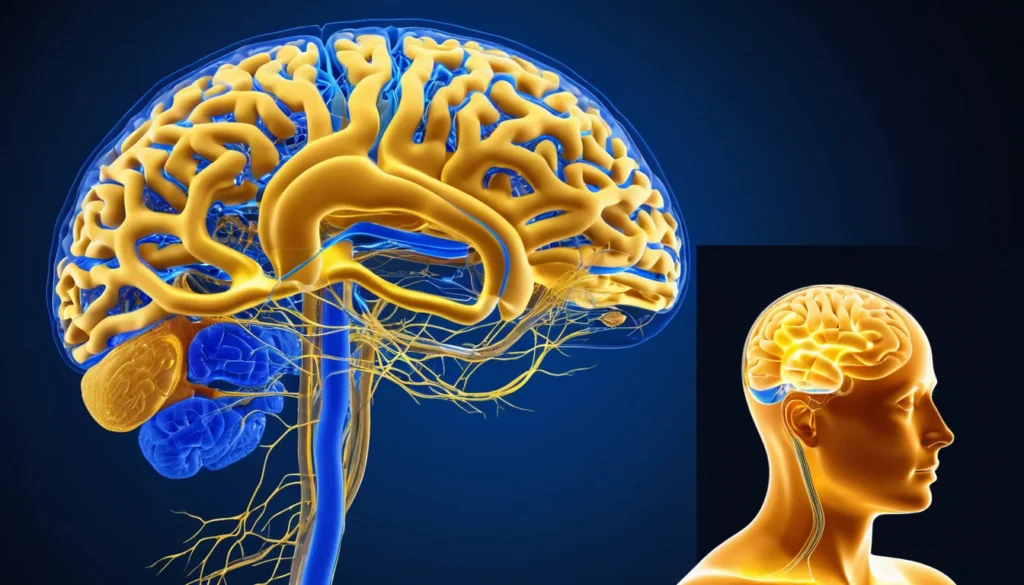
The brain structures most often involved are the basal ganglia — a group of nerve cells deep in the brain that help coordinate movement. Researchers are still studying exactly how these structures contribute to dystonia. You can learn more from Mayo Clinic’s overview of dystonia causes and symptoms.
Recognising Dystonia Symptoms
Dystonia symptoms can range from mild to severe. They often begin gradually and may worsen with stress or fatigue.
Common signs of dystonia include:
Repetitive, twisting movements in one or more body parts
Abnormal postures that are hard to correct
Muscle cramping or spasms
Tremors or jerking movements
Difficulty with everyday tasks like writing, walking, or speaking
Some people notice that symptoms improve with certain tricks, called sensory tricks or geste antagoniste. For example, lightly touching the chin may temporarily reduce neck dystonia. However, these tricks do not work for everyone.
Dystonia Treatment Options in Canada
There is currently no cure for dystonia. However, several effective treatments can reduce symptoms and improve daily function. Most Canadians will work with a neurologist and a family doctor to build a treatment plan. Provincial health plans generally cover many of these options, though coverage varies by province.
Medications for Dystonia
Several types of medication can help manage dystonia symptoms. Finding the right one takes time and patience. Your doctor will usually start with a low dose and increase it slowly.
Commonly used medications include:
Anticholinergics – reduce nerve signals that trigger muscle contractions
Benzodiazepines – help relax muscles and reduce anxiety-related spasms
Baclofen – a muscle relaxant often used for spasticity and dystonia
Antiepileptics – help stabilise abnormal nerve activity
Dopaminergic agents – support healthy brain chemical balance
It is important to know that no single medication works for every person with dystonia. Therefore, close collaboration with your doctor is essential. Finding the right combination can lead to a significant improvement in symptoms.
Botulinum Toxin Injections
Botulinum toxin injections — often known by the brand name Botox — are one of the most effective treatments for focal dystonia. A purified form of the toxin is injected directly into the overactive muscles to help them relax.
The toxin works by blocking acetylcholine, a chemical messenger that triggers muscle contractions. As a result, the targeted muscles become less active and easier to control.
Effects typically last between three and six months. After that, repeat injections are needed. One drawback is cost — injections can be expensive, and provincial coverage varies. In addition, repeated high doses can sometimes cause the body to develop a resistance over time.
For this reason, treatment is usually limited to a small number of muscles at a time. Talk to your neurologist or family doctor about whether this option is right for you. Healthline’s guide to dystonia treatments provides additional detail on how botulinum toxin is used.
Rehabilitation Programmes
A structured rehabilitation programme is an important part of managing dystonia. Because dystonia affects movement, posture, and balance, it can interfere with everyday activities. Working with a physiotherapist helps you adapt and stay as independent as possible.
A trained physiotherapist can help you:
Identify movements that make dystonia worse
Replace harmful compensatory habits with better techniques
Improve posture to reduce muscle spasms
Protect joints and prevent secondary complications
Good posture is especially helpful. It can reduce spasms, preserve mobility, and lower the risk of injury. Furthermore, learning to work with your body rather than against it leads to better long-term outcomes.
Rehabilitation is a slow process. However, with patience and a well-designed programme, most people see meaningful improvement in their quality of life.
Daily Activities and Exercise With Dystonia
Dystonia does not mean you have to give up the activities you enjoy. In many cases, you simply need to find a different way of doing them.
Adapting Everyday Tasks
For example, someone with writer’s cramp who struggles to coordinate the hand and forearm may find it easier to write using the shoulder and upper arm instead. Writing on a vertical or angled surface can also reduce strain.
In the kitchen, using a tall stool and resting your hands on the counter while chopping vegetables can make the task more comfortable. Using your less-affected hand and reducing the weight of bags and grocery items also helps.
Taking regular breaks between activities is very useful. Trying to do one thing at a time — at your own pace — reduces fatigue and muscle overload.
Safe Exercise Choices
Low-impact exercise is generally the best choice for people with dystonia. Good options include:
Water aerobics or swimming
Walking
Cycling on a stationary or ergonomic bike
Ballet or dance-based movement therapy
Stretching and range-of-motion exercises can help maintain flexibility and reduce stiffness. Strength exercises are also beneficial. However, all exercise routines should be developed with the guidance of a physiotherapist or your doctor. Trying to forcefully counteract a dystonic movement can actually make the condition worse.
When to See a Doctor
If you notice unusual muscle contractions, involuntary twisting movements, or unexplained changes in your posture or handwriting, it is important to seek medical advice. Dystonia is a neurological condition and should be assessed by a qualified health professional.
Start by booking an appointment with your family doctor. If you do not have a family doctor, a walk-in clinic can provide an initial assessment and refer you to a neurologist. Early diagnosis leads to better outcomes and more treatment choices.
Your provincial health plan may cover referrals to specialists, rehabilitation services, and certain medications. Ask your doctor what is available in your province. For general guidance on neurological conditions, visit Health Canada’s official health information resource.
Always speak with your doctor before starting, stopping, or changing any treatment for dystonia. This article is for informational purposes only and does not replace professional medical advice.
Frequently Asked Questions About Dystonia
What causes dystonia?
Dystonia is caused by abnormal signalling in the brain, particularly in the basal ganglia. Primary dystonia is often linked to genetic mutations, while secondary dystonia can result from stroke, brain injury, or other neurological conditions. Researchers are still studying the exact mechanisms involved.
Is dystonia a serious condition?
Dystonia can range from mild to severe depending on the type and the parts of the body affected. While it is not life-threatening in most cases, dystonia can significantly affect a person’s quality of life and daily function. Early treatment helps manage symptoms effectively.
Can dystonia be cured?
Currently, there is no cure for dystonia. However, treatments such as medication, botulinum toxin injections, and rehabilitation programmes can greatly reduce symptoms and improve daily function. Research into dystonia continues to advance, offering hope for better therapies in the future.
How is dystonia diagnosed in Canada?
Dystonia is typically diagnosed by a neurologist based on a physical and neurological examination. Your family doctor can provide a referral through your provincial health plan. In some cases, brain imaging or genetic testing may also be used to identify the underlying cause.
What is the difference between focal and generalised dystonia?
Focal dystonia affects only one area of the body, such as the neck, eyelids, or hand. Generalised dystonia involves multiple body regions at the same time and is often more disabling. The type of dystonia affects which treatment approach your doctor will recommend.
Are botulinum toxin injections safe for dystonia?
Botulinum toxin injections are considered safe and effective for many forms of dystonia, particularly focal types. Side effects are generally mild and temporary. However, because repeated high doses can reduce effectiveness over time, your doctor will carefully monitor your treatment plan.
Key Takeaways
Dystonia is a neurological movement disorder caused by involuntary muscle contractions that affect posture and movement.
It comes in several forms — focal, generalised, primary, and secondary — each with different causes and treatments.
There is no cure, but medications, botulinum toxin injections, and rehabilitation programmes can significantly improve symptoms.
Adapting daily activities and choosing low-impact exercise can help you stay active and independent.
If you notice signs of dystonia, speak with your family doctor or visit a walk-in clinic for a referral to a neurologist.
Provincial health plans in Canada may cover many of the treatments and specialist visits associated with dystonia management.