Dysthymia is a mild but long-lasting form of depression that can quietly take over your daily life. Unlike major depression, the symptoms may seem manageable — but they persist for two years or more, often much longer. Many Canadians live with dysthymia for years without realising it has a name, or that effective treatment is available through their provincial health system.
What Is Dysthymia?
Dysthymia — also called persistent depressive disorder, chronic depression, or dysthymic disorder — is a type of depression that lasts for a very long time. By definition, symptoms must be present for at least two years in adults. In children and teenagers, one year is the threshold.
Although the symptoms are often less intense than those of major depression, dysthymia can actually cause more harm over time. It wears people down slowly, affecting work, relationships, and overall quality of life. For example, someone with dysthymia may function day to day, yet never feel truly happy or hopeful.
According to the World Health Organization’s overview of depression, depressive disorders are among the leading causes of disability worldwide — and chronic, low-grade forms like dysthymia are a significant part of that picture.
Dysthymia Symptoms to Watch For
The signs of dysthymia can be easy to dismiss. Many people assume they are simply “a worrier” or “a glass-half-empty person.” However, these feelings go beyond a bad mood or a rough patch.
Common Signs and Symptoms
Symptoms of dysthymia may include:
Persistent sadness or feeling “empty”
Loss of interest in everyday activities
Low energy and constant fatigue
Poor concentration or trouble making decisions
Low self-esteem and frequent self-criticism
Feelings of hopelessness or guilt
Changes in appetite — either eating too little or too much
Sleep problems — sleeping too much or too little
Irritability or anger
Avoiding social activities and withdrawing from others
Reduced productivity at work or school
These symptoms tend to come and go over many years. Their intensity may shift over time. However, the person rarely feels cheerful — even during happy occasions. Friends or family may describe them as consistently gloomy or negative.
Dysthymia in Children and Teenagers
When dysthymia begins before age 21, it is called early-onset dysthymia. This form is especially important to identify early. Children and teens with dysthymia may show irritability rather than sadness, and their symptoms can affect school performance and friendships. When it begins after age 21, it is called late-onset dysthymia.
What Causes Dysthymia?
Researchers do not yet know exactly what causes dysthymia. However, it is believed to share similar roots with major depression. There are three main areas of interest.
Brain Chemistry
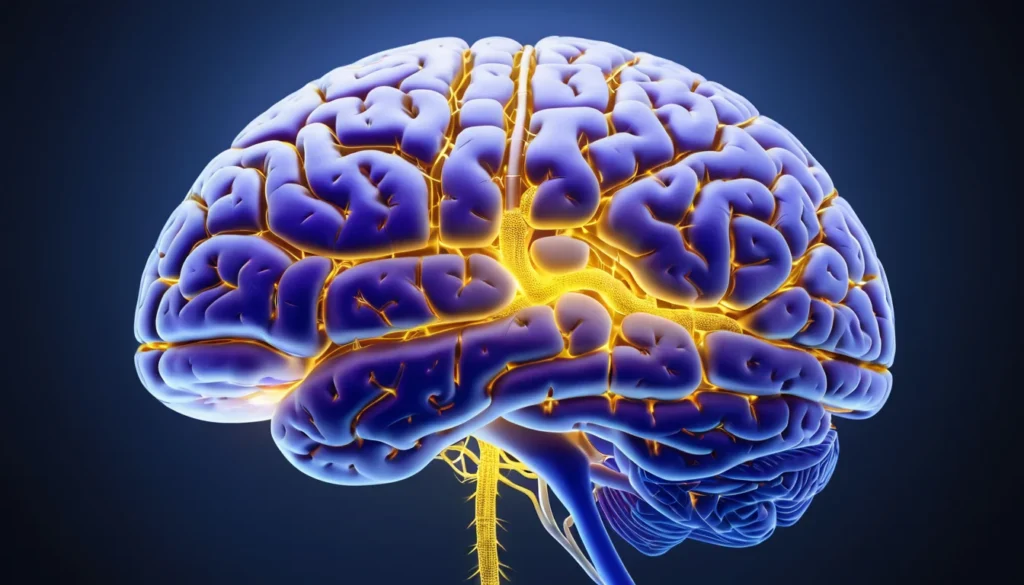
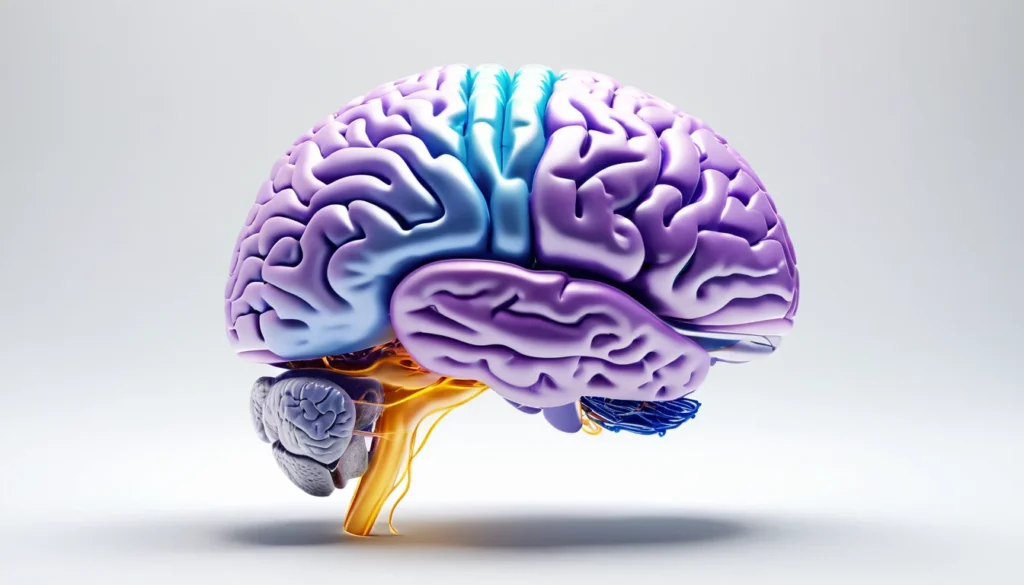
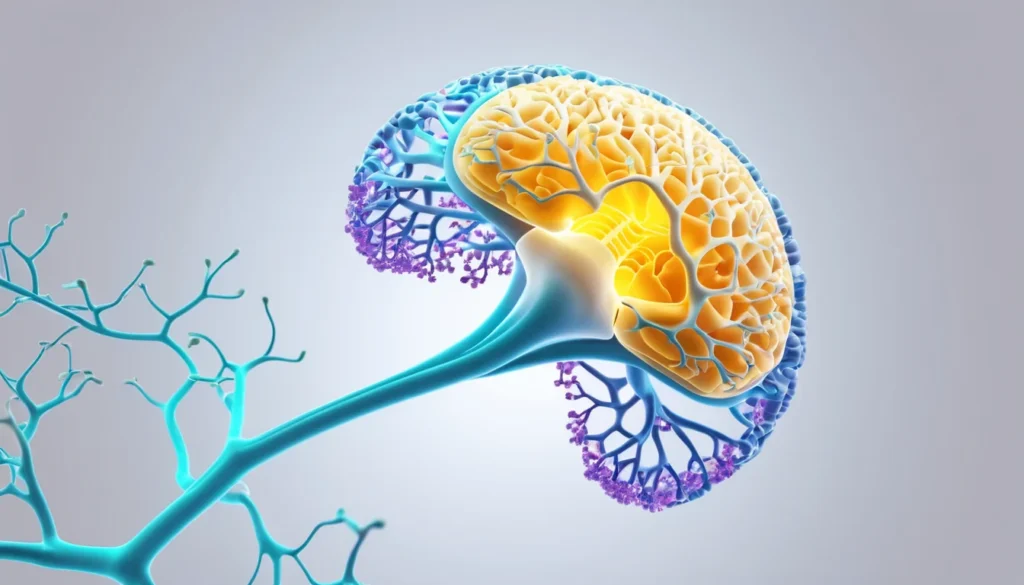
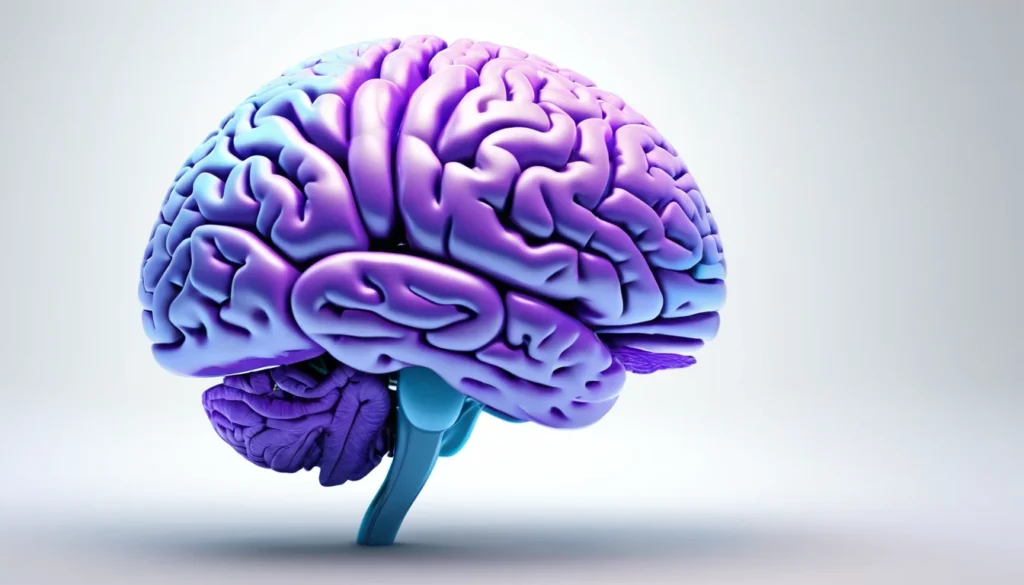
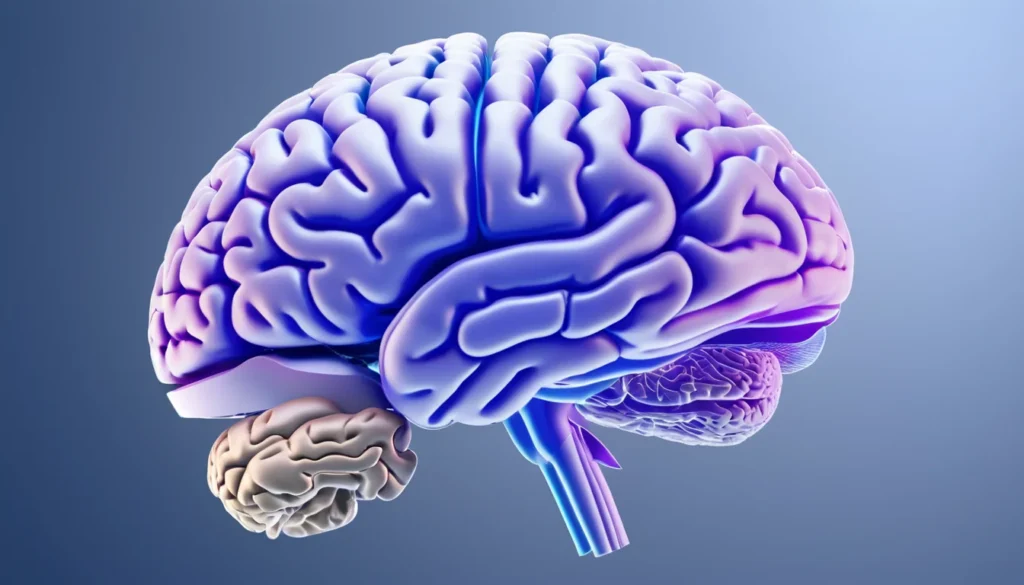
Brain imaging studies show that people with depression have physical changes in certain areas of the brain. This may also be true for dysthymia. Natural brain chemicals called neurotransmitters — which regulate mood — may play a key role. An imbalance in these chemicals could contribute to the development of dysthymia.
Genetics
Dysthymia appears to run in families. Research shows that people with a close biological relative who has depression or dysthymia are at higher risk. Scientists are actively working to identify the specific genes involved.
Life Experiences and Environment
Difficult life events can trigger or worsen dysthymia. These include losing a loved one, going through financial hardship, or experiencing long-term stress. In addition, chronic medical conditions can increase a person’s vulnerability to this disorder.
Risk Factors for Dysthymia
Dysthymia may actually be more common than major depression. This is partly because it tends to start at a younger age and lasts much longer. Several factors appear to raise the risk:
Having a biological family member with depression or dysthymia
Being female (women are diagnosed more often than men)
Going through stressful or traumatic life events
Living with a chronic physical illness
A history of other mental health conditions
As the Mayo Clinic explains in their guide to persistent depressive disorder, dysthymia can start as early as childhood — meaning it can shape a person’s personality and behaviour for decades if left untreated.
Possible Complications
Because dysthymia lasts so long, it can have a serious impact on many areas of life. Without proper treatment, the condition can lead to or worsen other problems.
These complications may include:
Development of major depression (called “double depression” when both occur together)
Suicidal thoughts or behaviour
Substance use problems (alcohol or drugs)
Difficulty maintaining relationships
Family conflict
Social isolation
Poor performance at school or work
Reduced quality of life overall
Therefore, identifying and treating dysthymia early is very important — not just for mental wellbeing, but for physical health too.
When to See a Doctor
It is completely normal to feel sad or low sometimes. Life brings stress, loss, and hard moments for all of us. However, if these feelings have lasted for two or more years and are getting in the way of your daily life, work, or relationships, it is time to get help.
Dysthymia does not usually go away on its own. In fact, it can get worse over time without treatment. The good news is that it responds well to care once diagnosed.
Where to Get Help in Canada
Start by speaking with your family doctor. They may ask about your mood during a routine visit — especially if they notice signs of low mood. Your family doctor can refer you to a psychiatrist or psychologist, depending on what your provincial health plan covers.
If you do not have a family doctor, a walk-in clinic is a great first step. Many walk-in clinics can provide an initial assessment and refer you to the right specialist. You can also contact your province’s mental health helpline for guidance.
For more information on mental health support across Canada, visit Health Canada’s mental health resources page.
How Is Dysthymia Diagnosed and Treated?
If your doctor suspects dysthymia, they will usually recommend a combination of physical and psychological assessments. This helps rule out other conditions — such as thyroid problems — that can cause similar symptoms.
Preparing for Your Appointment
Being prepared for your appointment makes a real difference. Consider writing down:
When your symptoms first appeared
How your daily life has been affected
Any other treatments you have tried
Whether any family members have had depression or dysthymia
Questions you want to ask, such as: “What treatment options are available to me?” or “Would therapy help alongside medication?”
Your doctor will likely ask about your mood, thoughts, and behaviour. The more openly you can share, the more accurate the diagnosis will be. Remember, there is no shame in asking for help.
Treatment Options
Treatment for dysthymia typically involves a combination of psychotherapy (talk therapy) and medication. Cognitive behavioural therapy (CBT) is one of the most effective forms of therapy for chronic depression. Antidepressant medications — such as SSRIs — are also commonly prescribed.
Recovery takes time, but most people see real improvement with the right support. Being an active participant in your own care — asking questions, tracking your mood, keeping appointments — greatly improves your outcomes.
Frequently Asked Questions About Dysthymia
What is the difference between dysthymia and depression?
Dysthymia is a milder but longer-lasting form of depression, while major depression tends to be more intense but may come in episodes. With dysthymia, symptoms persist for at least two years, whereas major depression can last weeks to months. Both conditions are serious and benefit from professional treatment.
Can dysthymia be cured?
Dysthymia cannot always be fully “cured,” but it can be effectively managed with the right combination of therapy and medication. Many people with dysthymia go on to live full, satisfying lives with ongoing support. Early treatment leads to better long-term outcomes.
How do I know if I have dysthymia or just normal sadness?
Normal sadness usually has a clear cause and fades within days or weeks. Dysthymia, on the other hand, persists for two or more years and affects your ability to enjoy life, maintain relationships, and function at work or school. If low mood has been your “normal” for a long time, speak to your family doctor or visit a walk-in clinic.
Is dysthymia covered under provincial health plans in Canada?
Diagnosis and treatment through a family doctor or psychiatrist is covered by most provincial health insurance plans in Canada. However, coverage for psychotherapy (such as CBT with a private psychologist) varies by province. Ask your family doctor what is available to you under your provincial plan.
Can children have dysthymia?
Yes, dysthymia can begin in childhood or adolescence — this is known as early-onset dysthymia. In younger people, the main symptom may be irritability rather than obvious sadness. If your child has seemed persistently unhappy or irritable for more than a year, it is worth discussing with your family doctor.
What happens if dysthymia is left untreated?
Untreated dysthymia can progress into major depression — a combination known as “double depression.” It can also lead to social isolation, substance use, and difficulties at work or school. Seeking help early is the best way to prevent these complications and improve your quality of life.
Key Takeaways
Dysthymia is a mild but chronic form of depression lasting at least two years.
Symptoms include persistent low mood, fatigue, poor concentration, and low self-esteem.
It often begins in childhood or adolescence and can go unrecognised for many years.
Causes involve a mix of brain chemistry, genetics, and life experiences.
Without treatment, dysthymia can worsen and lead to major depression or other complications.
Effective treatments include talk therapy (such as CBT) and antidepressant medication.
If you think you may have dysthymia, speak to your family doctor or visit a walk-in clinic — help is available across Canada.
As always, this article is for general information only. Please consult a qualified healthcare provider for personal medical advice.