Dyspraxia in children is a condition that affects how the brain plans and coordinates movement. It is more common than many parents realize — it affects over 10% of the population, and about 2% of children have a more severe form. Boys are four times more likely to be affected than girls. If your child seems clumsier than other kids their age or struggles with everyday tasks, dyspraxia may be worth looking into. This article explains what dyspraxia is, what to watch for, and how Canadian families can access support.
What Is Dyspraxia?
Dyspraxia — also called Developmental Coordination Disorder (DCD) — is a condition where the brain struggles to plan and send movement signals to the muscles. The word “dyspraxia” comes from the Greek word praxis, meaning “to do” or “to act.” The brain receives information, but the messages to the muscles are incomplete or do not arrive properly.
This is not a problem with muscle strength. The muscles themselves are healthy. However, the nerve cells that carry signals from the brain to the muscles — called motor neurons — do not form the right connections. As a result, smooth, coordinated movement becomes difficult.
Dyspraxia can also affect perception, language, and thinking. It is not a sign of low intelligence. Many children with dyspraxia are bright and creative — they simply process movement information differently. You can learn more about developmental coordination disorder from Mayo Clinic’s overview of developmental coordination disorder.
Signs of Dyspraxia in Children by Age
The signs of dyspraxia in children change as they grow. Spotting them early gives your child the best chance of getting the right support. Here is what to look for at different stages.
Signs in Infants and Toddlers
In the first years of life, some children with dyspraxia reach milestones later than expected. Your child may take longer than other children to crawl, stand, walk, or talk. They may also take longer to toilet train or to build a clear vocabulary.
These delays alone do not confirm dyspraxia. However, if several milestones are delayed, it is a good idea to speak with your family doctor or visit a walk-in clinic for a referral.
Signs in Early Childhood
As your child moves through preschool and the early school years, more specific challenges may appear. These include:
Difficulty with fine motor tasks, such as holding a pencil or doing up buttons
Trouble getting dressed independently
Struggles with physical play — catching or kicking a ball, jumping, skipping, or hopping
Bumping into furniture or falling over objects more than other children
Difficulty climbing or going up and down stairs
Trouble concentrating or processing thoughts quickly
Challenges learning new physical skills
Many of these challenges show up during gym class or recess. Teachers and early childhood educators are often the first to notice something is different.
Signs in Preschool-Age Children
At the preschool stage, social and communication difficulties may also emerge. A child with dyspraxia might:
Find it hard to make or keep friends
Behave in unusual ways around other children
Hesitate before starting most activities
Seem slow to respond or act
Hold a pencil or crayon with an awkward grip
Struggle to understand directional concepts, such as “inside” versus “outside”
These social difficulties are often a secondary effect of the condition. When physical tasks feel harder, children may pull back from group activities and play.
Signs in Older Children
In later childhood, dyspraxia does not simply go away. In fact, without support, the challenges can become more noticeable as schoolwork gets harder. Older children with dyspraxia may:
Struggle with math and written work
Spend much longer than classmates finishing written tasks
Have difficulty following multi-step instructions
Forget instructions shortly after hearing them
Struggle to stay organized at school and at home
Have trouble filtering out background noise or other distractions
These challenges can affect a child’s confidence and school performance. Early diagnosis and support make a significant difference.
What Causes Dyspraxia?
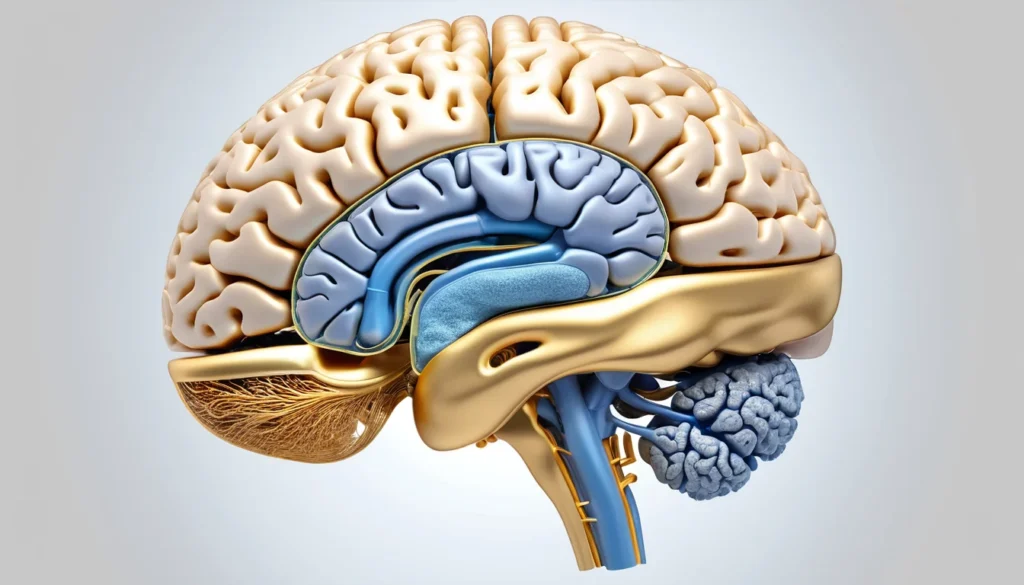
Dyspraxia in children is believed to be caused by improper development of motor neurons in the brain. Motor neurons are specialized nerve cells. Their job is to carry electrical signals from the brain to the muscles, telling them how and when to move.
In children with dyspraxia, these motor neurons do not form strong, efficient connections. The electrical signals either arrive incomplete or do not reach the muscles at all. As a result, the muscles cannot respond properly to the brain’s instructions.
Researchers do not yet fully understand why this happens. It is likely a combination of genetic and environmental factors. Dyspraxia is not caused by anything a parent did or did not do during pregnancy. For more background, the World Health Organization provides context on developmental disabilities and rehabilitation.
How Is Dyspraxia Diagnosed?
There is no single test for dyspraxia. Instead, a healthcare team looks at the full picture of your child’s development. The assessment usually includes:
A detailed history of your child’s development from birth
Tests of gross motor skills — larger movements like walking, jumping, and balance
Tests of fine motor skills — smaller, precise movements like writing or threading beads
A review of how movement difficulties affect daily life and school performance
Specialists typically assess whether your child’s motor skills fall significantly below what is expected for their age and overall intelligence. They will also rule out other conditions, such as cerebral palsy, that could explain the symptoms.
Diagnostic Criteria for Dyspraxia
To receive a diagnosis of dyspraxia, a child generally needs to meet all of the following criteria:
Motor skills are well below the expected level for their age and intellectual ability
The movement difficulties meaningfully affect daily activities and school performance
The difficulties are not caused by another medical condition, such as cerebral palsy
If learning difficulties are also present, the motor skill problems are more significant than those learning difficulties alone would explain
A paediatrician, occupational therapist, or developmental specialist typically leads the assessment. In Canada, your family doctor or paediatrician can refer your child for this kind of evaluation through your provincial health plan.
Treatment Options for Dyspraxia in Children
There is no cure for dyspraxia, but the right support can make a very big difference. Treatment focuses on building skills and finding practical solutions for everyday challenges. The two main approaches are occupational therapy and speech-language therapy.
Occupational Therapy
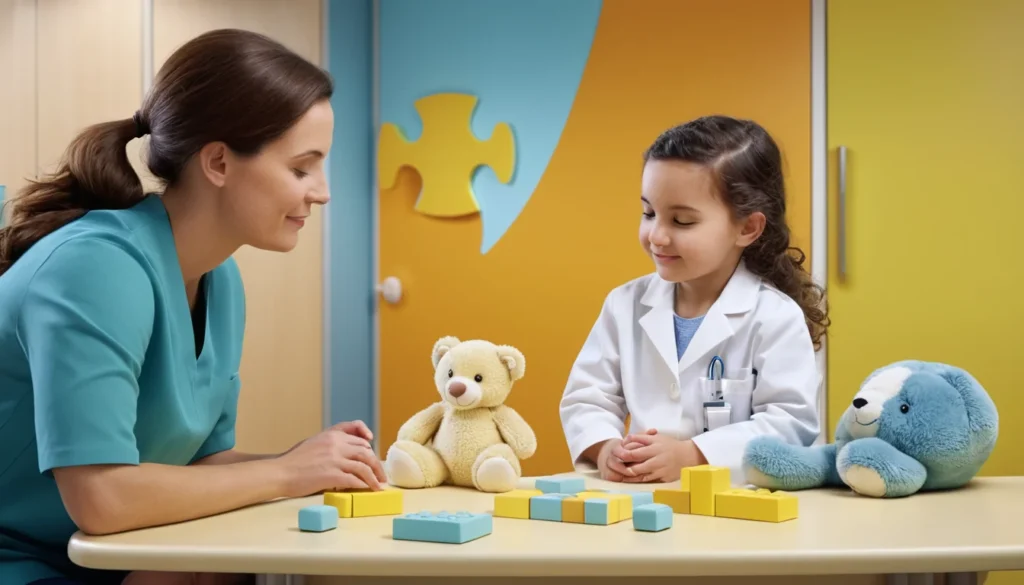
Occupational therapy is often the first and most important treatment for dyspraxia in children. An occupational therapist (OT) works with your child to identify specific areas of difficulty in daily life. They may observe your child at home, at school, or during play to get a full picture of where the challenges lie.
For example, a child might struggle with:
Getting dressed in the morning
Walking to the school bus
Using a knife and fork at mealtimes
Riding a bike
Handwriting at school
The OT then develops a practical, personalized plan. This might include breaking tasks into smaller steps, practising specific movements repeatedly, or using adapted tools. In Canada, occupational therapy is covered under many provincial health plans and school board programmes. Ask your family doctor for a referral.
Speech-Language Therapy
Dyspraxia can also affect the muscles used for speaking. When this happens, it is called verbal dyspraxia or childhood apraxia of speech. A speech-language pathologist (SLP) can help if your child:
Cannot pronounce certain sounds or letters, such as “T” or “D”
Leaves out parts of words
Speaks too quickly or too slowly
Speaks too loudly or too softly
The SLP will assess your child’s speech, identify specific problem areas, and create a programme tailored to your child’s needs. Therapy may include exercises for lip and tongue movement, practising specific sounds, and strategies to improve overall communication. Speech-language therapy is often covered through provincial health plans or school board services in Canada. Healthline has a helpful overview of childhood apraxia of speech for parents who want to learn more.
Support at School
Children with dyspraxia often benefit from extra support in the classroom. In most Canadian provinces, schools can put an Individual Education Plan (IEP) in place. This gives your child access to accommodations such as extra time for written work, access to a keyboard, or modified physical education activities.
Talk to your child’s teacher and principal about what support is available. Your child’s occupational therapist can also communicate directly with the school team to recommend helpful strategies.
When to See a Doctor
If you are concerned about your child’s coordination, movement, or development, do not wait. Speak with your family doctor as soon as possible. Early support leads to better outcomes.
You can also visit a walk-in clinic if you do not have a family doctor. Ask for a referral to a paediatrician or developmental specialist. Depending on your province, you may be able to self-refer to an occupational therapist or speech-language pathologist through your provincial health plan.
Trust your instincts as a parent. You know your child best. If something feels off, it is always worth getting a professional opinion. A diagnosis does not define your child — it opens the door to the right support.
What are the early signs of dyspraxia in children?
Early signs of dyspraxia in children include delayed milestones such as late crawling, walking, or talking. As children grow, they may struggle with dressing, catching a ball, holding a pencil, or keeping up with peers during physical play. If you notice several of these signs, speak with your family doctor for an assessment.
Is dyspraxia the same as developmental coordination disorder (DCD)?
Yes — dyspraxia and developmental coordination disorder (DCD) refer to the same condition. In Canada and the UK, the term dyspraxia is widely used by families and advocates, while healthcare professionals often use the clinical term DCD. Both describe difficulties with planning and coordinating movement that affect daily life.
Can dyspraxia in children be cured?
There is no cure for dyspraxia, but with the right support, children can make significant progress. Occupational therapy and speech-language therapy help children with dyspraxia build skills and develop practical strategies for daily life. Many children go on to manage their challenges very successfully as they grow.
How is dyspraxia diagnosed in Canada?
In Canada, dyspraxia is typically diagnosed by a paediatrician, occupational therapist, or developmental specialist. Your family doctor can provide a referral through your provincial health plan. The assessment looks at your child’s motor skills, development history, and how movement difficulties affect their daily life and school performance.
Does dyspraxia affect learning and school performance?
Yes — dyspraxia in children can affect school performance, particularly with writing, organization, and following instructions. However, dyspraxia does not affect intelligence. With the right support, including an Individual Education Plan (IEP) and occupational therapy, children with dyspraxia can thrive academically.
Is occupational therapy covered by provincial health plans in Canada?
Coverage varies by province, but occupational therapy for children with dyspraxia is often available through provincial health plans, school board programmes, or children’s treatment centres. Ask your family doctor or paediatrician for a referral and contact your provincial health authority to find out what is covered in your area.
Key Takeaways
Dyspraxia in children affects the brain’s ability to plan and coordinate movement — it is not a muscle problem and does not reflect intelligence.
It affects over 10% of the population, with boys four times more likely to be affected than girls.
Signs can appear in infancy and change as your child grows — early identification leads to better outcomes.
Occupational therapy is the primary treatment and helps children build practical skills for everyday life.
Speech-language therapy is also beneficial when dyspraxia affects communication and speech.
Canadian families can access support through family doctors, paediatricians, provincial health plans, and school board programmes.
Always speak with your family doctor or a qualified healthcare professional if you are concerned about your child’s development.