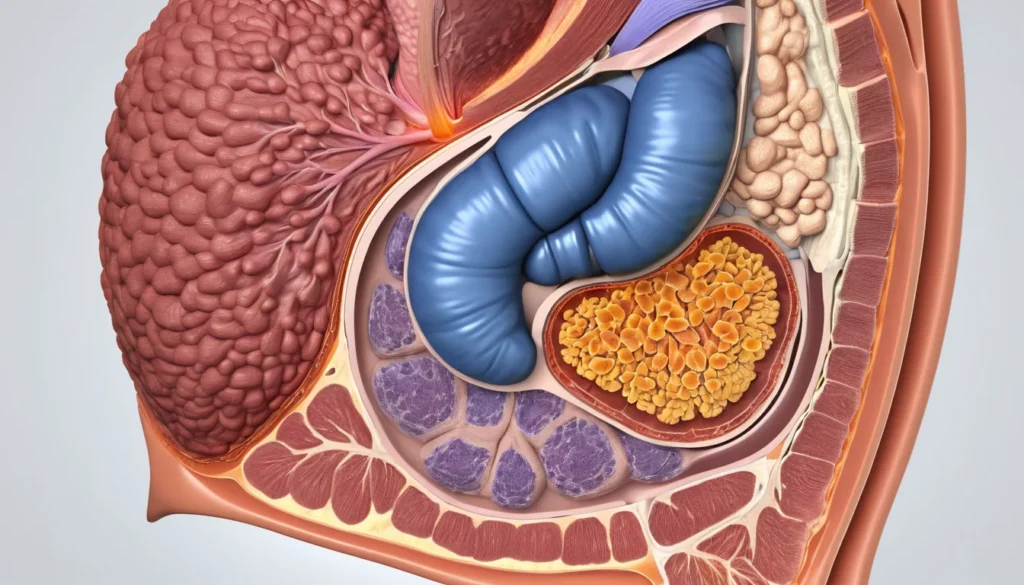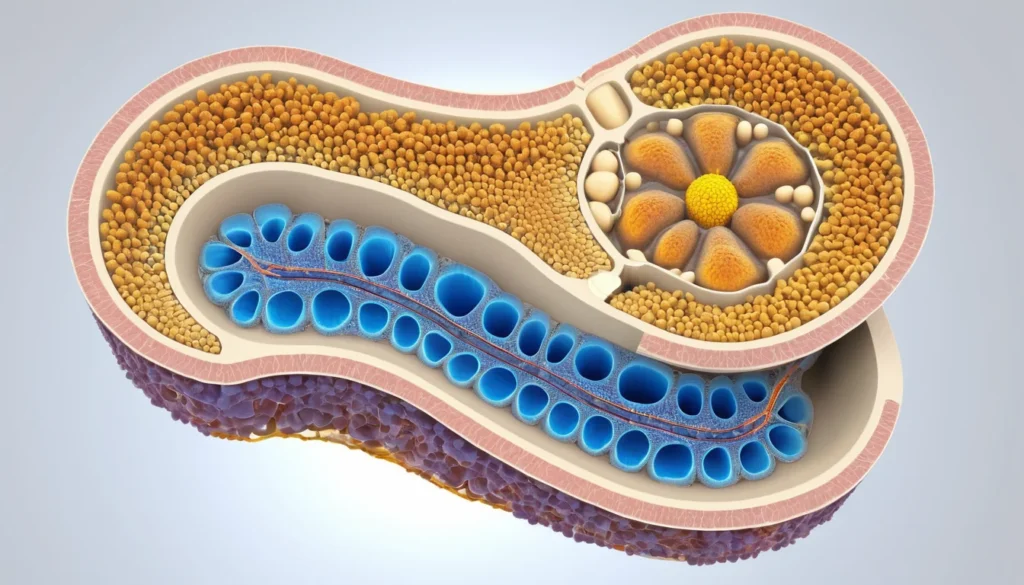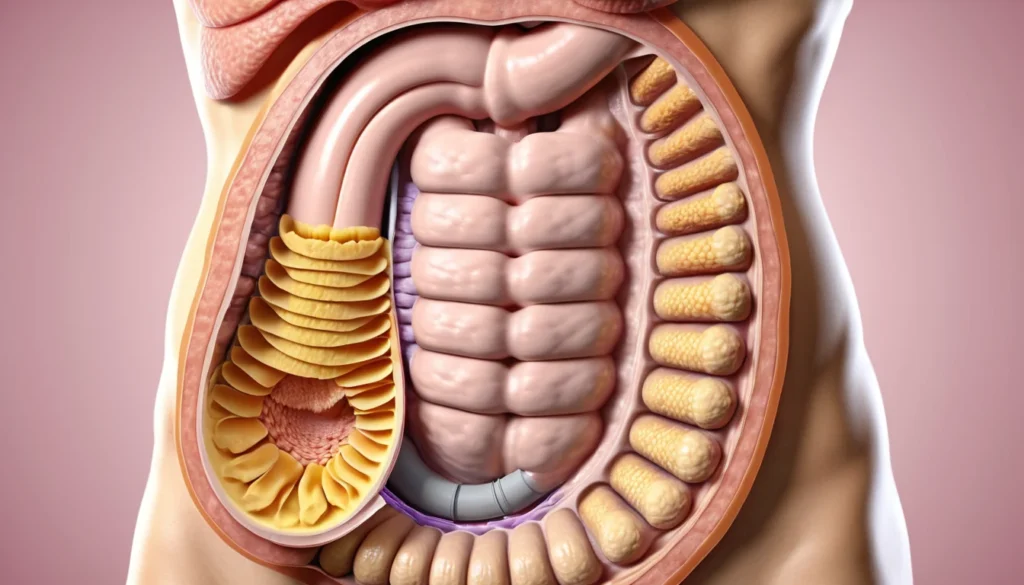
Dysentery is an intestinal infection that causes diarrhoea, stomach cramps, and sometimes bloody or mucus-filled stools. It affects people of all ages, but it can be especially serious for infants and young children. Most cases are mild and clear up on their own within a few days. However, knowing the signs, causes, and treatment options can help you protect yourself and your family.
What Is Dysentery?
Dysentery is an infection of the intestines. It leads to diarrhoea that may contain blood, mucus, or pus. In Canada, most cases are linked to travel in tropical or developing regions, or to poor hygiene practices.
The condition is considered a reportable illness in most Canadian provinces. This means that if you are diagnosed, your doctor is required to notify your local public health authority. This helps prevent the infection from spreading in your community.
Most people recover without medication. However, staying well hydrated is essential. In more serious cases, medical treatment is needed to avoid dangerous complications.
Types of Dysentery
There are two main types of dysentery. Each has a different cause and a slightly different pattern of symptoms.
Bacillary Dysentery (Shigellosis)
Bacillary dysentery is caused by a group of bacteria called Shigella. This is the most common type of dysentery in Canada. There are four main strains of Shigella bacteria:
Shigella sonnei
Shigella flexneri
Shigella boydii
Shigella dysenteriae — this strain causes the most severe symptoms
Shigella spreads easily in places where people are in close contact. For example, daycares, schools, long-term care homes, and military bases are common settings for outbreaks. Contaminated food and water are also frequent sources of infection.
A person with bacillary dysentery can spread the bacteria for one to four weeks after becoming infected. Therefore, proper hand washing and hygiene are critical to stopping the spread.
Amoebic Dysentery (Amoebiasis)
Amoebic dysentery is caused by a microscopic parasite called Entamoeba histolytica. This type is most commonly found in tropical regions and developing countries. In Canada, it is most often diagnosed in people who have recently travelled abroad.
The parasite can live in the intestines for months or even years without causing symptoms. However, when symptoms do appear, they can be more severe than those of bacillary dysentery. In rare cases, amoebic dysentery can be fatal if left untreated.
The parasite forms a protective shell called a cyst when it is ready to leave the body. These cysts can contaminate food and water if sanitation is poor. Once swallowed, the cysts survive stomach acid and travel to the intestines, where they break open and release the parasite. The parasite then attaches to the intestinal wall and can cause ulcers and abscesses.
Dysentery Symptoms to Watch For
Symptoms of dysentery vary depending on the type and severity of the infection. Most people experience mild symptoms that resolve on their own. However, some cases require medical attention.
Bacillary Dysentery Symptoms
Symptoms usually appear within one to three days of infection and can last up to seven days. Mild cases may involve:
Mild stomach pain or cramping
Watery diarrhoea (without blood or mucus at first)
Nausea
In more severe cases, symptoms can include:
Diarrhoea with blood or mucus
Vomiting
Severe abdominal pain
Fever
Amoebic Dysentery Symptoms
Amoebic dysentery can be tricky. It may cause no symptoms at all for two to four weeks — or even longer. When symptoms do appear, they often include:
Watery diarrhoea with blood, mucus, or pus
Nausea and vomiting
Abdominal pain and cramping
Fever and chills
The blood in the stool happens because the parasite attacks the walls of the large intestine. This causes ulcers that bleed. Even after symptoms disappear, the parasite can remain active inside the intestines. As a result, the infection can still be passed to others and symptoms can return later.
Causes and How Dysentery Spreads
Both types of dysentery spread through contact with infected faeces. Poor hygiene is the most common cause. In Canada, outbreaks are most likely to happen in group settings or after travel to high-risk regions.
Common ways dysentery spreads include:
Eating food handled by someone who has not washed their hands properly
Drinking or swimming in contaminated water
Direct contact with an infected person
Sexual contact involving oral-anal contact (for amoebic dysentery)
In countries where clean water and proper sewage systems are lacking, dysentery is far more widespread. Travellers visiting these regions face a higher risk of infection. Health Canada provides travel health advisories to help Canadians stay safe abroad.
Furthermore, children in daycare settings and residents of long-term care facilities are at higher risk within Canada. Frequent, thorough hand washing remains the single most effective way to prevent the spread of dysentery.
How Dysentery Is Diagnosed
Your doctor will usually ask about your symptoms, travel history, and any recent contact with sick individuals. A diagnosis of dysentery is confirmed through a stool sample test. The sample is analysed in a lab to check for the presence of Shigella bacteria or Entamoeba histolytica parasites.
In some cases, additional tests may be ordered. These can include:
Blood tests — to check for signs of infection or complications
Ultrasound — to detect any abscesses, particularly on the liver
Endoscopy — a procedure where a small camera is used to look inside the intestines, used in complex or unclear cases
According to the World Health Organization (WHO), proper laboratory diagnosis is important for guiding the right treatment, especially for amoebic dysentery.
Dysentery Treatment Options
Treatment for dysentery depends on its type and severity. In many mild cases, the body heals on its own. However, staying hydrated is always the most important first step.
Fluids and Hydration
Diarrhoea causes your body to lose fluids quickly. Replacing those fluids is essential. Drink plenty of water, diluted fruit juice, or oral rehydration solutions (available at most Canadian pharmacies without a prescription).
In severe cases, especially in children and older adults, dehydration can become dangerous very quickly. These patients may need to receive fluids through an intravenous (IV) drip in a hospital setting.
Medications
Your doctor may prescribe an antibiotic called metronidazole to treat the infection, particularly for amoebic dysentery or severe bacillary cases. After completing the antibiotic course, a follow-up medication called diloxanide furoate may be prescribed. This drug eliminates any remaining parasites in the intestine.
Antibiotics are not always needed for mild bacillary dysentery. In fact, most mild cases resolve on their own within a week. However, in more serious cases, or when there is a risk of spreading the infection to others, antibiotic treatment is recommended. Always follow your doctor’s guidance and complete the full course of any prescribed medication.
The Mayo Clinic also advises against using anti-diarrhoea medications (like loperamide) without medical guidance, as these can sometimes worsen certain intestinal infections.
Complications of Dysentery
Most people recover from dysentery without any lasting problems. However, certain groups face a higher risk of serious complications.
Dehydration is the most common complication. Infants and young children can become dangerously dehydrated very quickly. This makes dysentery a potentially life-threatening condition for this age group if not managed promptly.
In rare cases of amoebic dysentery, the parasite can travel from the intestine into the bloodstream. It can then reach the liver and cause a liver abscess — a painful pocket of infection. This complication is serious and requires prompt medical treatment. If left untreated, it can become life-threatening.
When to See a Doctor
Many mild cases of dysentery do not require an urgent doctor’s visit. However, you should contact your family doctor or visit a walk-in clinic if you or your child experiences any of the following:
Diarrhoea with blood or mucus
Symptoms lasting more than a few days
Signs of dehydration (dry mouth, no urination, dizziness)
High fever
Severe abdominal pain
Recent travel to a tropical or developing country
Symptoms in an infant, young child, or elderly person
If your symptoms are severe or worsening rapidly, go to your nearest emergency department. Most provincial health plans in Canada cover visits for conditions like dysentery, so do not hesitate to seek care when you need it.
As always, speak with a qualified healthcare provider before starting any treatment. This article is for informational purposes only and is not a substitute for professional medical advice.
Frequently Asked Questions About Dysentery
Is dysentery contagious?
Yes, dysentery is highly contagious. It spreads through contact with infected faeces, contaminated food or water, or close contact with an infected person. A person with bacillary dysentery can spread the infection for up to four weeks, so practising careful hand hygiene is very important.
How long does dysentery last?
Mild dysentery typically clears up within three to seven days without treatment. However, amoebic dysentery can linger much longer — sometimes for weeks or months — if left untreated. If your symptoms last more than a few days, visit your family doctor or a walk-in clinic.
What is the difference between diarrhea and dysentery?
Regular diarrhoea involves loose or watery stools and is often caused by mild stomach upsets, viruses, or food intolerance. Dysentery is a more specific type of intestinal infection that typically causes diarrhoea with blood, mucus, or pus, along with fever and stomach cramps. If your diarrhoea contains blood, seek medical attention promptly.
Can you get dysentery in Canada?
Yes, dysentery can occur in Canada, although it is less common than in tropical or developing regions. Cases in Canada are often linked to international travel, outbreaks in daycares or care homes, or consumption of contaminated food and water. Dysentery is a reportable illness in most Canadian provinces, meaning public health authorities track and manage outbreaks.
What should you eat or drink when you have dysentery?
When you have dysentery, the most important thing is to stay well hydrated. Drink plenty of water, clear broths, diluted fruit juice, or oral rehydration solutions available at Canadian pharmacies. Avoid dairy products, spicy foods, and alcohol until you have fully recovered.
Is dysentery the same as food poisoning?
Dysentery and food poisoning are not the same thing, although both can be caused by contaminated food. Food poisoning is a broader term for illness caused by eating food with harmful bacteria, viruses, or toxins. Dysentery is a specific type of intestinal infection caused by Shigella bacteria or the Entamoeba histolytica parasite, and it often causes bloody diarrhoea.
Key Takeaways
Dysentery is an intestinal infection causing diarrhoea, stomach cramps, and sometimes bloody or mucus-filled stools. There are two types: bacillary dysentery (caused by Shigella bacteria) and amoebic dysentery (caused by Entamoeba histolytica). Most mild cases resolve on their own within a few days. Staying hydrated is the most important step in recovery. Dysentery spreads through poor hygiene, contaminated food or water, and close contact with infected individuals. Frequent hand washing is the best prevention. See your family doctor or walk-in clinic</strong