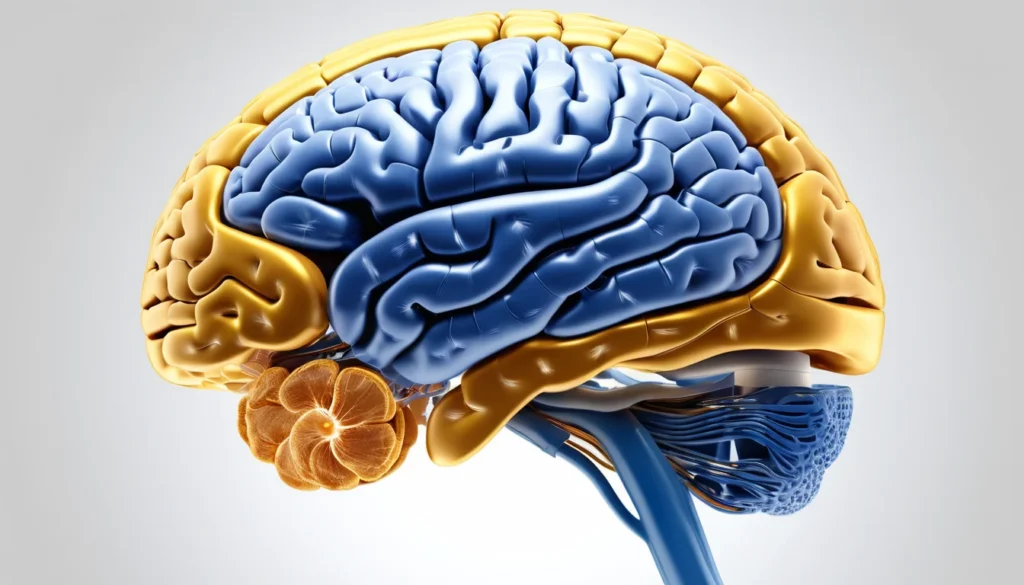
Dysarthria is a speech disorder that makes it hard to speak clearly. It happens when the muscles used for speaking are weak, slow, or hard to control — not because of a problem with language or thinking. In Canada, dysarthria affects people living with a range of neurological conditions, from Parkinson’s disease to multiple sclerosis to stroke. This article explains what dysarthria is, what causes it, how it is diagnosed, and what treatments are available.
What Is Dysarthria?
Dysarthria occurs when there is damage to the nervous system that controls the muscles involved in speech. These muscles include those in the lips, tongue, throat, and chest. When they do not work properly, speech can become slurred, slow, soft, or difficult to understand.
It is important to understand that dysarthria is not a language disorder. People with dysarthria know exactly what they want to say. The problem is in the physical act of producing sound and forming words. This sets it apart from conditions like aphasia, where a person has difficulty finding or understanding words.
Dysarthria can range from mild to severe. In mild cases, speech may sound slightly slurred or unusual. In severe cases, a person may be almost impossible to understand without assistance or alternative communication tools.
The Two Main Types of Dysarthria
There are two broad categories of dysarthria: paralytic and non-paralytic. Each type has different causes and characteristics. However, both can significantly affect a person’s quality of life and ability to communicate.
Paralytic Dysarthria
Paralytic dysarthria results from direct damage to the muscles used in speech or to the nerves that control them. This type is linked to conditions that affect the motor pathways in the brain and brainstem.
For example, myasthenia gravis is a condition where the immune system attacks the connection between nerves and muscles. This leads to muscle weakness, including in the face and throat. As a result, speech becomes weak and fatigued over time.
Another cause is damage to the brainstem, as seen in amyotrophic lateral sclerosis (ALS), also known as Lou Gehrig’s disease. The brainstem controls many basic functions, including swallowing and speaking. When it is affected, both of these can become severely impaired.
Bilateral damage to the pathways running from the brain’s cortex to the brainstem can lead to what is called pseudobulbar syndrome. This condition is seen, for example, in people who have had multiple strokes or in those living with multiple sclerosis. It causes stiff, slow, and effortful speech.
Non-Paralytic Dysarthria
Non-paralytic dysarthria is caused by damage to areas of the brain that coordinate movement, rather than by direct muscle or nerve damage. Several neurological conditions fall into this category.
Damage to the cerebellum — the part of the brain that fine-tunes movement — results in speech that is slow and choppy, almost as if the person is pausing between each syllable. This is sometimes described as “scanning speech.”
In Parkinson’s disease, the voice tends to be very soft and monotone. People with Parkinson’s may speak quietly and with little variation in tone or rhythm. This is one of the most recognisable forms of non-paralytic dysarthria in Canada, given how common Parkinson’s disease is among older adults.
Conditions like chorea and athetosis — which involve involuntary movements — produce speech that is harsh, strained, and highly variable in loudness. The voice may suddenly become very loud or very quiet within a single sentence.
Common Causes of Dysarthria
Dysarthria is a symptom, not a disease on its own. It is always caused by an underlying condition. Understanding the cause is essential for choosing the right treatment. Mayo Clinic provides a detailed overview of dysarthria causes and symptoms that may be helpful for further reading.
Common causes of dysarthria include:
Stroke — One of the most common causes, especially when the stroke affects motor areas of the brain or the brainstem.
Traumatic brain injury (TBI) — Physical injury to the brain can disrupt the pathways that control speech muscles.
Parkinson’s disease — Affects the smooth coordination of speech muscles.
Multiple sclerosis (MS) — Damages the protective covering of nerve fibres, disrupting signals to speech muscles.
ALS (amyotrophic lateral sclerosis) — Progressively destroys motor neurons, including those controlling speech.
Cerebral palsy — A group of conditions affecting movement and motor skills from birth or early childhood.
Brain tumours — Depending on location, tumours can press on areas that control speech.
Myasthenia gravis — Causes muscle weakness that worsens with activity.
Huntington’s disease — A hereditary condition involving chorea and other movement problems.
In some cases, dysarthria may also be caused by certain medications, especially those that affect the central nervous system. If you notice a change in your speech after starting a new medication, speak with your pharmacist or doctor right away.
Signs and Symptoms to Watch For
The signs of dysarthria vary depending on the underlying cause. However, there are several common symptoms that people and their loved ones should be aware of. Healthline offers a clear summary of dysarthria symptoms and when to seek help.
Common symptoms include:
Slurred or mumbled speech that is hard to understand
Speaking very slowly or very quickly
A soft, quiet, or whispery voice
A monotone voice with little variation in pitch or rhythm
Choppy or irregular speech patterns
A nasal or “stuffy” quality to the voice
Unusual changes in the loudness of speech
Difficulty moving the tongue, lips, or jaw
Drooling or difficulty swallowing (which may occur alongside dysarthria)
These symptoms may come on suddenly — for example, after a stroke — or they may develop gradually over time with a progressive neurological condition. Sudden onset of speech changes should always be treated as a medical emergency.
How Is Dysarthria Diagnosed?
If you or someone you love develops sudden or gradual changes in speech, a healthcare provider will carry out a thorough assessment. Diagnosis usually involves several steps.
First, your doctor will take a detailed medical history and perform a physical and neurological examination. They will listen carefully to your speech and observe how you move your lips, tongue, and jaw. They may ask you to repeat words or sentences, count aloud, or sustain a vowel sound.
Further tests may include:
Brain imaging — MRI or CT scans can identify strokes, tumours, or other structural changes in the brain.
Blood tests — To check for underlying conditions like myasthenia gravis.
Electromyography (EMG) — Measures electrical activity in the muscles and can help identify nerve or muscle damage.
Speech-language assessment — A registered speech-language pathologist (SLP) will conduct a detailed evaluation of speech, language, and swallowing.
In Canada, referrals to a speech-language pathologist are available through provincial health plans in most provinces and territories. Your family doctor or specialist can make this referral on your behalf.
Treatment Options for Dysarthria
There is no single treatment for dysarthria. Instead, treatment is focused on managing the underlying cause and improving communication. The good news is that many people with dysarthria can make meaningful improvements with the right support.
Speech-Language Therapy
The most important treatment for dysarthria is speech-language therapy, also called voice rehabilitation or speech therapy. A registered speech-language pathologist will work with you to strengthen speech muscles, improve breath support, and develop clearer speech patterns.
Therapy exercises may include breathing techniques, lip and tongue strengthening, speaking at a slower rate, and using more deliberate articulation. In Canada, speech-language pathologists work in hospitals, rehabilitation centres, community health centres, and private practice.
Treating the Underlying Condition
Because dysarthria is a symptom of another condition, treating that condition is a key part of management. For example, adjusting Parkinson’s medications may improve speech. In myasthenia gravis, immunotherapy or other treatments can reduce muscle weakness and improve voice quality.
In cases where an underlying condition is progressive — such as ALS or Huntington’s disease — the focus shifts to maintaining communication for as long as possible and planning for assistive tools.
Augmentative and Alternative Communication (AAC)
When speech becomes very difficult to understand, augmentative and alternative communication (AAC) tools can help. These range from simple picture boards to sophisticated electronic speech-generating devices. A speech-language pathologist can help determine which tool is the best fit for each individual.
In Canada, some provinces offer funding for AAC devices through provincial disability or assistive devices programmes. Ask your healthcare team about what is available in your province. Health Canada provides information on programmes and services that support Canadians living with disabilities.
Support for Family Members and Caregivers
Dysarthria affects not only the person living with it but also their family and friends. Communication breakdowns can be frustrating and isolating. It helps to speak slowly, give the person time to finish their thoughts, and avoid finishing their sentences for them.
Family members can also attend speech therapy sessions to learn strategies that make communication easier at home. Many rehabilitation centres in Canada offer family education as part of their programmes.
When to See a Doctor
You should see a doctor right away if speech changes come on suddenly. Sudden slurred speech is one of the warning signs of a stroke and requires emergency medical care. In Canada, call 911 immediately if you suspect a stroke.
You should also see your family doctor if you notice gradual changes in your speech or voice over days or weeks. Your family doctor can assess your symptoms, arrange appropriate tests, and refer you to a neurologist or speech-language pathologist as needed.
If you do not have a family doctor, a walk-in clinic can provide an initial assessment and appropriate referrals. Many provinces also offer virtual care options where you can speak with a doctor by phone or video call.
Do not ignore changes in speech, even if they seem minor. Early assessment and treatment lead to better outcomes. Always consult a qualified healthcare provider for personalised medical advice.
Frequently Asked Questions About Dysarthria
What is the difference between dysarthria and aphasia?
Dysarthria is a motor speech disorder — it affects the physical ability to produce speech sounds due to muscle weakness or poor coordination. Aphasia, on the other hand, is a language disorder that affects the ability to find, understand, or use words. A person with dysarthria knows what they want to say but has difficulty physically saying it clearly.
Can dysarthria be cured?
Whether dysarthria can be fully reversed depends on its underlying cause. If the cause is treatable — such as a medication side effect or a single stroke with early rehabilitation — significant improvement is possible. In progressive conditions like ALS, dysarthria cannot be cured, but speech therapy and communication tools can help manage its effects.
Is dysarthria a sign of stroke?
Yes, sudden onset of dysarthria is one of the classic warning signs of a stroke. Slurred or difficult speech that comes on suddenly — especially alongside facial drooping, arm weakness, or confusion — requires immediate emergency care. In Canada, call 911 right away if you suspect a stroke.
What does dysarthria sound like?
Dysarthria can sound different depending on its cause. It may sound slurred, mumbled, very soft, monotone, or choppy and irregular. In cerebellar dysarthria, speech sounds slow and scanning. In Parkinson’s-related dysarthria, the voice is often very quiet and flat with little change in pitch.
How is dysarthria treated in Canada?
In Canada, dysarthria is primarily treated through speech-language therapy provided by a registered speech-language pathologist. Referrals can be made by your family doctor or specialist, and services are covered under most provincial health plans in hospital and rehabilitation settings. Treatment also focuses on managing the underlying neurological condition causing the dysarthria.
Can children develop dysarthria?
Yes, children can develop dysarthria, most commonly as a result of cerebral palsy, brain injury, or other neurological conditions present from birth or early childhood. Early intervention with a speech-language pathologist is very important for children with dysarthria, as it can significantly improve communication outcomes over time.
Key Takeaways
Dysarthria is a motor speech disorder caused by weakness or poor coordination of the muscles used for speaking. There are two main types: paralytic dysarthria (caused by muscle or nerve damage) and non-paralytic dysarthria (caused by brain coordination problems). Common causes include stroke, Parkinson’s disease, ALS, multiple sclerosis, and traumatic brain injury. Symptoms vary by cause but often include slurred, soft, monotone, or choppy speech. Sudden onset of slurred speech is a medical emergency