Dupuytren’s contracture is a hand condition where tissue beneath the skin of the palm slowly thickens and tightens over time. It can cause one or more fingers to bend toward the palm, making everyday tasks — like gripping objects or washing your hands — difficult or even impossible. The condition is most common in Canadians over the age of 50, particularly those with Northern European ancestry. In this article, we explain what Dupuytren’s contracture is, what causes it, and how it is treated.
What Is Dupuytren’s Contracture?
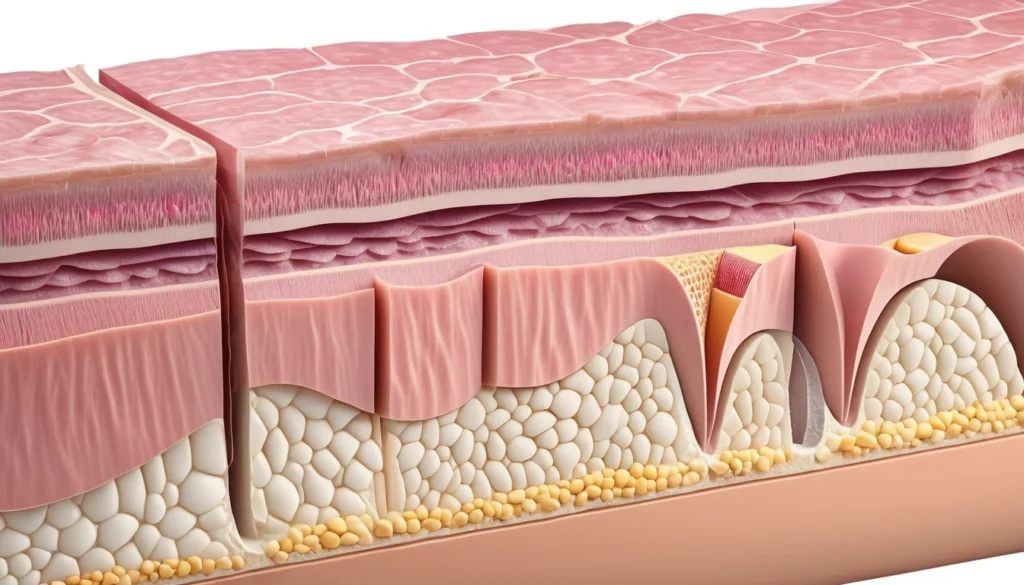
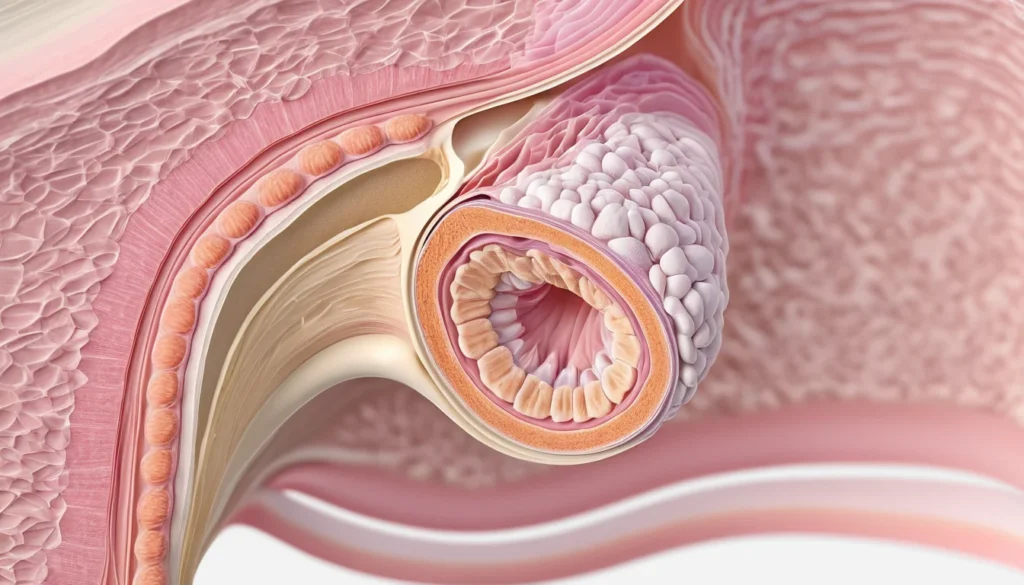
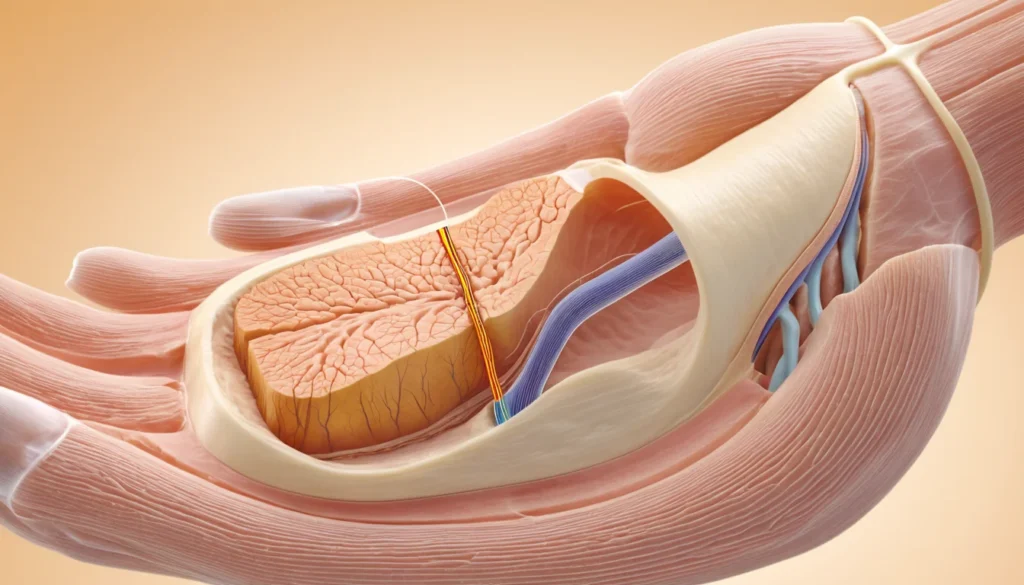
Dupuytren’s contracture affects a layer of tissue called the fascia, which lies between your skin and the tendons in your palm. In a healthy hand, this tissue is thin and flexible. With this condition, the fascia thickens and forms tough, fibrous cords.
These cords pull the fingers — most often the ring finger — down toward the palm. Over time, you may lose the ability to fully straighten the affected fingers. In advanced cases, it becomes impossible to lay your hand flat on a table.
The condition is also sometimes called Dupuytren’s disease or the “Viking disease,” because it occurs most often in people of Northern European descent. It progresses very slowly and, in many cases, never becomes severe enough to require surgery.
Causes of Dupuytren’s Contracture
Doctors do not yet fully understand what causes Dupuytren’s contracture. However, research points to a combination of genetic and lifestyle factors. According to the Mayo Clinic, the condition tends to run in families, especially those with Northern European roots.
Several factors appear to increase a person’s risk of developing the condition:
A family history of Dupuytren’s contracture
Ancestry from Northern Europe (Scandinavian, British, Irish, Dutch)
Regular alcohol consumption
Smoking
Type 2 diabetes
Long-term use of certain anti-seizure medications
It is still unclear whether using vibrating tools, such as jackhammers, plays a role in causing Dupuytren’s contracture. More research is needed to confirm or rule out this link.
Who Is Most at Risk?
Men are far more likely to develop Dupuytren’s contracture than women — roughly 7 to 15 times more often. Men also tend to develop a more severe form of the condition that is more likely to require surgical treatment.
Women who do develop the condition typically experience a milder form, especially after the age of 50. In addition, people who develop the condition at a younger age tend to have a more aggressive form, known as Dupuytren’s diathesis.
Recognising the Symptoms
One important thing to know: Dupuytren’s contracture is usually not painful. If pain does occur, it is typically only in the very early stages of the condition. The most common early sign is a small, firm lump under the skin of the palm, near the base of the fingers.
As the condition progresses, you may notice the following symptoms:
A small nodule or lump on the palm that may feel tender at first
A puckering or dimpling of the skin on the palm
Thick, rope-like cords forming under the skin, running from the palm toward the fingers
One or more fingers bending toward the palm and becoming difficult to straighten
Difficulty performing daily tasks such as gripping a cup, putting on gloves, or shaking hands
Furthermore, the ring finger is the most commonly affected, although the little finger, middle finger, and sometimes the thumb can also be involved. Both hands are affected in about 40% of cases.
Conditions That Look Similar
Other health conditions can cause similar symptoms in the hands. For example, rheumatoid arthritis and hand injuries can also cause stiffness and reduced range of motion. Therefore, it is important to get a proper diagnosis from a healthcare provider rather than assuming you have Dupuytren’s contracture.
How Dupuytren’s Contracture Progresses
Dupuytren’s contracture develops in three general stages. Understanding these stages can help you and your doctor decide when — and if — treatment is needed.
Stage 1: Early Stage
In the early stage, a small nodule appears on the palm or at the base of the fingers. At this point, there is no pulling or bending of the fingers. The lump may feel slightly tender, but the tenderness usually fades over time.
Stage 2: Active Stage
As the condition becomes more active, the thickened fascia grows and begins to form cords and bands beneath the skin. You may notice a dimple or pit forming in your palm as the cords pull on the skin. The cords may become visible or easy to feel under the skin.
Stage 3: Advanced Stage
In the advanced stage, the cords tighten and pull the fingers firmly toward the palm. You will likely find it impossible to lay your hand flat on a table. Simple tasks — like using a knife, typing, or picking up small objects — become very difficult. At this stage, surgical treatment is usually considered.
Most people experience a slow progression through these stages. However, a small number of people — particularly younger patients — experience rapid progression. Healthline provides a helpful overview of how the condition progresses and what to expect at each stage.
Treatment Options for Dupuytren’s Contracture
There is currently no cure for Dupuytren’s contracture. However, several treatments can slow its progression and restore hand function. The right treatment depends on how severe the condition is and how much it affects your daily life.
Watchful Waiting
If the condition is mild and does not interfere with your daily activities, your doctor may recommend a “watch and wait” approach. This means monitoring the condition with regular check-ups without actively treating it. Many Canadians with mild Dupuytren’s contracture live comfortably without needing surgery.
During this period, gentle hand stretching and regular movement can help maintain flexibility. Your family doctor or a physiotherapist can guide you on appropriate exercises.
Non-Surgical Treatments
For some patients, non-surgical options may help delay or reduce the need for surgery. These include:
Needle aponeurotomy (needling): A doctor inserts a needle through the skin to break up the fibrous cords. This is a minimally invasive procedure performed under local anaesthetic.
Collagenase injections: An enzyme is injected into the cord to weaken and break it down. The doctor then manipulates the finger to straighten it. This treatment may not be available in all provinces.
Steroid injections: These may help in the early stages when the nodules are tender and inflamed.
Surgical Treatment
Surgery is the most effective treatment for advanced Dupuytren’s contracture. An orthopaedic or plastic surgeon removes or cuts the thickened tissue to release the fingers and restore movement. However, surgery does not permanently cure the condition — the tissue can thicken again in the same area or elsewhere on the palm.
As a result, some patients require repeat surgery over the years. Recovery from surgery typically involves physiotherapy to regain strength and range of motion in the hand. Your provincial health plan may cover the cost of surgery; speak with your family doctor to understand what is covered in your province.
When to See a Doctor
You should visit your family doctor or a walk-in clinic if you notice any of the following changes in your hand:
A new lump or dimple on the palm, especially near the base of the fingers
Difficulty straightening one or more fingers
An inability to lay your hand flat on a table
Pain or tenderness in the palm or fingers
Your family doctor can diagnose Dupuytren’s contracture and refer you to the right specialist if needed. Depending on the severity, you may be referred to an internist, rheumatologist, or orthopaedic surgeon. Health Canada encourages Canadians to maintain regular check-ups with their primary care provider to catch conditions like this early.
If you do not have a family doctor, a walk-in clinic can provide an initial assessment and refer you onward. Early diagnosis gives you more treatment options and a better chance of preserving full hand function.
Please speak with your doctor before making any decisions about your health. This article provides general information only and is not a substitute for professional medical advice.
Frequently Asked Questions About Dupuytren’s Contracture
Is Dupuytren’s contracture painful?
Dupuytren’s contracture is usually not painful. Some tenderness may occur in the very early stages when nodules first appear, but this typically fades. Most people with Dupuytren’s contracture experience stiffness and limited movement rather than pain.
Can Dupuytren’s contracture go away on its own?
Dupuytren’s contracture does not go away on its own. However, it often progresses very slowly, and many people never develop a severe form. In mild cases, watchful waiting with regular monitoring by your doctor is a perfectly reasonable approach.
What fingers are most affected by Dupuytren’s contracture?
The ring finger is most commonly affected by Dupuytren’s contracture. The little finger is the second most common. In some cases, the middle finger or thumb may also be involved, and both hands are affected in about 40% of cases.
Is Dupuytren’s contracture hereditary?
Yes, Dupuytren’s contracture has a strong hereditary component. It tends to run in families, particularly those with Northern European ancestry. If a parent or sibling has the condition, your risk of developing it is significantly higher.
Can surgery cure Dupuytren’s contracture permanently?
Surgery can significantly improve hand function in people with Dupuytren’s contracture, but it is not a permanent cure. The thickened tissue can return in the same area or appear elsewhere on the palm. Some patients require more than one surgery over their lifetime.
What type of doctor treats Dupuytren’s contracture in Canada?
In Canada, your family doctor is usually the first step in diagnosing Dupuytren’s contracture. They may refer you to an orthopaedic surgeon or plastic surgeon for more advanced cases. A rheumatologist or internist may also be involved in your care depending on your situation.
Key Takeaways
Dupuytren’s contracture is a slow-progressing hand condition that causes thickening of the palm’s connective tissue.
It most often affects Canadians over 50 with Northern European ancestry, and is far more common in men than women.
The condition is usually not painful, but it can significantly limit hand function over time.
The ring finger is the most commonly affected finger, and both hands may be involved.
Treatment ranges from watchful waiting in mild cases to needle procedures, injections, or surgery in more severe cases.
Surgery can restore hand function but does not permanently prevent recurrence.
See your family doctor or visit a walk-in clinic if you notice lumps, dimpling, or stiffness in your palm or fingers.
Always consult your healthcare provider to find the right approach for your individual situation.