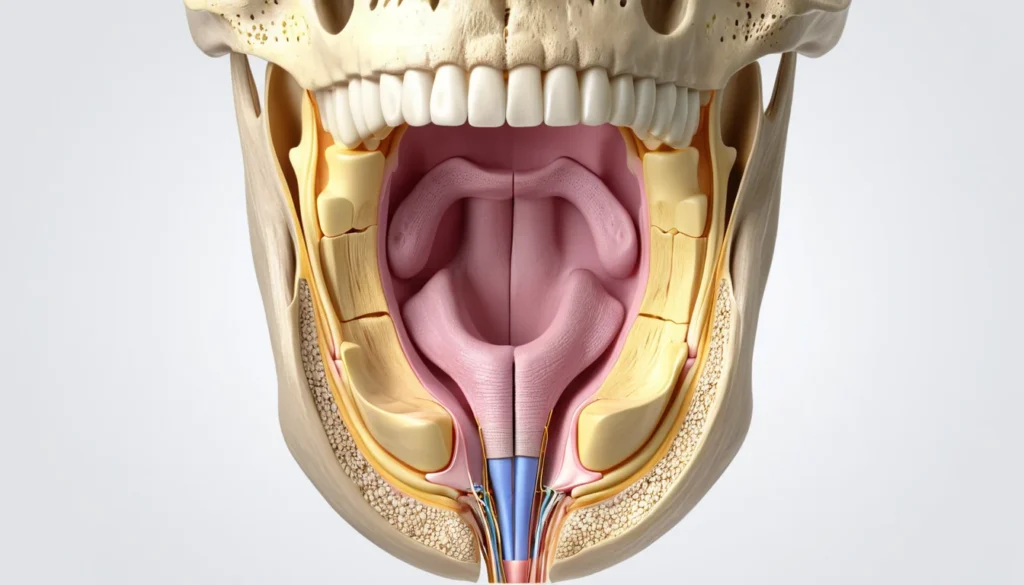
Dry socket is one of the most painful complications that can happen after a tooth extraction. It occurs when the blood clot at the extraction site fails to form properly — or dissolves too soon — leaving the underlying bone and nerves exposed. Most cases appear within one to three days after a tooth is pulled. In this article, you will learn what causes dry socket, how to recognize it, and what Canadian dentists can do to help.
What Is Dry Socket?
After a dentist removes a tooth, a blood clot normally forms in the empty socket. This clot acts as a protective covering for the bone and nerve endings underneath. It also provides the foundation for new bone growth and soft tissue healing over time.
When that clot is missing or breaks down too early, the socket is left open and unprotected. This condition is called dry socket, known medically as alveolar osteitis. The exposed bone and nerves cause intense, throbbing pain that regular over-the-counter pain relievers often cannot fully control.
Dry socket is the most common complication following tooth extractions, especially wisdom tooth removal. However, it can occur after any tooth extraction. The good news is that your dentist can treat it effectively.
Signs and Symptoms of Dry Socket
Symptoms of dry socket usually begin suddenly within the first three days after your extraction. Knowing what to watch for can help you act quickly and get relief sooner.
Common signs and symptoms include:
Intense pain at the extraction site that gets worse, not better, after the first day or two
Pain that radiates to one side of your face, including your eye, ear, temple, or neck
A visible empty or partially empty socket where the blood clot should be
Bone visible inside the socket
Bad breath that does not go away with brushing
An unpleasant or bitter taste in your mouth
Some discomfort after a tooth extraction is completely normal. However, pain that keeps getting worse — rather than gradually improving — is a clear warning sign. Do not wait to seek care if you notice these symptoms.
What Causes Dry Socket?
Researchers are still studying the exact causes of dry socket. However, several factors are known to interfere with normal blood clot formation and healing at the extraction site.
Bacterial Contamination
Bacteria in the mouth can break down a blood clot before it has a chance to protect the socket. This is especially common if there was an existing dental or gum infection near the extraction site before the procedure.
Trauma to the Extraction Site
Physical trauma — either during the extraction itself or in the days that follow — can dislodge a forming clot. Actions like sucking through a straw, vigorous rinsing, or spitting forcefully create suction that can pull the clot away from the socket.
Food and Drink Choices
Consuming foods or drinks that are very hot or very cold can interfere with clot formation. Hard, crunchy, or sticky foods can also physically disturb the healing socket and increase your risk of developing dry socket.
For more information on tooth extraction aftercare, visit the Mayo Clinic’s guide on dry socket causes and symptoms.
Risk Factors for Dry Socket
Anyone who has a tooth pulled can develop dry socket. However, certain factors raise your risk significantly. Talk to your dentist before your procedure if any of these apply to you.
Smoking and Tobacco Use
Smoking is one of the strongest risk factors for dry socket. The chemicals in cigarettes and other tobacco products can prevent normal clot formation. Smoking also slows healing and introduces bacteria into the wound. Dentists strongly recommend avoiding all tobacco products for at least 48 to 72 hours before and after an extraction.
Oral Contraceptives
Higher oestrogen levels from birth control pills can interfere with the body’s natural healing process. If you take oral contraceptives, ask your dentist whether the timing of your extraction should be adjusted to lower your risk. Some dentists prefer to schedule extractions during the days of the pill cycle when oestrogen levels are lowest.
Poor Oral Hygiene
Failing to keep your mouth clean before and after an extraction raises the risk of bacterial contamination. Following your dentist’s oral hygiene instructions carefully is one of the simplest ways to protect the healing socket.
History of Dry Socket
If you have had dry socket after a previous extraction, you are more likely to experience it again. Let your dentist know about your history so they can take extra precautions during and after your procedure.
Pre-Existing Dental Infection
Active or recent infections in the gum or bone near the extraction site increase the risk. Your dentist may recommend treating the infection before proceeding with the extraction whenever possible.
When to See a Doctor or Dentist
A moderate level of soreness after a tooth extraction is expected and normal. It should be manageable with mild pain relievers like ibuprofen or acetaminophen, as directed by your dentist. Pain that gets significantly worse after the first 24 to 48 hours is not normal and needs attention.
Contact the dentist who performed your extraction right away if you notice worsening pain, a bad taste, or visible bone in the socket. Most dental offices can see you quickly for post-extraction complications. If your dentist is unavailable, a walk-in dental clinic or medical walk-in clinic can assess your symptoms and provide interim pain relief.
If you do not have a regular dentist, your family doctor can evaluate your symptoms and refer you to appropriate dental care. In some provinces, emergency dental services may be covered under provincial health plans for qualifying individuals — check with your provincial health authority for details. You can also review general guidance on oral health from Health Canada’s oral health resources.
As always, consult your dentist or healthcare provider before making any decisions about your dental care. Every person’s situation is different, and professional guidance is essential.
How Is Dry Socket Treated?
The goal of dry socket treatment is to relieve pain and protect the socket while it heals. Your dentist will clean out any food debris or bacteria from the socket first. Then they will pack the socket with a medicated dressing that soothes the exposed bone and nerve endings.
The medicated dressing usually needs to be changed every one to three days until healing progresses. Your dentist may also prescribe a stronger pain reliever for the days following treatment. Most people feel significant relief within 24 hours of starting treatment.
In rare cases, if an infection develops, your dentist may prescribe oral antibiotics. Untreated infections can spread and lead to a more serious bone infection called osteomyelitis, so it is important to follow through with all recommended care.
How to Prevent Dry Socket
Prevention starts before your appointment and continues for several days after your extraction. Following your dentist’s instructions carefully is the most important step you can take.
Before Your Extraction
Choose an experienced dentist for your extraction procedure
Stop smoking at least 48 hours before your appointment, and ideally longer
Tell your dentist about all medications and supplements you take, as some can interfere with clotting
Discuss your use of oral contraceptives with your dentist before scheduling
During the Procedure
Your dentist will take steps to reduce your risk during the extraction itself. These may include using antibacterial mouth rinse before and after the procedure, applying antiseptic solutions directly to the socket, and prescribing preventive antibiotics for patients with a weakened immune system.
After Your Extraction
Proper aftercare at home plays a major role in preventing dry socket. Your dentist will give you specific instructions, which typically include:
Rest on extraction day. Avoid strenuous activity for at least 24 hours to reduce the risk of disturbing the clot.
Apply ice packs. Place an ice pack wrapped in a cloth against your cheek on the side of the extraction to reduce swelling and pain during the first 24 hours.
Take pain relievers as directed. Use the medications your dentist recommends on schedule, not just when the pain becomes severe.
Stay hydrated. Drink plenty of water, but avoid hot drinks for the first 24 hours.
Avoid straws. The suction from a straw can dislodge the blood clot. Avoid straws for at least one week.
Do not smoke. Avoid all tobacco products for at least 72 hours after extraction, and longer if possible.
Eat soft foods. Stick to yogurt, mashed potatoes, soup (not too hot), and similar foods for several days.
Rinse gently. Starting 24 hours after your extraction, gently rinse with warm salt water. Do not swish vigorously.
Following these steps carefully gives the socket the best possible chance to heal without complication. For additional evidence-based guidance, Healthline’s overview of dry socket prevention and treatment is a helpful resource.
Frequently Asked Questions About Dry Socket
How do I know if I have dry socket or normal pain after extraction?
Normal post-extraction pain gradually improves over the first two to three days and responds to mild pain relievers. Dry socket pain gets significantly worse after the first day or two, often radiates to the ear or jaw, and is not relieved by standard pain medication. If your pain is worsening rather than improving, contact your dentist promptly.
How long does dry socket last?
Without treatment, dry socket discomfort can last seven to ten days or longer. With proper dental treatment — including medicated dressings and pain management — most people experience significant relief within 24 to 48 hours. Full socket healing typically takes one to two weeks from the start of treatment.
Can dry socket heal on its own without going to the dentist?
Technically, a dry socket will eventually heal on its own, but the process is slow and extremely painful without treatment. Leaving it untreated also raises the risk of infection spreading to the surrounding bone. Seeing your dentist as soon as possible is strongly recommended for faster relief and to avoid complications.
Is dry socket more common after wisdom tooth removal?
Yes — dry socket is most commonly associated with wisdom tooth (third molar) extractions. This is partly because lower wisdom teeth are more difficult to extract, which can cause more trauma to the surrounding tissue. The position of wisdom teeth also makes the socket harder to keep clean during healing.
Does smoking always cause dry socket?
Smoking significantly increases the risk of developing dry socket, but it does not cause it in every case. The chemicals in tobacco restrict blood flow and interfere with clot formation, making complications much more likely. Dentists recommend avoiding all tobacco use for at least 72 hours before and after any extraction to reduce this risk.
Can I go to a walk-in clinic for dry socket in Canada?
If your dentist is unavailable, a walk-in dental clinic or medical walk-in clinic can assess your symptoms and help manage your pain in the short term. However, dry socket treatment — particularly the medicated socket dressing — typically needs to be performed by a dentist. Ask your walk-in provider for a referral or contact a dental emergency line in your area.
Key Takeaways
Dry socket occurs when the blood clot in the tooth socket is lost or fails to form, exposing bone and nerves.
It is the most common complication after tooth extraction, especially wisdom tooth removal.
Symptoms — including intense, worsening pain and bad breath — usually appear within one to three days after extraction.
Smoking, oral contraceptives, poor oral hygiene, and a history of dry socket all raise your risk.
Your dentist can treat dry socket effectively with medicated dressings and pain management.
Following your dentist’s aftercare instructions carefully is the best way to prevent dry socket at home.
If you are concerned about pain after an extraction, contact your dentist, visit a walk-in clinic, or speak with your family doctor.