A dry orgasm happens when a person reaches sexual climax but releases little or no semen. This is also called anejaculation. It can be a temporary issue, or it can point to an underlying health condition that needs attention. In this article, we explain the most common causes, how a dry orgasm differs from retrograde ejaculation, and what steps to take if it happens to you.
What Is a Dry Orgasm?
A dry orgasm occurs when orgasm happens without ejaculation. The physical sensation of climax is still present. However, the body does not release semen through the penis.
This condition is known medically as anejaculation. It is more common than many people realise. In some cases, it is harmless and short-lived. In others, it may signal a medical issue worth investigating.
It is important to note that a dry orgasm is not the same as retrograde ejaculation, though the two are often confused. We will explain the difference further below.
Common Causes of a Dry Orgasm
There are several reasons why a dry orgasm may occur. Some causes are simple and temporary. Others are linked to medical conditions, medications, or surgical procedures.
Multiple Orgasms in a Short Time
One of the most common and harmless causes is having multiple orgasms in a short period. The body simply runs out of semen to release. As a result, subsequent orgasms may produce little or no fluid.
This is not a cause for concern. The body typically restores its semen supply within a few hours of rest. Some people replenish faster than others, but a short period of sexual rest is usually all that is needed.
Low Testosterone Levels
Low testosterone can reduce a person’s ability to ejaculate. This becomes more common as people age. However, it can also affect younger people with certain hormonal imbalances.
Testosterone plays a key role in sperm and semen production. When levels drop significantly, the body may not produce enough fluid to ejaculate. A blood test ordered by your family doctor can quickly confirm whether low testosterone is a factor.
Genetic Conditions Affecting Sperm Production
Some people are born with genetic differences that reduce or prevent sperm production. In these cases, the body simply does not produce enough material to ejaculate. This does not always affect a person’s overall health, but it is worth confirming with a doctor.
Nerve Damage
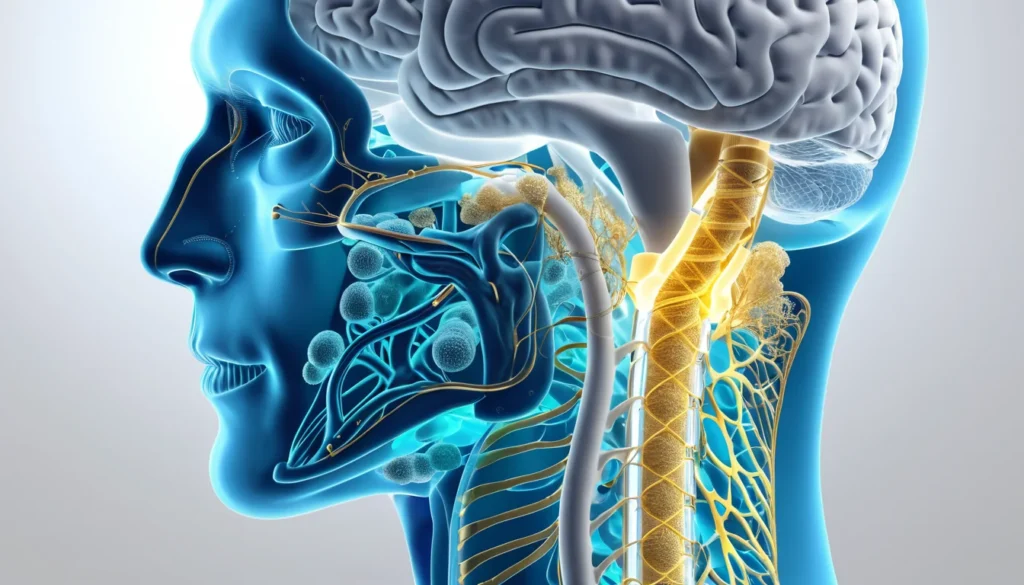
Nerve damage is another significant cause of dry orgasm. The nerves involved in ejaculation can be damaged by a spinal cord injury, or as a complication of a medical condition. Conditions such as diabetes, multiple sclerosis, and certain cancers can all affect nerve function over time.
When the nerves that control ejaculation are damaged, the brain may not send the right signals to trigger semen release. Furthermore, the muscles involved in ejaculation may also be affected.
Blockages in the Urethra or Ejaculatory Ducts
Physical blockages can prevent semen from leaving the body during orgasm. These blockages may occur in the urethra or the ejaculatory ducts. Cysts are one of the more common causes of such obstructions.
In these cases, semen is produced normally but cannot travel through the usual pathway. As a result, no fluid is released at climax. This type of blockage often requires medical investigation and treatment.
Dry Orgasm After Surgery or Medical Treatment
Surgery involving the pelvis or reproductive organs is one of the leading causes of dry orgasm. Many people experience this condition after certain procedures. In some cases, the change is temporary. In others, it may be permanent.
Surgical procedures and medical treatments that may lead to a dry orgasm include:
Prostatectomy (removal of the prostate gland)
Cystectomy (removal of the bladder)
Laser prostate surgery
Transurethral resection of the prostate (TURP)
Transurethral incision of the prostate (TUIP)
Transurethral microwave therapy of the prostate
Lymph node dissection
Radiation therapy to the pelvic area
Complete removal of the prostate or seminal vesicles will typically result in a permanent dry orgasm. The body continues to produce sperm cells, but they are reabsorbed internally rather than released. This is a well-known outcome that surgeons discuss with patients beforehand.
For more information on how prostate surgery can affect sexual function, visit the Mayo Clinic’s overview of ejaculation disorders.
Dry Orgasm vs. Retrograde Ejaculation: What Is the Difference?
Retrograde ejaculation is sometimes called a dry orgasm, but the two conditions are not the same. Both result in little or no semen being released during climax. However, the underlying mechanism is different.
In retrograde ejaculation, semen is produced normally. Instead of travelling forward and out through the penis, it is redirected backward into the bladder. The semen stays in the bladder until the body flushes it out during urination. People with retrograde ejaculation may notice that their urine looks cloudy after orgasm, because it contains semen.
In contrast, a true dry orgasm (anejaculation) means semen is either not produced or is genuinely unable to exit the body. No semen ends up in the bladder.
Retrograde ejaculation is more common after prostate surgery. It can also be triggered by certain medications, particularly alpha-blockers, which are sometimes prescribed for high blood pressure or an enlarged prostate. According to Healthline’s guide to retrograde ejaculation, this condition is generally not harmful but can affect fertility.
Telling the two conditions apart matters, because they may require different treatments. A urine test after orgasm is the most common way doctors distinguish between them.
How a Dry Orgasm Affects Fertility
A dry orgasm does not affect sexual pleasure in most cases. However, it can make natural conception difficult or impossible. If semen is not released during intercourse, sperm cannot fertilise an egg through conventional means.
For people who want to have children, there are assisted reproductive options available. These include sperm retrieval techniques and in vitro fertilisation (IVF). A fertility specialist can help determine which options may be suitable.
It is also worth noting that a dry orgasm may cause emotional distress or communication challenges within a relationship. Talking openly with a partner and, if needed, speaking with a counsellor or therapist can be helpful. There is no reason to feel embarrassed about discussing this with a healthcare provider. Your doctor has seen this before and is there to help.
Health Canada provides resources on reproductive and sexual health that Canadians can access through their provincial health programmes. You can explore these through the Health Canada website.
When to See a Doctor About a Dry Orgasm
If you experience a dry orgasm more than once and it is not explained by multiple orgasms in quick succession, it is a good idea to speak with a healthcare provider. In Canada, you can start with your family doctor, or visit a walk-in clinic if you do not have a regular physician.
Your doctor will ask about your symptoms, medical history, any surgeries you have had, and any medications you are currently taking. This information helps narrow down the cause quickly.
In most cases, a physical examination will follow. Your doctor may also ask you to provide a urine sample after orgasm. This helps identify whether retrograde ejaculation is involved. You will be given a collection container and asked to produce the sample in a private room.
Depending on the suspected cause, additional tests may be ordered. These might include blood tests to check hormone levels, or imaging to look for blockages. The sooner you seek assessment, the sooner you can get answers and, if needed, begin treatment. Not all causes of dry orgasm have a treatment, but many do — and early diagnosis always helps.
Frequently Asked Questions About Dry Orgasm
Is a dry orgasm dangerous?
A dry orgasm is not always dangerous. In many cases, it is temporary and harmless, such as after multiple orgasms in a short time. However, if it happens regularly without an obvious reason, it may point to an underlying condition that deserves medical attention.
Can a dry orgasm affect fertility?
Yes, a dry orgasm can make natural conception difficult because no semen is released during intercourse. However, fertility treatments such as sperm retrieval and IVF may still be options. Speaking with a fertility specialist is the best first step if you are trying to conceive.
What is the difference between a dry orgasm and retrograde ejaculation?
In a dry orgasm, the body either does not produce semen or cannot release it at all. In retrograde ejaculation, semen is produced but travels backward into the bladder instead of out through the penis. Both result in little or no visible semen, but they have different causes and may need different treatments.
Can medications cause a dry orgasm?
Yes, certain medications can interfere with ejaculation. Alpha-blockers, which are used to treat high blood pressure or an enlarged prostate, are among the most common culprits. If you suspect a medication is causing your symptoms, speak with your doctor before stopping it.
Is a dry orgasm common after prostate surgery?
Yes, a dry orgasm is a well-known side effect of prostate surgery, including prostatectomy and transurethral procedures. In some cases the change is temporary, but complete removal of the prostate typically results in a permanent dry orgasm. Surgeons in Canada routinely discuss this outcome with patients before the procedure.
When should I see a doctor about a dry orgasm in Canada?
You should see a doctor if a dry orgasm occurs repeatedly and is not explained by having multiple orgasms in a short period. Start with your family doctor or a walk-in clinic. Early assessment helps identify the cause and, where possible, begin appropriate treatment sooner.
Key Takeaways
A dry orgasm means reaching climax without releasing semen. This is called anejaculation.
Common causes include multiple orgasms in quick succession, low testosterone, nerve damage, blockages, and certain surgeries.
A dry orgasm is not the same as retrograde ejaculation. In retrograde ejaculation, semen enters the bladder rather than being fully absent.
Surgery involving the prostate, bladder, or nearby structures is a leading medical cause of dry orgasm.
A dry orgasm can affect fertility, but assisted reproductive options may be available.
If you experience this regularly without an obvious cause, visit your family doctor or a local walk-in clinic in Canada for assessment.
Always speak with a qualified healthcare provider before drawing conclusions about your symptoms. Only a doctor can give you an accurate diagnosis and appropriate treatment plan.