Dry mouth is a condition where your salivary glands stop producing enough — or any — saliva. It can range from a mild reduction in saliva to a complete absence of saliva production. Left untreated, dry mouth can lead to serious dental problems, including cavities and gum infections. In this article, we explain what causes dry mouth, how it is diagnosed, and what you can do about it.
What Is Dry Mouth?
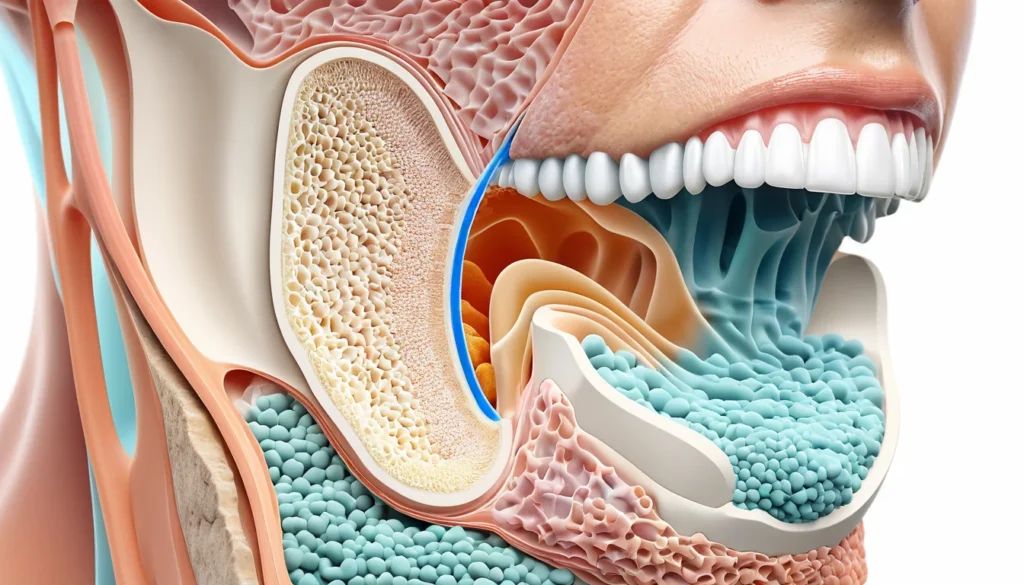
Dry mouth — known medically as xerostomia or asialia — happens when your salivary glands do not produce enough saliva to keep your mouth moist. Saliva is not just water. It plays a vital role in protecting your teeth, helping you chew and swallow, and fighting harmful bacteria in your mouth.
When saliva production drops significantly, but does not stop completely, doctors call this hyposialia. When saliva production stops entirely, it is called asialia or aptialism. Both conditions fall under the broader umbrella of dry mouth, and both deserve attention from a healthcare provider.
According to Health Canada, oral health is closely connected to your overall health. A dry mouth that goes untreated can quietly damage your teeth and gums over months or years.
Common Causes of Dry Mouth
Dry mouth has many possible causes. Some are temporary and easy to reverse. Others are permanent and require long-term management. Understanding the cause is the first step toward finding the right treatment.
Medications That Reduce Saliva
One of the most common causes of dry mouth in Canada is medication. Many prescription and over-the-counter drugs reduce saliva production as a side effect. These include:
Belladonna alkaloids and atropine — used to treat certain stomach and bladder conditions
Benzodiazepines — used for anxiety and sleep disorders
Beta-blockers — used to manage heart conditions and high blood pressure
Antihistamines, antidepressants, and diuretics
In many cases, stopping or switching the medication — under your doctor’s guidance — allows saliva production to return to normal. However, never stop a prescribed medication on your own. Always talk to your family doctor or pharmacist first.
Radiation Therapy to the Head and Neck
Radiation therapy targeting the face, head, or neck can permanently damage the salivary glands. This is a well-known side effect for people undergoing cancer treatment. Unfortunately, in these cases, the dry mouth is often long-lasting or permanent.
People who have received radiation therapy to the head or neck area should work closely with their dentist and cancer care team to protect their oral health. Regular dental check-ups become especially important after this type of treatment.
Sjögren’s Syndrome
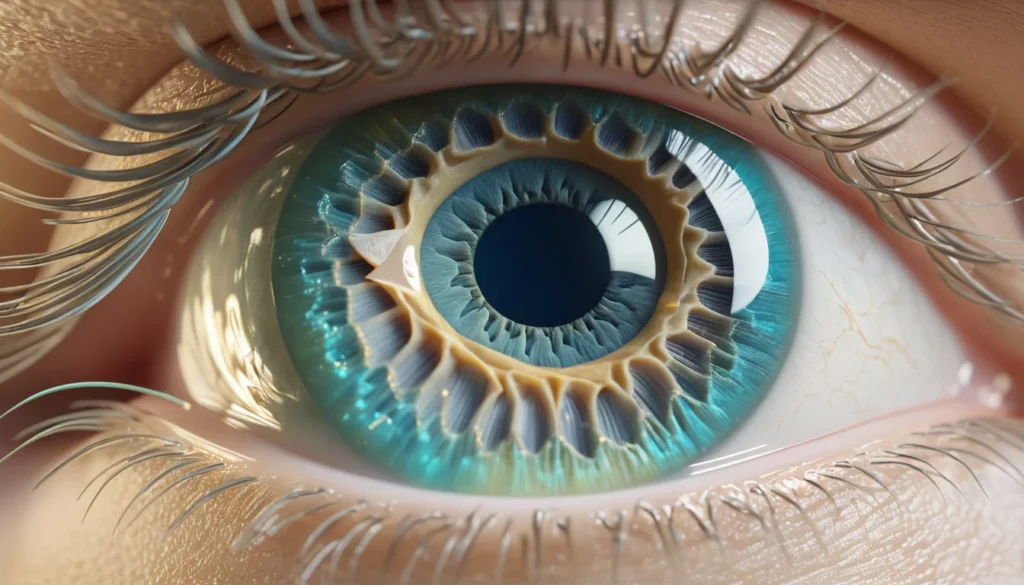
Sjögren’s syndrome is an autoimmune disease where the body’s immune system attacks its own moisture-producing glands. This includes the salivary glands and tear glands. As a result, people with Sjögren’s syndrome often experience both severe dry mouth and dry eyes.
This condition is more common in women and often develops alongside other autoimmune diseases like rheumatoid arthritis or lupus. Dry mouth caused by Sjögren’s syndrome is typically permanent and requires ongoing management. Learn more about Sjögren’s syndrome at Mayo Clinic.
Congenital Causes
In rare cases, a person is born with salivary glands that do not function properly. This is called a congenital cause. Congenital dry mouth tends to be permanent and requires lifelong dental and medical management from an early age.
Other Contributing Factors
Beyond medications and medical conditions, several lifestyle and health factors can worsen dry mouth. These include:
Dehydration from not drinking enough water
Breathing through the mouth, especially during sleep
Smoking or using tobacco products
Alcohol and caffeine consumption
Poorly controlled diabetes
Anxiety and high stress levels
Addressing these factors — even small changes in daily habits — can sometimes make a meaningful difference in how severe your dry mouth feels.
Symptoms of Dry Mouth to Watch For
Dry mouth is not just an uncomfortable feeling. It comes with a range of symptoms that can affect your daily life. Recognizing these symptoms early helps you seek care before complications develop.
Common symptoms of dry mouth include:
A sticky, dry feeling in your mouth or throat
Frequent thirst
Difficulty chewing, swallowing, or speaking
A burning or tingling sensation on your tongue
Cracked lips or dry skin at the corners of your mouth
Bad breath (halitosis)
A dry, rough tongue that may look red
Difficulty wearing dentures
Many people do not connect these symptoms to a medical condition. They may simply feel uncomfortable and assume they need to drink more water. However, if these symptoms are ongoing, they deserve a proper assessment.
Health Complications Linked to Dry Mouth
Saliva does more work than most people realize. It neutralizes acids, washes away food particles, and carries minerals that help rebuild tooth enamel. Without enough saliva, your mouth becomes vulnerable to serious problems.
Tooth Decay and Cavities
Dry mouth significantly increases your risk of tooth decay. Without saliva to rinse away sugar and bacteria, acid builds up on your teeth. Over time, this leads to multiple cavities — sometimes affecting teeth that were previously healthy.
People with chronic dry mouth often develop cavities at the gum line and at the edges of existing dental restorations. This pattern of decay can be a strong clue that dry mouth is the underlying problem.
Gum Disease and Infections
Harmful bacteria thrive in a dry mouth. This raises the risk of gingivitis and more serious gum disease (periodontitis). In addition, dry mouth creates ideal conditions for fungal infections like oral thrush — a yeast infection that causes white patches and soreness inside the mouth.
Gum infections, if left untreated, can eventually affect the bone and tissue that support your teeth. Therefore, treating dry mouth is not just about comfort — it is about protecting your long-term oral and overall health.
Difficulty Eating and Swallowing
Saliva starts the digestion process before food even reaches your stomach. Without enough saliva, chewing and swallowing become difficult and even painful. This can affect your nutrition if you start avoiding certain foods because they are too hard to eat comfortably.
How Dry Mouth Is Diagnosed
Your family doctor or dentist can usually diagnose dry mouth based on your symptoms and a review of your medications and medical history. There is no single definitive test, but several approaches help confirm the diagnosis.
Your provider may:
Review all medications you are currently taking
Examine your mouth for signs of dryness, cracking, or infection
Ask about systemic conditions like diabetes or autoimmune disease
Order blood tests to check for Sjögren’s syndrome or other conditions
Refer you to a specialist such as a rheumatologist, oncologist, or oral medicine specialist
If your dry mouth is linked to a medication, your doctor may adjust your dose or switch you to an alternative drug. This simple step sometimes resolves the problem entirely.
Treatment and Management of Dry Mouth
The right treatment for dry mouth depends on the cause. Some cases are fully reversible. Others require ongoing strategies to manage symptoms and protect your oral health.
Addressing the Underlying Cause
When dry mouth is caused by medication, working with your doctor to adjust or change the medication is the most effective first step. If it is caused by dehydration, increasing your daily water intake can help significantly. Treating underlying conditions like diabetes or sleep apnea may also reduce dry mouth symptoms.
Daily Oral Hygiene and Fluoride
For people with chronic or permanent dry mouth, daily oral care is essential. Dentists often recommend applying a fluoride gel directly to the teeth and gums each day. This helps protect tooth enamel and reduces the risk of cavities even without normal saliva levels.
In addition, rinsing with a fluoride mouthwash and using a fluoride toothpaste twice daily provide extra protection. These steps are simple but powerful tools for anyone managing dry mouth long-term.
Mouth Rinses and Saliva Substitutes
Several over-the-counter products can help relieve dry mouth symptoms. These include:
Saliva substitutes — sprays or gels that mimic the moisture of natural saliva
Alcohol-free mouthwashes — rinses designed for dry mouth that do not irritate sensitive tissues
Sugar-free gum or lozenges — these stimulate whatever saliva production is still possible
Hydrating mouth sprays — handy for quick relief throughout the day
These products do not cure dry mouth, but they can make daily life much more comfortable while you work on addressing the underlying cause.
Prescription Treatments
For moderate to severe dry mouth — especially related to Sjögren’s syndrome or radiation therapy — a doctor may prescribe medications that stimulate saliva production. Pilocarpine and cevimeline are two drugs sometimes used for this purpose. Your doctor will weigh the benefits and potential side effects before recommending these options.
Staying Hydrated and Adjusting Your Diet
Drinking water regularly throughout the day is one of the simplest ways to manage dry mouth. Sipping water during meals helps with chewing and swallowing. Avoiding alcohol, caffeine, tobacco, and very salty or spicy foods can also reduce irritation.
According to Healthline’s overview of dry mouth, using a humidifier in your bedroom at night may also help, especially if you tend to breathe through your mouth while sleeping.
When to See a Doctor
You should speak with your family doctor or dentist if your dry mouth persists for more than a few weeks. Do not wait until complications like cavities or infections develop. Early action makes a real difference.
You should seek care sooner if you:
Notice white patches or sores inside your mouth
Have trouble swallowing food or taking medication
Develop rapid tooth decay despite good brushing habits
Experience dry mouth alongside dry eyes, joint pain, or fatigue
Recently started a new medication and noticed dry mouth shortly after
If you do not have a family doctor, a walk-in clinic is a great starting point. Most provincial health plans in Canada cover visits to walk-in clinics. A nurse practitioner or clinic doctor can review your medications, assess your symptoms, and refer you to a specialist if needed.
Your dentist is also a key partner. Regular dental visits — at least once or twice a year — allow your dentist to catch early signs of damage and adjust your oral care plan accordingly. This is especially important for anyone with long-term or permanent dry mouth.
As always, speak with your healthcare provider before starting any new treatment or stopping any prescribed medication. This article is for general information only and is not a substitute for professional medical advice.
Frequently Asked Questions About Dry Mouth
What is the most common cause of dry mouth?
The most common cause of dry mouth is medication. Hundreds of prescription and over-the-counter drugs list dry mouth as a side effect, including antihistamines, antidepressants, and blood pressure medications. If you suspect a medication is causing your dry mouth, speak with your family doctor or pharmacist before making any changes.
Can dry mouth be cured?
Whether dry mouth can be cured depends on the cause. If a medication is responsible, adjusting or stopping that medication often restores normal saliva production. However, dry mouth caused by radiation therapy or autoimmune conditions like Sjögren’s syndrome is usually permanent and requires long-term management rather than a cure.
Is dry mouth a sign of something serious?
Dry mouth can sometimes signal an underlying health condition, such as diabetes, Sjögren’s syndrome, or nerve damage. It can also be a side effect of cancer treatment. If your dry mouth is persistent, unexplained, or comes with other symptoms like dry eyes or joint pain, it is worth seeing your family doctor for a proper assessment.
How can I relieve dry mouth at home?
You can relieve dry mouth at home by sipping water frequently, chewing sugar-free gum, and using over-the-counter saliva substitutes or mouth sprays. Avoiding alcohol, caffeine, and tobacco also helps. A humidifier in your bedroom can reduce mouth dryness during sleep, especially if you breathe through your mouth.
Does dry mouth cause tooth decay?
Yes, dry mouth significantly increases the risk of tooth decay and cavities. Saliva neutralizes acids and washes away bacteria and food particles. Without enough saliva, these harmful substances linger on your teeth and cause damage. Daily fluoride gel applications and regular dental visits are strongly recommended for anyone with chronic dry mouth.