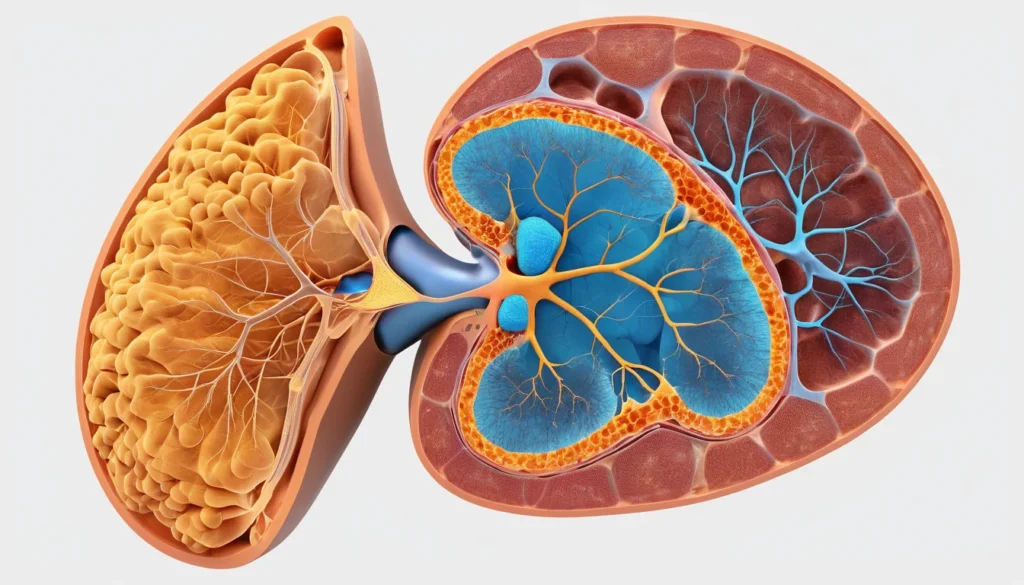
Drug-induced liver damage, known medically as hepatotoxicity, happens when chemicals or medications harm your liver. Your liver is one of your hardest-working organs. It filters toxins from your blood every single day. When certain substances overwhelm it, the liver can become inflamed or even permanently scarred. This article explains what causes drug-induced liver damage, what symptoms to watch for, and when to seek help from your family doctor or a walk-in clinic.
What Is Drug-Induced Liver Damage?
Your liver acts like a powerful filter. It breaks down nearly everything you eat, drink, or absorb — including medications, alcohol, and environmental chemicals. However, some substances are toxic to liver cells, even at normal doses.
Doctors use the term hepatotoxicity to describe any liver injury caused by a chemical agent. The substances responsible are called hepatotoxins. These can include prescription drugs, over-the-counter medications, herbal supplements, and certain industrial chemicals.
According to Health Canada, liver injury from medications is one of the most serious drug safety concerns in the country. It is also one of the leading reasons why medications get withdrawn from the market.
What Causes Drug-Induced Liver Damage?
The most common cause of drug-induced liver damage is the improper or excessive use of medications. Researchers have identified over 900 different drugs that can harm the liver. This includes both prescription and over-the-counter products.
Some people are more sensitive to certain medications than others. Factors like age, genetics, existing liver conditions, and alcohol use can all raise your risk. Therefore, a dose that is safe for one person may be harmful to another.
Medications Most Commonly Linked to Liver Damage
Many common drugs carry a risk of liver injury when misused or taken in high doses. The following medications are most frequently linked to hepatotoxicity:
Acetaminophen (Tylenol): The leading cause of acute liver failure in Canada when taken in excessive amounts
Non-steroidal anti-inflammatory drugs (NSAIDs): Such as ibuprofen and naproxen
Antibiotics: Including amoxicillin-clavulanate and isoniazid
Cholesterol-lowering drugs (statins): Such as atorvastatin and simvastatin
Antifungal medications: Such as ketoconazole and fluconazole
Certain antidepressants and antipsychotics
Chemotherapy agents used to treat cancer
It is important to always follow the dosage instructions on your medication label. Furthermore, never take more than the recommended amount, even if you feel your symptoms are severe.
Herbal Supplements and Natural Remedies
Many Canadians assume that “natural” means safe. However, this is not always true when it comes to your liver. Several herbal remedies and natural health products can cause serious liver damage.
Common herbal culprits include kava, comfrey, green tea extract in high doses, and certain traditional medicines. In addition, mixing herbal supplements with prescription medications can make liver injury more likely. Always tell your doctor or pharmacist about every supplement you take.
Environmental and Industrial Chemicals
Some chemicals found in workplaces or the environment can also damage the liver. For example, microcystins are natural toxins produced by blue-green algae found in some Canadian lakes and rivers. Exposure can happen through drinking contaminated water or recreational swimming.
Industrial chemicals used in laboratories and manufacturing — such as carbon tetrachloride and vinyl chloride — are also known hepatotoxins. Workers in certain industries should be aware of their chemical exposure and use proper protective equipment.
Recognising the Symptoms of Drug-Induced Liver Damage
Drug-induced liver damage does not always cause obvious symptoms right away. In mild cases, people may feel only slightly unwell. However, in more serious cases, the signs can be hard to ignore.
The Mayo Clinic outlines the key symptoms of drug-induced liver disease, which include:
Yellowing of the skin or eyes (jaundice)
Dark-coloured urine (tea or cola colour)
Pale or clay-coloured stools
Unusual fatigue or weakness
Nausea, vomiting, or loss of appetite
Pain or tenderness in the upper right abdomen
Itchy skin
Swelling in the legs or abdomen
Jaundice is one of the most recognisable warning signs. If you notice your skin or the whites of your eyes turning yellow, seek medical attention promptly. This symptom should never be ignored.
How Quickly Do Symptoms Appear?
The timing of symptoms varies widely. Some people develop liver damage within days of starting a new medication. Others may take weeks or even months to notice any signs. As a result, it can sometimes be difficult to connect your symptoms to a specific drug or supplement.
This delay is one reason why drug-induced liver damage is sometimes missed or misdiagnosed. Keeping a record of all medications, supplements, and natural health products you take can help your doctor identify the cause more quickly.
How Is Drug-Induced Liver Damage Diagnosed?
Your family doctor will typically start with a thorough medical history and a physical exam. They will ask about all the medications, supplements, and herbal products you currently take or have recently taken. Being honest and complete with this information is essential.
Blood tests are usually the next step. These tests measure liver enzymes, such as ALT and AST, which rise when liver cells are damaged. Elevated enzyme levels alert your doctor that something may be harming your liver.
Further Testing
In some cases, your doctor may order imaging tests such as an ultrasound or CT scan. These help rule out other causes of liver disease, such as gallstones, fatty liver, or tumours. In rarer cases, a liver biopsy may be needed to assess the degree of damage.
Your provincial health plan typically covers blood work and imaging ordered by your doctor. However, wait times can vary depending on where you live in Canada. Ask your doctor which tests are most urgent for your situation.
Treatment and Recovery
The most important first step in treating drug-induced liver damage is removing the cause. This usually means stopping the medication, supplement, or other substance responsible. In most mild to moderate cases, the liver can heal itself once the toxic agent is removed.
Your doctor may recommend rest, a nutritious diet, and avoiding alcohol while your liver recovers. Staying well-hydrated also supports liver function. Furthermore, your doctor may monitor your liver enzyme levels through follow-up blood tests to track your recovery.
Severe Cases and Hospital Treatment
In serious cases — such as acute liver failure from acetaminophen overdose — emergency hospital treatment is needed. Doctors may administer a medication called N-acetylcysteine (NAC), which can help reverse acetaminophen-related liver damage if given quickly. In the most severe situations, a liver transplant may be the only option.
If you or someone you know has taken a large amount of acetaminophen or any other substance, call Poison Control Canada immediately at 1-800-268-9017 (Ontario) or your provincial Poison Control centre. Time is critical in these situations.
Protecting Your Liver Long-Term
After recovering from drug-induced liver damage, your doctor may recommend lifestyle changes to protect your liver going forward. These include limiting alcohol, maintaining a healthy weight, and eating a balanced diet rich in fibre and vegetables. In addition, regular check-ups with your family doctor can help catch any early signs of recurring liver problems.
How to Prevent Drug-Induced Liver Damage
Prevention is always better than treatment. There are several practical steps you can take to protect your liver from chemical and medication-related harm.
Follow dosage instructions carefully. Never take more than the recommended amount of any medication, including over-the-counter drugs like acetaminophen.
Avoid mixing alcohol with medications. Alcohol increases the toxic effects of many drugs on the liver.
Tell your doctor and pharmacist everything. Always disclose all prescriptions, over-the-counter products, vitamins, and herbal supplements you take.
Be cautious with herbal remedies. Natural does not always mean safe. Ask your pharmacist before starting any new supplement.
Get regular blood tests if you take long-term medications. Your doctor can monitor your liver function over time.
Avoid recreational drug use. Many illicit substances are highly toxic to the liver.
Protect yourself at work. If you work with industrial chemicals, use proper protective gear and follow all safety protocols.
According to the World Health Organization’s guidance on liver health, early prevention and awareness are the most effective tools for reducing the global burden of liver disease.
When to See a Doctor
You should contact your family doctor if you notice any unusual symptoms after starting a new medication or supplement. Do not wait to see if symptoms go away on their own. Early action can prevent mild liver irritation from becoming serious damage.
If you do not have a family doctor, a walk-in clinic is a good option. Walk-in clinics are available across most Canadian cities and towns. The doctor there can order blood tests and refer you to a specialist if needed.
Seek emergency care right away if you experience:
Yellowing of the skin or eyes
Severe abdominal pain
Confusion or difficulty staying awake
Vomiting blood
Signs of a medication overdose
As always, speak with a qualified healthcare provider before making any changes to your medications or supplements. Your doctor is your best resource for personalised medical advice.
Frequently Asked Questions About Drug-Induced Liver Damage
What is drug-induced liver damage?
Drug-induced liver damage, also called hepatotoxicity, is liver injury caused by medications, supplements, or other chemical substances. The liver filters these substances from your blood, but some compounds can overwhelm or directly harm liver cells. Over 900 medications have been linked to this type of liver injury.
Which medications most commonly cause liver damage?
Acetaminophen (Tylenol) is the most common cause of drug-induced liver damage in Canada, especially when taken in excess. Antibiotics, statins, antifungal drugs, and some antidepressants are also frequent culprits. Always follow your prescribed dose and ask your pharmacist if you are unsure about safe limits.
Can herbal supplements cause liver damage?
Yes, several herbal supplements are known to cause drug-induced liver damage, including kava, comfrey, and high-dose green tea extract. Just because a product is labelled “natural” does not mean it is safe for your liver. Always tell your doctor or pharmacist about any supplements you take.
What are the early warning signs of liver damage from medication?
Early signs of drug-induced liver damage include fatigue, nausea, loss of appetite, and mild discomfort in the upper right abdomen. As the condition progresses, you may notice yellowing of the skin or eyes, dark urine, and pale stools. If you experience any of these symptoms after starting a new medication, contact your doctor promptly.
Is drug-induced liver damage reversible?
In many cases, drug-induced liver damage is reversible once the harmful substance is removed. The liver has a remarkable ability to heal itself when the toxic agent is stopped early. However, severe or prolonged damage can lead to permanent scarring (cirrhosis), so early detection and treatment are very important.
Should I stop taking my medication if I think it is hurting my liver?
Do not stop any prescribed medication without first speaking to your doctor or pharmacist. Stopping certain medications abruptly can cause other serious health problems. Contact your family doctor or visit a walk-in clinic as soon as possible if you suspect drug-induced liver damage — they can guide you safely.
Key Takeaways
Drug-induced liver damage (hepatotoxicity) occurs when medications, supplements, or chemicals harm the liver.
Over 900 medications have been identified as potential causes of liver injury.
Acetaminophen overdose is the leading cause of acute liver failure in Canada.
Herbal supplements and natural remedies can also cause serious liver damage — “natural” does not always mean safe.
Key symptoms include jaundice, dark urine, fatigue, nausea, and abdominal pain.
Treatment usually involves stopping the harmful substance and supporting liver recovery.
Prevention includes following dosage instructions, avoiding alcohol with medications, and telling your doctor about all supplements.
See your family doctor or a walk-in clinic promptly if you suspect liver damage from a medication or supplement.