Down syndrome is a lifelong genetic condition where a person is born with an extra chromosome. It causes certain physical features and some degree of intellectual disability. However, with the right support and care, children with Down syndrome can grow, thrive, and lead full, happy lives. This article explains what Down syndrome is, what causes it, and how Canadian families can find the help they need.
What Is Down Syndrome?
Down syndrome is one of the most common genetic conditions in Canada. It occurs when a child is born with an extra copy of chromosome 21. This extra genetic material changes how the brain and body develop.
The condition is permanent. However, it does not define a person’s potential. Many adults with Down syndrome live independently, hold jobs, and build meaningful relationships. Early support makes a tremendous difference.
You may also hear the older term “mongolism.” This term is now considered offensive and outdated. The correct and respectful term is Down syndrome, named after British doctor John Langdon Down, who first described it in 1866.
What Causes Down Syndrome?
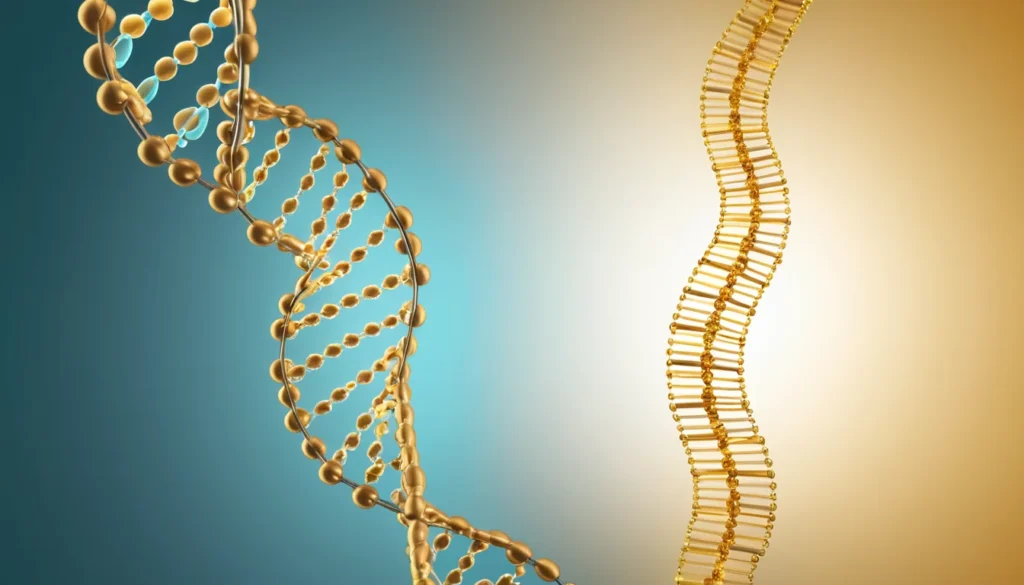
Down syndrome is caused by abnormal cell division. In most cases, this happens in the egg cell before or at the moment of conception. Less often, it happens in the sperm cell. Scientists do not fully understand why this abnormal division occurs.
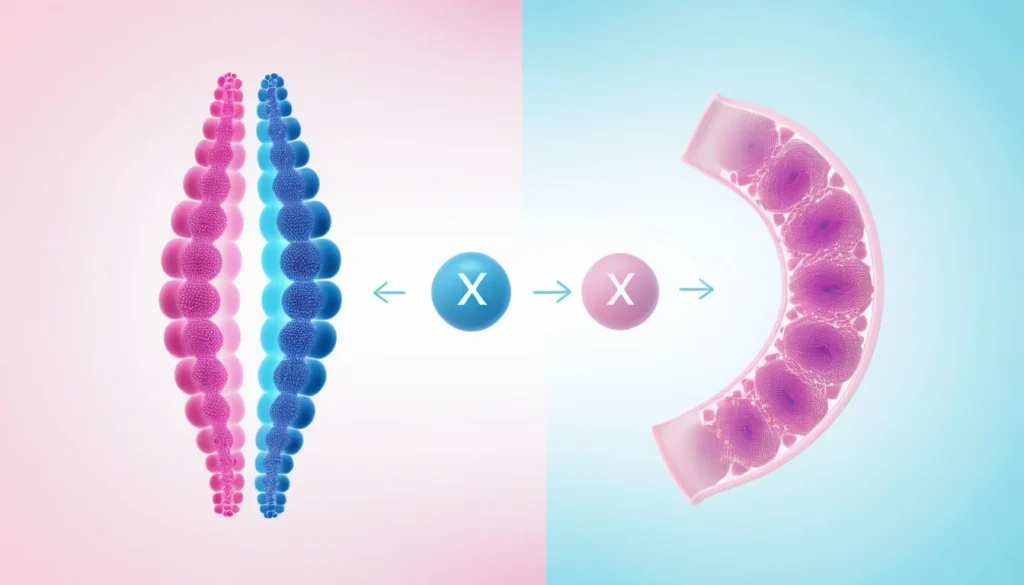
Normally, a child inherits 46 chromosomes — 23 from each parent. In Down syndrome, something goes wrong during cell division. As a result, the child ends up with extra genetic material, usually an extra chromosome 21.
There are three main types of Down syndrome:
Trisomy 21: The most common type. Every cell in the body has three copies of chromosome 21 instead of two. This accounts for about 95% of all cases.
Translocation Down syndrome: Part of chromosome 21 attaches to another chromosome. This type makes up about 3% to 4% of cases. It is the only form that can sometimes be inherited directly from a parent.
Mosaic Down syndrome: Only some cells carry the extra chromosome. This type affects about 1% to 2% of people with Down syndrome. Symptoms are often milder.
For more information on the genetics behind this condition, visit the World Health Organization’s overview of congenital disorders.
Is Down Syndrome Hereditary?
Most cases of Down syndrome are not inherited. They result from a random error during cell division. However, translocation Down syndrome can sometimes run in families. If you have a family history of Down syndrome, your family doctor can refer you to a genetic counsellor.
Common Symptoms of Down Syndrome
There are more than 50 known features associated with Down syndrome. No two children look or develop exactly the same way. Some children have many of these features, while others have only a few.
It is also important to note that some of these features appear in children who do not have Down syndrome. A diagnosis requires medical testing, not just physical observation.
Physical Features
Common physical features of Down syndrome include:
A flattened face, especially the bridge of the nose
Almond-shaped eyes that slant upward
A short neck
Small ears, often set lower on the head
A tongue that tends to stick out of the mouth
Small white spots on the coloured part of the eye (called Brushfield spots)
Small hands and feet
A single crease across the palm of the hand
Short, stocky arms and legs
Low muscle tone (called hypotonia)
Low muscle tone is very common in babies with Down syndrome. It can make feeding, movement, and reaching milestones more challenging at first. However, muscle tone often improves gradually, usually by around age two.
Intellectual and Developmental Features
Most children with Down syndrome have mild to moderate intellectual disability. Severe intellectual disability is rare. With early intervention programmes, many children make remarkable progress.
Children with Down syndrome typically develop more slowly than their peers. They usually reach the same milestones — sitting, walking, talking — but on their own timeline. Behaviour, social skills, and communication are areas where therapy can help greatly.
Health Conditions Associated With Down Syndrome
Children with Down syndrome are more likely to have certain health conditions. Knowing about these ahead of time helps families and healthcare providers plan the best possible care.
Heart Conditions
About 50% of children with Down syndrome are born with a heart defect. Most of these are diagnosed at birth or shortly after. Many heart defects can be treated with surgery or medication. Your child’s doctor will arrange appropriate cardiac screening early on.
Thyroid and Digestive Health
Hypothyroidism (an underactive thyroid) is more common in children with Down syndrome. Regular thyroid testing is an important part of routine care. In addition, celiac disease — a sensitivity to gluten — occurs more frequently in this group.
Hearing and Vision
Hearing loss affects many children with Down syndrome. Regular hearing tests are recommended starting in infancy. Eye problems, such as crossed eyes or nearsightedness, are also common and should be checked by an eye specialist.
Respiratory and Other Infections
Children with Down syndrome have a higher chance of developing respiratory infections, such as colds, ear infections, and pneumonia. Staying up to date on vaccinations is especially important. Talk to your family doctor about the recommended immunisation schedule under your provincial health plan.
For a detailed overview of associated health conditions, the Mayo Clinic’s guide to Down syndrome is an excellent resource.
Supporting Your Child at Every Stage
Raising a child with Down syndrome comes with unique joys and challenges at every age. The good news is that you do not have to figure it out alone. Canada has a range of support programmes available through provincial health plans and community organisations.
Newborns and Infants
In the early weeks, many parents focus on getting emotional support and learning as much as they can about Down syndrome. Your family doctor or paediatrician can connect you with early intervention services. These programmes are often covered under provincial health plans.
Feeding can sometimes be a challenge due to low muscle tone. A speech-language pathologist or lactation consultant can help. Protecting your baby from colds and infections is also a priority during this stage.
Toddlers and Young Children
During the toddler years, the focus shifts to development. Speech therapy, occupational therapy, and physiotherapy can all support your child’s growth. Development may be slower than average, but steady progress is absolutely possible.
Diet, physical activity, and healthy behaviour habits are all important to establish early. Your child’s healthcare team can guide you on nutrition and age-appropriate activities.
School-Age Children
School-age children with Down syndrome benefit from inclusive education settings wherever possible. Social skills, independence, and learning are the main focus during these years. Working closely with teachers and school support staff makes a real difference.
Teenagers and Young Adults
As teenagers, young people with Down syndrome think about the future — housing, relationships, and employment. Sexuality and relationships are also topics that matter and deserve open, honest conversations. Many adults with Down syndrome live semi-independently or fully independently with the right supports in place.
When to See a Doctor
Down syndrome is usually diagnosed before or shortly after birth. Prenatal screening tests, such as blood tests and ultrasounds, can indicate a higher risk. Diagnostic tests like amniocentesis can confirm a diagnosis during pregnancy.
If your child has already been diagnosed, regular check-ups with a family doctor or paediatrician are essential. These visits help monitor growth, development, and any associated health conditions.
If you notice any of the following, contact your family doctor or visit a walk-in clinic:
Feeding difficulties or poor weight gain in a newborn
Concerns about your child’s hearing or vision
Frequent respiratory infections
Signs of thyroid problems, such as fatigue, weight changes, or slow growth
Behavioural changes or developmental regression
Your family doctor can coordinate referrals to specialists and connect you with support services covered under your provincial health plan. If you do not have a family doctor, a walk-in clinic can help with immediate concerns and provide referrals.
You can also find trusted resources and support through Health Canada, including information on genetic services and child development programmes across the country.
Always speak with a qualified healthcare provider before making decisions about your child’s health or treatment plan. This article is for informational purposes only.
Frequently Asked Questions About Down Syndrome
What is the life expectancy of a person with Down syndrome?
Thanks to advances in medical care, people with Down syndrome are living longer than ever before. Today, the average life expectancy is around 60 years, and many individuals live into their 60s and beyond. Regular medical care and a healthy lifestyle play a big role in long-term health outcomes.
Can Down syndrome be detected during pregnancy?
Yes, Down syndrome can be screened for during pregnancy using blood tests and ultrasound, often in the first trimester. If screening results suggest a higher risk, diagnostic tests like amniocentesis or chorionic villus sampling (CVS) can confirm whether a baby has Down syndrome. Talk to your family doctor or obstetrician about which tests are right for you.
What increases the risk of having a child with Down syndrome?
The most well-known risk factor for Down syndrome is maternal age. The chance of having a baby with Down syndrome increases as a mother gets older, particularly after age 35. However, because younger women have more pregnancies overall, the majority of babies with Down syndrome are actually born to mothers under 35.
Is Down syndrome the same as an intellectual disability?
Down syndrome causes some degree of intellectual disability in most cases, but the two are not the same thing. Down syndrome is a specific genetic condition caused by an extra chromosome, while intellectual disability refers to limitations in learning and adaptive behaviour. Most people with Down syndrome have mild to moderate intellectual disability, and many lead very fulfilling, independent lives.
What therapies help children with Down syndrome?
Several therapies can support children with Down syndrome, including speech-language therapy, occupational therapy, and physiotherapy. These services help with communication, daily skills, and physical development. In Canada, many of these therapies are available through early intervention programmes covered under provincial health plans — ask your family doctor for a referral.
Can a person with Down syndrome have children?
Some people with Down syndrome are able to have children, though fertility is often reduced, particularly in males. Women with Down syndrome have a 35% to 50% chance of passing the condition to their children. If this is a concern, speaking with a genetic counsellor through your provincial health system is a helpful first step.
Key Takeaways
Down syndrome is a genetic condition caused by an extra copy of chromosome 21.
It affects physical development, muscle tone, and intellectual ability, but symptoms vary widely from person to person.
There are three types: trisomy 21, translocation, and mosaic Down syndrome.
About 50% of children with Down syndrome are born with a heart condition, so early cardiac screening is important.
Early intervention — including speech, occupational, and physiotherapy — leads to the best outcomes.
Canadian families can access support through provincial health plans, family doctors, and community programmes.
People with Down syndrome can and do live full, meaningful lives with the right care and support in place.