Dopamine is one of the most important chemical messengers in your body. It plays a key role in how your brain controls movement, mood, and motivation. However, dopamine is also used as a powerful emergency medication in Canadian hospitals — and understanding both roles can help you make sense of your health.
What Is Dopamine?
Dopamine is a neurotransmitter. That means it is a chemical your brain uses to send signals between nerve cells. It belongs to a group of chemicals called catecholamines, which also includes adrenaline and noradrenaline.
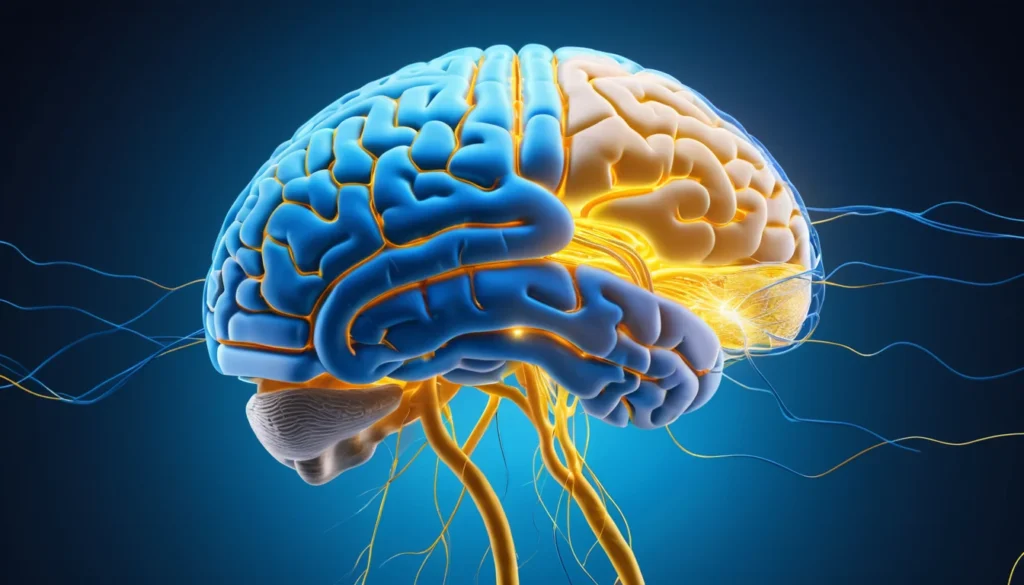
Your body makes dopamine naturally. It is produced in several areas of the brain, including a region called the substantia nigra. From there, dopamine signals travel along pathways that control many of your body’s functions.
Think of dopamine as your brain’s internal messaging service. When it is working well, your body moves smoothly, your mood feels balanced, and you feel motivated to take action. When dopamine levels are off, things can go wrong — sometimes seriously.
How Dopamine Works in the Brain
Dopamine does not do just one thing. In fact, it plays several different roles depending on which part of the brain it is acting in. Therefore, it is helpful to look at each role separately.
Movement and Motor Control
One of dopamine’s most well-known jobs is controlling movement. The brain uses dopamine signals to coordinate smooth, controlled muscle activity. When dopamine-producing cells are damaged or lost, movement becomes difficult.
This is exactly what happens in Parkinson’s disease. People with Parkinson’s lose dopamine-producing cells over time. As a result, they may experience tremors, stiffness, and difficulty walking. Many Parkinson’s treatments work by boosting dopamine activity in the brain. You can learn more about this from the Mayo Clinic’s overview of Parkinson’s disease.
Mood and Motivation
Dopamine is also closely linked to how you feel and what drives you. When you accomplish something, your brain releases dopamine. This creates a feeling of reward and satisfaction. In addition, it encourages you to repeat helpful behaviours.
This reward system is powerful. However, it can also be hijacked. Many addictive substances — including alcohol, nicotine, and certain drugs — trigger large releases of dopamine. Over time, this can alter your brain’s natural dopamine balance, making it harder to feel pleasure from everyday activities.
Other Brain Functions
Beyond movement and mood, dopamine helps regulate attention, memory, and sleep. It also plays a role in how your body responds to pain. Furthermore, dopamine is involved in hormone regulation, particularly the control of prolactin, a hormone released by the pituitary gland.
Dopamine as an Emergency Medication
Here is where many people are surprised. Dopamine is not only a natural brain chemical — it is also a medication used in hospital emergency settings across Canada.
When dopamine is given as a drug through an intravenous (IV) line, it travels throughout the entire body, not just the nervous system. This is very different from the dopamine your brain produces naturally. As a medication, it has powerful effects on the heart and blood vessels.
What Does Dopamine Do to the Heart?
Doctors call dopamine’s heart effect “positive inotropic action.” In plain language, this means dopamine increases the strength of the heart’s contractions. A stronger heartbeat pumps more blood to the body’s vital organs.
This is critically important in emergency situations. For example, when a patient is in shock, the heart may not be pumping hard enough to keep the body alive. Dopamine medication can help restore blood pressure and blood flow quickly.
When Is Dopamine Medication Used?
Canadian emergency and critical care physicians use dopamine in several serious situations, including:
Cardiogenic shock — when the heart suddenly cannot pump enough blood, often after a heart attack
Septic shock — a life-threatening response to a severe infection
Hypovolaemic shock — when the body loses a large amount of blood or fluids
Traumatic shock — following a serious injury or accident
In all of these cases, dopamine is given only in a hospital intensive care unit (ICU) or emergency department. It is never a medication you would take at home. Administration is always managed by specialist physicians, including cardiologists and critical care doctors. You can find additional information about shock treatment on the Healthline guide to shock and emergency treatment.
Side Effects of Dopamine Medication
Like all medications, dopamine used as a drug can cause side effects. Because it is given in a hospital under close monitoring, these effects are managed by medical staff. However, it is still useful to understand what can happen.
Common Side Effects
Some patients receiving dopamine through an IV may experience:
Nausea and vomiting — stomach upset is one of the most frequently reported reactions
Irregular heartbeat — dopamine can sometimes disrupt the heart’s normal rhythm
Angina episodes — chest pain caused by reduced blood flow through the coronary arteries
Changes in blood pressure — both high and low blood pressure can occur depending on the dose
Headache — some patients report head pain during treatment
Because these side effects can be serious, dopamine medication is never used outside of a closely supervised medical environment. Your care team monitors your heart rate, blood pressure, and oxygen levels continuously during treatment.
Risks at Higher Doses
At higher doses, dopamine causes blood vessels to narrow. This can reduce blood flow to the hands, feet, and other extremities. In rare cases, this can cause tissue damage. Therefore, doctors carefully adjust the dose to balance benefit and risk for each patient.
Dopamine, Mental Health, and Everyday Life
You do not need a medical emergency to think about dopamine. In fact, your dopamine levels are influenced by many everyday choices. Understanding this can help you support better mental and physical health.
Lifestyle Factors That Affect Dopamine
Research suggests that certain habits can support healthy dopamine activity in the brain. These include:
Regular physical activity — exercise has been shown to boost dopamine release and improve mood
Adequate sleep — poor sleep can reduce dopamine receptor sensitivity over time
A balanced diet — foods rich in protein contain tyrosine, an amino acid your body uses to make dopamine
Reducing stress — chronic stress can deplete dopamine over time
Setting and reaching small goals — accomplishment triggers dopamine, which reinforces positive behaviour
In addition, limiting alcohol and avoiding recreational drugs helps protect your brain’s natural dopamine balance. For a broader look at brain health and neurotransmitters, the World Health Organization’s mental health resource page offers reliable guidance.
Dopamine and Mental Health Conditions
Imbalances in dopamine activity are linked to several mental health and neurological conditions. These include depression, schizophrenia, attention deficit hyperactivity disorder (ADHD), and addiction. However, these are complex conditions with many contributing factors — dopamine is just one piece of the puzzle.
If you are concerned about your mood, motivation, or mental health, speaking with a healthcare provider is always the right first step. In Canada, your family doctor is a great starting point for assessing mental health concerns.
When to See a Doctor
Most people will never need dopamine as a medication. However, there are signs related to dopamine imbalances in the brain that are worth discussing with a healthcare provider.
Consider visiting your family doctor or a walk-in clinic if you notice:
Persistent low mood, lack of motivation, or inability to feel pleasure
Tremors, muscle stiffness, or unexplained changes in movement
Difficulty concentrating or significant memory changes
Signs of addiction or dependency on substances
Sleep disturbances that are ongoing and affecting your daily life
In Canada, your provincial health plan covers visits to your family doctor. If you do not have a family doctor, walk-in clinics are available in most communities and can help assess your symptoms. Early conversations with a healthcare provider can make a real difference in outcomes.
If you or someone you know is experiencing a medical emergency such as chest pain, difficulty breathing, or signs of shock, call 911 immediately. Do not wait.
Always speak with a qualified healthcare professional before making changes to your health routine or if you have concerns about your symptoms. This article is for general information only and does not replace medical advice.
Frequently Asked Questions About Dopamine
What does dopamine actually do in the body?
Dopamine is a neurotransmitter that sends signals between nerve cells in the brain. It plays a key role in controlling movement, regulating mood, supporting motivation, and influencing sleep and attention. When dopamine levels are well-balanced, your body and mind tend to function more smoothly.
How can I increase dopamine levels naturally?
You can support healthy dopamine levels through regular exercise, good sleep habits, a protein-rich diet, and stress management. Setting and achieving small daily goals also triggers dopamine release in the brain. Limiting alcohol and avoiding recreational drugs helps protect your brain’s natural dopamine balance over the long term.
What happens when dopamine levels are too low?
Low dopamine activity in the brain is associated with conditions such as Parkinson’s disease, depression, and ADHD. Symptoms can include low mood, difficulty with movement, poor concentration, and reduced motivation. If you notice these signs, speaking with your family doctor or visiting a walk-in clinic is a good first step.
Is dopamine used as a medication in Canada?
Yes, dopamine is used as an intravenous medication in Canadian hospital emergency departments and intensive care units. It is given to patients in shock to strengthen the heart’s contractions and restore blood pressure. This use of dopamine is strictly managed by specialist physicians and is not available as a home medication.
Can too much dopamine be harmful?
Yes, excessively high dopamine activity is linked to conditions such as schizophrenia and mania. As a medication, too much dopamine can cause irregular heartbeat, chest pain, and reduced blood flow to the extremities. This is why dopamine medication is only administered under close medical supervision in a hospital setting.
Does dopamine affect mental health?
Dopamine plays a significant role in mental health by influencing mood, motivation, and the brain’s reward system. Imbalances in dopamine are connected to depression, addiction, ADHD, and other mental health conditions. However, these conditions are complex, and a healthcare provider can help determine the best approach for your specific situation.
Key Takeaways
Dopamine is a neurotransmitter produced naturally in the brain that controls movement, mood, motivation, and more.
It belongs to a group of chemicals called catecholamines and acts as a precursor to noradrenaline.
As an emergency medication, dopamine strengthens the heart’s contractions and is used to treat various forms of shock in Canadian hospitals.
Dopamine medication is given intravenously and is only administered by specialist physicians in critical care settings.
Side effects of dopamine medication can include nausea, irregular heartbeat, chest pain, and changes in blood pressure.
Everyday habits like exercise, sleep, and a balanced diet can help support healthy dopamine levels in the brain.
Imbalances in dopamine are linked to conditions like Parkinson’s disease, depression, ADHD, and addiction.
If you have concerns about your mood, movement, or mental health, speak with your family doctor or visit a walk-in clinic covered under your provincial health plan.