DNA, short for deoxyribonucleic acid, is the molecule inside every cell of your body that carries your genetic blueprint. It controls how your cells work, how your body grows, and what traits you inherit from your parents. Understanding DNA can help you make sense of genetic testing, hereditary conditions, and many health conversations you might have with your family doctor. This article breaks it all down in plain language.
What Is DNA?
DNA is a long, thread-like molecule found inside the nucleus of almost every cell in your body. It stores the instructions that tell your body how to build and run itself. Think of it as a detailed operating manual written in a chemical language.
The full name, deoxyribonucleic acid, sounds complicated. However, the basic idea is simple. DNA is a chemical that carries information. That information is passed down from parent to child, generation after generation.
According to Health Canada, advances in our understanding of DNA have transformed modern medicine, from diagnosing inherited diseases to developing new treatments.
The Double Helix: DNA’s Unique Shape
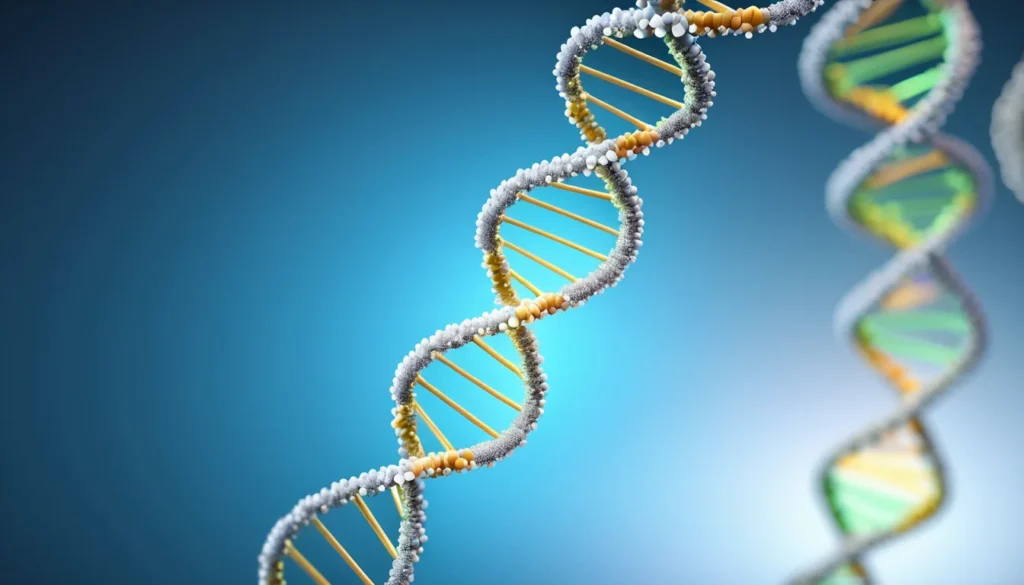
One of the most remarkable things about DNA is its shape. It looks like a twisted ladder. Scientists call this structure a double helix. Two long strands wrap around each other in a spiral.
Each strand is made up of chemical units called nucleotides. These nucleotides pair up across the two strands like rungs on a ladder. The specific order of these pairs is what creates your unique genetic code.
This shape is not just beautiful. It is also very functional. The double helix allows DNA to be copied accurately and stored safely inside the cell’s nucleus.
The Four Chemical Bases
The rungs of the DNA ladder are made of four chemical bases: adenine, thymine, guanine, and cytosine. These are usually shortened to A, T, G, and C. The order of these bases along the strand spells out genetic instructions.
Adenine always pairs with thymine, and guanine always pairs with cytosine. This pairing rule is what makes accurate DNA copying possible. A small change in this order can sometimes lead to a genetic mutation.
Where Is DNA Found in Your Body?
Almost every cell in your body contains DNA. This includes cells in your skin, blood, muscles, and organs. The only common exceptions are red blood cells, which lose their nucleus as they mature.
Inside each cell, DNA is tightly coiled and packaged into structures called chromosomes. Humans have 46 chromosomes in total, arranged in 23 pairs. You inherit one set of chromosomes from your biological mother and one from your biological father.
In addition to the DNA inside the cell nucleus, a small amount of DNA also exists in the mitochondria. Mitochondria are the energy-producing parts of your cells. This mitochondrial DNA is passed down almost exclusively through the mother.
DNA and Chromosomes
Chromosomes are the organised packages that hold your DNA. Each chromosome contains one long DNA molecule wrapped around proteins. These proteins help keep the DNA compact and protected.
If you uncoiled all the DNA from a single human cell and stretched it out, it would be about two metres long. Yet it fits inside a cell nucleus that is far too small to see without a microscope. This is a remarkable feat of biological packaging.
How DNA Controls Your Body
DNA acts as the master instruction manual for your body. It contains thousands of sections called genes. Each gene carries the code for making a specific protein.
Proteins do most of the work inside your body. They build tissues, carry oxygen, fight infections, and control chemical reactions. Without the correct proteins, your cells cannot function properly.
The process works in two steps. First, a section of DNA is copied into a related molecule called RNA. Then, the RNA carries that message to structures called ribosomes, which build the protein. This process is called gene expression.
Genes and Traits
Genes are specific segments of DNA that carry instructions for particular traits. Some traits, like eye colour, are influenced by just a few genes. Others, like height or heart disease risk, are shaped by hundreds of genes working together.
Furthermore, your environment also plays a role. What you eat, whether you exercise, and what you are exposed to throughout life can all affect how your genes are expressed. This field of study is called epigenetics.
For a deeper look at how genes work, visit this helpful overview from the Mayo Clinic’s guide to genetics and heredity.
DNA Replication: How Your Cells Copy Themselves
Every time one of your cells divides, it must make an exact copy of its DNA. This process is called DNA replication. It ensures that each new cell gets a complete and correct set of genetic instructions.
Replication begins when enzymes — special proteins — unzip the double helix. The two strands separate, like splitting a ladder down the middle. Each strand then acts as a template for building a new matching strand.
As a result, one DNA molecule becomes two identical DNA molecules. Each new cell receives one complete copy. This process happens billions of times throughout your life, and it is remarkably accurate.
When Replication Goes Wrong
Errors during DNA replication can happen. These errors are called mutations. Most mutations are caught and corrected by the cell’s own repair systems. However, some mutations slip through.
A small number of mutations are harmless or even beneficial over generations. Others can interfere with normal cell function. In some cases, accumulated mutations in certain genes can contribute to the development of cancer.
However, not all mutations lead to illness. Many people carry genetic variants that have no noticeable effect on their health at all.
DNA and Hereditary Health Conditions
Many health conditions have a genetic component. This means that changes in DNA — either inherited from a parent or arising on their own — can increase the risk of certain diseases.
Examples of hereditary conditions include cystic fibrosis, sickle cell disease, BRCA-related breast cancer risk, and familial hypercholesterolemia (an inherited form of high cholesterol). Knowing your family history can help your doctor assess your personal risk.
In Canada, provincial health plans may cover genetic testing in certain situations. For example, if you have a strong family history of certain cancers or rare diseases, your family doctor may refer you to a genetics specialist. Coverage varies by province, so it is worth asking your provider directly.
Genetic Testing in Canada
Genetic testing looks at your DNA to identify mutations or variants linked to specific conditions. These tests can be done through a blood sample, saliva, or tissue sample.
Some Canadians choose direct-to-consumer DNA tests available through private companies. These are different from medical genetic tests ordered by a doctor. While they can be interesting, their results should always be discussed with a healthcare provider for proper interpretation.
The World Health Organization’s overview of genetic testing explains the medical, ethical, and social considerations involved in this growing field.
When to See a Doctor About Genetic or DNA Concerns
You do not need to fully understand DNA to take charge of your health. However, there are times when it makes sense to speak with a healthcare provider about genetic concerns.
Consider booking an appointment with your family doctor or visiting a walk-in clinic if you notice any of the following:
A close family member has been diagnosed with a hereditary condition such as breast cancer, colon cancer, or heart disease at a young age.
You are planning a pregnancy and want to understand potential genetic risks for your child.
You have received results from a private DNA test and want to understand what they mean.
You have been told you carry a genetic variant and want guidance on next steps.
You have a child with a developmental condition and want to explore whether genetics may be involved.
Your family doctor is your first point of contact in the Canadian healthcare system. They can refer you to a genetic counsellor or specialist if needed. Many provinces also offer telehealth services, which let you speak with a healthcare provider from home.
Always consult a qualified healthcare provider before making any decisions based on genetic information. A doctor can put results in context and guide you toward the right next steps for your situation.
Frequently Asked Questions About DNA
What does DNA actually do in the body?
DNA carries the genetic instructions that control how every cell in your body grows, functions, and reproduces. It directs the production of proteins, which do most of the work inside your cells. In short, DNA is the chemical blueprint for your entire body.
Can DNA change over a person’s lifetime?
Yes, DNA can change over time through mutations caused by copying errors, environmental exposures, or ageing. Most of these changes are repaired by the body’s own correction systems. However, some mutations accumulate and may increase the risk of diseases like cancer over time.
Is DNA testing covered by provincial health plans in Canada?
Medical DNA testing ordered by a doctor is often covered by provincial health plans when there is a clear clinical reason, such as a strong family history of a hereditary condition. Coverage varies by province and specific test. Ask your family doctor or check with your provincial health authority for details.
What is the difference between DNA and genes?
DNA is the full molecule that stores all your genetic information, while genes are specific sections of that DNA that carry instructions for particular traits or proteins. Think of DNA as an entire library, and genes as individual books within it. Humans have roughly 20,000 to 25,000 genes encoded in their DNA.
How much DNA do humans share with each other?
All humans share about 99.9% of their DNA with one another. The remaining 0.1% accounts for the differences in traits, appearance, and disease risk between individuals. This tiny fraction of variation is what makes each person genetically unique.
Can lifestyle choices affect how DNA works?
Yes, lifestyle factors like diet, exercise, smoking, and stress can influence how your DNA is expressed, even if they do not change the underlying sequence itself. This is studied in a field called epigenetics. Making healthy choices can positively influence gene expression and reduce the risk of certain diseases.
Key Takeaways
DNA (deoxyribonucleic acid) is the chemical molecule that carries your genetic instructions and is found in nearly every cell of your body.
Its double helix shape allows it to store vast amounts of information in a very compact form.
DNA controls the production of proteins, which regulate everything from cell growth to immune function.
DNA replication ensures that every new cell receives an exact copy of your genetic code when cells divide.
Some health conditions are hereditary, meaning they are linked to specific changes or mutations in DNA.
In Canada, genetic testing may be covered by your provincial health plan when medically recommended.
Lifestyle choices can influence how your DNA is expressed, even if they do not change your genetic code itself.
Always speak with your family doctor or a walk-in clinic provider if you have concerns about genetic health conditions or test results.