DNA, short for deoxyribonucleic acid, is the molecule that carries the genetic instructions for how your body grows, works, and repairs itself. Every cell in your body contains DNA. It determines everything from your eye colour to your risk for certain health conditions. Understanding what DNA is and how it works can help you make more informed decisions about your health and your family’s future.
What Is DNA?
DNA is a long, complex molecule found inside almost every cell in the human body. It acts like a set of instructions, telling your cells how to build proteins and carry out their jobs. Without DNA, your body could not function.
The full name, deoxyribonucleic acid, describes its chemical structure. However, most people simply call it DNA. It belongs to a group of molecules called nucleic acids. These molecules are responsible for storing and passing on genetic information.
Scientists first identified the double helix structure of DNA in 1953. This discovery changed medicine and biology forever. Today, DNA testing and research play a major role in diagnosing diseases and developing new treatments. You can learn more from the World Health Organization’s overview of the human genome.
The Structure of DNA: The Double Helix
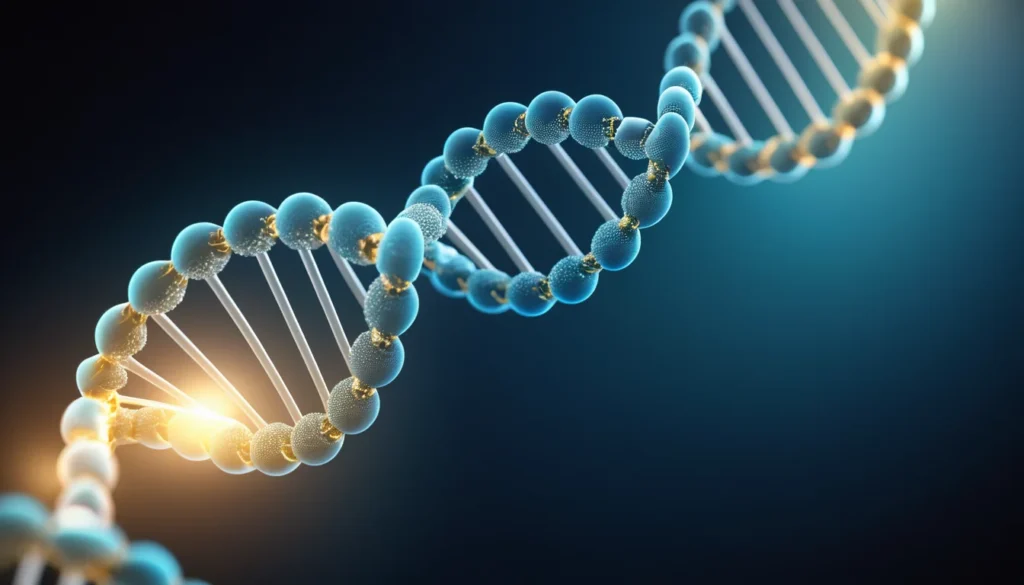
DNA has a unique shape called a double helix. Think of it like a twisted ladder. The two long strands spiral around each other, held together by chemical bonds in the middle.
Each strand is made up of smaller units called nucleotides. There are four types of nucleotides in DNA. Scientists label them with the letters A, T, C, and G. The order of these letters along the strand is called the genetic code.
This code contains all the information your body needs. For example, certain sequences of letters tell your cells to produce specific proteins. These proteins carry out nearly every function in your body, from digesting food to fighting infection.
How the Two Strands Work Together
The two strands of DNA are complementary. This means each letter on one strand pairs with a specific letter on the other. A always pairs with T, and C always pairs with G. This pairing is what makes DNA so reliable and accurate.
One strand holds the instructions. The other strand acts as a backup. This design allows the cell to copy and repair DNA when needed. As a result, your genetic information stays consistent across billions of cells.
Where Is DNA Found in the Body?
DNA is found inside the nucleus of almost every cell in your body. The nucleus is a small, enclosed compartment that acts like the cell’s control centre. It protects the DNA and controls when and how genes are used.
Your body contains about 37 trillion cells. Nearly all of them carry the same DNA. However, each cell only uses the instructions that apply to its specific job. For example, a liver cell uses different genes than a brain cell, even though both carry identical DNA.
In addition to the nucleus, a small amount of DNA is found in the mitochondria. Mitochondria are structures inside the cell that produce energy. Mitochondrial DNA is inherited only from the mother. Researchers use it to trace ancestry and study inherited conditions.
DNA and Chromosomes
DNA does not float freely inside the nucleus. Instead, it is tightly coiled and packaged into structures called chromosomes. Humans have 46 chromosomes in total, arranged in 23 pairs. One chromosome in each pair comes from your biological mother, and one comes from your biological father.
Chromosomes carry your genes. A gene is a specific section of DNA that contains instructions for a particular trait or function. You have approximately 20,000 to 25,000 genes in your entire genome. Your genome is the complete set of all your DNA.
Changes or errors in chromosomes can lead to health conditions. For example, Down syndrome occurs when a person has an extra copy of chromosome 21. Understanding chromosomes helps doctors diagnose and manage many genetic conditions. Healthline offers a detailed explanation of DNA and chromosome structure for those who want to learn more.
How DNA Copies Itself: DNA Replication
One of DNA’s most important abilities is copying itself. This process is called DNA replication. It happens every time a cell divides. Your body produces millions of new cells every day, so replication is constantly occurring.
During replication, special proteins called enzymes separate the two strands of the double helix. Each strand then acts as a template. The enzymes read each strand and build a new matching strand alongside it. The result is two identical DNA molecules where there was once one.
Each new cell receives one complete copy of the DNA. This is how your body ensures that every new cell has the correct genetic instructions. Furthermore, this process is what keeps your genetic identity consistent throughout your life.
What Happens When Replication Goes Wrong?
Sometimes errors occur during DNA replication. These errors are called mutations. Most mutations are harmless and are quickly repaired by the cell. However, some mutations can disrupt normal cell function.
Certain mutations can cause cells to grow and divide uncontrollably. This is one of the ways cancer develops. Other mutations may be inherited, meaning they are passed from parent to child. These inherited mutations can increase the risk of conditions like breast cancer, colon cancer, or heart disease.
It is important to note that having a mutation does not always mean you will develop a disease. Many factors influence your health, including lifestyle, environment, and access to care. Talking to your family doctor about your family health history is a good first step.
DNA and Inherited Health Conditions
Your DNA is passed down from your biological parents. You inherit half your DNA from your mother and half from your father. This is why certain traits and health conditions run in families.
Some conditions are caused by a single gene mutation. For example, cystic fibrosis and sickle cell disease each result from specific changes in a single gene. Other conditions, like type 2 diabetes or heart disease, involve many genes working together along with lifestyle factors.
In Canada, genetic testing is available for many inherited conditions. Your family doctor can refer you to a genetic counsellor if you have concerns about your family health history. Provincial health plans in many provinces cover some genetic tests, particularly when there is a strong medical reason.
Genetic Testing in Canada
Genetic testing looks at your DNA to identify changes or mutations that may affect your health. There are several types of genetic tests. Some look at single genes, while others analyse your entire genome. The right test depends on your situation and what your doctor is looking for.
In Canada, genetic testing through your provincial health plan typically requires a referral. Your family doctor or a specialist, such as an oncologist, can make that referral. Walk-in clinics can also help connect you with the right resources if you do not have a regular family doctor.
Direct-to-consumer DNA tests, such as those sold online, are also available. However, these tests are not regulated in the same way as medical tests. They may not provide clinically accurate information. Always discuss results from any genetic test with a qualified healthcare provider. Health Canada provides guidance on direct-to-consumer genetic testing that is worth reviewing.
Why DNA Matters for Your Everyday Health
You do not need to be a scientist to understand why DNA matters. Your DNA influences your risk for many common health conditions. It also affects how your body responds to medications and lifestyle choices.
For example, some people carry gene variants that affect how they process certain drugs. This field of study is called pharmacogenomics. Understanding your DNA can help your doctor choose the safest and most effective medication for you. This is a growing area of medicine in Canada and around the world.
In addition, knowing your genetic risk factors can motivate healthy behaviour changes. If you know you have a higher risk for heart disease, you may be more likely to eat well, exercise regularly, and avoid smoking. Prevention is always more effective than treatment.
DNA Research and the Future of Medicine
DNA research is advancing rapidly. Scientists are developing new therapies based on our understanding of the genome. Gene therapy, for example, involves changing or correcting faulty genes to treat or prevent disease. Some gene therapies are already approved and in use.
In Canada, researchers at universities and hospitals across the country are working on cutting-edge genetic medicine. These advances hold great promise for conditions that currently have no cure. However, it is important that these technologies are developed and used responsibly and ethically.
When to See a Doctor About DNA and Genetic Health
You should speak with your family doctor if you have concerns about inherited conditions in your family. This is especially important if a close relative has been diagnosed with cancer, heart disease, or another condition that may have a genetic component.
Your doctor can help you understand your personal risk. They may refer you to a genetic counsellor, who is a specialist trained to explain genetic information in plain language. If you do not have a family doctor, a walk-in clinic can be a good starting point.
Early conversations about genetic risk can lead to earlier screening, better prevention, and more peace of mind. Do not wait until symptoms appear. Being proactive about your genetic health is one of the smartest things you can do for your long-term wellbeing.
What does DNA stand for?
DNA stands for deoxyribonucleic acid. It is the molecule found in almost every cell of your body that carries your genetic instructions. DNA determines your biological traits and plays a key role in your overall health.
Where is DNA found in the human body?
DNA is found in the nucleus of nearly every cell in the human body. A small amount of DNA is also found in the mitochondria, which are the energy-producing parts of the cell. Because DNA is present in almost all cells, it can be collected from blood, saliva, or skin samples.
Can DNA testing tell me about my health risks?
Yes, DNA testing can identify gene mutations that may increase your risk for certain health conditions. In Canada, medical genetic tests are available through referral from your family doctor or specialist. It is important to discuss any genetic test results with a qualified healthcare professional for proper interpretation.
Is DNA testing covered by provincial health plans in Canada?
Some DNA and genetic tests are covered by provincial health plans when there is a clear medical reason for the test. Coverage varies by province, so it is best to check with your provincial health authority or your family doctor. Tests ordered through a specialist referral are more likely to be covered than direct-to-consumer tests.
What happens if there is a mistake in your DNA?
Mistakes in DNA are called mutations. Many mutations are harmless and are repaired automatically by the cell. However, some mutations can lead to health conditions, including certain types of cancer or inherited diseases, depending on where in the DNA the change occurs.
How is DNA passed from parents to children?
Each biological parent passes half of their DNA to their child through reproductive cells called sperm and eggs. The child receives 23 chromosomes from each parent, for a total of 46. This is why children share traits with both parents but are not identical to either one.
Key Takeaways
DNA is the molecule that carries your genetic instructions and is found in nearly every cell of your body.
DNA has a double helix structure made up of two complementary strands twisted together.
Your DNA is packaged into 46 chromosomes and contains approximately 20,000 to 25,000 genes.
DNA copies itself through a process called replication every time a cell divides.
Mutations in DNA can be harmless, or they can contribute to conditions like cancer or inherited diseases.
Genetic testing is available in Canada through your family doctor or a specialist referral, and some tests are covered by provincial health plans.
If you have concerns about your family health history, speak with your family doctor or visit a walk-in clinic for guidance.
Always consult a qualified healthcare professional before acting on any genetic test results.