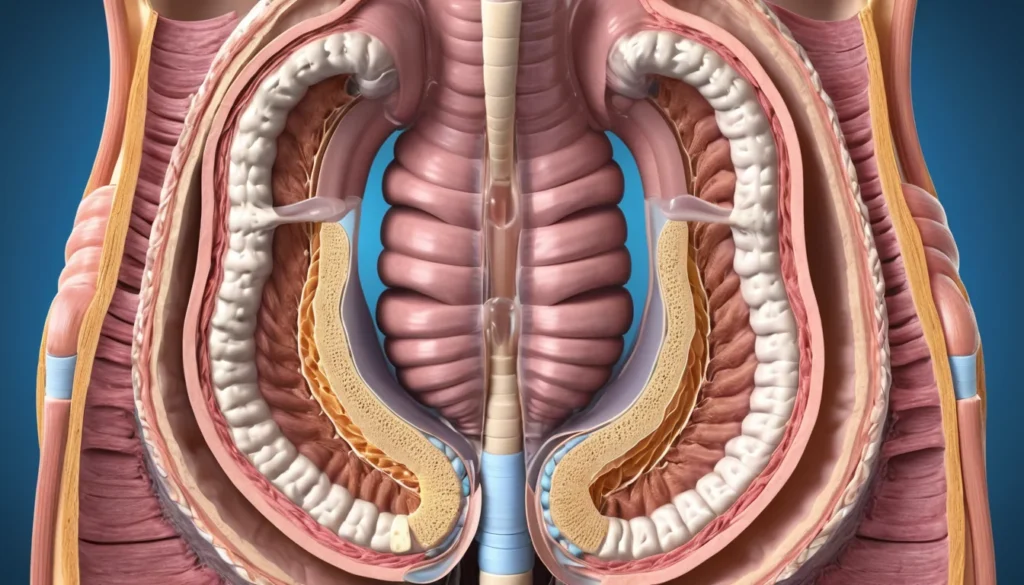
Diverticulosis is a common digestive condition where small pouches form in the wall of the colon. It affects roughly 10% of Canadians over age 40 and more than 50% of those over 70. Most people never know they have it. However, understanding the causes, symptoms, and treatment options can help you protect your colon health for the long term.
What Is Diverticulosis?
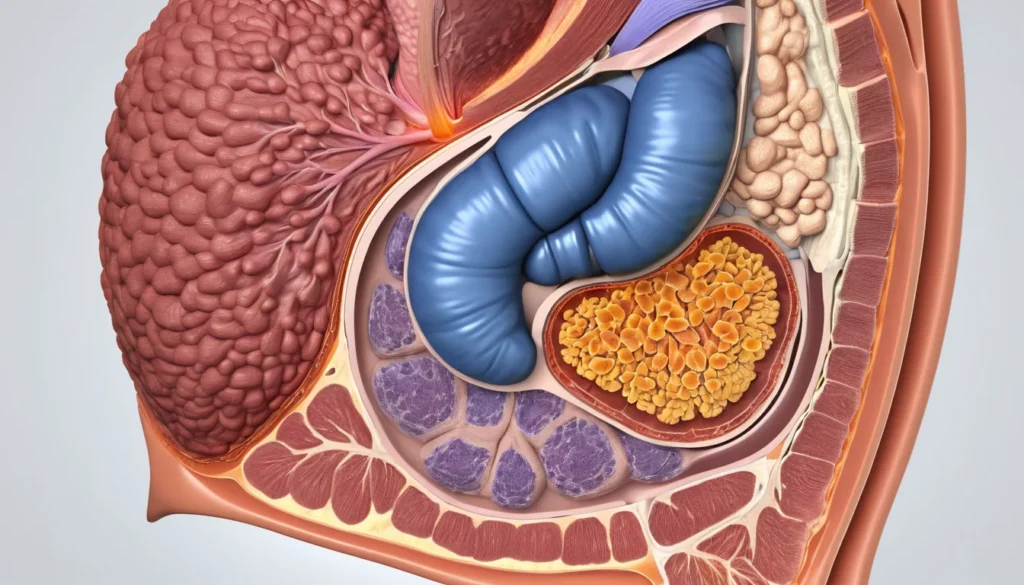
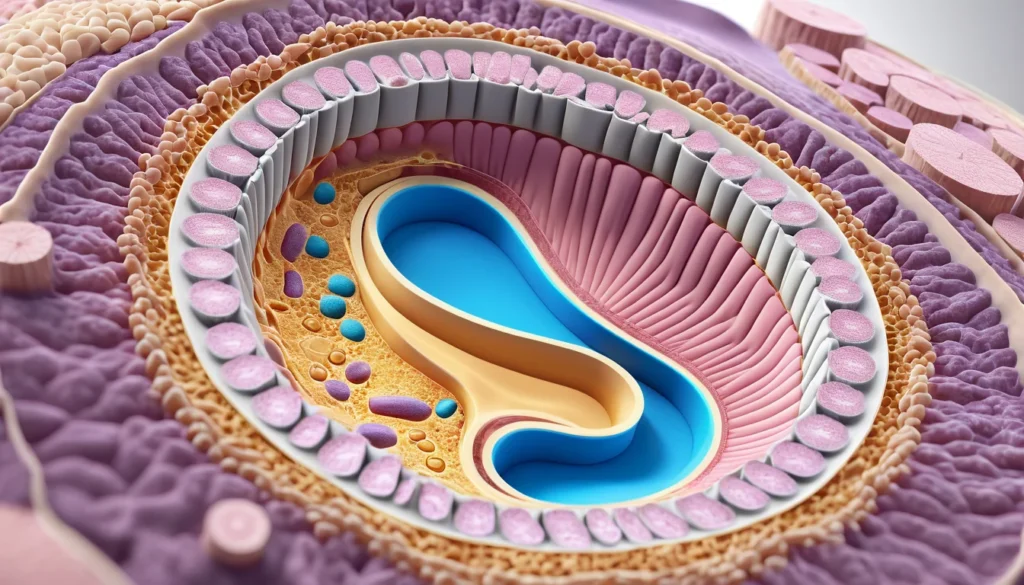
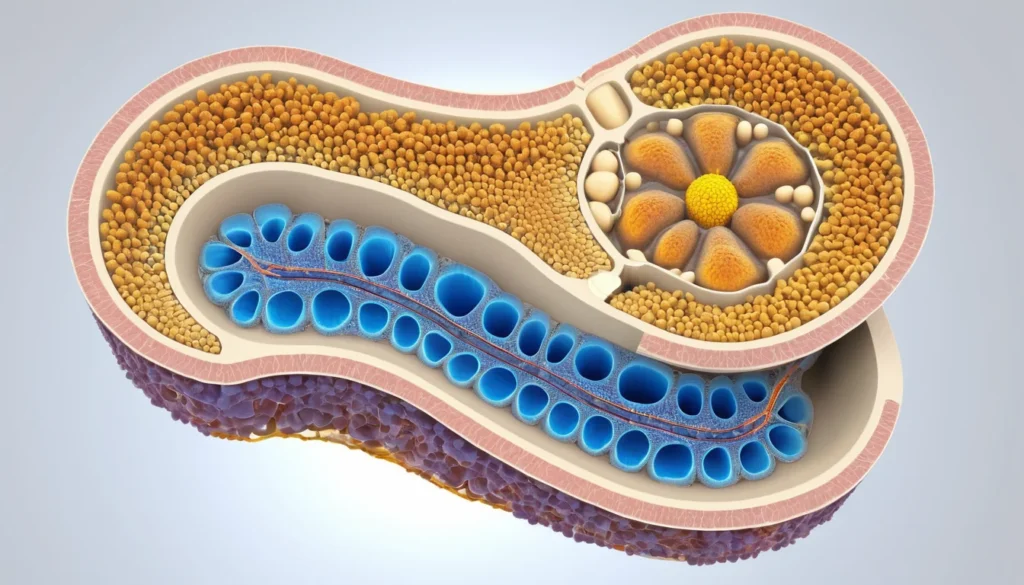
Diverticulosis means you have small bulging pouches — called diverticula — in your large intestine. These pouches form when the inner lining of the colon pushes through weak spots in the outer muscular wall. They can appear anywhere along the colon, but they most often develop in the sigmoid colon. That is the lower-left section that connects to the rectum.
Each pouch is usually about 0.5 centimetres wide, though some grow larger. In most cases, these pouches cause no trouble at all. In fact, more than 80% of people with diverticulosis have zero symptoms. The condition is often found by accident during a colonoscopy or imaging test done for another reason.
When diverticula do cause problems, the condition can progress to diverticulitis — a more serious inflammation or infection of the pouches. This is when symptoms become hard to ignore.
What Causes Diverticulosis?
The exact cause of diverticulosis is not fully understood. However, doctors believe that increased pressure inside the colon plays the biggest role. This pressure pushes the inner lining outward through weak points in the colon wall — often where blood vessels pass through.
The Role of a Low-Fibre Diet
A diet low in fibre is considered a major contributing factor. Without enough fibre, the colon must work harder to move stool along. This creates more pressure on the colon walls over time. In addition, low-fibre diets produce small, hard, dry stools that move slowly and increase that pressure further.
Fibre — both soluble and insoluble — absorbs water and adds bulk to stool. This makes it easier to pass and reduces the strain on your colon. Many Canadians do not get the recommended daily amount of fibre, which partly explains why diverticulosis is so common here.
Other Risk Factors
Several other factors can raise your risk of developing diverticulosis. These include:
Age: Risk increases significantly after age 40.
Chronic constipation: Straining regularly puts ongoing pressure on the colon.
Low-fibre, high-fat diet: Especially diets high in red meat.
Dehydration: Not drinking enough water makes stools harder to pass.
Connective tissue disorders: Conditions like scleroderma can weaken the colon wall.
Genetics: A family history of diverticular disease may increase your risk.
Symptoms of Diverticulosis
Most people with diverticulosis have no symptoms at all. They may live with the condition for years without ever knowing it. However, when symptoms do appear, they are often similar to those of irritable bowel syndrome (IBS). Many specialists believe the two conditions share common features, which can make them difficult to tell apart.
Mild or Occasional Symptoms
When diverticulosis causes mild symptoms, you might notice:
Cramping or pain in the lower left abdomen
Bloating or a feeling of fullness
Diarrhea without signs of infection (no fever or chills)
Abdominal cramps after eating
These symptoms come and go. They do not usually involve fever or a general feeling of being unwell. If you do have those signs, something more serious — like diverticulitis — may be developing.
Symptoms of Complications
Diverticulosis can lead to two main complications: diverticulitis and intestinal bleeding. Diverticulitis happens when one or more pouches become infected or inflamed. Symptoms include severe abdominal pain (usually on the lower left side), fever, nausea, and changes in bowel habits. Intestinal bleeding may cause bright red blood in the stool and requires immediate medical attention.
For more information on digestive conditions and complications, visit the Health Canada official health resources page.
How Is Diverticulosis Diagnosed?
Because diverticulosis rarely causes symptoms, it is most often found during routine screening or while investigating another digestive concern. Your doctor may use one or more of the following tests to confirm a diagnosis.
Common Diagnostic Tests
Colonoscopy: A thin, flexible tube with a camera examines the entire colon. This is also used for colorectal cancer screening, which Health Canada recommends for adults over 50.
CT scan: Provides detailed images of the colon and surrounding tissue. This is especially useful if diverticulitis is suspected.
MRI or contrast X-ray (barium enema): These imaging tools can show the location and size of diverticula. The pouches often appear as small balloon-like bubbles attached to the colon wall.
In Canada, these tests are generally covered under provincial health plans when ordered by your family doctor or a specialist. If you are over 50 and have not yet had a colorectal screening, this is a good time to bring it up at your next appointment.
You can learn more about colorectal screening and colon health from the Mayo Clinic’s guide to diverticular disease.
Treatment and Management of Diverticulosis
The good news is that most cases of diverticulosis do not require medication or surgery. For people without symptoms, treatment focuses entirely on diet and lifestyle changes. The goal is to reduce pressure in the colon and prevent the condition from getting worse.
Increasing Your Fibre Intake
Specialists recommend eating 20 to 35 grams of fibre per day to support colon health. This is the single most important dietary change for managing diverticulosis. A high-fibre diet keeps stools soft and bulky, which means your colon does not have to work as hard.
Good high-fibre food choices include:
Whole grain breads, cereals, and oats
Fresh fruits and vegetables (especially raw)
Legumes like lentils, chickpeas, and black beans
Nuts and seeds, including pumpkin, sunflower, and sesame seeds
Popcorn (a surprisingly good fibre source)
If your diet cannot provide enough fibre naturally, a fibre supplement like Metamucil (psyllium husk) can help. These are available at most Canadian pharmacies without a prescription.
Staying Hydrated
Drinking enough water is just as important as eating enough fibre. Water helps fibre do its job by softening stool and keeping things moving through the colon. Aim for at least 8 glasses of water per day. Furthermore, cutting back on caffeine and alcohol can also reduce dehydration.
Lifestyle Changes That Help
Beyond diet, a few other habits support colon health:
Regular physical activity helps stimulate normal bowel movements.
Reducing red meat consumption lowers the risk of worsening diverticular disease.
Avoiding prolonged straining on the toilet reduces pressure on the colon wall.
For a well-rounded overview of gut health and fibre, Healthline’s article on diverticulosis offers additional evidence-based guidance.
When to See a Doctor
If you have been diagnosed with diverticulosis and your symptoms are mild, your family doctor can guide your care with dietary advice and regular monitoring. However, some symptoms need prompt attention — do not wait for your next scheduled appointment.
Visit a walk-in clinic or emergency room right away if you experience:
Severe or worsening abdominal pain
Fever and chills alongside abdominal pain
Blood in your stool
Nausea or vomiting that does not improve
A sudden change in your bowel habits
These could be signs of diverticulitis or intestinal bleeding — both of which require medical treatment. Walk-in clinics across Canada are a convenient option for non-emergency concerns. For anything that feels urgent, go to your nearest emergency centre. As always, speak with your family doctor before making significant changes to your diet or starting new supplements.
Frequently Asked Questions About Diverticulosis
What is the difference between diverticulosis and diverticulitis?
Diverticulosis simply means you have small pouches in your colon. Diverticulitis happens when those pouches become inflamed or infected. Diverticulitis causes more serious symptoms, including fever and severe pain, and often requires medical treatment.
Can diverticulosis go away on its own?
The pouches formed in diverticulosis do not disappear on their own. However, many people manage the condition successfully through a high-fibre diet and healthy lifestyle habits. With the right approach, you can prevent symptoms and reduce the risk of complications.
What foods should I avoid if I have diverticulosis?
Current evidence does not strongly support avoiding specific foods like seeds or nuts — older guidelines on this have largely been updated. However, a diet high in red meat and low in fibre is associated with a higher risk of worsening diverticulosis. Talk to your family doctor or a registered dietitian for personalised advice.
Is diverticulosis serious?
For most people, diverticulosis is not serious and causes no symptoms at all. It becomes a concern if complications like diverticulitis or intestinal bleeding develop. Catching and managing the condition early with lifestyle changes greatly lowers your risk of serious problems.
How is diverticulosis diagnosed in Canada?
Diverticulosis is most often found during a colonoscopy or CT scan, sometimes during routine colorectal cancer screening. In Canada, these tests are typically covered under provincial health plans when referred by a family doctor. If you are over 50, ask your doctor whether you are due for screening.
How much fibre should I eat if I have diverticulosis?
Specialists recommend 20 to 35 grams of fibre per day for people with diverticulosis. You can reach this through whole grains, fruits, vegetables, legumes, and nuts. If diet alone is not enough, a fibre supplement like psyllium husk (Metamucil) can help bridge the gap.
Key Takeaways
Diverticulosis is very common in Canada, especially among adults over 40.
Most people have no symptoms and are diagnosed by chance during routine testing.
A low-fibre diet is the leading risk factor for developing and worsening the condition.
Eating 20–35 grams of fibre daily and drinking plenty of water are the most effective lifestyle changes.
Complications like diverticulitis or intestinal bleeding need prompt medical attention.
Your family doctor or a walk-in clinic can help you manage this condition and refer you for screening if needed.
Always speak with a healthcare professional before making major changes to your diet or health routine.