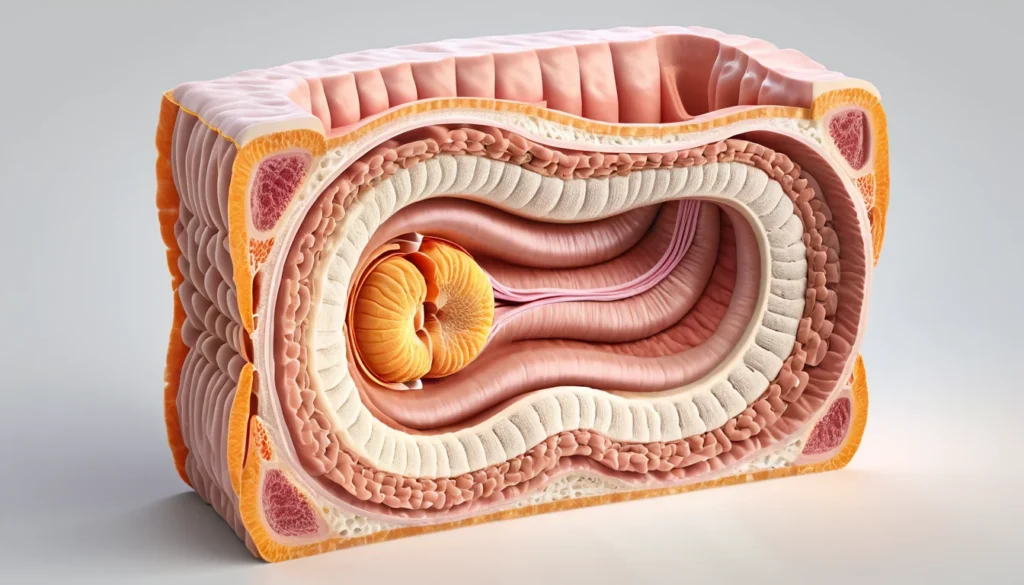
Diverticulitis is a digestive condition that occurs when small pouches in the wall of your large intestine become inflamed or infected. It can cause significant abdominal pain and discomfort, but most cases can be managed with dietary changes and antibiotics. In this article, we explain what causes diverticulitis, what symptoms to watch for, and when to seek medical care in Canada.
What Is Diverticulitis?
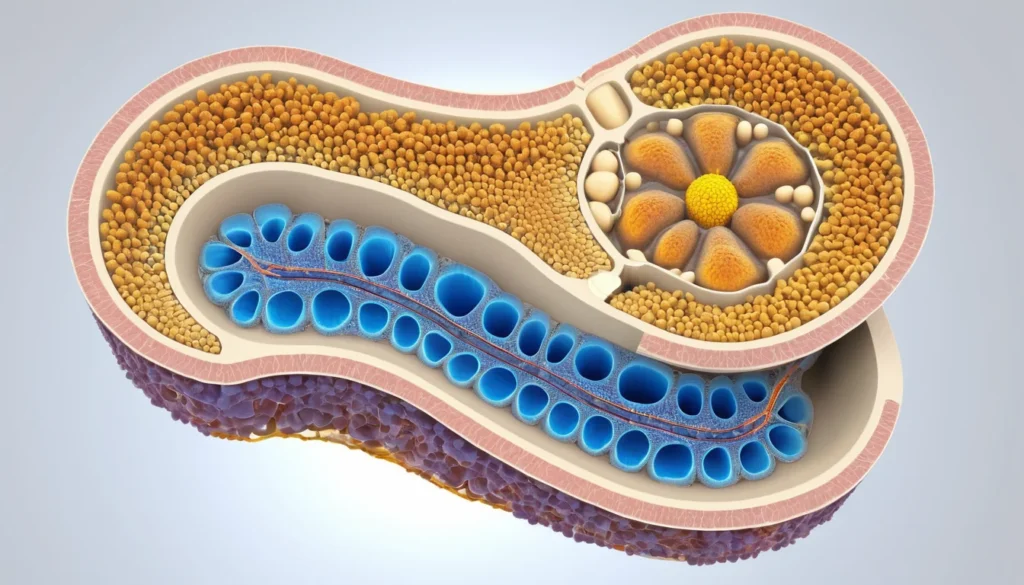
Your large intestine (colon) can develop small, pouch-like bulges in its wall over time. Each individual pouch is called a diverticulum. When multiple pouches are present, the condition is called diverticulosis. Diverticulosis is very common and often causes no problems at all.
However, when one or more of these pouches become inflamed or infected, the condition becomes diverticulitis. This can cause pain, fever, and other uncomfortable symptoms. Most people with diverticulosis will never develop diverticulitis, but about 20% will at some point in their lives.
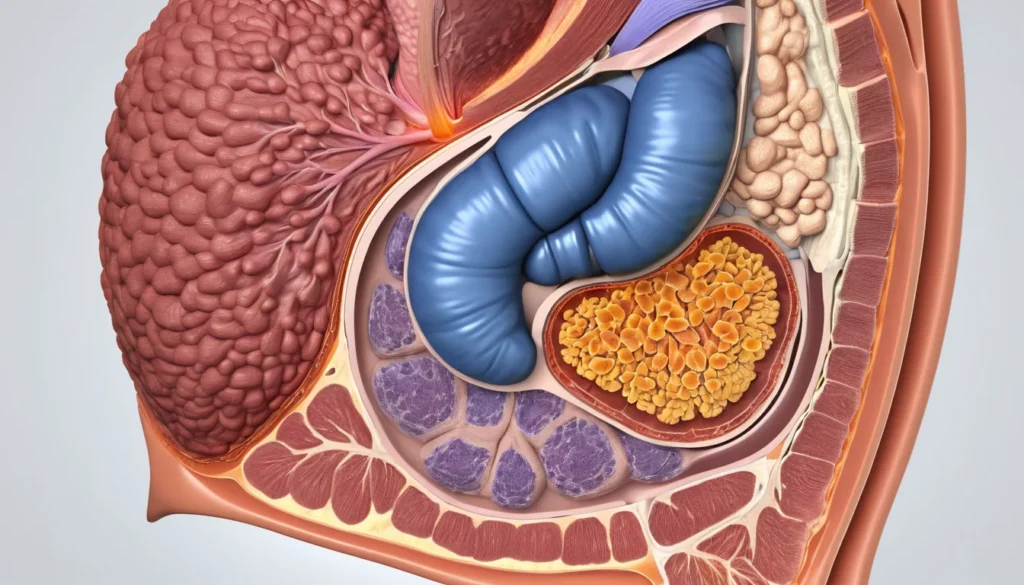
Diverticulitis most often affects the lower left side of the colon, in a section called the sigmoid colon. For most Canadians, a mild case can be treated at home. More severe cases may require a visit to a walk-in clinic, emergency room, or even a short hospital stay.
What Causes Diverticulitis?
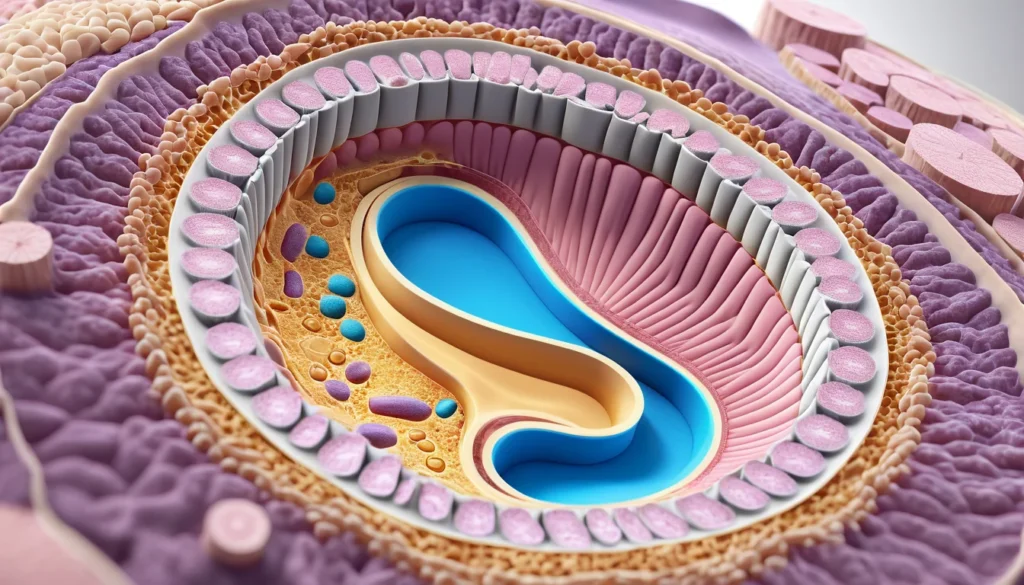
The exact cause of diverticulitis is not fully understood. However, doctors believe the process begins with the formation of diverticula (the small pouches) in the colon wall. These pouches tend to form at weak spots in the colon wall, particularly where blood vessels pass through the muscle layer.
The Role of a Low-Fibre Diet
A low-fibre diet is considered a major contributing factor. Without enough dietary fibre, stools become small and hard. As a result, the colon must work harder and generate more pressure to move waste through. This added pressure pushes against weak spots in the colon wall, forming pouches over time.
A diet rich in fibre, on the other hand, produces bulkier, softer stools. These move through the colon more easily and with less pressure. In addition, a high-fibre diet reduces the time waste spends sitting in the intestines, which further lowers the risk. Health Canada provides helpful guidance on daily fibre intake for Canadians of all ages.
How Infection Develops
Once a diverticulum forms, bacteria can become trapped inside it. These bacteria multiply and cause infection. As infection grows, pressure inside the pouch increases. In some cases, the pouch can develop a small tear or perforation, which allows bacteria to spread further.
If the infection spreads to the lining of the abdominal cavity, a serious complication called peritonitis can develop. This is a medical emergency that requires immediate treatment.
Risk Factors for Diverticulitis
Anyone can develop diverticulitis, but certain factors increase your risk. Understanding these factors can help you make lifestyle choices that protect your colon health.
Age: Risk increases significantly as you get older. Diverticulitis is most common in people over 50.
Low-fibre diet: Not eating enough fruits, vegetables, and whole grains raises your risk considerably.
Smoking: Research shows that smokers are more likely to develop complications from diverticulitis than non-smokers.
Family history: Having a close relative with diverticulitis may increase your own risk.
Physical inactivity: A sedentary lifestyle is also associated with a higher risk of digestive problems, including diverticulitis.
Furthermore, uncoordinated movements in the colon may contribute to diverticula forming in the first place. Doctors continue to study how these factors interact. The Mayo Clinic offers a detailed overview of diverticulitis risk factors if you would like to learn more.
Recognising the Symptoms of Diverticulitis
Symptoms of diverticulitis can last anywhere from a few hours to several days. They can vary in severity from mild discomfort to serious pain. Knowing what to look for helps you seek care at the right time.
Common Symptoms
Abdominal pain or cramping, usually on the lower left side
Pain that worsens with movement
Fever and chills
Nausea, and sometimes vomiting
Diarrhoea or constipation
Bloating, a feeling of fullness, or excess gas
Loss of appetite
Symptoms of Complications
In some cases, diverticulitis leads to more serious complications. For example, an abscess (a pocket of pus) can form near the colon. A fistula — an abnormal connection between the colon and another organ — can also develop. If a fistula forms between the colon and the bladder or vagina, you may notice gas or stool passing through your urethra or vagina. This is not normal and requires prompt medical attention.
It is also important to note that other conditions — such as irritable bowel syndrome (IBS) or urinary tract infections — can cause symptoms similar to diverticulitis. Therefore, a proper medical diagnosis is always essential. Healthline explains how diverticulitis is diagnosed and distinguished from other conditions.
How Is Diverticulitis Treated?
Treatment for diverticulitis depends on how severe your symptoms are. Mild cases can often be managed at home, while more serious cases may require hospital care.
Mild Diverticulitis
For mild cases, your doctor may recommend a temporary liquid diet to give your colon a chance to rest and heal. Antibiotics are often prescribed to clear up any infection. Most people start to feel better within a few days of starting treatment. After symptoms improve, your doctor will likely recommend gradually reintroducing solid foods, starting with low-fibre options and slowly increasing fibre intake.
Severe Diverticulitis and Hospital Care
If your symptoms are severe, or if you are unable to keep fluids down, you may need to be admitted to hospital. Hospital treatment typically includes intravenous (IV) fluids and IV antibiotics. Your colon is given complete rest during this time.
In cases where complications such as a ruptured pouch, abscess, fistula, or bowel obstruction develop, surgery may be necessary. Approximately one-third of people who have one episode of diverticulitis will not experience another attack within a year. However, repeated attacks may increase the chance of needing surgery over time.
When to See a Doctor
If you think you may have diverticulitis, it is important to speak with a healthcare provider. In Canada, you can start with your family doctor or visit a walk-in clinic if your regular doctor is unavailable.
See a Doctor Soon If You Have
Abdominal pain focused in one specific area
Fever or chills
Nausea or vomiting
Unusual changes in your bowel habits
Blood in your stool
Burning sensation when urinating
Unusual vaginal discharge
Abdominal bloating or swelling
Go to Emergency Right Away If You Have
Severe abdominal pain that is getting worse quickly
Stool that is mostly blood (red, dark brown, or black and tarry)
Shoulder pain combined with abdominal pain (this can signal a bowel perforation)
Rectal bleeding along with signs of shock (dizziness, rapid heartbeat, pale skin)
Gas or stool passing through your urethra during urination (this may indicate a fistula)
Also, if you experience unexplained weight loss, rectal bleeding, or a significant change in your bowel habits, see your doctor as soon as possible. These symptoms can sometimes be signs of colon cancer and should always be properly evaluated. As always, this article is for general information only — please consult your family doctor or a qualified healthcare professional for advice specific to your situation.
Frequently Asked Questions About Diverticulitis
What does diverticulitis pain feel like?
Diverticulitis typically causes a sharp or cramping pain in the lower left side of the abdomen. The pain often gets worse with movement and may be accompanied by fever, nausea, or changes in bowel habits. Some people describe it as a constant, dull ache that suddenly becomes more intense.
Can diverticulitis go away on its own?
Mild attacks of diverticulitis may sometimes resolve on their own with rest and dietary changes. However, most cases require antibiotics to clear any underlying infection. It is always best to consult your family doctor or visit a walk-in clinic rather than waiting to see if symptoms improve on their own.
What foods should you avoid with diverticulitis?
During an active flare-up of diverticulitis, doctors often recommend a clear liquid diet to allow your colon to rest. Once you recover, a high-fibre diet with plenty of fruits, vegetables, and whole grains is encouraged to reduce future flare-ups. There is no strong evidence that specific foods like nuts or seeds trigger diverticulitis attacks in most people.
Is diverticulitis the same as diverticulosis?
No — diverticulosis refers to having small pouches (diverticula) in the colon wall, which is common and often causes no symptoms. Diverticulitis occurs when one or more of those pouches becomes inflamed or infected. Not everyone with diverticulosis will develop diverticulitis, but it is a risk if the pouches become irritated.
How is diverticulitis diagnosed in Canada?
A doctor will typically diagnose diverticulitis based on your symptoms, a physical examination, and blood tests that check for signs of infection or inflammation. A CT scan of the abdomen is often used to confirm the diagnosis and assess severity. Your family doctor can order these tests or refer you to a gastroenterologist through your provincial health plan.
Can diverticulitis be prevented?
While there is no guaranteed way to prevent diverticulitis, certain lifestyle habits can significantly lower your risk. Eating a diet high in fibre, staying physically active, drinking plenty of water, and avoiding smoking are all steps that support colon health. Talk to your family doctor about the right amount of daily fibre for your age and health needs.
Key Takeaways
Diverticulitis happens when pouches in the colon wall become inflamed or infected.
A low-fibre diet is a major risk factor. Increasing fibre intake can help protect your colon.
Common symptoms include lower left abdominal pain, fever, nausea, and changes in bowel habits.
Mild cases are often treated with antibiotics and a temporary liquid diet. Severe cases may require hospital care or surgery.
Smoking increases the risk of complications from diverticulitis.
See your family doctor or walk-in clinic if you have concerning symptoms. Go to the emergency room if pain is severe or you notice significant rectal bleeding.
Always speak with a qualified healthcare professional before making changes to your diet or treatment plan.