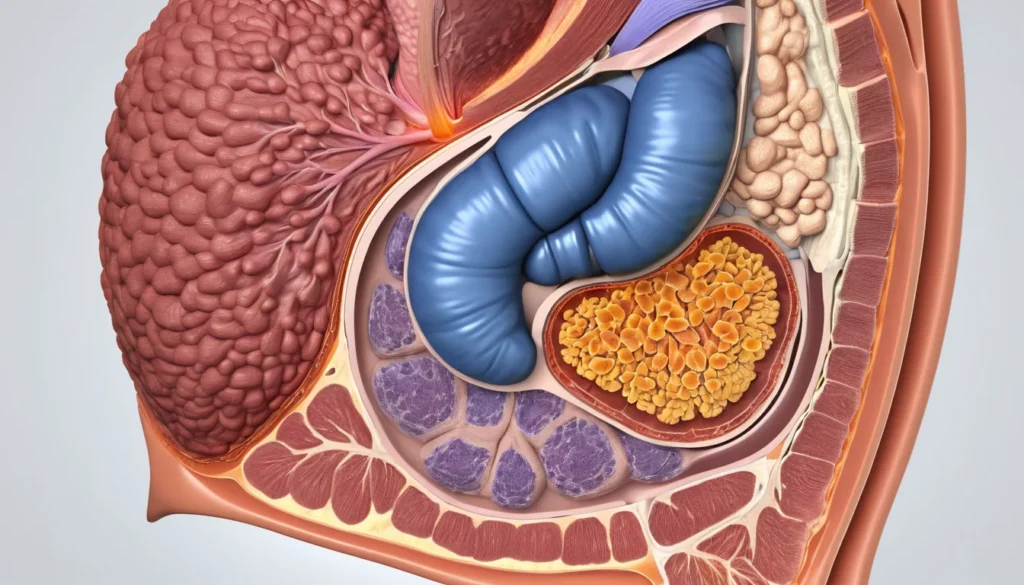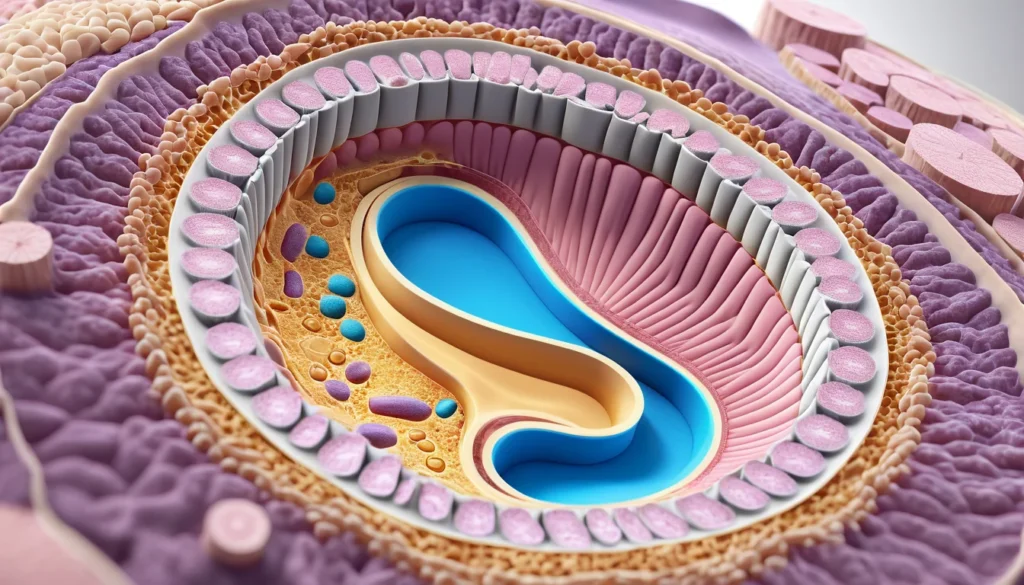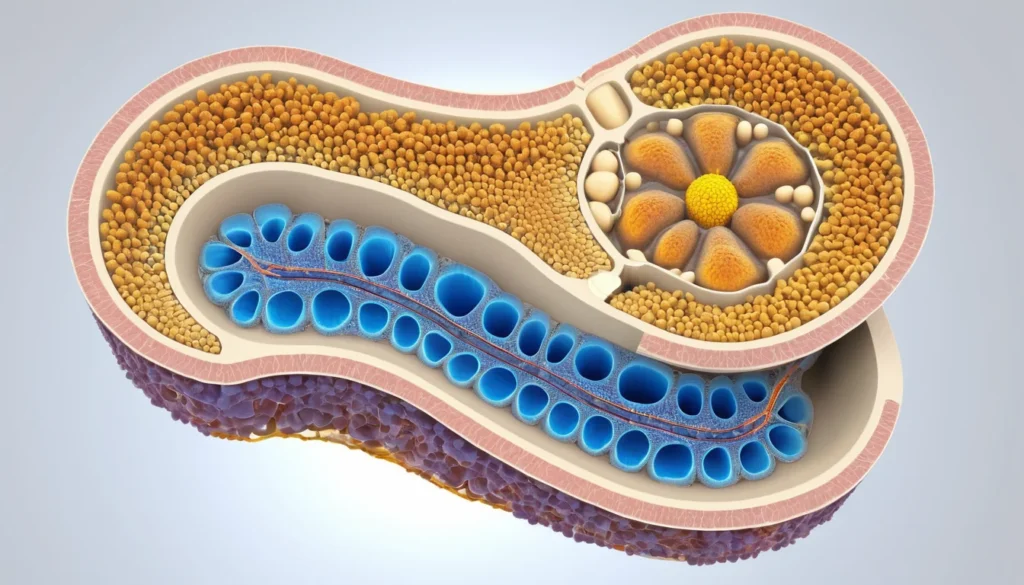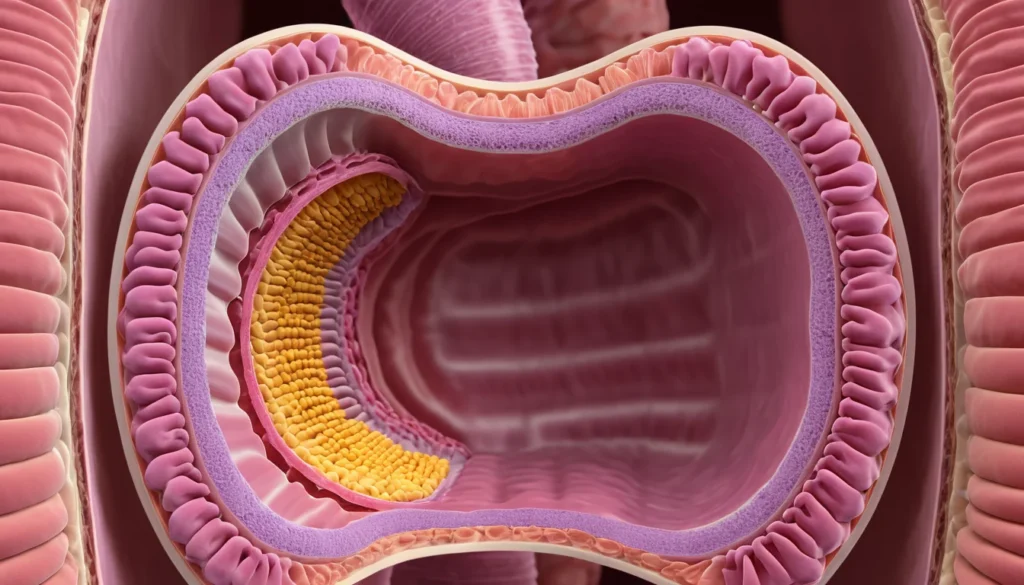
Diverticular disease is a common digestive condition that affects millions of Canadians, especially those over the age of 40. It includes two related conditions: diverticulosis, where small pouches form in the wall of the colon, and diverticulitis, where those pouches become inflamed or infected. Understanding the difference between the two can help you take better care of your digestive health.
What Is Diverticular Disease?
Diverticular disease is a group of conditions involving small, bulging pouches called diverticula. These pouches form in weak spots along the wall of the large intestine, or colon. When many of these pouches are present, the condition is called diverticulosis.
Diverticulosis is very common as we age. Roughly 10% of people over 40 have diverticula. By age 60, that number rises to about 30%. By age 80, as many as 65% of people have the condition. Most people with diverticulosis never feel any symptoms at all.
Diverticulitis happens when one or more of these pouches become infected or inflamed. It develops in about 10 to 25% of people who have diverticulosis. Diverticulitis is the most common complication of diverticular disease, and it requires prompt medical attention.
What Causes Diverticular Disease?
Experts believe the leading cause of diverticular disease is a diet low in fibre. This condition became far more common in the early 1900s, as processed foods replaced whole, unrefined foods in everyday diets. Many Canadians today still do not get enough fibre each day.
Fibre is found naturally in fruits, vegetables, and whole grains. However, when foods are processed and refined, much of that fibre is lost. For example, white flour has far less fibre than whole wheat flour. Diets rich in processed foods and low in plant-based foods are strongly linked to diverticular disease.
How Fibre Affects Your Colon
There are two types of fibre: soluble and insoluble. Soluble fibre dissolves in water and forms a gel-like substance in the intestine. Insoluble fibre passes through the colon largely unchanged. Both types help form healthy stool and keep the digestive system moving regularly.
When you do not eat enough fibre, constipation is more likely. Constipation means stools are hard, dry, and difficult to pass. As a result, the colon must work harder and build up more internal pressure to move waste along. Over time, this increased pressure pushes the inner lining of the colon outward through weak points in the colon wall, forming diverticula.
These weak points are often where small blood vessels pass through the colon wall. That is why diverticula tend to form in these specific areas. Health Canada recommends adult Canadians consume 21 to 38 grams of fibre per day, depending on age and sex.
What Causes Diverticulitis?
Diverticulitis develops when a diverticulum becomes blocked, inflamed, or infected. One common cause is a small, hardened piece of stool called a faecolith becoming trapped inside a pouch. Unlike the rest of the colon, diverticula have no muscle layer to push the faecolith out.
The trapped material irritates and damages the lining of the pouch. This leads to ulceration, inflammation, and eventually infection. Diverticulitis strikes suddenly and without warning — a person can feel completely well and then develop severe symptoms within hours.
Symptoms of Diverticular Disease
Symptoms of Diverticulosis
Most people with diverticulosis have no symptoms at all. In fact, many Canadians only discover they have diverticula during a routine colonoscopy or imaging test done for another reason. This is why diverticulosis is often called a “silent” condition.
However, some people do experience mild symptoms. These can include bloating, mild cramping, and constipation. These symptoms are non-specific, meaning they can also point to other digestive issues such as irritable bowel syndrome or a stomach ulcer. Therefore, it is important not to ignore them or self-diagnose.
Symptoms of Diverticulitis
Diverticulitis causes more noticeable and often severe symptoms. The most common symptom is abdominal pain, usually felt in the lower left side of the abdomen. This location corresponds to the sigmoid colon, which is the most common site for diverticula to form.
In addition to pain, you may experience:
Fever and chills
Nausea and vomiting
Rapid heartbeat
Constipation or, less commonly, diarrhoea
Tenderness in the abdomen when touched
Symptoms can range from mild to severe. In serious cases, there may be signs of peritoneal irritation — meaning the infection is spreading beyond the colon. This is a medical emergency. The severity of symptoms depends on the extent of inflammation, the presence of infection, and whether complications have developed.
Complications of Diverticular Disease
Diverticular disease can lead to serious complications if left untreated. These complications usually result from acute inflammation or infection. The most common complications include intestinal perforation, abscess formation, bowel obstruction, fistula, and bleeding.
Treatment must begin quickly to prevent these complications from becoming life-threatening. According to the Mayo Clinic’s guide to diverticulitis, prompt diagnosis and care greatly improve outcomes.
Diverticular Bleeding
Bleeding is one of the more alarming complications of diverticular disease. It can occur in both diverticulosis and diverticulitis, though it is more common during an active infection. Bleeding happens when a small blood vessel near a pouch ruptures.
You may notice blood in your stool, which can appear bright red or dark and tar-like, depending on where the bleeding is occurring. Any rectal bleeding should be assessed by a doctor right away, as it can also be a sign of other serious conditions such as colorectal cancer.
Perforation and Peritonitis
A perforated diverticulum means a hole has formed in the colon wall. This allows bacteria and stool to leak into the abdominal cavity. As a result, a life-threatening infection called peritonitis can develop. This is a surgical emergency that requires immediate hospital care.
Abscess and Fistula
An abscess is a pocket of pus that forms near the infected diverticulum. A fistula is an abnormal connection between the colon and another organ, such as the bladder or skin. Both of these complications require medical or surgical intervention. Early treatment of diverticulitis significantly reduces the risk of these outcomes.
How Is Diverticular Disease Diagnosed and Treated?
Diverticulosis is most often found incidentally during a colonoscopy or CT scan. There is no specific treatment needed for diverticulosis without symptoms. However, your doctor will likely recommend a high-fibre diet and plenty of water to reduce the risk of complications developing.
Diverticulitis is typically diagnosed using a CT scan of the abdomen. Blood tests may also show signs of infection, such as an elevated white blood cell count. Treatment depends on how severe the episode is.
Mild Diverticulitis
Mild cases can often be managed at home. Your doctor may recommend rest, a temporary liquid or low-fibre diet, and oral antibiotics. Most people recover well with this approach within a week or two. It is important to follow your doctor’s instructions carefully and complete the full course of antibiotics.
Severe Diverticulitis
Severe cases require hospitalisation. Treatment may include intravenous antibiotics, fasting to rest the bowel, and in some cases, surgery. Surgery may involve removing the affected section of the colon. Your care team will guide you through the best treatment plan for your specific situation. Healthline’s overview of diverticulitis treatment offers additional information on what to expect.
When to See a Doctor
If you experience sudden or worsening abdominal pain, especially on the lower left side, you should seek medical attention promptly. Do not wait to see if the pain goes away on its own. Diverticular disease, when it becomes diverticulitis, can escalate quickly.
You can start by contacting your family doctor or visiting a walk-in clinic if your symptoms are not immediately severe. If you have a fever above 38.5°C, cannot keep fluids down, or feel extreme abdominal tenderness, go to your nearest emergency department right away.
Even if your symptoms are mild and vague — such as ongoing bloating or irregular bowel habits — it is still worth mentioning them to your family doctor. Your provincial health plan covers visits to a family doctor and many diagnostic tests. Early detection always leads to better outcomes. Your doctor is the best person to rule out other conditions and recommend the right next steps.
Preventing Diverticular Disease
While you cannot always prevent diverticula from forming, you can significantly reduce your risk of complications. The most important step is eating a diet rich in fibre every day. Aim for fruits, vegetables, legumes, and whole grains at every meal.
Staying well hydrated is equally important. Fibre works best when you drink enough water throughout the day — around 8 cups or 2 litres for most adults. In addition, regular physical activity helps keep the bowel moving and reduces the risk of constipation.
Avoiding smoking, limiting red meat, and maintaining a healthy body weight are also linked to a lower risk of developing diverticular disease. Small, consistent lifestyle changes can make a significant difference over time.
Frequently Asked Questions About Diverticular Disease
What is the difference between diverticulosis and diverticulitis?
Diverticulosis means you have small pouches in your colon, but no inflammation. Diverticulitis is a complication of diverticular disease where those pouches become infected or inflamed. Diverticulosis is usually symptom-free, while diverticulitis causes pain, fever, and other noticeable symptoms.
Can diverticular disease be cured?
Diverticula that have already formed do not go away on their own. However, diverticular disease can be managed very effectively with the right diet, hydration, and medical care. Most people with diverticulosis live comfortably without ever developing diverticulitis.
What foods should I avoid if I have diverticular disease?
During an active flare of diverticulitis, your doctor may recommend a clear liquid or low-fibre diet temporarily. Outside of flares, a high-fibre diet is actually recommended to help manage diverticular disease. The old advice to avoid nuts and seeds has largely been dismissed by current research — talk to your doctor about what works best for you.
Is diverticular disease serious?
Diverticulosis on its own is usually not serious, and many people never have any problems. However, diverticulitis — the inflammatory complication of diverticular disease — can become serious if not treated. Complications like perforation or peritonitis are medical emergencies that require immediate hospital care.
How common is diverticular disease in Canada?
Diverticular disease is very common in Canada, particularly among older adults. It is estimated that about 30% of Canadians over 60 have diverticula, and that number rises significantly after age 80. The condition is closely linked to low-fibre diets, which are widespread in many Western countries.
Does diverticular disease require surgery?
Most people with diverticular disease never need surgery. Mild to moderate diverticulitis is typically treated with antibiotics and dietary changes. Surgery is usually only recommended for severe or recurring cases, or when complications such as perforation, abscess, or fistula develop.
Key Takeaways
Diverticular disease includes diverticulosis (pouches in the colon) and diverticulitis (inflamed or infected pouches).
The condition becomes more common with age, affecting up to 65% of Canadians by age 80.
A low-fibre diet and chronic constipation are the main contributing factors.
Diverticulosis often causes no symptoms; diverticulitis causes pain, fever, and nausea.
Serious complications include bleeding, perforation, abscess, and peritonitis — all requiring urgent care.
Eating more fibre, drinking plenty of water, and staying active are the best ways to reduce your risk.
Always speak with your family doctor or visit a walk-in clinic if you notice persistent digestive symptoms. This article is for general information only and is not a substitute for professional medical advice.