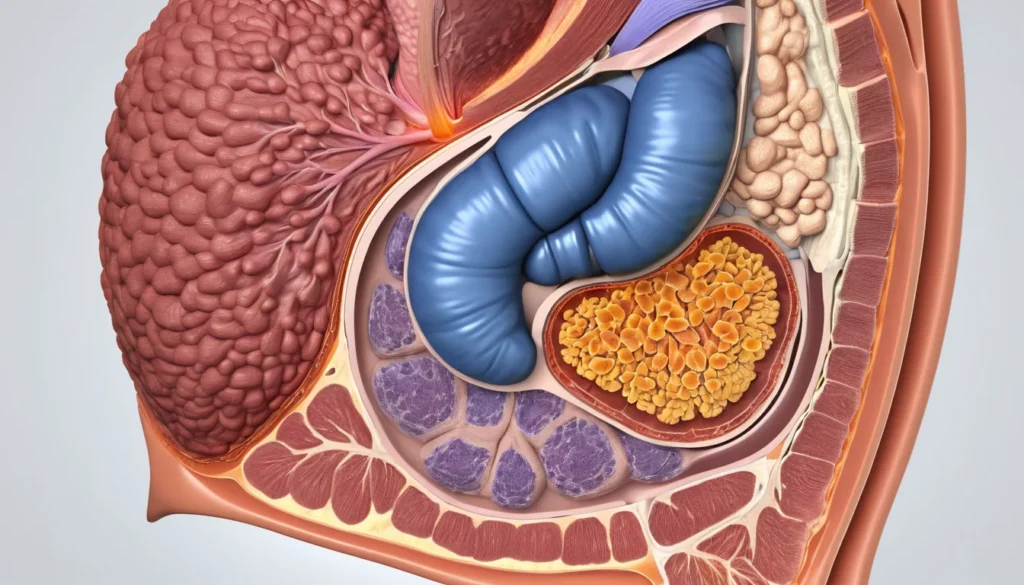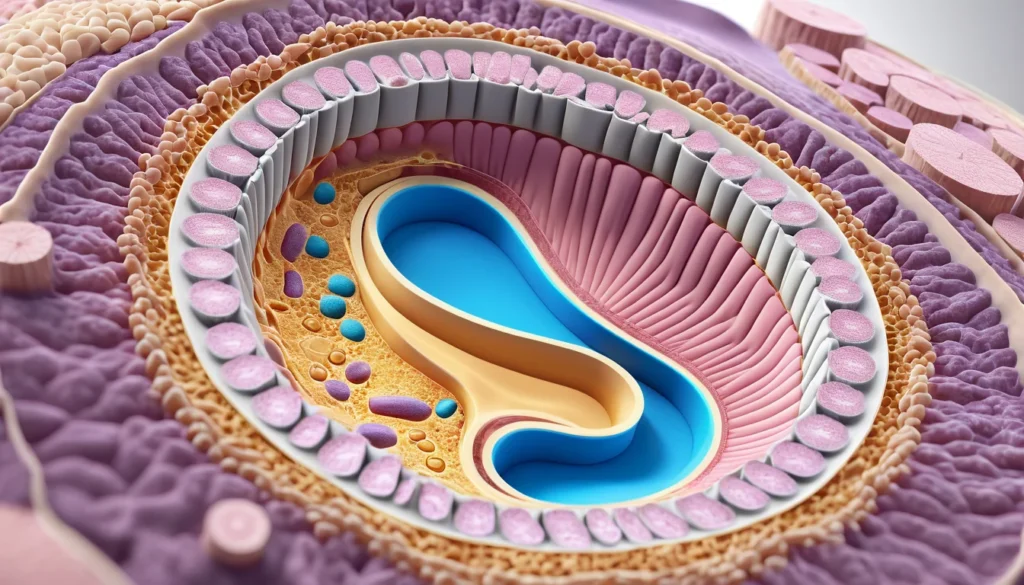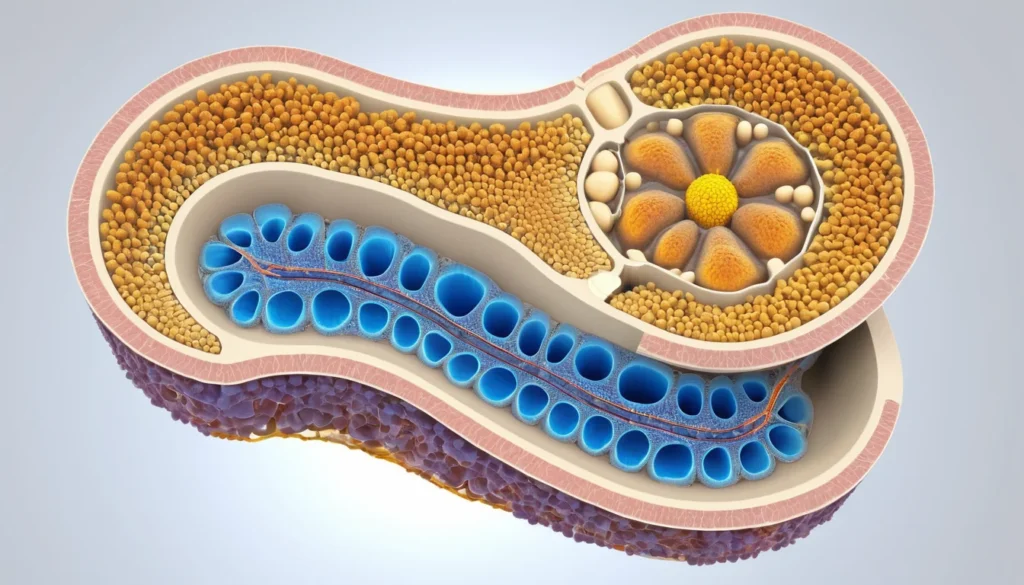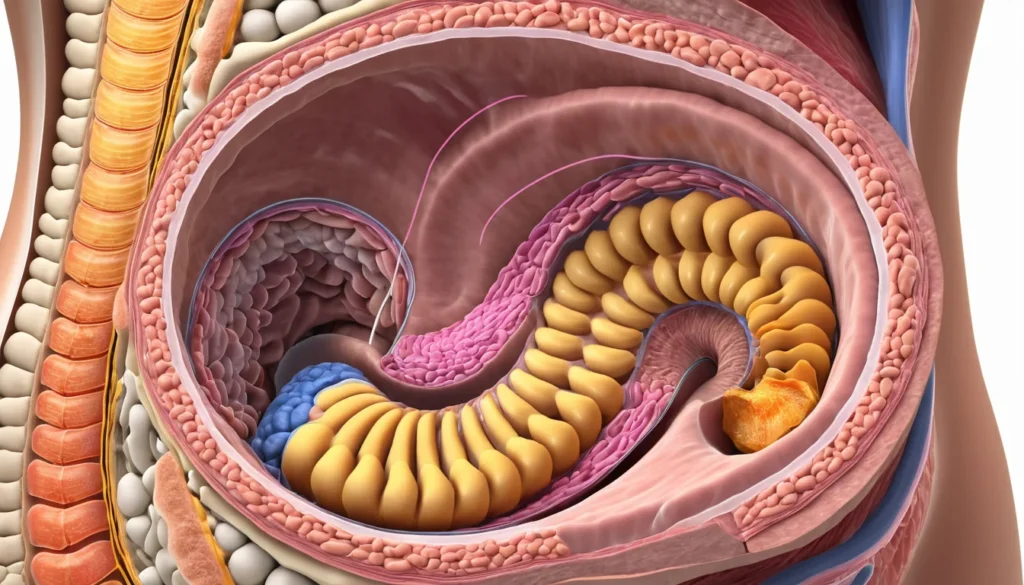
Diverticular bleeding happens when small pouches in the wall of the colon, called diverticula, rupture a nearby blood vessel. It is one of the most common causes of lower digestive tract bleeding in adults, accounting for roughly 30% of all such cases. This article explains what causes diverticular bleeding, what symptoms to watch for, how doctors diagnose it, and what treatments are available to Canadians. Always speak with your family doctor or a qualified healthcare provider if you have any concerns about your digestive health.
What Is Diverticular Bleeding?
Diverticula are small, sac-like pouches that bulge outward through weak spots in the colon wall. When enough pressure builds up inside the colon, the inner lining gets pushed through these weak points. This condition — having many of these pouches — is called diverticulosis.
Diverticular bleeding occurs when a tiny blood vessel near one of these pouches erodes and bursts. The vessel sits very close to the pouch lining, which makes it vulnerable to damage over time. Most people with diverticulosis never experience bleeding, but for those who do, it can range from mild to severe.
According to Mayo Clinic’s overview of diverticular disease, diverticulosis becomes more common with age, particularly in adults over 50. In Canada, this means a significant portion of the population may be at risk as they grow older.
Common Causes of Diverticular Bleeding
The root cause of diverticular bleeding is the erosion of a small artery sitting just beside a diverticulum. As the pouch stretches over time, it puts pressure on that vessel. Eventually, the vessel wall weakens and breaks open.
Several factors can increase the risk of developing diverticulosis in the first place, which then raises the risk of bleeding. These include:
A low-fibre diet, which leads to harder stools and more straining
Chronic constipation, which raises pressure inside the colon
Aging, as the colon wall naturally weakens over time
Physical inactivity and a sedentary lifestyle
Regular use of non-steroidal anti-inflammatory drugs (NSAIDs) such as ibuprofen
Low fluid intake throughout the day
It is important to note that diverticular bleeding is not caused by infection or inflammation. In fact, it is a separate complication from diverticulitis, which involves infected or inflamed pouches.
Why Does Bleeding Happen Without Pain?
Many people are surprised to learn that diverticular bleeding is usually painless. Because the blood vessel ruptures without surrounding inflammation, there are no nerve signals triggering abdominal pain. Blood simply passes through the colon and exits with the stool, often without any other warning signs.
Recognising the Symptoms of Diverticular Bleeding
The most obvious sign of diverticular bleeding is the sudden appearance of blood in the stool. This can look different depending on how much blood is lost and how quickly it moves through the digestive tract.
In most cases, the blood is bright red or maroon in colour and appears mixed in with or alongside the stool. However, if the bleeding is minor and slow, the stool may appear dark, tarry, or black. This darker colour happens because gut bacteria break down the blood as it travels through the colon.
Other symptoms associated with diverticular bleeding can include:
Sudden urge to have a bowel movement
Passing large amounts of blood with little or no stool
Dizziness or light-headedness, especially when standing up
Weakness or fatigue from blood loss
A drop in blood pressure in more serious cases
The good news is that most episodes of diverticular bleeding — up to 80% — stop on their own without medical intervention. However, the bleeding can return days, weeks, or even months later. This recurring pattern is actually a recognised feature of the condition.
When Bleeding Becomes an Emergency
Heavy, ongoing bleeding is a medical emergency. If you feel faint, notice large amounts of blood, or feel unusually weak, call 911 or go to your nearest emergency department immediately. Do not wait to see if the bleeding stops on its own in these situations.
When to See a Doctor About Diverticular Bleeding
Any time you notice blood in your stool, you should take it seriously. Even if you feel otherwise fine, rectal bleeding always deserves a proper medical evaluation. Do not assume it is harmless without getting checked out first.
For non-emergency situations, start by contacting your family doctor. They can review your symptoms, order initial tests, and refer you to a gastroenterologist if needed. If you do not have a family doctor — which is a reality for many Canadians — a walk-in clinic is a reasonable first step for mild, stable bleeding.
Your provincial health plan generally covers diagnostic investigations for rectal bleeding, including colonoscopy referrals. Check with your province’s health authority or visit Health Canada’s official health information portal to learn more about covered services in your area.
Seek care promptly if you experience any of the following:
Bright red or maroon blood in the stool, especially in large amounts
Recurring episodes of rectal bleeding over days or months
Dizziness, weakness, or rapid heartbeat alongside bleeding
Blood in the stool along with unexplained weight loss
Any rectal bleeding if you are over 50 or have a family history of colon cancer
How Doctors Diagnose Diverticular Bleeding
Diagnosing diverticular bleeding involves ruling out other possible causes first. Many conditions can cause rectal bleeding, including colorectal cancer, hemorrhoids, inflammatory bowel disease, ischemic colitis, and blood clotting disorders. Your doctor will want to be thorough.
The diagnostic process usually starts with a detailed medical history and a physical examination. Your doctor will ask about your symptoms, how long the bleeding has lasted, any medications you take, and your family medical history.
Colonoscopy
A colonoscopy is the most useful tool for finding the source of lower digestive tract bleeding. During this procedure, a doctor inserts a thin, flexible tube with a small camera through the rectum and into the colon. This allows direct viewing of the colon lining and can identify the bleeding source.
Colonoscopy works best when the bowel has been fully cleared beforehand. If active bleeding is heavy, the procedure may be delayed slightly until the bleeding slows enough to allow a clear view. However, doctors generally prefer to perform it as soon as safely possible.
Nuclear Medicine Scan and Angiography
If the colonoscopy cannot locate the source, doctors may use other imaging techniques. A nuclear medicine scan (also called a radionuclide scan) uses a small amount of radioactive material tagged to red blood cells. These tagged cells are injected back into the bloodstream and can reveal areas of active bleeding, even slow or intermittent bleeding.
A mesenteric angiography is another option. In this test, dye is injected into the arteries supplying the colon. X-ray imaging then highlights areas where blood is leaking out. This method is particularly useful for detecting faster, more significant bleeding and can locate the source in roughly 50–60% of active cases.
Treatment Options for Diverticular Bleeding
Because most episodes of diverticular bleeding stop on their own, the initial treatment focuses on monitoring and supportive care. This means keeping the patient well hydrated and maintaining stable blood pressure and blood volume.
In a hospital setting, treatment typically includes:
Intravenous (IV) fluids to replace lost fluid and maintain blood pressure
Blood transfusions if significant blood loss has occurred
Medications to help constrict blood vessels and slow bleeding
Close monitoring of vital signs and blood counts
Once the patient is stable and the bleeding source is confirmed through colonoscopy, doctors may use the colonoscope itself to stop the bleeding. This can be done by applying small clips, cauterisation, or injecting medication directly at the bleeding site.
When Surgery Is Needed
Surgery becomes necessary in a minority of cases. Doctors may recommend an operation when the bleeding is ongoing and cannot be controlled by other means, when it keeps recurring despite previous treatment, or when the patient cannot be stabilised.
The surgical procedure usually involves removing the affected section of the colon — a procedure called a colectomy. In cases where the bleeding source has not been clearly identified, surgeons may remove a larger portion of the colon to ensure the problem is fully resolved. This is a significant operation, but it is sometimes the safest long-term option.
Preventing Diverticular Bleeding Through Lifestyle Changes
While there is no guaranteed way to prevent diverticular bleeding once diverticulosis has already developed, you can take steps to reduce your overall risk. Many of these steps also support general digestive and cardiovascular health.
Specialists recommend the following lifestyle changes to help prevent diverticulosis from worsening:
Eat a high-fibre diet. Include plenty of vegetables, fruits, legumes, and whole grains. Aim for at least 25–38 grams of fibre per day, as recommended by Healthline’s guide to dietary fibre and digestive health.
Stay well hydrated. Drink at least 2 litres of water or fluid per day to keep stools soft and easy to pass.
Exercise regularly. Physical activity supports healthy bowel movement and reduces pressure inside the colon.
Avoid overusing NSAIDs. Medications like ibuprofen and aspirin may increase the risk of bleeding. Talk to your doctor before using them long-term.
Avoid smoking, which can impair blood vessel health throughout the body.
It is important to be honest about one limitation: these lifestyle changes are proven to reduce the risk of developing diverticulosis. However, they have not been clearly shown to prevent bleeding episodes in people who already have diverticulosis. Even so, these habits improve your overall health and are worth following.
Frequently Asked Questions About Diverticular Bleeding
What does diverticular bleeding look like?
Diverticular bleeding usually appears as bright red or maroon blood in the stool or in the toilet bowl. In some cases, when the bleeding is slow and minor, the stool may look dark, tarry, or almost black in colour. If you notice any of these changes, contact your family doctor or visit a walk-in clinic promptly.
Does diverticular bleeding stop on its own?
Yes, in most cases diverticular bleeding stops on its own without specific treatment — this happens in up to 80% of episodes. However, the bleeding can return, and some episodes are severe enough to require hospital care. Always get medical advice rather than waiting at home to see if the bleeding resolves.
Is diverticular bleeding painful?
Most episodes of diverticular bleeding are painless, which often surprises patients. Because the bleeding happens without inflammation, there are usually no abdominal cramps or pain accompanying the blood in the stool. The absence of pain does not mean the condition is harmless — you should still seek medical evaluation.
How is diverticular bleeding diagnosed in Canada?
Doctors in Canada typically diagnose diverticular bleeding using a colonoscopy, which allows direct viewing of the colon lining. If the colonoscopy cannot find the source, a nuclear medicine scan or mesenteric angiography may be used. Most of these procedures are covered under provincial health plans when referred by a physician.
Can diverticular bleeding come back after it stops?
Yes, recurring diverticular bleeding is actually a well-recognised feature of this condition. Episodes can return days, weeks, or even months after the first event. If you have had one episode, your doctor will likely recommend a follow-up colonoscopy and may discuss longer-term management strategies with you.
What foods should I eat to prevent diverticular disease?
A high-fibre diet is the most important dietary step for reducing the risk of diverticular disease. Focus on vegetables, fruits, whole grains, beans, and lentils, while staying well hydrated throughout the day. Talk to your family doctor or a registered dietitian if you are unsure how to make these changes in a way that suits your health needs.
Key Takeaways
Diverticular bleeding is the most common cause of significant lower digestive tract bleeding in adults. It occurs when a blood vessel near a colon pouch (diverticulum) erodes and bursts open. The main symptom is blood in the stool, which is usually painless. Most episodes stop on their own, but bleeding can recur and sometimes requires hospital treatment. Diagnosis is made primarily through colonoscopy, with nuclear scans or angiography used in difficult cases. Treatment ranges from IV fluids and monitoring to colonoscopic intervention or, in rare cases, surgery. A high-fibre diet, good hydration, and regular exercise can help reduce the risk of diverticulosis developing or worsening. Always consult your family doctor or visit a walk-in clinic if you notice blood in your stool