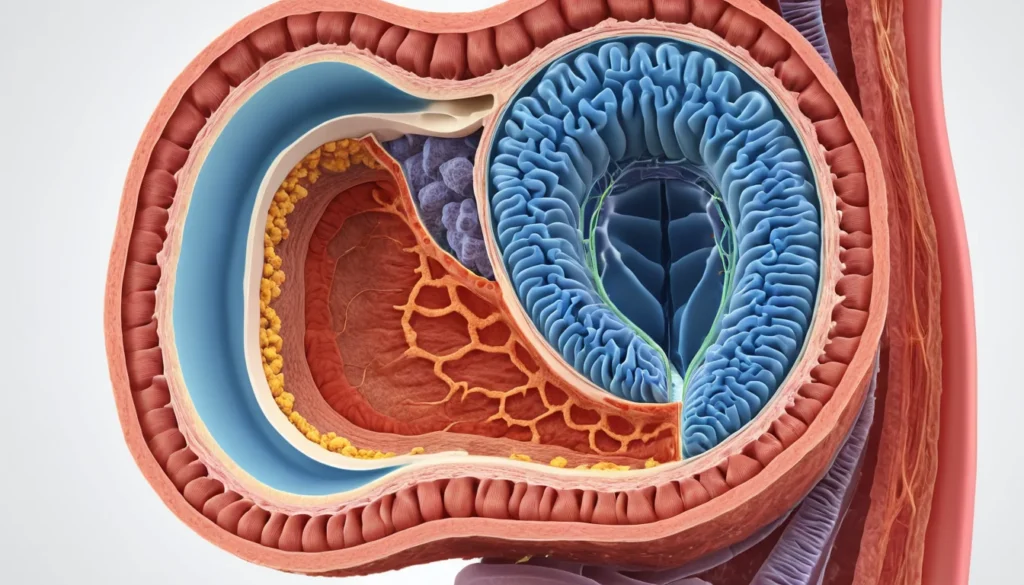
Diverticular bleeding happens when small pouches in the wall of the large intestine, called diverticula, begin to bleed. It affects about 5% of people who have diverticulosis, a condition where these pouches form along the colon. Although the bleeding can be sudden and heavy, it often stops on its own. This article explains what causes it, what to watch for, and when to reach out to your family doctor or visit a walk-in clinic.
What Is Diverticular Bleeding?
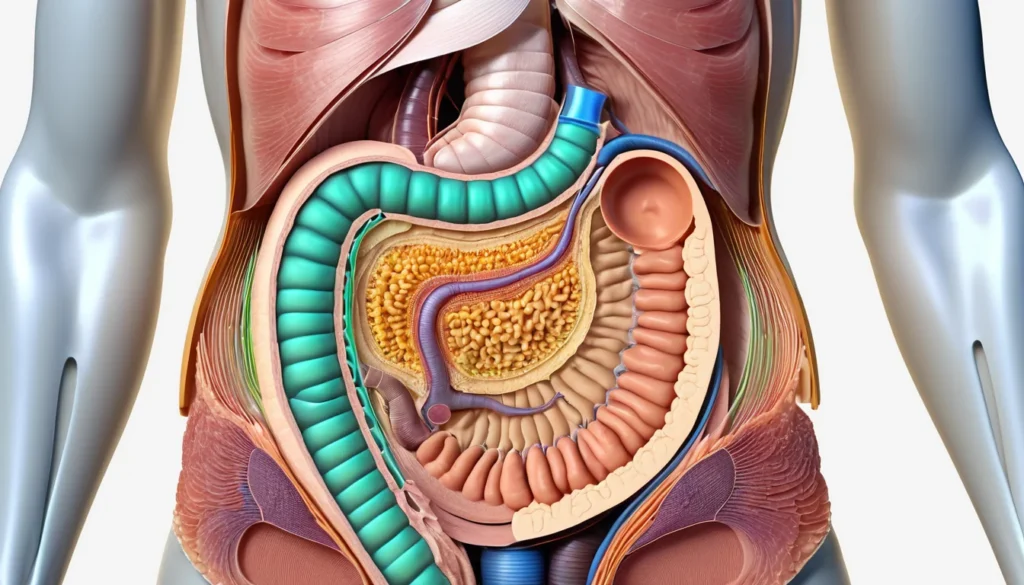
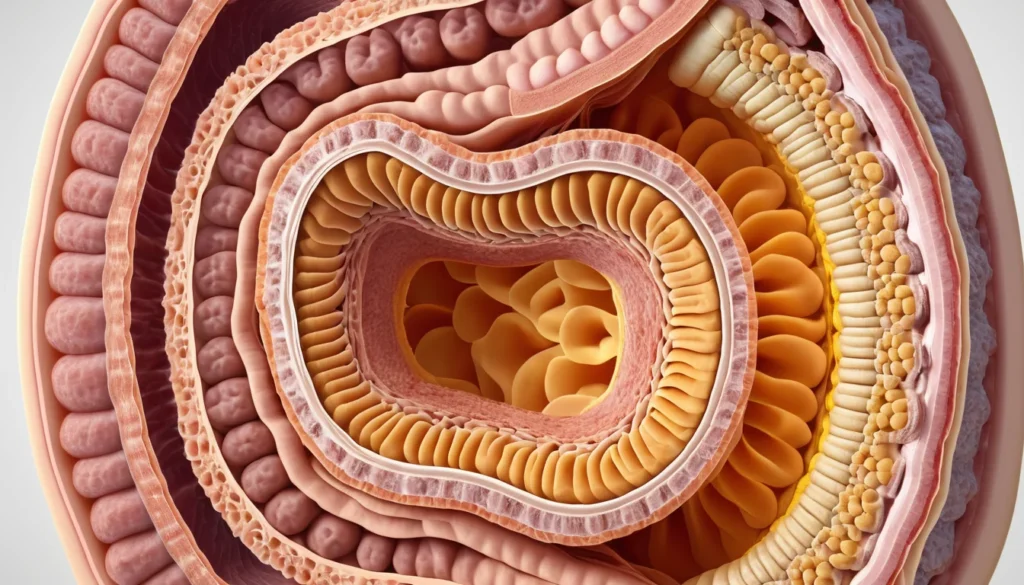
Your large intestine, also called the colon, is a long tube that moves waste through your body. Over time, small weak spots in the colon wall can bulge outward, forming tiny pouches called diverticula. When you have many of these pouches, the condition is called diverticulosis.
Diverticular bleeding occurs when one of these pouches develops a small tear near a blood vessel. Blood then leaks into the colon and passes out of the body through the stool. The bleeding can range from mild to quite heavy, and it can be alarming when it happens suddenly.
According to Mayo Clinic’s overview of diverticular disease, most episodes of diverticular bleeding resolve without medical treatment. However, some people do need hospital care, and in rare cases, surgery may be necessary.
What Causes Diverticular Bleeding?
Diverticula form when pressure builds up inside the colon. This pressure pushes the inner lining of the colon through weak spots in the colon wall, creating small, pouch-like bulges. A low-fibre diet is one of the main reasons this pressure increases over time.
Diverticular bleeding happens when one of these pouches presses against a nearby blood vessel hard enough to cause a break. A tiny hole, or perforation, forms between the pouch and the vessel. As a result, blood flows into the colon and exits the body during a bowel movement.
Factors that may increase your risk of developing diverticula include:
A diet low in fibre
Not drinking enough fluids each day
A sedentary lifestyle with little physical activity
Ageing, as the colon wall weakens over time
Regular use of non-steroidal anti-inflammatory drugs (NSAIDs) such as ibuprofen
It is important to note that diverticular bleeding is different from diverticulitis. Diverticulitis involves inflammation or infection of the pouches, while diverticular bleeding involves blood loss without significant inflammation.
Recognising the Symptoms of Diverticular Bleeding
One of the most important things to know about diverticular bleeding is that it usually appears without warning. Most people do not feel any pain before or during the bleeding. This makes it different from many other causes of rectal bleeding.
Common Symptoms to Watch For
The most obvious sign is the sudden appearance of blood in the stool or the toilet bowl. The colour of the blood can vary. It may appear dark red or bright red, depending on where in the colon the bleeding is coming from.
Other symptoms may include:
A sudden urge to have a bowel movement
Passing large amounts of blood with little or no stool
Feeling dizzy or lightheaded
Unusual tiredness or weakness
A drop in blood pressure if blood loss is significant
In most cases, there is no abdominal pain associated with diverticular bleeding. If you do experience pain along with rectal bleeding, it may suggest a different condition, such as diverticulitis or another digestive problem.
When Bleeding Becomes Serious
For about 80% of people, diverticular bleeding stops on its own within a few hours. However, in some cases, blood loss can become severe enough to cause extreme fatigue and weakness. In these situations, a blood transfusion may be needed to restore healthy blood levels.
If you feel faint, notice very heavy bleeding, or the bleeding does not stop, seek emergency care right away. Do not wait to see if it resolves on its own when symptoms are this severe.
How Is Diverticular Bleeding Diagnosed?
Diagnosing diverticular bleeding involves ruling out other possible causes of rectal bleeding. Your doctor will take a detailed medical history and perform a physical examination first. From there, several tests may be ordered to find the source of the bleeding.
Colonoscopy
A colonoscopy is considered the most useful test for identifying the source of bleeding in the colon. During this procedure, a doctor inserts a long, flexible tube with a tiny camera on the end — called a colonoscope — into the rectum. This allows the doctor to see the entire large intestine and locate any bleeding diverticula.
A colonoscopy can also be used to treat the bleeding directly in some cases. The doctor may apply heat or clips to seal off the bleeding vessel during the same procedure. Healthline’s guide to diverticular bleeding provides a helpful explanation of how colonoscopy is used in both diagnosis and treatment.
Technetium-Labelled Red Blood Cell Scan
If colonoscopy cannot locate the source of bleeding, doctors may use a nuclear medicine test called a technetium-labelled red blood cell scan. In this test, a small amount of blood is drawn from the patient and mixed with a mildly radioactive material called technetium. The labelled blood is then injected back into the bloodstream.
Special imaging equipment tracks where this labelled blood travels inside the body. As a result, doctors can identify where active bleeding is occurring, even in hard-to-reach areas of the colon.
CT Angiography
A CT angiography scan uses contrast dye and X-rays to create detailed images of the blood vessels in the abdomen. This test is especially useful when bleeding is happening quickly and a source needs to be found fast. It is often used in emergency settings when a patient is bleeding heavily.
Treatment Options for Diverticular Bleeding
The good news is that most cases of diverticular bleeding resolve without aggressive treatment. However, your care team will monitor you closely and act quickly if the bleeding continues or your condition worsens.
Conservative Care
For mild to moderate bleeding that stops on its own, doctors focus on supportive care. This may include:
Intravenous (IV) fluids to keep you hydrated and maintain blood pressure
Blood transfusions if significant blood loss has occurred
Close monitoring of vital signs and blood counts
Bowel rest, meaning you may not be allowed to eat or drink for a period of time
Most patients who receive this type of care recover well and are discharged within a few days.
Procedures to Stop Active Bleeding
If the bleeding does not stop on its own, more active treatment is needed. During a colonoscopy, a doctor may apply a special clip, heat therapy, or a medication directly to the bleeding vessel to seal it. This approach works well in many cases and avoids the need for surgery.
In other situations, a procedure called angiography may be used. A thin tube called a catheter is inserted into a blood vessel and guided to the bleeding site. The doctor then injects a medication or uses a tiny coil to block the vessel and stop the bleeding.
Surgery
Surgery is only considered in rare cases — usually when other treatments have failed or when bleeding is life-threatening. The surgeon removes the affected portion of the colon. Recovery from this type of surgery takes time, but most patients do well with proper support and follow-up care.
Preventing Diverticular Disease
While you cannot always prevent diverticula from forming, you can take steps to lower your risk. A healthy lifestyle plays a major role in keeping your colon strong and reducing pressure inside it.
Here are some practical steps recommended by Health Canada’s healthy eating guidelines:
Eat more fibre. Aim for 25 to 38 grams of dietary fibre per day. Good sources include vegetables, fruits, whole grains, and legumes like lentils and beans.
Drink enough fluids. Aim for 6 to 8 glasses of water or other fluids each day to help fibre do its job properly.
Stay physically active. Regular exercise helps keep the bowel moving and reduces pressure in the colon.
Limit red meat and processed foods. These foods are low in fibre and may contribute to colon problems over time.
Avoid smoking. Smoking can increase inflammation throughout the body, including the digestive tract.
These changes are simple but powerful. Even small improvements to your daily habits can make a meaningful difference in your long-term colon health.
When to See a Doctor
Any time you notice blood in your stool, it is worth getting checked out. While diverticular bleeding often stops on its own, rectal bleeding can also be a sign of other conditions — some of which need prompt attention.
You should visit your family doctor if you notice any of the following:
Blood in your stool that is new or unexplained
Rectal bleeding that comes back more than once
Changes in your bowel habits that last more than a week or two
Unexplained fatigue or weakness
If you do not have a family doctor, a walk-in clinic can assess your symptoms and refer you for further testing if needed. Most provinces also have nurse-led phone lines — such as Health811 in Ontario or 811 in British Columbia — where you can speak with a registered nurse any time of day.
Go to your nearest emergency department right away if you are experiencing heavy rectal bleeding, feel faint or dizzy, or have a rapid heartbeat. These may be signs of significant blood loss that requires immediate care.
As always, speak with a qualified healthcare provider before making any changes to your health management. This article is for informational purposes only and does not replace professional medical advice.
Frequently Asked Questions About Diverticular Bleeding
Is diverticular bleeding dangerous?
Diverticular bleeding can be serious, but most cases stop on their own without treatment. However, heavy or ongoing diverticular bleeding can lead to significant blood loss, requiring a hospital stay, blood transfusions, or even surgery. Always seek medical attention if you notice large amounts of blood in your stool.
How do I know if my rectal bleeding is from diverticular disease?
Diverticular bleeding typically appears as sudden, painless rectal bleeding that is dark red or bright red in colour. Unlike other causes, it usually comes without stomach cramps or pain. A doctor can confirm the cause through tests such as a colonoscopy.
Can diverticular bleeding come back after it stops?
Yes, diverticular bleeding can recur. Studies suggest that about 25% of people who have one episode of diverticular bleeding will experience another one. Your doctor may recommend lifestyle changes or monitoring to help reduce this risk.
What foods should I avoid if I have diverticulosis?
Current evidence does not support the old advice to avoid seeds and nuts if you have diverticulosis. However, a low-fibre diet high in processed foods and red meat may increase your risk of complications. Focus on eating plenty of fibre-rich foods and staying well hydrated.
Does diverticular bleeding require surgery?
Surgery for diverticular bleeding is rare and typically only considered when other treatments have not worked or bleeding is life-threatening. Most episodes of diverticular bleeding are managed with supportive care or less invasive procedures like colonoscopy or angiography.
How can I prevent diverticular bleeding?
The best way to reduce your risk of diverticular bleeding is to prevent diverticula from forming in the first place. Eating a high-fibre diet, drinking plenty of fluids, and staying physically active can all help keep the colon healthy and lower pressure inside it.
Key Takeaways
Diverticular bleeding occurs when small pouches in the colon wall rupture near a blood vessel, causing sudden rectal bleeding.
It affects about 5% of people with diverticulosis and is usually painless.
In most cases, the bleeding stops on its own, but severe cases may require hospital care, transfusions, or procedures to stop the bleeding.
Colonoscopy is the most useful tool for both diagnosing and treating diverticular bleeding.
A high-fibre diet, regular physical activity, and good hydration are the best ways to prevent diverticula from forming.
If you notice blood in your stool, speak with your family doctor or visit a walk-in clinic. Go to the emergency department if bleeding is heavy or you feel faint.
Always consult a healthcare professional for any concerns about your digestive health.