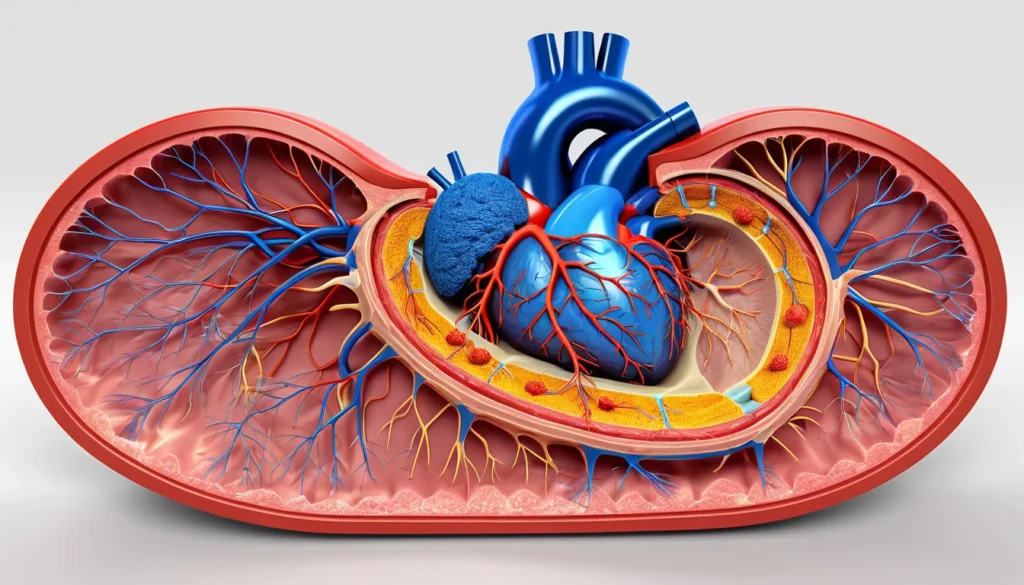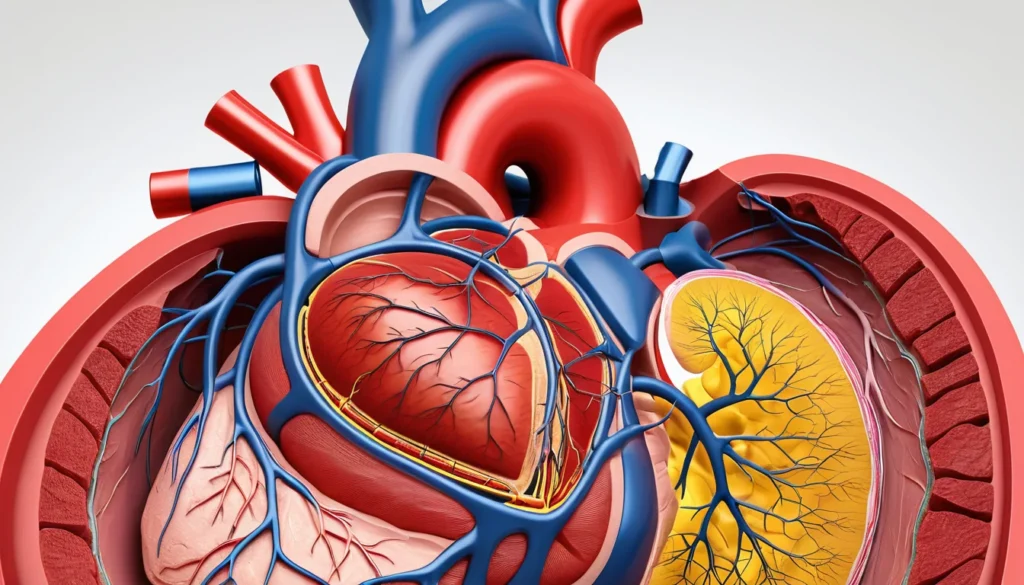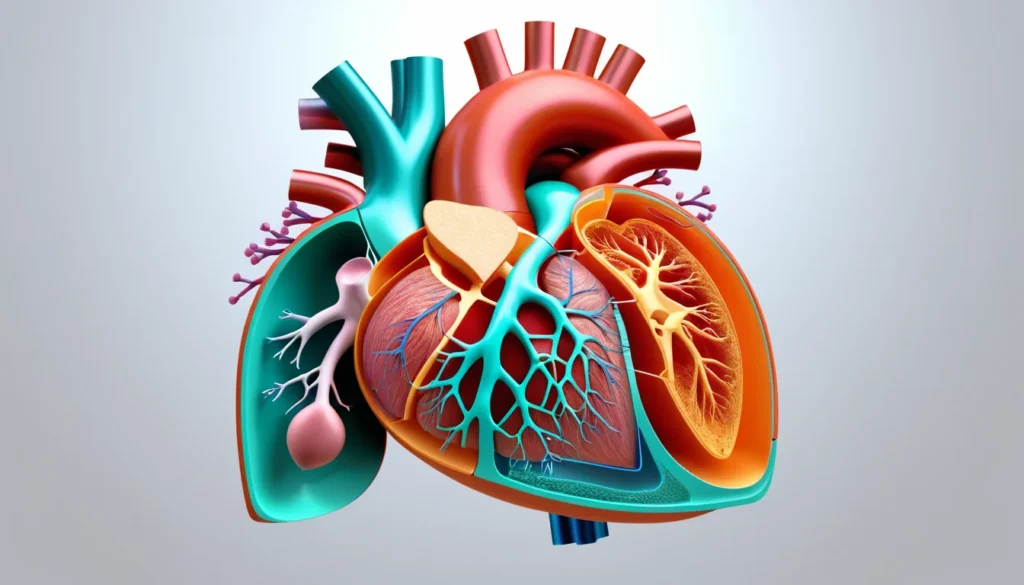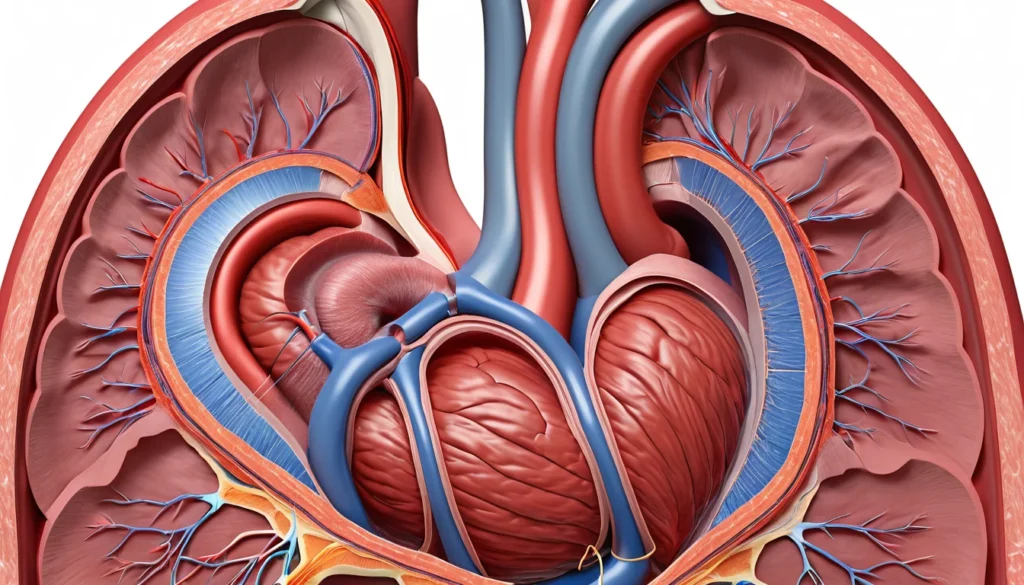
Dilated cardiomyopathy is a serious condition where the heart muscle becomes weak and stretched, making it harder for your heart to pump blood properly. It most often affects the left ventricle — the heart’s main pumping chamber — but it can affect both lower chambers. Over time, this condition can lead to heart failure. Understanding the warning signs early can make a real difference in your health outcomes.
What Is Dilated Cardiomyopathy?
Your heart is a muscle, and like any muscle, it can weaken. With dilated cardiomyopathy, the walls of the heart stretch and thin out. As a result, the heart cannot squeeze hard enough to push blood forward efficiently.
After each heartbeat, more blood than normal stays behind in the ventricles. This extra volume causes the chambers to expand, or “dilate.” Over time, the heart loses its normal shape and grows progressively weaker.
It is important to understand that heart failure does not mean your heart has stopped. It means your heart cannot pump enough blood to meet your body’s needs for oxygen and nutrients. However, it is a serious condition that requires medical attention.
Causes of Dilated Cardiomyopathy
In many cases, doctors cannot find a clear cause. This is called idiopathic dilated cardiomyopathy. However, several known factors can damage the heart muscle and trigger this condition.
Viral and Immune-Related Causes
Myocarditis — inflammation of the heart muscle — is a common trigger. It can result from a viral infection or an immune system disorder. HIV infection has also been linked to the development of dilated cardiomyopathy in some patients.
Lifestyle and Environmental Causes
Excessive alcohol use is a well-known risk factor for heart muscle damage. Illegal drugs such as cocaine can also harm the heart directly. In addition, certain medications — including some chemotherapy drugs and lithium — as well as toxic metals like lead and mercury have been linked to this condition.
Medical and Genetic Causes
Coronary artery disease and heart attacks can sometimes lead to dilated cardiomyopathy, although not in every case. A family history of the condition also raises your risk, as certain forms are inherited. Furthermore, nutritional deficiencies — such as low levels of carnitine or thiamine — and some hormonal disorders can play a role.
Pregnancy-Related Cardiomyopathy
In rare cases, dilated cardiomyopathy develops near the end of pregnancy or within the first six weeks after giving birth. This is called peripartum cardiomyopathy. The exact cause is not fully understood, but it requires prompt medical care. If you are pregnant or have recently given birth and feel unusually short of breath or fatigued, speak with your healthcare provider right away.
Symptoms to Watch For
Early on, dilated cardiomyopathy may cause no symptoms at all. Many people feel only mild fatigue or general weakness and may not connect these feelings to their heart. However, symptoms tend to worsen gradually over months or even years.
Gradual-Onset Symptoms
As the condition progresses, the following symptoms may appear:
Shortness of breath during normal activities or mild exertion
Persistent fatigue and weakness that does not improve with rest
Dry, irritating cough, especially when lying down
Wheezing — a whistling sound when breathing
Swelling in the legs, ankles, or feet due to fluid retention
Rapid weight gain caused by fluid buildup
Dizziness or fainting spells
Heart palpitations — a racing or fluttering heartbeat
Increased urination at night
Abdominal swelling or discomfort from fluid accumulation
Sudden-Onset Symptoms
In some cases, heart failure can come on suddenly — for example, after a viral illness or during pregnancy. Fluid can build up rapidly in the lungs, a condition called pulmonary oedema. Symptoms include severe breathlessness even at rest, a fast or irregular heartbeat, and coughing up frothy or pinkish mucus.
Sudden-onset heart failure is a medical emergency. Call 911 immediately if you or someone near you experiences these symptoms. Do not wait or drive yourself to the hospital.
Possible Complications
Without proper treatment, dilated cardiomyopathy can lead to serious and life-threatening complications. Being aware of these helps you understand why early diagnosis and ongoing care matter so much.
Pulmonary Oedema
When fluid builds up rapidly in the lungs, it becomes very hard to breathe. This is called pulmonary oedema and requires emergency treatment. It can develop when the heart’s pumping function declines quickly.
Arrhythmias
Abnormal heart rhythms, known as arrhythmias, are a common complication. These irregular rhythms can cause fainting, dizziness, or in severe cases, sudden cardiac death. For more information on heart rhythm disorders, visit the Health Canada heart health resources.
Other Forms of Cardiomyopathy
Dilated cardiomyopathy is actually the most common form of cardiomyopathy. Two other forms exist as well. Restrictive cardiomyopathy causes the heart muscle to become stiff. Hypertrophic cardiomyopathy causes the heart muscle to thicken abnormally, preventing it from relaxing properly.
How Is Dilated Cardiomyopathy Diagnosed?
Diagnosing dilated cardiomyopathy starts with a thorough review of your medical history. Your doctor will ask about recent illnesses, alcohol or drug use, and any family history of heart disease. This conversation is an important first step.
Physical Examination
Your doctor will listen to your heart and lungs with a stethoscope. They may detect unusual sounds called heart murmurs, which can signal problems with the heart walls or valves. Crackling or bubbling sounds in the chest may indicate fluid in the lungs. Swollen legs or visible neck veins are also signs your doctor will look for.
Diagnostic Tests
Your doctor may order several tests to confirm the diagnosis and assess how well your heart is working:
Echocardiogram: This painless ultrasound test uses high-frequency sound waves to create a moving image of your heart. It is the most effective tool for diagnosing dilated cardiomyopathy. It measures your ejection fraction — how well your left ventricle pumps blood — and assesses your heart valves and wall thickness.
Electrocardiogram (ECG): This test records the electrical activity of your heart. It can detect abnormal rhythms and areas of damage in the heart muscle.
Blood tests: Natriuretic peptides (BNP and NT-proBNP) are measured to help diagnose heart failure and assess its severity. Elevated levels suggest the heart is under significant stress.
Chest X-ray: This can show whether the heart is enlarged and whether fluid has collected in the lungs.
Cardiac MRI: This provides detailed images of the heart’s structure and can identify areas of scarring or inflammation.
For a deeper look at how these tests work, the Mayo Clinic’s guide to dilated cardiomyopathy diagnosis offers excellent detail.
Treatment and Management
There is no single cure for dilated cardiomyopathy, but treatment can greatly improve your quality of life and slow the progression of the disease. Treatment is tailored to each person based on the underlying cause and how far the condition has advanced.
Medications
Several types of medication are commonly prescribed. ACE inhibitors and beta-blockers help reduce the workload on the heart. Diuretics (water pills) help remove excess fluid from the body, reducing swelling and easing breathlessness. Blood thinners may be prescribed if there is a risk of blood clots or stroke.
Lifestyle Changes
Lifestyle adjustments play a very important role in managing this condition. Limiting salt intake helps prevent fluid retention. Reducing or eliminating alcohol is essential, especially if alcohol contributed to the damage. Regular light activity — as guided by your doctor — can help strengthen your cardiovascular system over time.
Devices and Surgery
In some cases, devices such as an implantable defibrillator or a pacemaker may be recommended. These help manage dangerous arrhythmias and keep the heart beating in a healthy rhythm. In advanced cases, a heart transplant may be considered. Your cardiologist will discuss all options with you based on your specific situation. The World Health Organization’s cardiovascular disease resources provide helpful global context on heart disease management.
When to See a Doctor
If you notice any symptoms of heart trouble — such as unexplained shortness of breath, persistent fatigue, leg swelling, or a racing heartbeat — do not ignore them. These symptoms deserve medical attention even if they seem mild at first.
Start by booking an appointment with your family doctor. Most provincial health plans in Canada cover visits for heart-related concerns. If you do not have a family doctor, a walk-in clinic can assess you and refer you to a specialist if needed.
If symptoms come on suddenly or are severe — especially difficulty breathing at rest, chest pain, or fainting — call 911 immediately. This could be a cardiac emergency that requires treatment right away.
Always speak with a qualified healthcare provider before making changes to your medications or lifestyle. This article is for general information only and does not replace professional medical advice.
Frequently Asked Questions
Can dilated cardiomyopathy be cured?
There is currently no complete cure for dilated cardiomyopathy, but many people manage the condition successfully with medication and lifestyle changes. In some cases — particularly when caused by alcohol use or a viral infection — the heart function can improve significantly with treatment. Your doctor will work with you to find the best plan for your situation.
Is dilated cardiomyopathy hereditary?
Yes, dilated cardiomyopathy can run in families. About 25 to 35 percent of cases have a genetic link. If a close family member has been diagnosed with this condition, it is a good idea to speak with your doctor about screening.
What is the life expectancy with dilated cardiomyopathy?
Life expectancy with dilated cardiomyopathy varies widely depending on the severity of the condition, the underlying cause, and how well it is managed. Many people live for years with the right treatment and monitoring. Early diagnosis and consistent care with your healthcare team are key factors in a better long-term outlook.
What are the early signs of dilated cardiomyopathy?
Early signs of dilated cardiomyopathy can be easy to overlook, as they often include just mild fatigue, weakness, or slight shortness of breath during activity. Over time, symptoms become more noticeable, including ankle swelling, a persistent cough, and palpitations. If you notice these signs, see your family doctor or a walk-in clinic promptly.
Can alcohol cause dilated cardiomyopathy?
Yes, long-term heavy alcohol use is one of the known causes of dilated cardiomyopathy. Alcohol is directly toxic to heart muscle cells and can weaken the heart over time. The good news is that reducing or stopping alcohol consumption can sometimes lead to significant improvement in heart function.
How is dilated cardiomyopathy different from a heart attack?
A heart attack occurs when blood flow to part of the heart is suddenly blocked, causing rapid damage to the heart muscle. Dilated cardiomyopathy, on the other hand, is a gradual weakening and enlargement of the heart that develops over time. While a heart attack can sometimes contribute to dilated cardiomyopathy, they are two distinct conditions with different causes and treatments.
Key Takeaways
Dilated cardiomyopathy is a condition where the heart muscle weakens and enlarges, reducing its ability to pump blood effectively. The most common causes include viral infections, excessive alcohol use, genetic factors, and certain medications, though many cases have no known cause. Symptoms often start gradually with fatigue and shortness of breath, and can worsen over time into full heart failure. Sudden severe symptoms — like extreme breathlessness or coughing up pink froth — are a medical emergency. Call 911 immediately. Diagnosis involves a physical exam, echocardiogram, ECG, and blood tests, available through your provincial health plan with a referral from your family doctor. Treatment includes medications, lifestyle changes, and in some cases, implanted devices or surgery. Early treatment leads to better outcomes. If you have a family history of heart disease or notice any symptoms, speak with your family