Managing your digital health records has never been more important — or more possible. New smartphone apps now allow Canadians to store their full medical history in one secure place and share it instantly with any doctor or specialist. This means faster, safer care whether you visit your family doctor, a walk-in clinic, or an emergency room. In this article, we explain how these tools work, why they matter, and how you can start using them today.
What Are Digital Health Records?
A digital health record is an electronic version of your personal medical history. It can include allergies, past illnesses, surgeries, prescription medications, lab results, and other vital health information.
Unlike paper documents that are easy to lose or forget, digital records live securely on your phone or in the cloud. You control who sees them and when. This puts you in charge of your own health information.
In Canada, most provinces have been slowly building public electronic health systems. However, gaps still exist. Many Canadians still carry paper printouts from their doctor to appointments — or worse, they arrive with nothing at all.
The Difference Between Electronic Medical Records and Personal Health Records
It helps to understand two key terms. An electronic medical record (EMR) is managed by your doctor’s office or hospital. A personal health record (PHR) is one you manage yourself.
Personal health record apps bridge the gap between these two systems. They let you gather information from multiple sources — different clinics, specialists, and hospitals — and keep it all in one place. This is especially useful in Canada, where you may see providers across different provincial systems.
Why Digital Health Records Matter for Canadians
Canada’s healthcare system is publicly funded and covers a wide range of services through provincial health plans. However, information does not always flow smoothly between providers. A specialist in one city may have no access to the records from a clinic across town.
This communication gap can lead to repeated tests, prescription conflicts, and in serious cases, dangerous medical errors. According to Health Canada, improving health information sharing is a national priority for patient safety.
Furthermore, when you visit a walk-in clinic — something millions of Canadians do regularly — the doctor there often knows nothing about your medical background. A digital health record app changes that completely. You can hand your phone to the provider, who scans a QR code and instantly sees your relevant history, with your permission.
Real-World Benefits You Will Notice
Here are some everyday situations where having your digital health records on hand makes a real difference:
You visit a walk-in clinic while travelling and the doctor needs to know your current medications.
You see a new specialist who asks about surgeries or conditions from years ago.
You go to the emergency room and cannot remember the name of your allergy medication.
Your family doctor retires and you need to transfer your history to a new provider.
You manage a chronic condition and need to track changes over time.
In each of these situations, having your records organised and accessible on your phone can save time, reduce stress, and help your care team make better decisions.
How Digital Health Record Apps Work
Most personal health record apps follow a simple process. You create a secure account and begin entering your medical information. This might include your blood type, known allergies, current prescriptions, past diagnoses, and vaccination history.
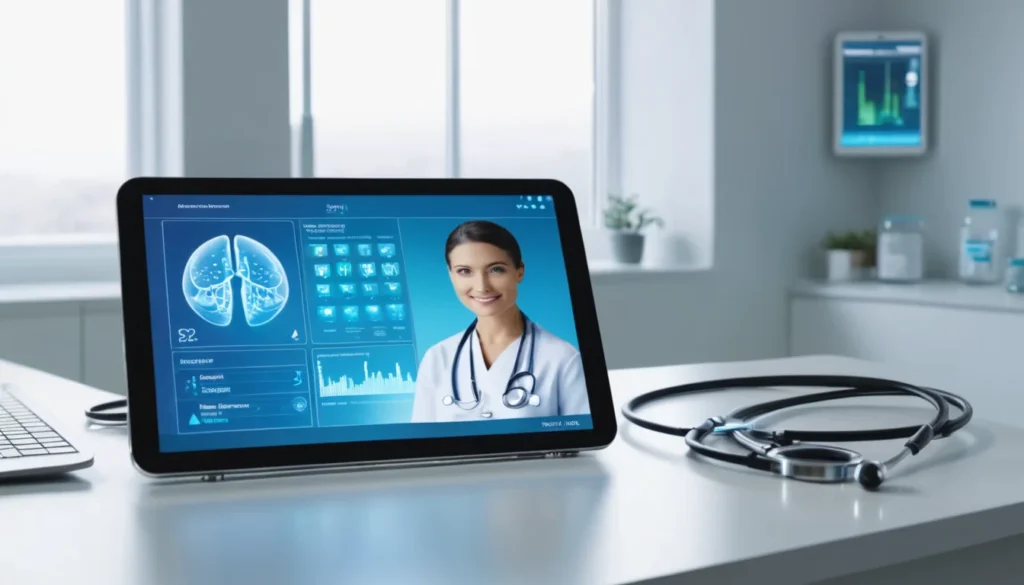
Once your profile is set up, you can share access with any healthcare provider you choose. Many apps use a unique QR code system. The doctor scans the code with their device, and your records appear instantly — but only because you approved it.
Security and Privacy of Your Health Data
Privacy is a top concern for most Canadians when it comes to health data. Reputable apps use encrypted databases to protect your information. This means your data is scrambled into unreadable code that only authorised users can unlock.
You remain in full control. Doctors can only view your records after you give them explicit permission. You can revoke that access at any time. This approach aligns with Canadian privacy laws, including PIPEDA (the Personal Information Protection and Electronic Documents Act), which governs how private companies handle personal data.
As Mayo Clinic explains in their guide to personal health records, keeping your own records can dramatically improve the quality of care you receive, especially when seeing multiple providers.
What Information Should You Store?
When setting up your digital health record, aim to include the following:
Personal details: name, date of birth, blood type, provincial health card number
Allergies: medications, foods, environmental triggers
Current medications: name, dosage, prescribing doctor
Medical history: past illnesses, surgeries, hospitalisations
Family history: hereditary conditions like diabetes or heart disease
Vaccination records: especially important since the COVID-19 pandemic
Lab results and imaging: blood tests, X-rays, ultrasounds
The more complete your record, the more useful it becomes. However, even a basic list of allergies and current medications is a great starting point.
How This Technology Is Improving Doctor-Patient Communication
One of the most powerful benefits of digital health records is how they change the conversation between patients and doctors. When a physician can review your history before the appointment, they arrive prepared. They ask better questions and make more informed decisions.
For example, a surgeon reviewing your records before a procedure can spot potential complications early. They can see past reactions to anaesthesia, existing conditions that affect healing, or medications that might interact badly with what they plan to prescribe.
As a result, fewer mistakes happen. Fewer unnecessary tests get ordered. And patients feel more confident because their doctor truly knows their story.
Benefits for Specialists and Walk-In Clinics
Specialists often see patients just once or twice. They rely heavily on referral letters and what the patient remembers. A digital health record fills in those gaps immediately.
Walk-in clinic doctors face an even greater challenge. They typically know nothing about the patient in front of them. With access to a digital health record, even a brief visit becomes much more productive and safe. The doctor can avoid prescribing something that conflicts with an existing medication, for instance.
According to the World Health Organization’s digital health initiative, tools that improve the flow of health information between patients and providers are among the most effective ways to improve health outcomes globally — and Canada is no exception.
Getting Started With a Personal Health Record App
Starting with a digital health record app is straightforward. Most apps are free to download from the App Store or Google Play. The setup process takes about 15 to 30 minutes if you have your key documents nearby.
Here is a simple step-by-step approach to get started:
Step 1: Choose a reputable app with strong privacy features and positive reviews.
Step 2: Create a secure account using a strong password and two-factor authentication.
Step 3: Gather your documents — prescription bottles, allergy lists, recent lab results.
Step 4: Enter your information carefully and completely.
Step 5: Share the app with your family doctor so they can access it at your next appointment.
Step 6: Update your records after every significant medical event.
The key is to keep your records current. An outdated digital health record can be just as problematic as no record at all. Make it a habit to update your app after each doctor visit, new prescription, or test result.
Tips for Families and Caregivers
Digital health records are especially valuable for families. Parents can manage records for their children in one organised profile. Adult children caring for elderly parents can keep track of complex medication schedules and chronic conditions.
Caregivers often become the most important link between a patient and the medical system. Having a complete digital health record ready to share at any appointment makes that role much easier and safer. It also reduces the emotional burden of trying to remember every detail under pressure.
When to See a Doctor About Your Health Records
A digital health record app is a tool to support your care — not replace professional medical advice. If you are unsure what to include in your records, or if you notice something concerning while reviewing your history, speak with a healthcare provider.
Your family doctor is the best starting point. They can help you understand past diagnoses, clarify medication details, and advise on what information is most important to keep up to date. If you do not have a family doctor, a walk-in clinic can provide guidance, and many provincial health plans offer nurse hotlines for quick questions.
Always consult your doctor before making any changes to your medications or treatment plan based on what you read — including in your own health records. Medical context matters, and a qualified professional is always your best resource.
What are digital health records and how do they work in Canada?
Digital health records are electronic files that store your personal medical history, including allergies, medications, and past diagnoses. In Canada, personal health record apps let you manage this information yourself and share it securely with any provider. You control access through features like QR codes and encrypted databases.
Are digital health record apps safe to use?
Reputable digital health records apps use encrypted storage and require your explicit permission before sharing data with anyone. Look for apps that comply with Canadian privacy laws, including PIPEDA. Always choose apps with clear privacy policies and strong user reviews before entering sensitive information.
Can my doctor in Canada access my digital health records?
Yes, but only if you give them permission. Most personal health record apps allow you to grant access by sharing a QR code or a secure link. Your doctor, specialist, or walk-in clinic provider can then view your digital health records instantly during your appointment.
What information should I include in my personal health record?
Your digital health records should include your allergies, current medications, past surgeries, chronic conditions, vaccination history, and recent lab results. Family medical history is also valuable, especially for hereditary conditions like heart disease or diabetes. The more complete your record, the more useful it is for your care team.
Are personal health record apps free in Canada?
Many personal health record apps that store digital health records are available for free download on both iOS and Android platforms. Some apps offer premium features for a monthly fee, but the core functions — storing and sharing your medical history — are typically free. Check the App Store or Google Play for currently available options.
How are digital health records different from my provincial health records?
Provincial health systems in Canada maintain their own electronic medical records, but these are managed by hospitals and clinics — not by you. A personal digital health record app lets you gather information from all your different providers in one place that you control. This is especially useful when you see doctors across different health systems or provinces.
Key Takeaways
Digital health records store your medical history securely on your smartphone, giving you control over your own health information.
These apps help doctors at walk-in clinics, family practices, and specialist offices make faster and safer decisions.
Strong encryption and consent-based sharing protect your privacy in line with Canadian law.
You should include allergies, medications, past diagnoses, vaccinations, and lab results in your personal health record.
Keeping your records updated after every medical event makes the tool far more effective.
Digital health record apps support — but do not replace — the advice of your family doctor or healthcare provider.
Most personal health record apps are free to download and easy to use for patients of all ages.