Digestive problems affect more than 40% of people worldwide, and Canadians are no exception. From bloating and nausea to stomach pain and diarrhea, these issues can seriously affect your daily life. This article explains what digestive problems are, what causes them, and when it’s time to talk to your family doctor or visit a walk-in clinic.
What Are Digestive Problems?
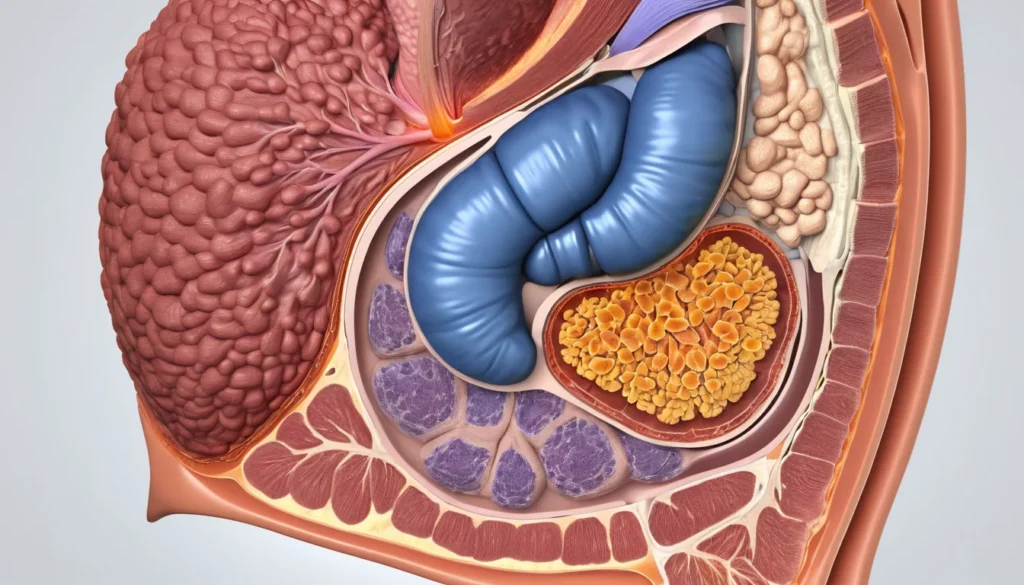
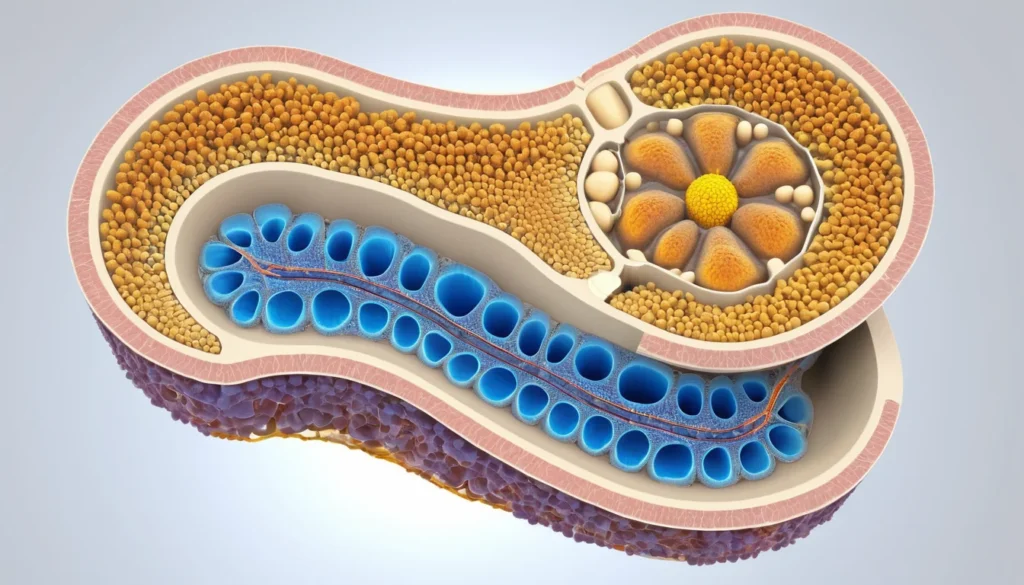
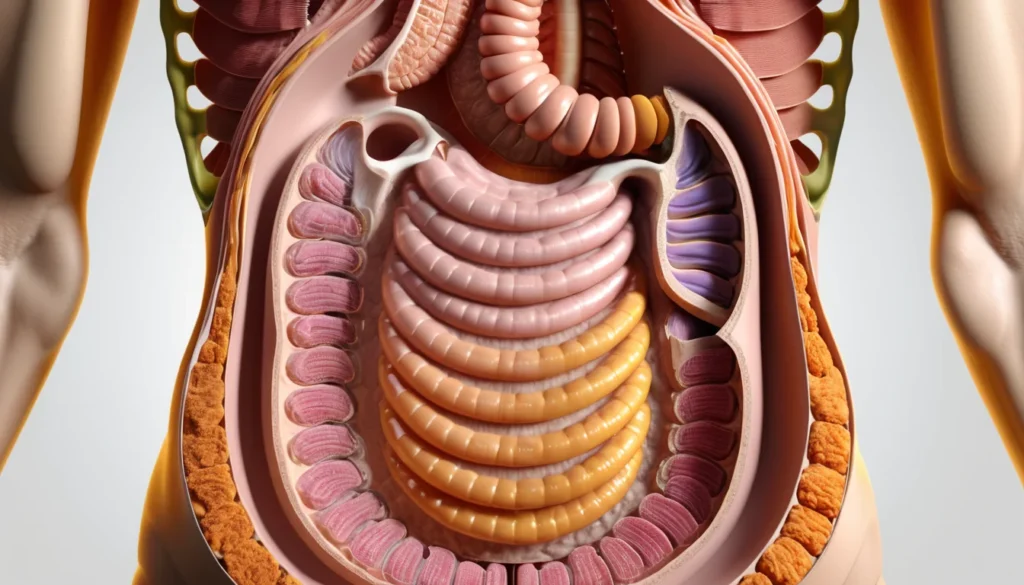
Digestive problems are conditions that affect any part of your gastrointestinal (GI) tract. This includes your mouth, throat, esophagus, stomach, small intestine, large intestine, and anal canal.
In addition, problems can also affect organs that support digestion — like the liver, pancreas, and gallbladder. When any of these parts stop working properly, you may experience a wide range of uncomfortable symptoms.
Most digestive problems are manageable with the right care. However, some can become serious if left untreated. Understanding your symptoms is the first step toward feeling better.
Common Symptoms of Digestive Problems
Digestive problems can show up in many ways. Some symptoms are very specific to your gut, while others affect your whole body.
Gut-Specific Symptoms
These are the most recognizable signs that something is off in your digestive system:
Bloating — a feeling of fullness or swelling in your belly
Nausea and vomiting
Diarrhea or constipation
Stomach pain or cramping
Acid reflux — a burning feeling in your chest or throat
Blood in stool — this always needs medical attention
Excessive gas
These symptoms can range from mild to severe. Furthermore, they can come and go depending on what you eat, your stress levels, or even the time of day.
Whole-Body Symptoms
Your gut health affects your whole body. Therefore, digestive problems can also cause:
Fatigue and low energy
Drowsiness during the day
Loss of appetite — or unusual increase in appetite
Unintended weight loss
Pale or dry skin
Brittle hair and nails
If you notice several of these symptoms together, it’s worth speaking with your family doctor. Your body may be telling you that your digestive system needs support.
What Causes Digestive Problems?
There is no single cause of digestive problems. In fact, many different factors can trigger or worsen your symptoms. Here are the most common ones.
Poor Diet
What you eat has a direct impact on your gut health. Eating too much fatty, fried, spicy, or heavily processed food puts extra strain on your digestive system. A diet low in fibre is one of the leading causes of constipation in Canada.
In addition, diets high in sugar can disrupt the balance of healthy bacteria in your gut. Eating more vegetables, fruit, and whole grains can make a significant difference.
Stress and Mental Health
Your brain and gut are closely connected — this is sometimes called the gut-brain axis. Chronic stress can change how your stomach produces acid and disrupt hormones that control digestion, such as ghrelin and gastrin.
As a result, many people notice their digestive symptoms get worse during stressful periods at work or home. Managing stress through regular activity, sleep, and social connection can help ease these symptoms.
Infections
Bacteria, viruses, and parasites can all cause digestive problems. These infections are usually spread through contaminated food, water, or saliva. Common examples include food poisoning and stomach flu (gastroenteritis).
Most infections clear up on their own within a few days. However, if symptoms are severe or last longer than 48 hours, contact your family doctor or visit a walk-in clinic.
Food Intolerances
Some people are unable to digest certain foods properly. The two most common intolerances in Canada are lactose intolerance and gluten sensitivity. Eating these foods can cause bloating, diarrhea, nausea, and stomach cramps.
If left unmanaged, repeated symptoms can lead to dehydration and electrolyte imbalances. A simple elimination diet or blood test can help identify your triggers.
Medications
Some common medications can upset your digestive system. For example, antibiotics can destroy the healthy bacteria in your gut, leading to diarrhea or yeast overgrowth. Taking too much acetaminophen (Tylenol) can also cause liver damage over time.
Always follow your pharmacist’s instructions when taking any medication. If a drug is upsetting your stomach, ask your doctor about alternatives.
Alcohol and Tobacco
Both alcohol and smoking irritate the lining of your esophagus, stomach, and intestines. Over time, this chronic irritation can lead to inflammation, ulcers, and other serious conditions. Reducing or eliminating these habits is one of the best things you can do for your digestive health.
Common Digestive Conditions in Canada
Several specific digestive problems are very common among Canadians. Here are three that send patients to their doctor most often.
Celiac Disease
Celiac disease is an autoimmune condition. When someone with celiac disease eats gluten — a protein found in wheat, barley, and rye — their immune system attacks the lining of the small intestine.
Symptoms include diarrhea, constipation, fatigue, weight loss, pale skin, and brittle nails. This condition has a genetic component and is more common in people of Northern European descent. However, it can develop at any age.
For a long time, celiac disease was underdiagnosed. Today, the gold standard for diagnosis is a duodenal biopsy taken during an upper endoscopy. Blood tests for specific antibodies (such as anti-transglutaminase and anti-endomysium) are also used. The only treatment is a strict, lifelong gluten-free diet rich in vegetables, fruit, and naturally gluten-free grains. You can learn more from Health Canada’s nutrition and food labelling resources.
Lactose Intolerance
Lactose intolerance means your body does not produce enough lactase — the enzyme needed to break down lactose (the sugar found in dairy products). As a result, eating dairy causes bloating, gas, diarrhea, nausea, and stomach cramps.
The most common form is primary lactose intolerance, which develops gradually as you age. Symptoms vary depending on how much dairy you consume and how little lactase your body makes. Many people manage this condition by reducing dairy intake or using lactase enzyme supplements available at Canadian pharmacies.
Furthermore, many lactose-intolerant Canadians can still tolerate small amounts of dairy, hard cheeses, or lactose-free products without symptoms. A registered dietitian can help you find the right balance for your diet.
Irritable Bowel Syndrome (IBS)
IBS is one of the most common digestive problems seen by family doctors across Canada. It causes recurring stomach pain, bloating, and changes in bowel habits — either diarrhea, constipation, or both. There is no single cause, but stress, diet, and gut bacteria all play a role.
IBS is a functional disorder, which means your digestive tract looks normal but does not work properly. It is not the same as inflammatory bowel disease (IBD). According to the Mayo Clinic’s overview of IBS, lifestyle changes, dietary adjustments, and stress management are often the first line of treatment.
How Lifestyle Affects Your Digestive Health
Small changes in your daily routine can have a big impact on your digestive problems. Here are evidence-based habits that support a healthy gut.
Stay active: Even 30 minutes of brisk walking each day helps your intestines move food through more efficiently, reducing constipation.
Eat more fibre: Aim for 25–38 grams of fibre per day from vegetables, fruit, legumes, and whole grains.
Stay hydrated: Drinking enough water softens stool and supports healthy digestion.
Eat slowly: Rushing meals leads to swallowing air, which causes bloating and gas.
Limit processed foods: These are often low in fibre and high in additives that irritate the gut.
Manage stress: Try deep breathing, walking, or talking to a mental health professional.
These changes won’t fix every digestive condition. However, they form a strong foundation for better gut health. For more information on healthy eating, visit Healthline’s guide to improving digestion naturally.
When to See a Doctor About Digestive Problems
Many digestive problems improve on their own with rest and dietary changes. However, some symptoms are warning signs that need prompt medical attention.
See your family doctor or visit a walk-in clinic if you experience:
Blood in your stool or vomit
Unexplained weight loss
Severe or persistent stomach pain
Symptoms that last longer than two weeks
Difficulty swallowing
Jaundice (yellowing of the skin or eyes)
Persistent vomiting that prevents you from keeping fluids down
In Canada, your family doctor is your first point of contact. They can order blood tests, refer you to a gastroenterologist (a digestive specialist), or recommend imaging. If you do not have a family doctor, most provincial health plans cover walk-in clinic visits for these concerns. You do not need to suffer in silence — help is available.
Always consult a qualified healthcare provider before making major changes to your diet or stopping any medication. This article is for informational purposes only and is not a substitute for professional medical advice.
Frequently Asked Questions About Digestive Problems
What are the most common digestive problems in Canada?
The most common digestive problems in Canada include irritable bowel syndrome (IBS), acid reflux, lactose intolerance, celiac disease, and constipation. These conditions affect people of all ages and can often be managed with dietary changes and medical support. If your symptoms are ongoing, speak with your family doctor for a proper diagnosis.
When should I be worried about digestive problems?
You should seek medical attention for digestive problems if you notice blood in your stool, severe stomach pain, unexplained weight loss, or symptoms that last more than two weeks. These can be signs of a more serious condition that needs investigation. Visit your family doctor or a walk-in clinic as soon as possible.
Can stress cause digestive problems?
Yes, stress is a well-known trigger for digestive problems. Your brain and gut are closely linked through the nervous system, so anxiety and chronic stress can increase stomach acid, disrupt gut hormones, and slow or speed up digestion. Managing stress through exercise, sleep, and relaxation techniques can significantly improve your symptoms.
What foods should I avoid if I have digestive problems?
Common trigger foods for digestive problems include fried and fatty foods, spicy dishes, processed snacks, alcohol, and caffeine. People with specific conditions like lactose intolerance or celiac disease also need to avoid dairy or gluten-containing foods respectively. Keeping a food diary can help you identify your personal triggers.
Are digestive problems covered under provincial health plans in Canada?
Yes, visits to your family doctor or a walk-in clinic for digestive problems are covered under most provincial and territorial health plans in Canada. Specialist referrals to a gastroenterologist are also typically covered, though wait times may vary by province. Diagnostic tests like blood work and colonoscopies are generally covered when medically necessary.
How can I improve my digestive health naturally?
You can improve digestive health naturally by eating a high-fibre diet with plenty of vegetables, fruit, and whole grains, staying well hydrated, and exercising regularly. Reducing processed food, alcohol, and tobacco also makes a big difference for many people with digestive problems. Always speak with your doctor before making major dietary changes, especially if you have a diagnosed condition.
Key Takeaways
Digestive problems affect your stomach, intestines, and supporting organs like the liver and pancreas.
Common symptoms include bloating, nausea, stomach pain, diarrhea, constipation, and acid reflux.
Main causes include poor diet, chronic stress, food intolerances, infections, and certain medications.
Celiac disease, lactose intolerance, and IBS are among the most common digestive conditions in Canada.
Simple lifestyle changes — more fibre, regular activity, stress management — can significantly improve symptoms.
See your family doctor or visit a walk-in clinic if symptoms are severe, include blood, or last more than two weeks.
Most digestive care is covered under Canadian provincial health plans — you don’t need to manage this alone.