Your digestive health affects nearly every part of your daily life. From the moment you eat, your body works hard to break down food, absorb nutrients, and remove waste. However, when something goes wrong in this system, you may notice symptoms like bloating, burping, gas, or changes in your bowel movements. This article explains what these symptoms mean, what causes them, and when it is time to call your family doctor or visit a walk-in clinic.
How Your Digestive System Works
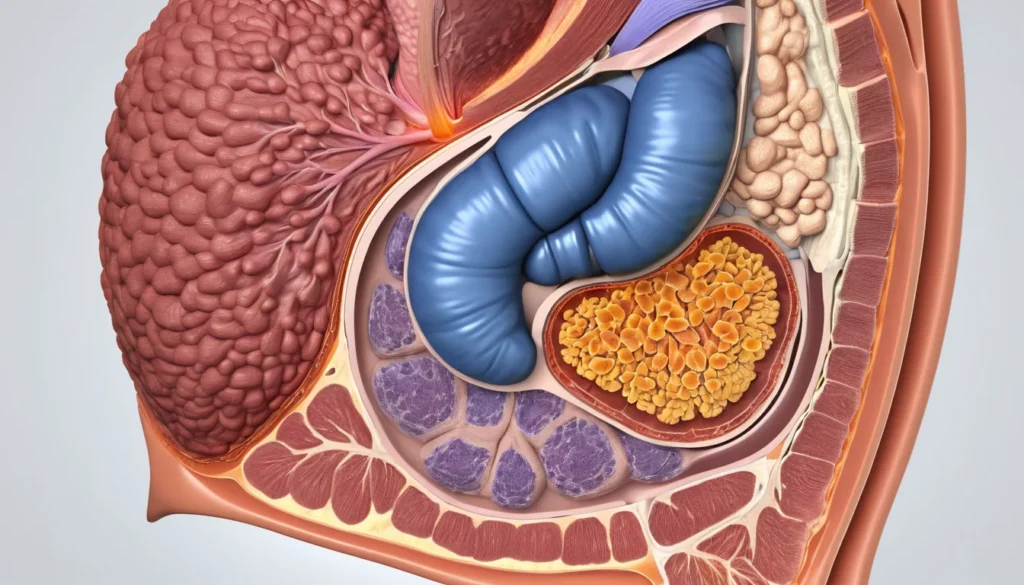
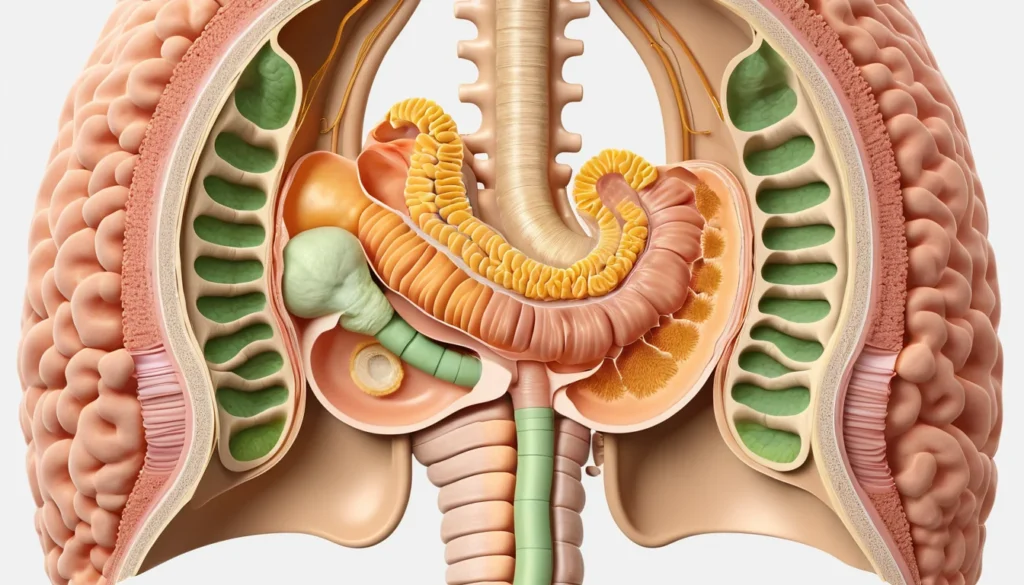
Your digestive system is a long muscular tube that starts at your mouth and ends at your anus. It includes your throat, esophagus, stomach, small intestine, large intestine, and rectum. Several important organs support this process, including the liver, pancreas, gallbladder, and salivary glands.
The main job of your digestive tract is to turn food into nutrients your body can use for energy. Digestion happens mostly in the stomach and small intestine. There, proteins, fats, and carbohydrates break down into tiny molecules that pass into your bloodstream.
Your large intestine then reabsorbs excess water. Whatever is left over becomes stool and leaves your body. When any part of this system does not work properly, your digestive health suffers and symptoms appear.
Common Digestive Symptoms
Digestive problems are among the most common health issues Canadians face. In fact, most people will experience at least one digestive condition in their lifetime. Common symptoms include nausea, vomiting, diarrhoea, constipation, and bloating.
According to Health Canada, digestive disorders affect millions of Canadians every year. Many of these conditions are manageable with the right care and lifestyle changes.
Stomach Gurgling and Bowel Sounds
Have you ever heard your stomach rumble loudly, especially after a meal? These sounds are completely normal. Doctors call them borborygmi, which is a medical term for the gurgling or rumbling noises your gut makes.
These sounds come from peristalsis — the wave-like muscle contractions that push food, liquid, and gas through your digestive tract. Your stomach and intestines make these noises all the time. However, the sounds are much louder after you eat.
When Gurgling May Signal a Problem
Loud or frequent gurgling on its own is usually harmless. However, if it comes with bloating, gas, cramping, or diarrhoea, it may point to an underlying digestive health issue. Some possible causes include:
Intestinal parasites
Intestinal blockage
Gastritis (inflammation of the stomach lining)
Irritable bowel syndrome (IBS)
Irritable bowel syndrome is one of the most common digestive conditions in Canada. It causes bloating, abdominal pain, and changes in bowel habits. IBS is an umbrella term that includes conditions like colitis and Crohn’s disease.
Burping and Digestive Health
Burping — also called eructation — is a normal part of digestive health. It is your body’s way of releasing air that builds up in your stomach. Burping two to four times after a meal is perfectly normal.
Several everyday habits can cause more frequent burping. These include drinking carbonated beverages, chewing gum, or eating too quickly. All of these cause you to swallow extra air, which your stomach then releases.
Foods That Cause Burping and Gas
A diet high in certain foods can increase burping and intestinal gas. Common culprits include dairy products, artificial sweeteners, starchy carbohydrates, and high-fibre foods. However, since many of these foods are good for you, cutting them out completely is not the answer.
As a result, it is better to eat smaller portions and eat slowly. This gives your body more time to digest and reduces the amount of air you swallow.
When Burping Is More Serious
Frequent or severe burping can sometimes be a sign of a more serious condition. For example, it may be linked to lactose intolerance, which means your body lacks the enzyme needed to digest dairy properly. Furthermore, it can be a symptom of gastroesophageal reflux disease (GERD), where stomach acid flows back up into the esophagus.
Other conditions that may cause excessive burping include:
Irritable bowel syndrome (IBS)
Stomach ulcers
Gallbladder disease or gallstones
Hiatal hernia
Colon cancer
In rare cases, severe burping paired with nausea and vomiting can be an early warning sign of a heart attack. Seek emergency care immediately if you experience these symptoms alongside chest pain or shortness of breath.
You can learn more about GERD and its symptoms from the Mayo Clinic’s guide to gastroesophageal reflux disease.
Flatulence: Gas and Bloating
The average person produces up to 1.7 litres of intestinal gas every single day. Passing this gas regularly is called flatulence. While it can be embarrassing, it is a completely normal part of digestive health.
Intestinal gas is made up of several gases, including carbon dioxide, oxygen, nitrogen, and hydrogen. Some people also produce methane. Fortunately, most intestinal gas has no odour at all.
What Causes Smelly Gas?
When gas does smell, sulphur is usually the cause. Foods that are high in sulphur include broccoli, cauliflower, cabbage, eggs, garlic, onions, and dairy products. These foods are good for you, so you do not need to avoid them entirely.
In addition, food preservatives called sulphites can also cause odorous gas. These are found in foods like dried fruit and some processed products. Reading food labels can help you identify and limit these ingredients if gas is a concern.
Bloating and Meteorism
Bloating — known medically as meteorism — is the uncomfortable feeling of fullness or swelling in your abdomen. It happens when gas builds up in your stomach or intestines faster than your body can release it. Bloating is extremely common and affects people of all ages across Canada.
Therefore, if you experience bloating regularly, it may help to keep a food diary. Tracking what you eat and when you feel bloated can help your family doctor identify patterns and possible triggers.
Changes in Stool Colour and Consistency
Your stool can tell you a lot about your digestive health. Normal stool is usually medium to dark brown. However, changes in colour or consistency can sometimes indicate a problem worth investigating.
Green or Yellow Stool
Green stool can happen when food moves through your intestines too quickly. It can also result from eating large amounts of leafy green vegetables or foods with green dye. Yellow stool may suggest a problem absorbing fat, which can be linked to conditions like celiac disease or a pancreas issue.
Orange Stool
Orange stool is often caused by eating foods high in beta-carotene, such as carrots, sweet potatoes, or squash. It can also result from certain medications. In most cases, orange stool is harmless and temporary.
Pale or Greasy Stool (Steatorrhoea)
Pale, greasy, or foul-smelling stool that floats in the toilet may be a sign of steatorrhoea. This condition means your body is not absorbing fat properly. It can be linked to celiac disease, pancreatitis, or other digestive disorders. This type of change in stool warrants a conversation with your doctor.
For a detailed overview of stool changes and what they mean, visit Healthline’s guide to stool types and digestive health.
When to See a Doctor
Many digestive symptoms are mild and go away on their own. However, some signs suggest you should contact your family doctor or visit a walk-in clinic right away. Do not ignore symptoms that are new, worsening, or interfering with your daily life.
See a doctor if you experience any of the following:
Persistent bloating, gas, or abdominal pain lasting more than a few days
Blood in your stool or vomit
Unexplained weight loss
Severe or frequent vomiting
Diarrhoea or constipation that does not improve
Difficulty swallowing
Stool that is consistently pale, greasy, or very dark
If you do not have a family doctor, most provincial health plans in Canada cover visits to walk-in clinics. Many provinces also offer telehealth services where you can speak with a nurse or doctor by phone or video at no cost. Check your provincial health authority’s website for options in your area.
Always consult a qualified healthcare provider before making changes to your diet or lifestyle based on digestive symptoms. Only a doctor can properly diagnose the cause of your symptoms and recommend the right treatment for you.
Frequently Asked Questions About Digestive Health
What are the most common signs of poor digestive health?
Common signs of poor digestive health include frequent bloating, gas, burping, diarrhoea, constipation, and abdominal pain. Changes in your stool colour or consistency can also be warning signs. If these symptoms persist for more than a few days, speak with your family doctor or visit a walk-in clinic.
Is burping a lot a sign of a digestive problem?
Burping occasionally is a normal part of digestive health and usually means your body is releasing swallowed air. However, excessive burping paired with nausea, heartburn, or abdominal pain may signal conditions like GERD, lactose intolerance, or stomach ulcers. A doctor can help identify the underlying cause.
What foods are bad for digestive health?
Foods that commonly trigger digestive health issues include highly processed foods, artificial sweeteners, carbonated drinks, fried foods, and excessive alcohol. Dairy products can cause problems for people with lactose intolerance. Eating a balanced diet rich in whole foods and fibre generally supports a healthy digestive system.
What does it mean if my stool is a different colour?
Stool colour can reflect your digestive health and what you have eaten. Green or yellow stool may mean food is moving too quickly through your gut, while pale or greasy stool can suggest a fat absorption problem. Black or red stool may indicate bleeding in the digestive tract and should be assessed by a doctor immediately.
What is irritable bowel syndrome (IBS)?
Irritable bowel syndrome (IBS) is one of the most common digestive health conditions in Canada. It causes symptoms like abdominal cramping, bloating, and changes in bowel habits such as diarrhoea or constipation. IBS is a long-term condition, but many Canadians manage it well with dietary changes, stress reduction, and guidance from their doctor.
How can I improve my digestive health naturally?
You can support your digestive health by eating a diet high in fibre, drinking plenty of water, exercising regularly, and managing stress. Eating slowly and avoiding large meals can also reduce bloating and gas. However, always speak with your family doctor before making major changes, especially if you already have digestive symptoms.
Key Takeaways
Your digestive health depends on a complex system of organs working together to break down food and absorb nutrients.
Stomach gurgling, burping, and gas are usually normal, but can signal a problem when paired with other symptoms.
Flatulence and bloating are common and often linked to diet, especially foods high in fibre or sulphur.
Changes in stool colour or consistency can offer important clues about your digestive health.
Conditions like IBS, GERD, lactose intolerance, and gallbladder disease can all cause digestive symptoms.
If symptoms are persistent, severe, or include blood, contact your family doctor or a walk-in clinic right away.
Most provincial health plans in Canada cover digestive health consultations — do not hesitate to seek help.