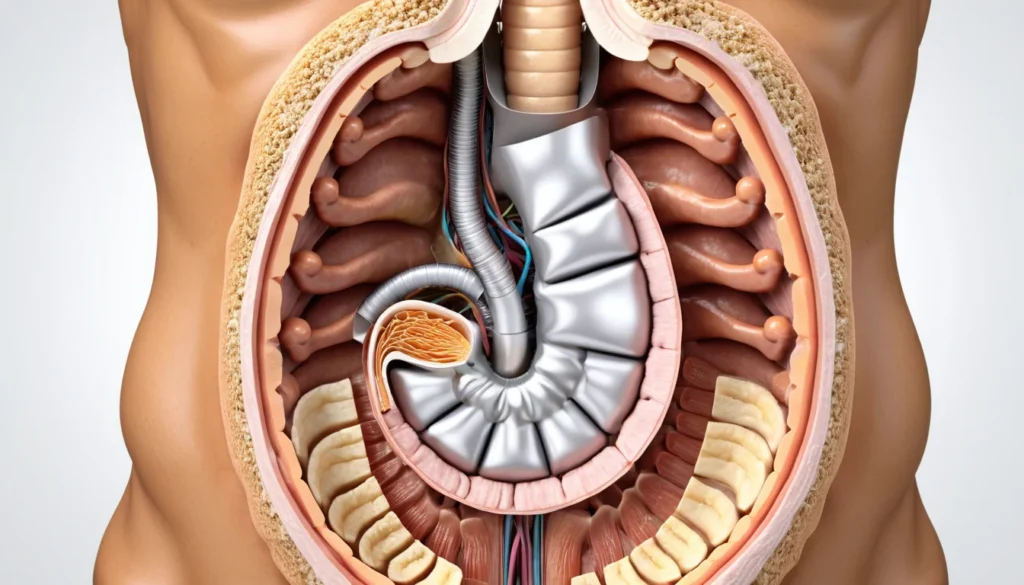
Digestion is the process your body uses to break down food and absorb the nutrients it needs to function. Every time you eat, a remarkable chain of mechanical and chemical events begins — one that involves your mouth, stomach, and intestines working together. Understanding how digestion works can help you recognise when something feels off and when it might be time to speak with your family doctor.
What Is Digestion?
Digestion is both a mechanical and a biochemical process. Mechanically, your body physically breaks food into smaller pieces. Biochemically, enzymes and acids break those pieces down even further so your body can absorb them.
Together, these two processes transform a meal into the proteins, carbohydrates, fats, vitamins, and minerals your cells need. Without efficient digestion, your body cannot get proper nutrition — even from a healthy diet.
According to Health Canada, good digestive health is closely linked to overall well-being, including immune function, mental health, and energy levels.
How Digestion Begins: Swallowing and the Esophagus
Digestion actually starts in your mouth. As you chew, your saliva begins breaking down carbohydrates. Once you swallow, the food — now called a bolus — travels to the back of your throat and into your esophagus.
Your esophagus is a muscular tube that connects your throat to your stomach. It moves food downward using a wave-like squeezing motion called peristalsis. This is an involuntary action, meaning your body does it automatically without any conscious effort on your part.
Peristalsis is remarkably efficient. Even if you were lying upside down, your esophagus could still move food toward your stomach. The process takes only a few seconds from swallow to arrival.
Digestion in the Stomach
Your stomach is a muscular, J-shaped organ that can hold roughly one litre of food at a time. Once food arrives, the stomach gets to work on several important tasks simultaneously.
Mechanical Breakdown in the Stomach
Small muscular contractions ripple through the stomach wall about every 20 seconds. These contractions churn the food and mix it thoroughly with digestive secretions. The result is a thick, soupy liquid called chyme.
This mechanical action helps break large pieces of food into much smaller particles. It also ensures that every part of the food comes into contact with the stomach’s powerful digestive fluids.
Chemical Breakdown and Sterilisation
Your stomach lining contains millions of tiny gastric glands. These glands produce hydrochloric acid and digestive enzymes, most notably pepsin. Pepsin is essential for breaking down proteins into smaller fragments.
The hydrochloric acid does two important jobs. First, it creates the strongly acidic environment that pepsin needs to work. Second, it partially sterilises the food by killing many harmful bacteria and pathogens that may have come along for the ride.
Therefore, your stomach acts as both a food processor and a first line of defence against foodborne illness. This is why stomach acid, despite its harsh reputation, is actually vital to your health.
The Pylorus: Gateway to the Small Intestine
At the bottom of your stomach sits a muscular ring called the pylorus, or pyloric sphincter. This ring controls when and how much chyme moves out of the stomach. It opens periodically to release small amounts of chyme into the first section of the small intestine, called the duodenum.
This controlled release is important. It prevents the intestine from being overwhelmed and gives your body time to process each portion properly. For more detail on how stomach function affects overall health, the Mayo Clinic offers reliable guidance on digestive system health.
Digestion in the Small Intestine
The small intestine is where most of the real work of digestion takes place. Despite its name, it is actually quite long — stretching about six to seven metres in an adult. It is divided into three sections: the duodenum, the jejunum, and the ileum.
The Role of the Pancreas and Bile
The small intestine cannot do its job alone. It relies heavily on two outside helpers: the pancreas and the liver (via bile from the gallbladder).
Your pancreas releases a fluid rich in enzymes. These enzymes break down proteins into amino acids, carbohydrates into simple sugars, and fats into monoglycerides and fatty acids. Without pancreatic enzymes, digestion would be dramatically less efficient.
Bile, produced by your liver and stored in your gallbladder, plays a special role in fat digestion. It acts like a detergent, breaking large fat droplets into smaller ones. This process — called emulsification — gives pancreatic enzymes a much greater surface area to work on.
Nutrient Absorption Along the Small Intestine
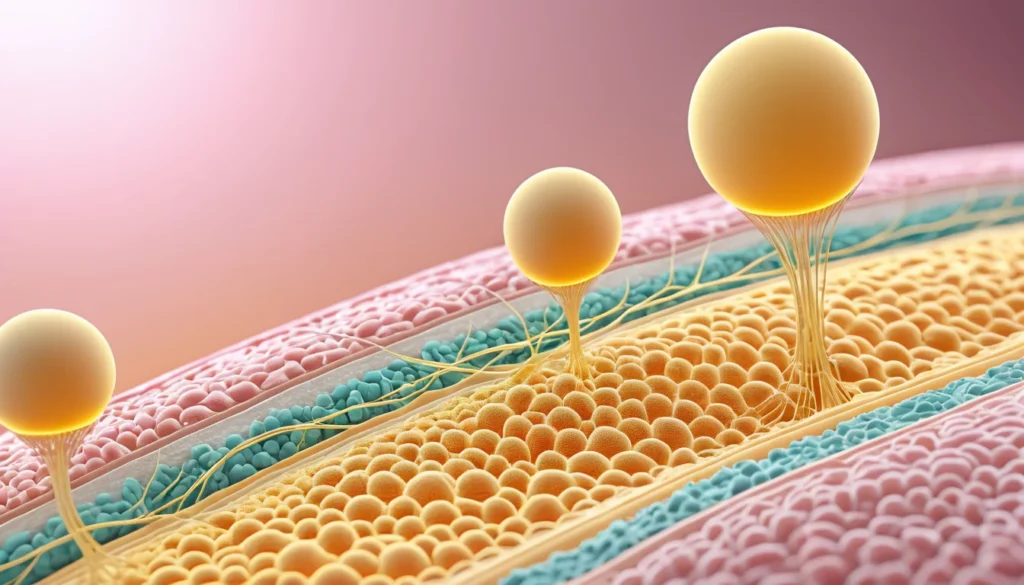
As digestion breaks nutrients down, the intestinal wall absorbs them immediately. Specialised cells called enterocytes line the intestinal wall and act as gatekeepers, allowing digested nutrients to pass from the gut into the bloodstream.
Different nutrients are absorbed in different sections. In the duodenum, your body preferentially absorbs iron, calcium, and several vitamins. Carbohydrates and fats are absorbed in the duodenum and the jejunum. Bile salts, which need to be recycled by the liver, are absorbed further along in the ileum.
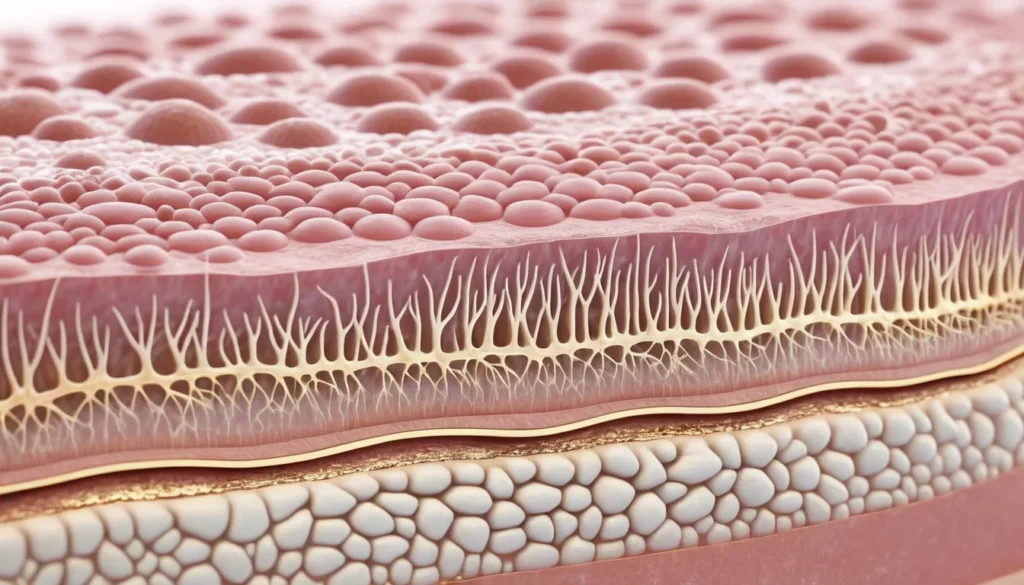
Furthermore, the inner lining of the small intestine is covered in tiny finger-like projections called villi, and even tinier projections called microvilli. These structures dramatically increase the surface area available for absorption — by up to 600 times compared to a flat surface.
Digestion in the Large Intestine
Any material that was not absorbed in the small intestine moves onward through more peristaltic contractions into the large intestine, also called the colon. By this point, most of the useful nutrients have already been extracted.
The colon’s main jobs are to absorb water and electrolytes, and to compact what remains into stool. However, one more form of digestion does occur here: microbial fermentation.
The Role of Gut Bacteria
Your colon is home to trillions of bacteria, collectively known as your gut microbiome. These bacteria ferment undigested fibre and other materials. While this process does not contribute significantly to calorie absorption, it does produce short-chain fatty acids that help nourish the colon lining.
A healthy and diverse gut microbiome is increasingly linked to better immune health, reduced inflammation, and even positive effects on mood and behaviour. Eating a diet rich in plant-based fibre supports a healthy microbiome. Healthline provides an in-depth look at the gut microbiome and its effects on health.
In addition, the colour and consistency of your stool can reflect how well your digestion is working. Changes in bowel habits that persist for more than a week or two are always worth discussing with a health professional.
Common Factors That Affect Digestion
Many everyday factors influence how well your digestive system functions. Being aware of them can help you make small changes that have a real impact on your comfort and health.
Fibre intake: A diet low in fibre slows digestion and can lead to constipation. Most Canadians do not get enough dietary fibre each day.
Hydration: Water is essential for moving food through your digestive tract and softening stool. Aim for at least 8 cups of fluid per day.
Physical activity: Regular movement stimulates peristalsis and helps prevent sluggish digestion.
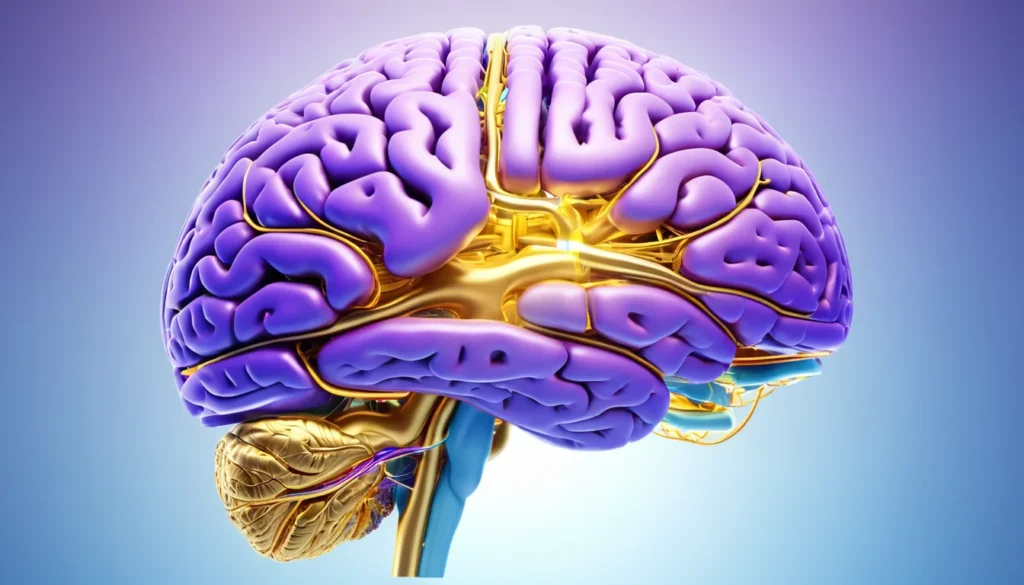
Stress: The gut and brain are closely connected through what is known as the gut-brain axis. High stress can disrupt digestive function and worsen conditions like irritable bowel syndrome (IBS).
Eating habits: Eating too quickly, skipping meals, or eating very large portions can all interfere with normal digestion.
Medications: Some common medications, including certain antibiotics and pain relievers, can disrupt gut bacteria or irritate the stomach lining.
When to See a Doctor
Occasional digestive discomfort — like bloating after a large meal or a brief bout of indigestion — is very common and usually harmless. However, some symptoms deserve prompt attention from a healthcare provider.
You should speak with your family doctor or visit a walk-in clinic if you experience any of the following:
Persistent abdominal pain or cramping that does not go away
Blood in your stool or very dark, tarry stools
Unexplained weight loss
Difficulty swallowing or food that feels stuck
Chronic heartburn or acid reflux more than twice a week
Changes in bowel habits lasting longer than two weeks
Nausea or vomiting that is frequent or unexplained
Most provincial health plans in Canada cover visits to a family doctor for digestive concerns. If you do not have a family doctor, a walk-in clinic is a good first step. Early assessment can catch conditions like celiac disease, inflammatory bowel disease, or colorectal cancer at a much more treatable stage.
This article is for informational purposes only. Always consult your doctor or a qualified healthcare provider for personal medical advice.
Frequently Asked Questions About Digestion
How long does digestion take from start to finish?
The full digestion process typically takes between 24 and 72 hours, depending on what you ate and your individual metabolism. Food spends about 4–5 hours in the stomach and up to 5 hours moving through the small intestine. The large intestine can hold material for 10–59 hours before it is expelled as stool.
What are the signs of poor digestion?
Common signs of poor digestion include bloating, gas, heartburn, constipation, diarrhoea, and stomach cramps. Fatigue after meals and frequent indigestion can also point to a digestion issue. If these symptoms are persistent, it is worth speaking with your family doctor or visiting a walk-in clinic.
What foods help improve digestion?
Foods high in fibre — such as fruits, vegetables, legumes, and whole grains — support healthy digestion by keeping food moving through the gut. Fermented foods like yogurt, kefir, and sauerkraut can also support a healthy gut microbiome. Staying well hydrated throughout the day is equally important for smooth digestion.
Can stress affect your digestion?
Yes — stress has a direct and well-documented effect on digestion through the gut-brain axis. When you are stressed, your body can slow or disrupt normal digestive function, leading to symptoms like nausea, cramping, or changes in bowel habits. Managing stress through exercise, sleep, and relaxation techniques can meaningfully improve digestive health.
What is the difference between digestion and absorption?
Digestion is the process of breaking food down into smaller molecules, while absorption is the process of those molecules passing through the intestinal wall into the bloodstream. Both steps are essential — good digestion means little without proper absorption. The small intestine is primarily responsible for both processes in the human body.
Why does digestion slow down with age?
As we age, the muscles of the digestive tract can weaken, and the production of stomach acid and digestive enzymes may decrease. This can lead to slower digestion, increased constipation, and reduced nutrient absorption. Eating a fibre-rich diet, staying active, and drinking plenty of fluids can help support healthy digestion as you get older.
Key Takeaways
Digestion is a complex mechanical and chemical process that begins the moment you swallow food.
Your stomach stores and partially breaks down food using acid and enzymes, particularly pepsin.
The small intestine — with help from the pancreas and bile — is where most nutrient digestion and absorption occurs.
Different nutrients are absorbed in different parts of the intestine, including iron and calcium in the duodenum, and fats and carbohydrates in the jejunum.
The large intestine absorbs water and hosts trillions of gut bacteria that ferment fibre and support immune health.
A diet rich in fibre, regular physical activity, good hydration, and stress management all support healthy digestion.
Persistent or unusual digestive symptoms should always be assessed by your family doctor or at a walk-in clinic covered under your provincial health plan.