Diarrhea in kids is one of the most common health concerns Canadian parents face, especially during the summer months. When children spend more time outdoors, at camps, or visiting family, they are exposed to more bacteria, viruses, and parasites than usual. Warm weather also speeds up bacterial growth in food, which raises the risk of food poisoning and sudden, severe diarrhea. This article explains the causes, prevention tips, and treatments — and tells you exactly when to seek help from your family doctor or local walk-in clinic.
Why Diarrhea in Kids Gets Worse in Summer
Summer creates the perfect conditions for the bugs that cause diarrhea. Heat allows bacteria in food and water to multiply much faster than in cooler months. Children also tend to be less careful about hand-washing when they are busy playing outside.
Day camps and overnight camps add another layer of risk. Large group settings mean food is prepared in bulk, and hygiene standards in camp kitchens are not always consistent. One contaminated dish can affect many children at once.
In addition, kids are more likely to drink from garden hoses, streams, or other unpotable water sources during summer play. This habit can introduce harmful organisms directly into their digestive systems.
What Is Acute Diarrhea and What Are the Signs?
Acute diarrhea means loose or watery stools that happen suddenly and last a short time — usually less than two weeks. It is a key sign that something has irritated or infected the digestive tract. In most cases, a virus, bacterium, or parasite is responsible.
The infection spreads through contaminated food or water, or from person to person when hand hygiene is poor. Children in group settings like schools, camps, and daycares are especially vulnerable to this kind of spread.
Common Symptoms to Watch For
Children with diarrhea caused by infection often experience several symptoms at once. These can include nausea, vomiting, stomach cramps, and a fever. Some children also lose their appetite and feel weak or tired.
Symptoms usually appear within three to twenty-four hours of eating or drinking something contaminated. As a result, parents may not immediately connect the illness to a specific meal or outing. Dehydration is the most serious risk, particularly in younger children, because their bodies lose fluids very quickly.
Common Causes of Diarrhea in Kids
Understanding what causes diarrhea in kids helps parents take the right steps quickly. There are several categories of causes, ranging from infections to diet and underlying health conditions.
Viral Infections
Viruses are the most common cause of diarrhea in children. Rotavirus and norovirus are frequent culprits, especially in younger kids. These infections spread easily in group settings and usually clear up on their own within a few days.
However, the fluid loss during a viral episode can still be dangerous. Keeping your child well-hydrated is the most important step while the virus runs its course. Health Canada recommends oral rehydration solutions as the first line of treatment for fluid replacement in children.
Bacterial Infections and Food Poisoning
Bacteria such as Escherichia coli (E. coli), Salmonella, and Staphylococcus aureus are common causes of food poisoning and diarrhea in kids. These organisms thrive in food that is improperly stored, undercooked, or handled with unclean hands.
Foods most often linked to bacterial contamination include raw or undercooked meat, fish, shellfish, eggs, deli meats, and unpasteurized dairy products. Salads left out in warm weather are also a frequent source of trouble at summer gatherings.
Furthermore, poor sanitation in restaurant kitchens or camp cafeterias raises the risk significantly. Most harmful bacteria cannot survive high cooking temperatures, so proper cooking is one of the best defences against food poisoning.
Parasitic Infections
Parasites like Giardia lamblia are another cause of diarrhea in kids, particularly when children drink from natural water sources like lakes or streams. Parasitic infections can last longer than viral or bacterial ones and may need specific treatment from a doctor.
If your child has ongoing diarrhea that does not improve after a week, a parasitic infection could be the reason. Your family doctor can order a stool test to check for parasites. According to the World Health Organization’s fact sheet on diarrhoeal disease, parasitic infections are a leading cause of persistent diarrhea worldwide.
Diet, Allergies, and Other Causes
Not all diarrhea comes from infection. Children can also develop loose stools from drinking too many sugary beverages, such as fruit juice or soft drinks. The high sugar content draws extra fluid into the intestines, causing diarrhea.
Food allergies and intolerances are another common trigger. Lactose intolerance, for example, means the body cannot properly digest the sugar found in dairy products. Conditions like celiac disease, Crohn’s disease, and ulcerative colitis can also cause ongoing or recurring diarrhea in children.
If your child seems to get diarrhea regularly after eating certain foods, speak with your family doctor. A proper diagnosis will help you manage their diet safely.
How to Prevent Diarrhea in Kids This Summer
Prevention is always better than treatment. While you cannot always protect your child from every germ, several practical steps can greatly reduce their risk of getting diarrhea this summer.
Wash hands thoroughly and often. Handwashing is the single most effective way to prevent the spread of diarrhea-causing infections. Teach children to wash for at least twenty seconds with soap and water, especially before eating and after using the bathroom.
Rinse all fruits and vegetables. Wash produce under clean running water before eating or preparing it, even if it looks clean.
Cook and store meat safely. Cook meat to the proper internal temperature and refrigerate or freeze it promptly after purchase. Never leave cooked meat sitting out in warm weather.
Avoid unpotable water. Do not let children drink from garden hoses, lakes, streams, or any water source that is not confirmed safe for drinking.
Be cautious with street food and buffets. Food that sits out in warm temperatures for extended periods can become a breeding ground for bacteria.
Keep bathroom surfaces clean. Wipe down toilet handles, taps, and countertops regularly, especially when someone in the household is ill.
Wash dishes that touched raw meat. Use hot, soapy water to clean any utensils, cutting boards, or dishes that came into contact with raw meat or fish.
How to Treat Diarrhea in Kids at Home
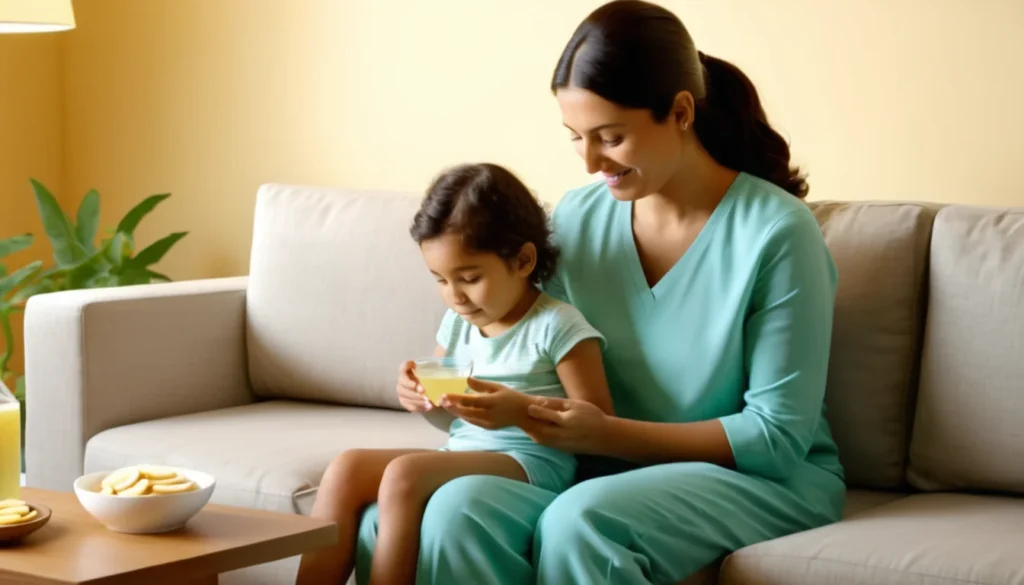
Mild cases of diarrhea in kids can often be managed safely at home. The most important goal is to prevent dehydration. Offer your child small sips of fluid frequently rather than large amounts at once.
Oral rehydration solutions, available at most Canadian pharmacies without a prescription, are the most effective way to replace lost fluids and electrolytes. Water alone does not replace the salts and minerals that the body loses during diarrhea. Sports drinks and fruit juices are not ideal choices because they contain too much sugar.
Diet During Recovery
Many parents wonder what to feed a child with diarrhea. A bland, easy-to-digest diet can help calm the digestive system. Good options include plain white rice, boiled or baked chicken, hard-boiled eggs, cooked carrots, and baked apples.
Avoid high-fat foods, spicy foods, and sugary snacks until your child has fully recovered. Dairy products may make symptoms worse in some children, so it is worth reducing them temporarily. Herbal teas such as mild peppermint tea may help soothe an upset stomach.
According to the Mayo Clinic’s guide to diarrhea treatment, most children with mild diarrhea do not need antibiotics. In fact, giving antibiotics unnecessarily can make things worse in some cases.
Natural and Supportive Remedies
Some plant-based remedies have gentle antidiarrheal and antibacterial properties that may support recovery. Ingredients like fennel, anise, and rosemary have traditional uses in soothing digestive discomfort, reducing gas, and easing cramping.
However, always check with your child’s doctor or pharmacist before giving any herbal remedy. Natural does not always mean safe for every child, especially those with allergies or other health conditions.
When to See a Doctor
Most mild cases of diarrhea in kids improve within two to three days with rest and fluids. However, some situations require prompt medical attention. Do not wait — contact your family doctor, visit a walk-in clinic, or go to the nearest emergency department if your child shows any of the following signs.
Loose stools lasting more than three days without improvement
Signs of dehydration — dry mouth, no tears when crying, sunken eyes, or no wet diapers for several hours
Fever above 39°C (102°F), or any fever in an infant under three months
Blood or mucus in the stool
Severe stomach pain or cramping that does not ease
Repeated vomiting that prevents keeping fluids down
Skin rash appearing alongside digestive symptoms
Noticeable weight loss or extreme weakness
Your provincial health plan covers visits to your family doctor and walk-in clinic for these concerns. If you are unsure whether your child’s symptoms need in-person care, you can also call your provincial telehealth line — for example, Health811 in Ontario or 8-1-1 in British Columbia — to speak with a registered nurse at no cost.
Always consult your child’s doctor before starting any new treatment, whether it is a herbal remedy, a special diet, or an over-the-counter medication. Every child is different, and professional guidance ensures the safest outcome.
Frequently Asked Questions About Diarrhea in Kids
How long does diarrhea in kids usually last?
Most cases of diarrhea in kids caused by a virus or mild food poisoning last between two and five days. If symptoms continue beyond a week, or if your child seems to be getting worse rather than better, visit your family doctor or a walk-in clinic for an assessment.
What is the best drink for a child with diarrhea?
Oral rehydration solutions, such as Pedialyte, are the best choice for replacing fluids lost during diarrhea in kids. Water is helpful too, but it does not replace electrolytes like sodium and potassium. Avoid sugary juices and sports drinks, as they can make diarrhea worse.
Should I stop feeding my child solid food when they have diarrhea?
No — it is generally safe and helpful to continue offering food to a child with diarrhea, as long as they feel up to eating. Stick to bland, easy-to-digest foods like plain rice, boiled chicken, cooked carrots, and baked apples. Keeping up nutrition helps the body recover faster.
Can food poisoning cause diarrhea in kids?
Yes, food poisoning is a very common cause of sudden diarrhea in kids, especially during summer when food spoils more quickly in warm weather. Symptoms like nausea, vomiting, stomach cramps, and diarrhea usually appear within a few hours of eating contaminated food. Most mild cases improve with rest and fluids at home.
When is diarrhea in kids considered a medical emergency?
Diarrhea in kids becomes a medical emergency when there are signs of dehydration, blood in the stool, a high fever, or if your child is unresponsive or unusually lethargic. In these situations, go to your nearest emergency department right away rather than waiting for a regular appointment.
How can I prevent my child from getting diarrhea at summer camp?
The best way to prevent diarrhea in kids at summer camp is to make sure they know how to wash their hands properly before meals and after using the bathroom. Remind them to drink only from safe water sources and to avoid eating food that has been sitting out in the heat. Packing hand sanitiser in their bag can also help when soap and water are not nearby.
Key Takeaways
Diarrhea in kids is very common in summer due to warmer temperatures, group settings, and increased outdoor activity.
The main causes are viral infections, bacterial food poisoning, parasites, diet issues, and underlying digestive conditions.
Preventing dehydration is the top priority — use oral rehydration solutions available at Canadian pharmacies.
Handwashing, safe food handling, and clean water are your best tools for prevention.
A bland diet of rice, cooked chicken, and vegetables supports recovery during and after a diarrhea episode.
Most mild cases resolve within a few days at home without antibiotics.
Visit your family doctor, walk-in clinic, or emergency department if symptoms are severe, last more than three days, or include blood in the stool or signs of dehydration.
Canadian provincial telehealth lines (such as Health811 in Ontario or 8-1-1 in BC) offer free nurse advice by phone when you are unsure what to do next.
Always check with your child’s doctor before giving any herbal or over-the-counter remedy.