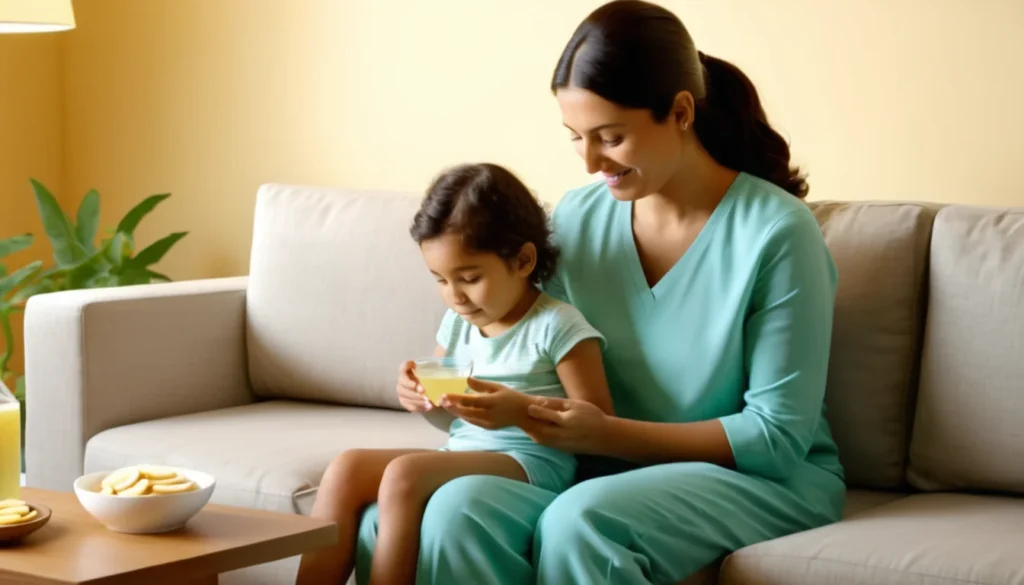
Diarrhea in children is one of the most common reasons Canadian parents visit their family doctor or local walk-in clinic. It can be worrying to watch your child deal with loose, frequent stools — but the good news is that most cases can be managed safely at home with the right diet and hydration. This guide will walk you through what to feed your child, how to keep them hydrated, and when it’s time to seek medical help.
What Is Diarrhea in Children?
Diarrhea in children is not always easy to define. Experts describe it as an increase in the usual number of bowel movements for that child, along with looser or more watery stools than normal.
Every child is different. What counts as diarrhea for one child may be normal for another. The key is a noticeable change from your child’s regular pattern.
Diarrhea can have many causes. These include viral or bacterial infections, parasites, a poor diet, or a prolonged course of antibiotics. In most mild to moderate cases, the right diet and fluids make a big difference in recovery.
Should You Change Your Child’s Diet During Diarrhea?
Many parents wonder whether they should stop feeding their child normally when diarrhea strikes. Current medical guidance is clear: keep feeding your child as normally as possible.
In the past, doctors often recommended a strict salt-and-water diet to give the digestive system a rest. However, recent clinical studies have shown this approach is unnecessary for mild to moderate cases. If it is ever used, it should not last more than eight hours.
Continuing a normal diet actually helps control diarrhea more effectively. It also replaces nutrients lost through frequent bowel movements. This helps prevent serious electrolyte imbalances that can make your child feel much worse.
What About Babies and Formula-Fed Infants?
For infants, it is important to continue breastfeeding or formula feeding as usual. Breast milk provides both nutrition and immune support, which is especially valuable when your baby is unwell.
Some babies may temporarily develop lactose intolerance during a diarrhea episode. This is usually short-term and mild. In these cases, dairy products may make symptoms worse — though some babies actually improve with continued dairy. Watch your baby’s response carefully and speak with your family doctor if you are unsure.
What About Toddlers and Older Children?
For young children who already eat solid foods, you can generally keep their diet the same as long as they feel comfortable eating. Do not force your child to eat foods they are refusing — their appetite will return naturally as they recover.
Be patient. A child with diarrhea may not want to eat much at first. That is completely normal. Offer small, familiar meals and let them guide you.
The Best Foods to Eat During Diarrhea in Children
There is no single “diarrhea diet” that works for every child. However, certain foods can help firm up stools and ease symptoms. Healthline’s guide to toddler diarrhea also supports a food-first approach to managing mild cases.
Foods rich in soluble fibre are especially helpful. Soluble fibre absorbs water in the gut and can help make stools firmer. Good choices include:
Carrots (cooked or as a purée)
Bananas
Applesauce (not apple juice)
Cooked rice or oatmeal
Boiled potatoes
Plain crackers or toast
Carrots, bananas, and applesauce are particularly rich in pectin — a natural substance that helps firm up loose stools. These can be offered raw, cooked, or as a smooth purée, depending on your child’s age.
Foods and Drinks to Avoid
Some foods can make diarrhea worse. It is best to avoid these until your child has fully recovered:
Fruit juices (apple, pear, and grape juice are especially known to loosen stools)
High-sugar snacks and candy
Greasy or fried foods
Raw vegetables that are high in insoluble fibre
Caffeinated drinks
Fruit juice deserves a special mention. Many parents think juice is a healthy choice when a child is sick. However, juice tends to worsen diarrhea because of its high sugar content. It is actually used to help with constipation — the opposite problem.
Keeping Your Child Hydrated: A Critical Step
Hydration is the most important part of managing diarrhea in children. Frequent, watery stools cause the body to lose both fluids and electrolytes — minerals like sodium and potassium that keep the body functioning properly.
Dehydration can happen quickly in children, especially infants. It can be dangerous if not treated promptly. The World Health Organization highlights dehydration as the leading danger of diarrhoeal illness in young children.
Signs of Dehydration to Watch For
As a parent, knowing the warning signs of dehydration is essential. Contact your family doctor or go to a walk-in clinic right away if you notice any of the following:
Dry mouth or cracked lips
No tears when crying
A dry diaper for more than three hours (in infants)
Sunken eyes or cheeks
Fever
Unusual irritability or drowsiness
Skin that does not bounce back quickly when gently pinched
Dehydration becomes more dangerous when diarrhea is combined with vomiting or fever, both of which cause the body to lose fluids even faster. In severe cases, dehydration can lead to a serious drop in blood pressure that requires immediate medical attention.
What Should Your Child Drink?
Encourage your child to drink fluids regularly throughout the day. Good options include:
Water (in small, frequent sips)
Diluted soups or broths
Herbal teas (chamomile or fennel work well for young children)
Oral rehydration solutions (ORS)
Plain water alone is not always the best choice. It does not contain enough sodium or other electrolytes to properly rehydrate a child. For this reason, oral rehydration solutions (ORS) are often the recommended choice, especially for infants and younger children.
Oral Rehydration Solutions in Canada
Oral rehydration solutions are available over the counter at most Canadian pharmacies without a prescription. Products like Pedialyte are commonly recommended by Canadian family doctors and paediatricians.
However, it is still a good idea to speak with your doctor or pharmacist before using these products. Only a healthcare provider can properly assess your child’s level of dehydration and calculate exactly how much fluid replacement is needed. Your provincial health plan may also cover paediatric care visits — check with your provincial health authority for details.
Health Canada’s healthy eating resources for children offer additional guidance on keeping kids nourished during illness.
When Symptoms Get Worse
Some children may experience a temporary worsening of symptoms before they begin to improve. This can be a normal part of recovery. However, there are situations where diarrhea in children requires prompt medical attention.
Be alert to any sudden changes in your child’s behaviour or energy level. A child who becomes very lethargic, stops producing urine, or develops a high fever needs to be seen by a doctor right away. Do not wait to see if things improve on their own.
Infants under six months old with diarrhea should always be evaluated by a healthcare provider, even if symptoms seem mild. Their small body size means dehydration can become dangerous very quickly.
When to See a Doctor
Most cases of diarrhea in children resolve within a few days with good home care. However, you should contact your family doctor, visit a walk-in clinic, or go to your nearest emergency department if:
Diarrhea lasts more than two days in children under two years old
Diarrhea lasts more than five days in older children
Your child shows any signs of dehydration listed above
There is blood or mucus in the stool
Your child has a fever above 38.5°C (101.3°F)
Your child is vomiting and cannot keep fluids down
Your child seems very unwell, unusually sleepy, or confused
Always trust your instincts as a parent. If something feels wrong, it is always better to get your child checked. Canadian walk-in clinics and after-hours telehealth lines (available in most provinces) are great options when your regular family doctor is unavailable.
Please consult your family doctor or a qualified healthcare provider before making any significant changes to your child’s diet or treatment plan, especially if symptoms are severe or worsening.
Frequently Asked Questions About Diarrhea in Children
What should I feed a child with diarrhea?
When managing diarrhea in children, it is best to continue a normal, familiar diet as much as possible. Foods rich in soluble fibre — such as bananas, carrots, applesauce, and cooked rice — can help firm up stools. Avoid fruit juices and sugary snacks, as these tend to make diarrhea worse.
How long does diarrhea last in children?
Most cases of diarrhea in children last between two and five days with proper home care. If diarrhea continues beyond two days in a child under two, or beyond five days in older children, you should contact your family doctor or visit a walk-in clinic.
Is Pedialyte good for children with diarrhea?
Yes, oral rehydration solutions like Pedialyte are widely recommended by Canadian paediatricians for managing diarrhea in children. They help replace both fluids and essential electrolytes lost during diarrhea. However, speak with your family doctor or pharmacist to make sure you are using the right amount for your child’s age and weight.
Can I give my child apple juice when they have diarrhea?
It is best to avoid apple juice and other fruit juices during diarrhea in children. Fruit juices have a high sugar content that can actually loosen stools further and make diarrhea worse. Stick to water, diluted broths, or an oral rehydration solution instead.
When should I take my child to the emergency room for diarrhea?
Take your child to the emergency room if they show signs of severe dehydration — such as no tears, a dry diaper for over three hours, sunken eyes, or extreme drowsiness. Blood in the stool, a fever above 38.5°C, or an infant under six months with diarrhea also warrant immediate medical attention.
Should I stop breastfeeding if my baby has diarrhea?
No — you should continue breastfeeding even if your baby has diarrhea. Breast milk provides important nutrients and immune support that help your baby recover faster. If you are concerned about your infant’s symptoms, speak with your family doctor or a public health nurse in your area.
Key Takeaways
Keep feeding your child normally. Stopping food is not recommended for mild to moderate diarrhea in children.
Choose fibre-rich foods. Bananas, carrots, applesauce, and cooked rice can help firm up loose stools.
Avoid fruit juice. It can worsen diarrhea due to its high sugar content.
Hydration is the top priority. Offer fluids frequently, and use an oral rehydration solution (ORS) when needed.
Watch for dehydration. Dry mouth, no tears, and a dry diaper for over three hours are key warning signs.
Continue breastfeeding or formula. Do not stop feeding infants during a diarrhea episode.
See a doctor if symptoms are severe or if your child is very young, has blood in the stool, or is not improving after a few days.
Canadian walk-in clinics and telehealth lines are available in most provinces if your family doctor is not immediately accessible.