Diabetic retinopathy is the most common eye complication of diabetes — and one of the leading causes of blindness in Canadians between the ages of 20 and 65. It happens when high blood sugar damages the tiny blood vessels inside the retina, the light-sensitive layer at the back of your eye. The good news is that with early detection and proper blood sugar control, you can slow its progress and protect your vision. This article explains what diabetic retinopathy is, what causes it, what to watch for, and when to talk to your doctor.
What Is Diabetic Retinopathy?
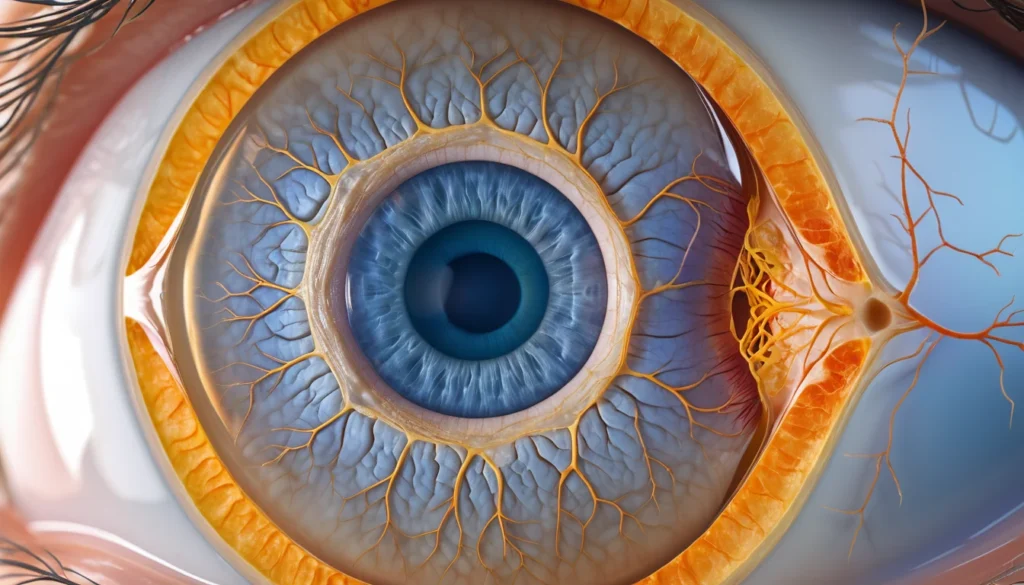
Your retina acts like the film in a camera. It captures light and sends visual information to your brain. When diabetes damages the small blood vessels that supply the retina, your vision can suffer — sometimes severely.
In the early stages, the blood vessel walls weaken and thin. Small bulges called microaneurysms form. These can leak blood or fluid into the retina. At this stage, most people have no symptoms at all.
As the disease progresses, the retina may swell, and new — but fragile — blood vessels begin to grow. This advanced stage is called proliferative diabetic retinopathy. These new vessels bleed easily, causing serious vision problems and scarring.
In the most severe cases, scar tissue pulls the retina away from the back of the eye. This is called retinal detachment, and it can lead to permanent blindness. For more detail on how the retina works, visit the Mayo Clinic’s overview of diabetic retinopathy.
How Common Is Diabetic Retinopathy in Canada?
Diabetic retinopathy is more common than many people realize. Its frequency depends on how long someone has had diabetes and which type they have.
Type 1 Diabetes
People with Type 1 diabetes tend to develop retinopathy earlier. After 5 years with diabetes, about 25% show signs of retinopathy. After 10 years, that number rises to 60%. By the 15-year mark, roughly 98% have some degree of retinopathy, and about 26% have the more serious proliferative form.
After 20 years, nearly all people with Type 1 diabetes have retinopathy. More than half of those cases are the proliferative type.
Type 2 Diabetes
People with Type 2 diabetes may already have retinopathy at the time of their diabetes diagnosis. In fact, about 21% show signs of eye damage right away. This is because Type 2 diabetes often goes undetected for years before diagnosis.
After 15 years, 85% of those using insulin and 60% of those not using insulin have retinopathy. After 20 years, more than 60% of people with Type 2 diabetes are affected. These numbers highlight why regular eye exams are so important, even if you feel fine.
Causes of Diabetic Retinopathy
The root cause of diabetic retinopathy is prolonged high blood sugar. Over time, excess glucose in the blood damages small blood vessels throughout the body — including those in the retina.
When these vessels are damaged, they change how blood flows through them. They may swell, leak, or become blocked. As a result, the retina does not get the oxygen and nutrients it needs.
In response, the eye tries to grow new blood vessels. However, these new vessels are abnormal and fragile. They break and bleed easily, leading to scarring, fluid build-up, and eventually vision loss.
Several factors can increase your risk of developing diabetic retinopathy:
Poor blood sugar control over a long period of time
High blood pressure, which puts extra stress on blood vessel walls
High cholesterol levels, which can worsen vessel damage
Pregnancy, which can accelerate existing retinopathy
Long duration of diabetes — the longer you have had diabetes, the higher your risk
Smoking, which damages blood vessels further
According to Health Canada, managing blood sugar, blood pressure, and cholesterol is the most effective way to reduce complications like diabetic retinopathy.
Symptoms of Diabetic Retinopathy
One of the most important things to understand about diabetic retinopathy is that it often causes no symptoms in its early stages. By the time you notice changes in your vision, the disease may already be quite advanced.
Therefore, regular dilated eye exams are essential — even when your vision seems perfectly fine. An eye doctor (ophthalmologist or optometrist) can spot early damage long before you feel anything.
When symptoms do appear, they may include:
Blurry or distorted vision
Difficulty reading or focusing on fine details
Spots, floaters, or dark strings in your field of vision
A “veil” or shadow over part of your sight
Partial or complete vision loss
Eye pain (in more advanced cases)
If you experience any sudden changes in your vision, treat it as urgent. Do not wait for your next scheduled appointment. Contact your family doctor, visit a walk-in clinic, or go to your nearest emergency department right away.
Complications of Diabetic Retinopathy
Without treatment, diabetic retinopathy can lead to several serious complications. Understanding these helps explain why early action matters so much.
Macular Oedema
The macula is the central part of the retina. It controls sharp, detailed vision — the kind you use for reading, driving, and recognizing faces. When fluid builds up in the macula, it swells. This is called macular oedema, and it is the most common cause of vision loss in people with diabetic retinopathy.
Retinal Detachment
Scar tissue from bleeding vessels can pull the retina away from the back of the eye. This retinal detachment causes sudden, severe vision loss. It is a medical emergency that requires immediate treatment.
Neovascular Glaucoma
Sometimes, new blood vessels grow on the iris (the coloured part of the eye). This raises the pressure inside the eye, causing a severe form of glaucoma called neovascular glaucoma. Left untreated, this leads to permanent blindness.
Vitreous Haemorrhage
Fragile new blood vessels can bleed into the vitreous — the clear, gel-like fluid that fills the eye. This causes sudden blurring or a reddish tint to your vision. In mild cases, the blood clears on its own. In serious cases, surgery may be needed.
How Is Diabetic Retinopathy Treated?
Treatment for diabetic retinopathy depends on the stage of the disease. In early stages, the most important treatment is better control of blood sugar, blood pressure, and cholesterol. This alone can slow or stop the progression significantly.
For more advanced cases, your doctor or specialist may recommend:
Laser treatment (photocoagulation): A laser seals leaking blood vessels or destroys abnormal new vessels. This helps prevent further bleeding and vision loss.
Anti-VEGF injections: These medications are injected directly into the eye. They block the signal that causes abnormal blood vessel growth. Common examples include ranibizumab and bevacizumab.
Corticosteroid injections: These reduce inflammation and fluid build-up in the macula.
Vitrectomy surgery: In serious cases, a surgeon removes blood from the vitreous and addresses scar tissue. This procedure requires a specialist referral.
In Canada, these treatments are generally available through provincial health plans when referred by your family doctor or optometrist to an ophthalmologist. Wait times and coverage vary by province, so it is worth asking your care team about your options early. You can learn more about treatment approaches at Healthline’s guide to diabetic retinopathy treatment.
Preventing Diabetic Retinopathy
You cannot always prevent diabetic retinopathy completely, but you can significantly reduce your risk. The key is managing your diabetes well — every single day.
Here are the most effective steps you can take:
Keep your blood sugar in your target range. Work with your doctor to set and meet your A1C goals.
Control your blood pressure. Aim for readings below 130/80 mmHg, as recommended for most Canadians with diabetes.
Manage your cholesterol. A healthy diet and, if needed, medication can help protect your blood vessels.
Get dilated eye exams every year. This is the single most important step. Your provincial health plan typically covers annual eye exams for people with diabetes — check with your insurer or provincial health authority for details.
Stop smoking. Smoking damages blood vessels and speeds up retinopathy. Talk to your doctor about quitting programmes available in your province.
Stay physically active. Regular exercise improves blood sugar control and supports overall vascular health.
Furthermore, if you are pregnant and have diabetes, schedule an eye exam early in your pregnancy. Pregnancy can cause existing retinopathy to worsen more quickly.
When to See a Doctor
If you have diabetes — whether Type 1 or Type 2 — you should have a dilated eye exam at least once a year, even if your vision seems fine. Diabetic retinopathy can advance without any warning symptoms.
Talk to your family doctor about getting a referral to an ophthalmologist or optometrist if you have not had an eye exam recently. If you do not have a family doctor, a walk-in clinic can help start that referral process.
Seek care immediately if you notice any sudden changes in your vision — such as new floaters, flashing lights, a dark curtain over part of your sight, or any sudden blurring. These could be signs of a serious complication that needs urgent attention.
As always, speak with your healthcare provider before making any changes to your diabetes management plan. Every person’s situation is different, and your doctor is your best guide.
Frequently Asked Questions About Diabetic Retinopathy
Can diabetic retinopathy be reversed?
Diabetic retinopathy cannot be fully reversed, but early treatment can slow or stop its progression significantly. Tightly controlling blood sugar and blood pressure may help stabilize existing damage. In some cases, anti-VEGF injections have improved vision in people with diabetic retinopathy.
How quickly does diabetic retinopathy progress?
The speed of progression varies from person to person. Diabetic retinopathy can develop slowly over many years, especially when blood sugar is well controlled. However, poor blood sugar management, high blood pressure, and long duration of diabetes can accelerate the damage considerably.
Is diabetic retinopathy painful?
In most stages, diabetic retinopathy causes no pain at all — which is one reason it can go undetected for so long. Eye pain may occur in advanced cases, particularly when increased eye pressure develops. Any eye pain in a person with diabetes should be assessed by a doctor promptly.
How often should someone with diabetes get an eye exam in Canada?
Canadian diabetes guidelines recommend a dilated eye exam at least once a year for anyone living with diabetes. Most provincial health plans cover annual eye exams for people with diabetes — check with your provincial health authority or insurance provider. Your family doctor or optometrist can help coordinate this care.
What is the difference between non-proliferative and proliferative diabetic retinopathy?
Non-proliferative diabetic retinopathy is the early stage, where blood vessels weaken, swell, or leak but no new vessels have grown yet. Proliferative diabetic retinopathy is the advanced stage, where the eye grows new, fragile blood vessels that bleed easily and can cause serious vision loss. Proliferative diabetic retinopathy carries a much higher risk of blindness.
Can you drive if you have diabetic retinopathy?
Whether you can drive depends on how much your vision has been affected by diabetic retinopathy. Mild cases may not affect driving ability at all, but significant vision loss can make driving unsafe. In Canada, each province has its own standards for vision and driving fitness — speak with your eye doctor and family doctor for guidance specific to your situation.
Key Takeaways
Diabetic retinopathy is the leading cause of blindness in working-age Canadians with diabetes. High blood sugar damages the tiny blood vessels in the retina, causing leaking, bleeding, and eventually vision loss. The disease often has no symptoms in its early stages — regular eye exams are essential. Both Type 1 and Type 2 diabetes increase the risk, and risk rises the longer you have had diabetes. Controlling blood sugar, blood pressure, and cholesterol is the most effective way to prevent or slow diabetic retinopathy. Treatments include laser therapy, anti-VEGF injections, and surgery — available through specialist referral in Canada. See your family doctor or visit a walk-in clinic to get a referral for an annual dilated eye exam. Seek immediate care for any sudden changes